
Transporting agricultural products like potatoes, onions, and carrots requires packaging that ensures freshness and prevents spoilage. Good ventilated bags are essential for maintaining airflow, reducing moisture buildup, and extending shelf life during transport and storage. This article dives into why ventilation matters in agricultural packaging, explores the types of ventilated bags available, highlights key features to look for, and offers guidance on choosing the right ventilated bag for your needs.
Why Ventilation Matters in Agricultural Packaging
Ventilation plays a critical role in agricultural packaging by allowing air to circulate around the produce. Proper airflow helps regulate temperature and moisture, preventing heat buildup and condensation that can cause mold, rot, and spoilage. For root vegetables like potatoes, onions, and carrots, maintaining good ventilation is vital to preserving quality and extending shelf life.
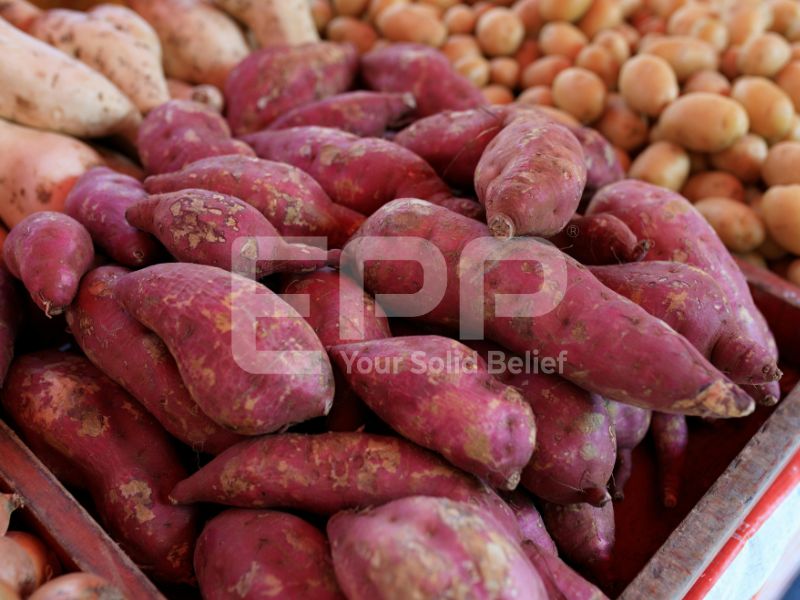
Without adequate ventilation, produce can deteriorate quickly, leading to significant losses for farmers and distributors. Good ventilated bags help keep products dry and cool, especially during long-distance transport or storage in warm, humid environments.
From my experience working with agricultural suppliers, using ventilated bags has consistently reduced product damage and improved customer satisfaction by delivering fresher goods.
Types of Good Ventilated Bags for Agricultural Products
Several types of ventilated bags are commonly used to transport agricultural products, each suited to different needs and scales:
Ventilated FIBC (Bulk Bags)
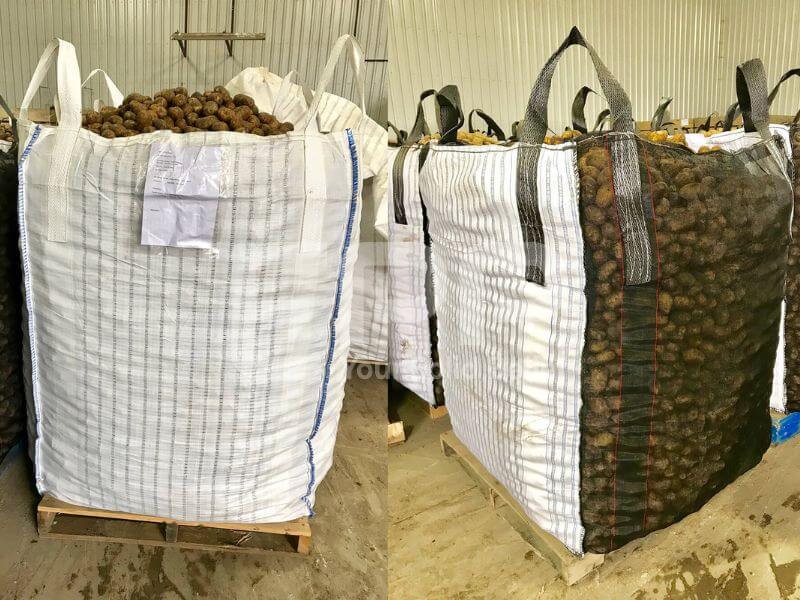
- Features: Made from woven polypropylene with mesh panels or ventilation strips to maximize airflow.
- Best For: Large volumes of potatoes, onions, carrots, and other root vegetables.
- Benefits: Strong, reusable, and efficient for bulk transport. Options include spout tops and bottoms for easy filling and discharge.
Mesh Bags

- Features: Woven into a net-like structure providing excellent, uninhibited airflow.
- Best For: Onions, cabbage, potatoes, turnips, and similar produce.
- Benefits: Cost-effective and highly breathable, ideal for wholesale and retail packaging.
Jute Bags

- Features: Made from natural fibers, soft and absorbent.
- Best For: Potatoes (especially for export), coffee beans, and other products needing gentle handling.
- Benefits: Superior moisture absorption and ventilation, protecting produce from damage.
Vented Poly Bags

- Features: Clear plastic bags with tiny perforation holes (micropores) for ventilation.
- Best For: Retail packaging of fruits and vegetables.
- Benefits: Affordable, keeps produce fresh while allowing it to breathe.
Each bag type can be customized in size, strength, and ventilation level to suit specific agricultural products and transport conditions.
Key Features to Look for in Ventilated Agricultural Bags
When selecting ventilated bags for agricultural products, consider the following features to ensure optimal performance:
| Feature | Description | Importance |
|---|---|---|
| Breathability | Allows sufficient airflow to prevent moisture buildup and heat accumulation. | Prevents spoilage and mold growth |
| Durability | Made from strong materials with reinforced seams to withstand rough handling. | Ensures bag longevity and product safety |
| Size and Capacity | Fits the volume and weight of produce without causing damage. | Protects produce and optimizes transport |
| UV Resistance | UV-resistant materials protect bags and contents from sun damage during outdoor storage. | Extends bag life and maintains quality |
| Moisture Resistance | Resists external moisture to prevent water damage while allowing internal ventilation. | Balances airflow with protection |
| Ease of Handling | Features like lifting loops or drawstrings for easier loading and unloading. | Improves operational efficiency |
| Custom Printing | Branding or product information printed on bags for market appeal and traceability. | Enhances brand visibility and compliance |
In my experience, balancing breathability with durability is crucial. Bags that ventilate well but tear easily can lead to product loss, while overly sturdy bags with poor ventilation defeat the purpose.
FAQ about ventilated bags
Q: Why are ventilated bags important for agricultural products?
A: They allow air circulation, preventing heat and moisture buildup that causes spoilage and mold.
Q: Which ventilated bag is best for large-scale transport?
A: Ventilated FIBC bulk bags are ideal for large volumes due to their strength and reusability.
Q: Can ventilated bags be used for retail packaging?
A: Yes, vented poly bags with micropores are commonly used for retail to keep produce fresh.
Q: How do burlap bags help in transporting produce?
A: Burlap bags absorb moisture and provide gentle handling, making them great for delicate products.
Q: What should I consider when choosing a ventilated bag?
A: Consider the type of produce, transport distance, storage conditions, and balance between cost and quality.
Conclusion
Good ventilated bags are essential for transporting agricultural products safely while maintaining freshness and quality. Understanding the importance of ventilation, knowing the types of bags available, and selecting the right features can significantly reduce spoilage and improve profitability.
Choosing the right ventilated bag tailored to your product and logistics needs ensures your produce arrives fresh and market-ready. If you need help sourcing quality ventilated bags or want expert advice on packaging solutions, feel free to reach out for support.