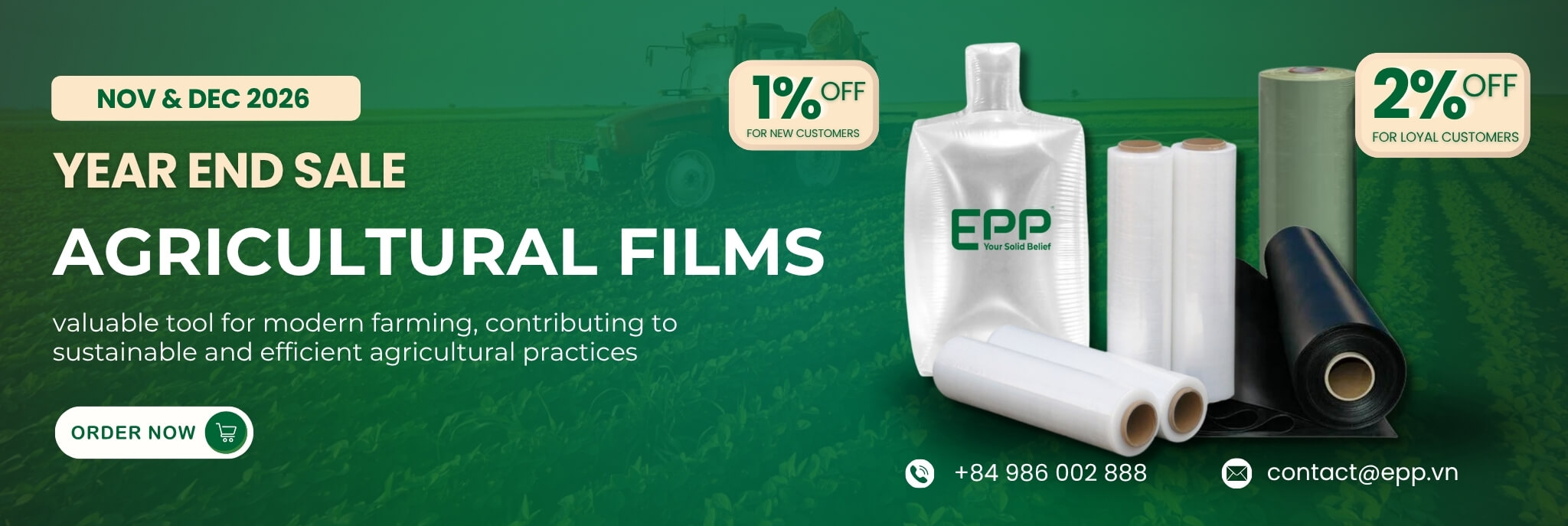
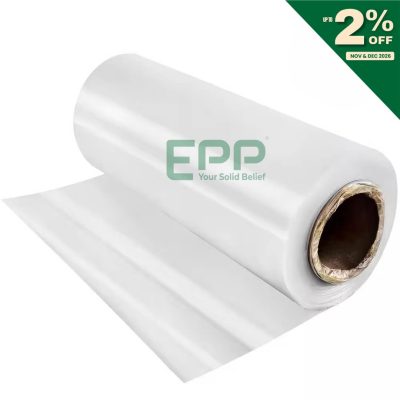
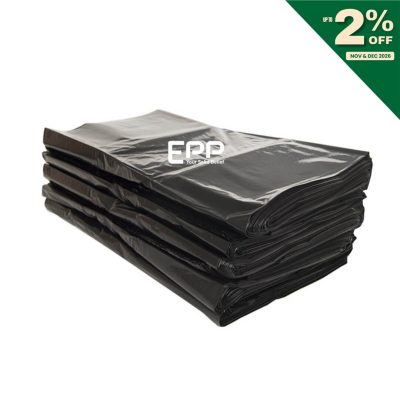
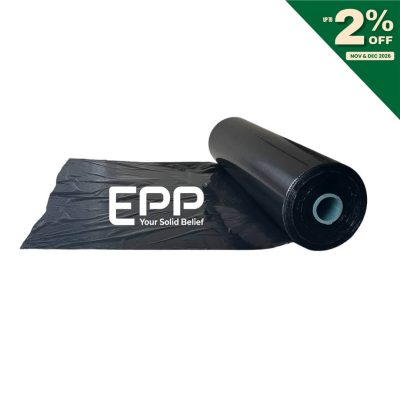
Agricultural films play a crucial role in modern farming practices, providing essential protection and support for crops. These films, made from various types of plastics, are designed to enhance agricultural productivity by creating favorable growing conditions and protecting crops from environmental factors. Understanding agricultural plastic films is vital for farmers and agricultural businesses looking to optimize their operations and yield.
What Are Agricultural Films?
Agricultural films are engineered polymer sheets designed to optimize growing microclimates, protect crops from adverse weather, regulate soil conditions, contain water, and preserve livestock forage or bulk produce. Unlike standard utility construction sheeting, agricultural films incorporate additive packages (such as Hindered Amine Light Stabilizers, or HALS) to resist long-term UV degradation and chemical exposure.
Main Categories of Agricultural Films
There are several types of agricultural films, each designed for specific applications and benefits. The most common types include:
1. Greenhouse Films
Greenhouse films are designed to cover and protect greenhouse structures, allowing sunlight to penetrate while providing insulation. These films can be treated to enhance UV protection, reducing the risk of plant damage from excessive sunlight. The use of greenhouse films promotes better plant growth and can lead to increased productivity.
2. Mulch Films
Mulch films are used to cover the soil, providing benefits such as weed suppression, moisture retention, and temperature regulation. They come in various colors, each serving a different purpose—black mulch films, for example, are effective for heat absorption, while white films reflect sunlight and keep the soil cooler. Mulch films are essential for optimizing crop conditions and improving yields.
3. Silage Bale Wrap
Silage bale wrap is a specialized agricultural film used to wrap bales of silage, preserving the quality of the forage for livestock. This type of film is typically UV-resistant and designed to keep moisture out while allowing gases to escape, thus preventing spoilage. Properly wrapped silage can maintain its nutritional value for extended periods, ensuring that livestock have access to high-quality feed.
4. PE Liner
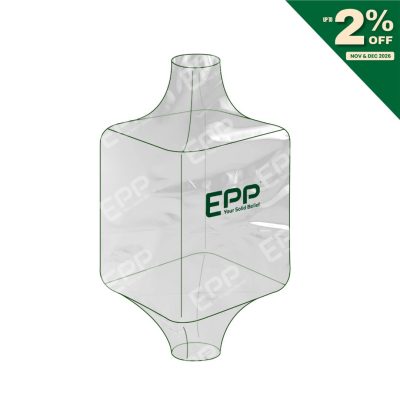
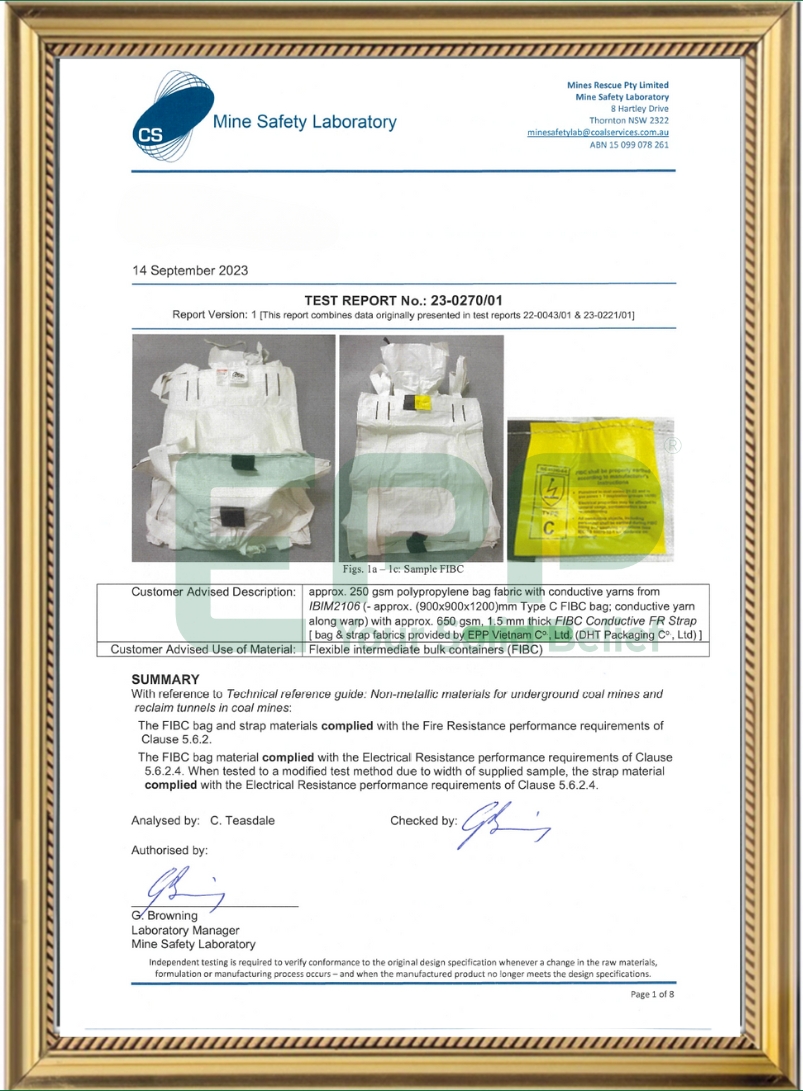
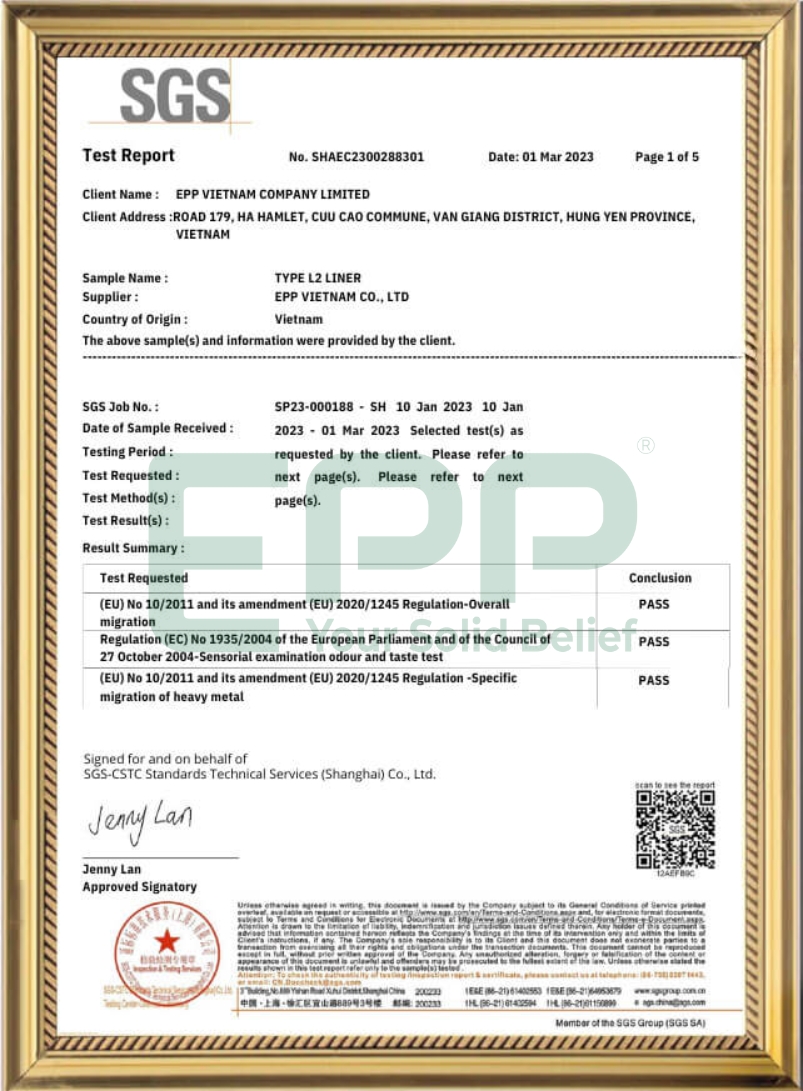
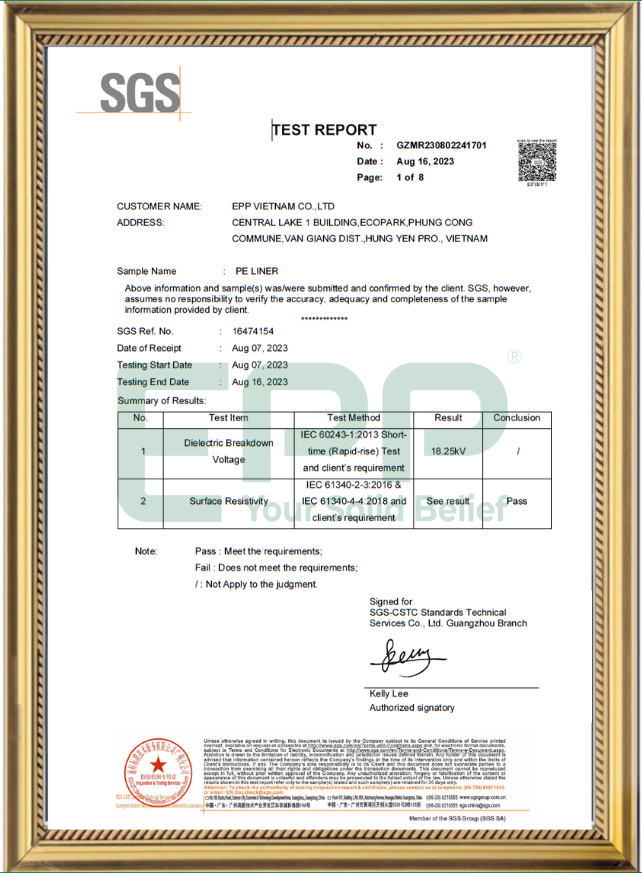
Heavy-duty impermeable barrier films designed for agricultural containment. These include thick HDPE/LLDPE geomembrane liners for aquaculture ponds, irrigation reservoirs, and canal sealing, as well as tubular PE liners inserted into FIBC bulk bags to protect agricultural products (like fertilizers, grains, and seeds) from moisture and contamination.
5. Printed Plastic Packaging Films
EPP Vietnam is also known for manufacturing printed plastic packaging films, which can be used for branding and marketing agricultural products. These films not only serve a functional purpose but also enhance the visual appeal of products, helping farmers and distributors stand out in the market.
What Type of Plastic Is Used for Agricultural Film?
The vast majority of agricultural films are processed from Polyethylene (PE) resins due to their balance of tensile strength, flex life, chemical inertness, and ease of recycling.
-
Low-Density Polyethylene (LDPE): Offers excellent clarity, high flexibility, and smooth surface processing—making it a standard choice for greenhouse sheeting and flexible FIBC bag liners.
-
Linear Low-Density Polyethylene (LLDPE): Features superior tensile strength, tear propagation resistance, and dart drop impact strength compared to LDPE. Ideal for high-durability liners and down-gauged films.
-
High-Density Polyethylene (HDPE): Provides extreme tensile strength, stiffness, and chemical resistance—making it the material of choice for thick pond liners, containment geomembranes, and heavy-duty liners.
-
Ethylene-Vinyl Acetate (EVA): Added to multi-layer greenhouse films to enhance elasticity, impact resistance, and infrared (thermal) heat retention during cold nights.
How to Choose the Right Agricultural Film for Your Application?
Define the Primary Application: Determine whether you require overhead microclimate control (greenhouse covers), root-zone management (mulch film), liquid containment/packaging protection (PE liners), or forage storage (silage wrap).
Evaluate Local UV Exposure (kLy Rating): Select UV stabilization levels based on your regional solar radiation (kilo-Langleys per year). Arid regions and outdoor pond liners require significantly higher anti UV additive density to prevent film embrittlement.
Select Required Additive Features:
- Anti-Drip / Anti-Fog: Flattens condensation into a continuous film to prevent water droplets from burning leaves or encouraging fungal diseases.
- Light Diffusion: Scatters direct sunlight into omnidirectional light to penetrate deep into dense crop canopies without scorching upper leaves.
- Impermeability & Puncture Resistance: Essential for PE pond liners and FIBC liners to prevent liquid seepage, chemical leaching, or oxygen ingress.
Confirm Gauge and Roll Dimensions: Match film thickness (microns or mils), roll width, and length to your structural frame, excavation pit size, or bulk packaging dimensions.
FAQs About Agricultural Films
What is the difference between LDPE and LLDPE film?
| Feature |
LDPE (Low-Density Polyethylene) |
LLDPE (Linear Low-Density Polyethylene) |
| Optical Clarity |
High optical transparency |
Slightly more translucent |
| Puncture & Tear Resistance |
Standard |
High tensile and dart drop strength |
| Primary Advantage |
Flexibility and light transmission |
Down-gauging (thinner film without sacrificing strength) |
Which Agricultural Film Is Best for Greenhouses?
There is no single “best” film. The optimal choice is typically a 3-layer or 5-layer co-extruded LLDPE/LDPE/EVA blend featuring UV stabilization matching your local kLy rating, anti-drip agents on the inner layer, and light diffusion additives appropriate for your specific crop.
How Long Does Agricultural Film Last?
Service life ranges from 1 season (3–12 months) for single-use mulch films, up to 3 to 5 years (36–60 months) for heavy-gauge greenhouse covers, and up to 10+ years for thick, UV-stabilized HDPE pond liners.
Can Agricultural Film Be Recycled?
Yes. Clean, post-harvest PE agricultural films and liners are widely recyclable (typically Class 4 LDPE/LLDPE or Class 2 HDPE). Soil and chemical contamination must be washed off prior to processing into recycled resin pellets.
Agricultural films are an integral part of modern farming, providing numerous benefits that enhance crop production and protect investments. With various types, such as greenhouse films, mulch films, and silage bale wraps, farmers can choose the right solutions to optimize their operations. Companies like EPP Vietnam further expand the utility of agricultural films by producing PE liners and printed plastic packaging films, catering to the diverse needs of the agricultural sector.
Understanding the advantages and applications of agricultural film enables farmers to make informed decisions that can lead to improved yields and greater sustainability. As the agriculture industry continues to evolve, the role of agricultural film will remain crucial in supporting efficient and productive farming practices. By investing in high-quality agricultural plastic films, farmers can enhance their productivity, protect their crops, and contribute to a more sustainable agricultural future.