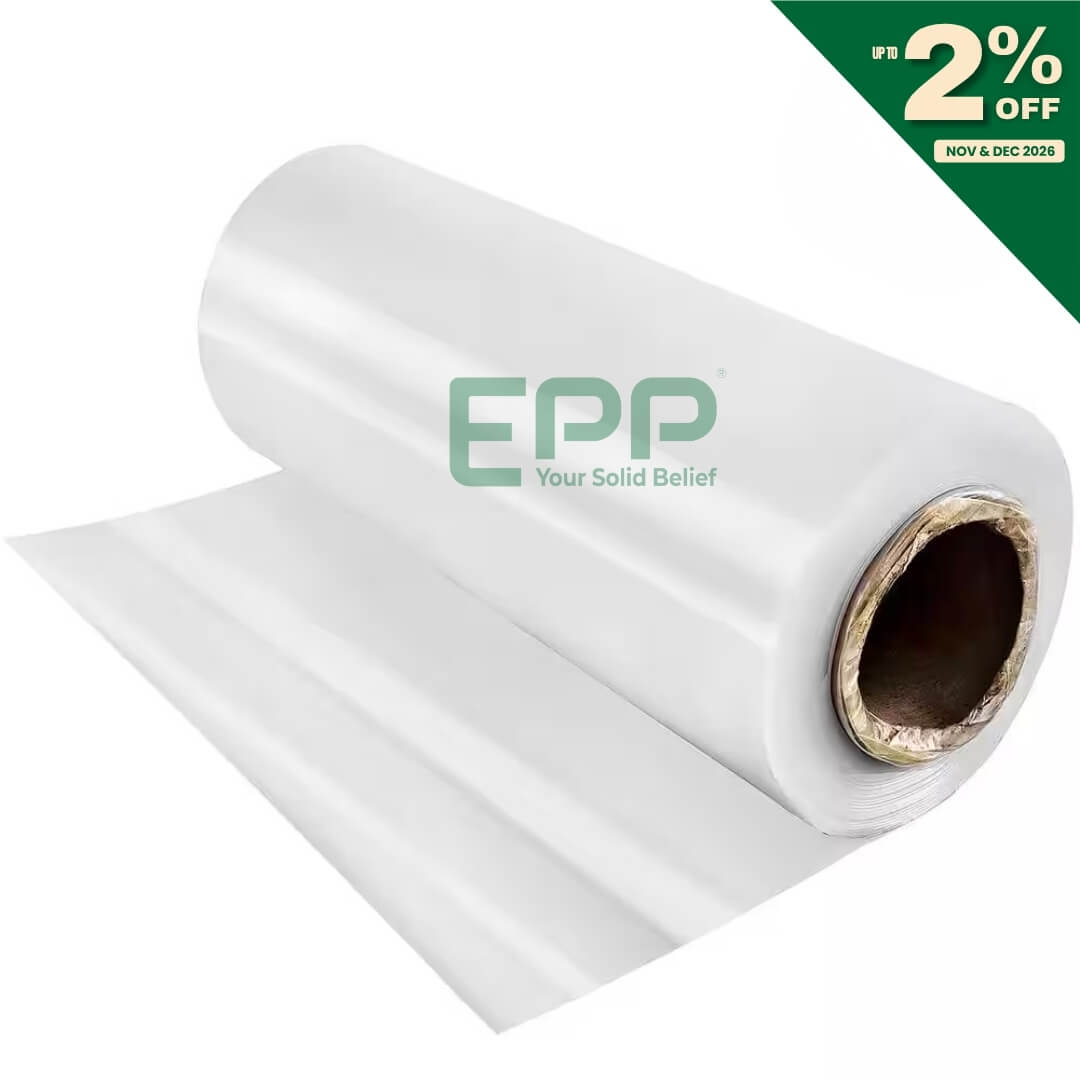

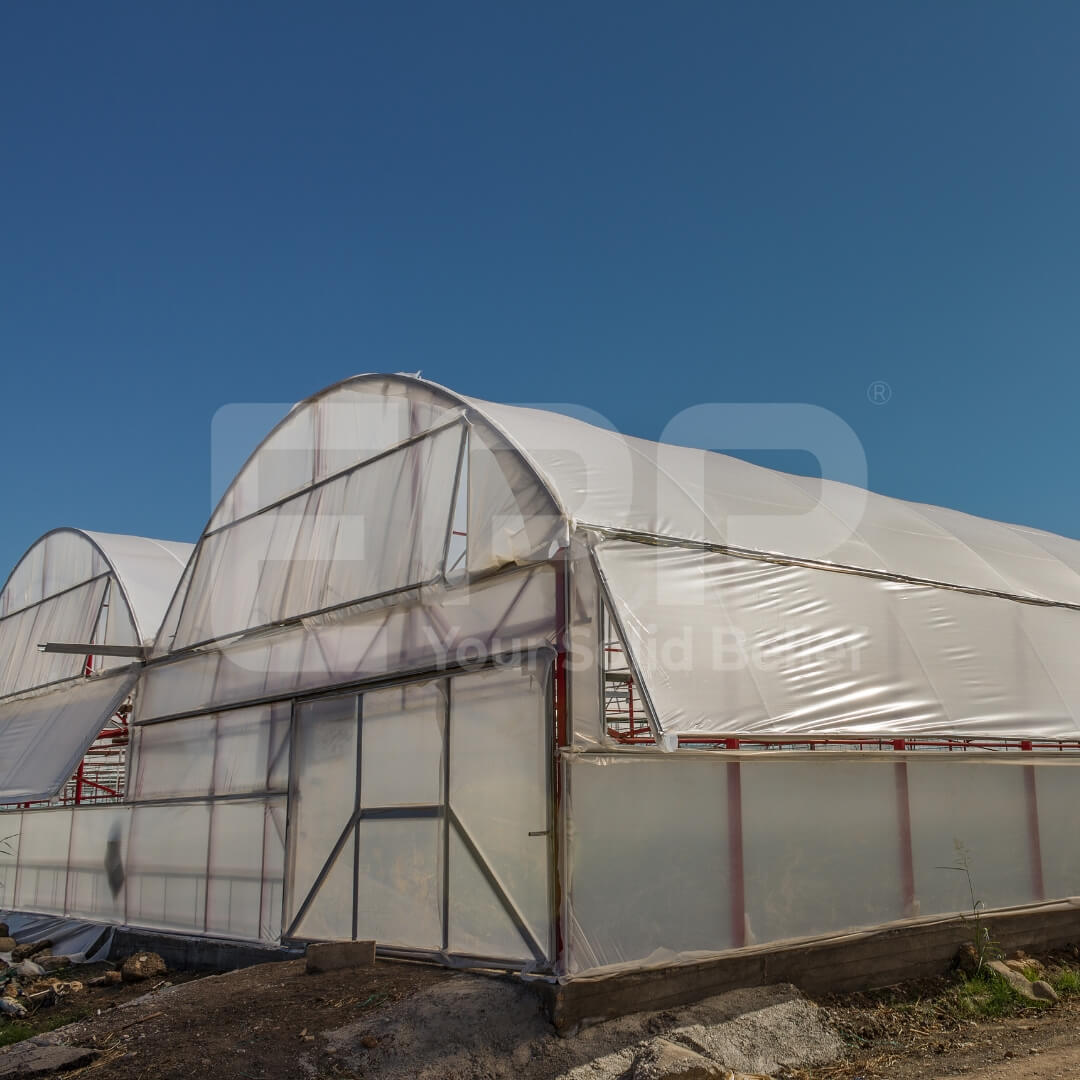
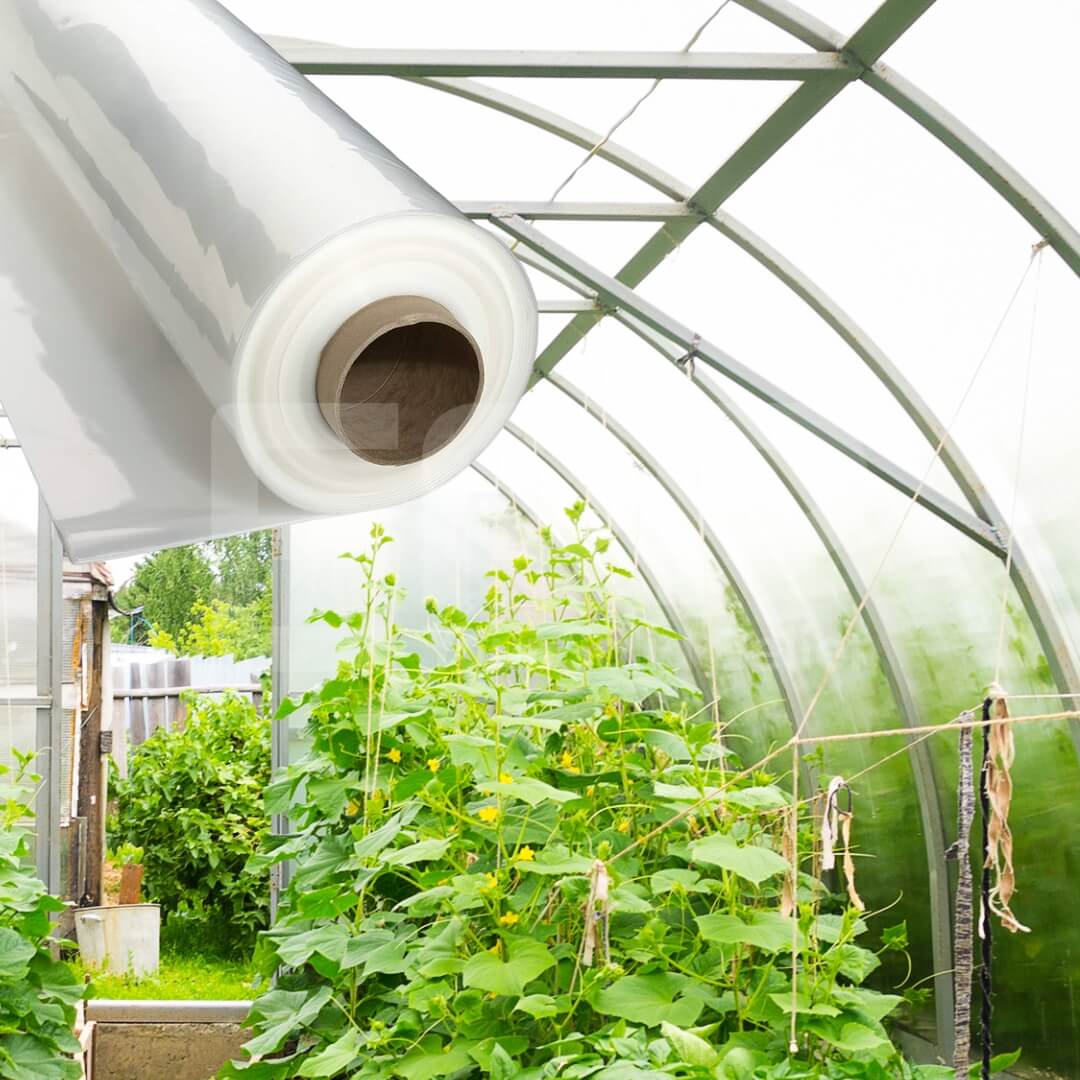
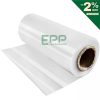


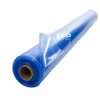
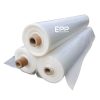
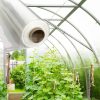
Selecting the right protective covering directly impacts crop yields, thermal regulation, and disease control. High-performance greenhouse film—also referred to as greenhouse poly film or greenhouse plastic sheeting—is the modern agricultural standard for commercial growers, offering high light transmission, UV stabilization, and weather durability at a fraction of the cost of glass or rigid polycarbonate.
When deciding what plastic to use for greenhouse structures, commercial growers must look beyond standard hardware store plastic. Professional greenhouse plastic film is engineered with multi-layer co-extrusion technology to withstand harsh winds, heavy snow loads, and intense solar degradation over multiple seasons.

Specifications of Greenhouse Film
To ensure long-lasting protection across diverse climates, greenhouse films are manufactured according to precise structural and optical specifications:
| Specification Parameter | Standard Range & Commercial Options |
| Material Base | Low-Density Polyethylene (LDPE) or Linear Low-Density Polyethylene (LLDPE) |
| Thickness Range | 6 mil (0.15mm) general agricultural use, providing ideal flexibility and 4-year durability for standard hoop houses and high tunnels.
8 mil (0.2mm) regions experiencing heavy wind gusts or moderate snowfall 10 mil (0.25mm) commercial grade used for extreme weather environments, structural overwintering, or long-span gutter-connected greenhouses. |
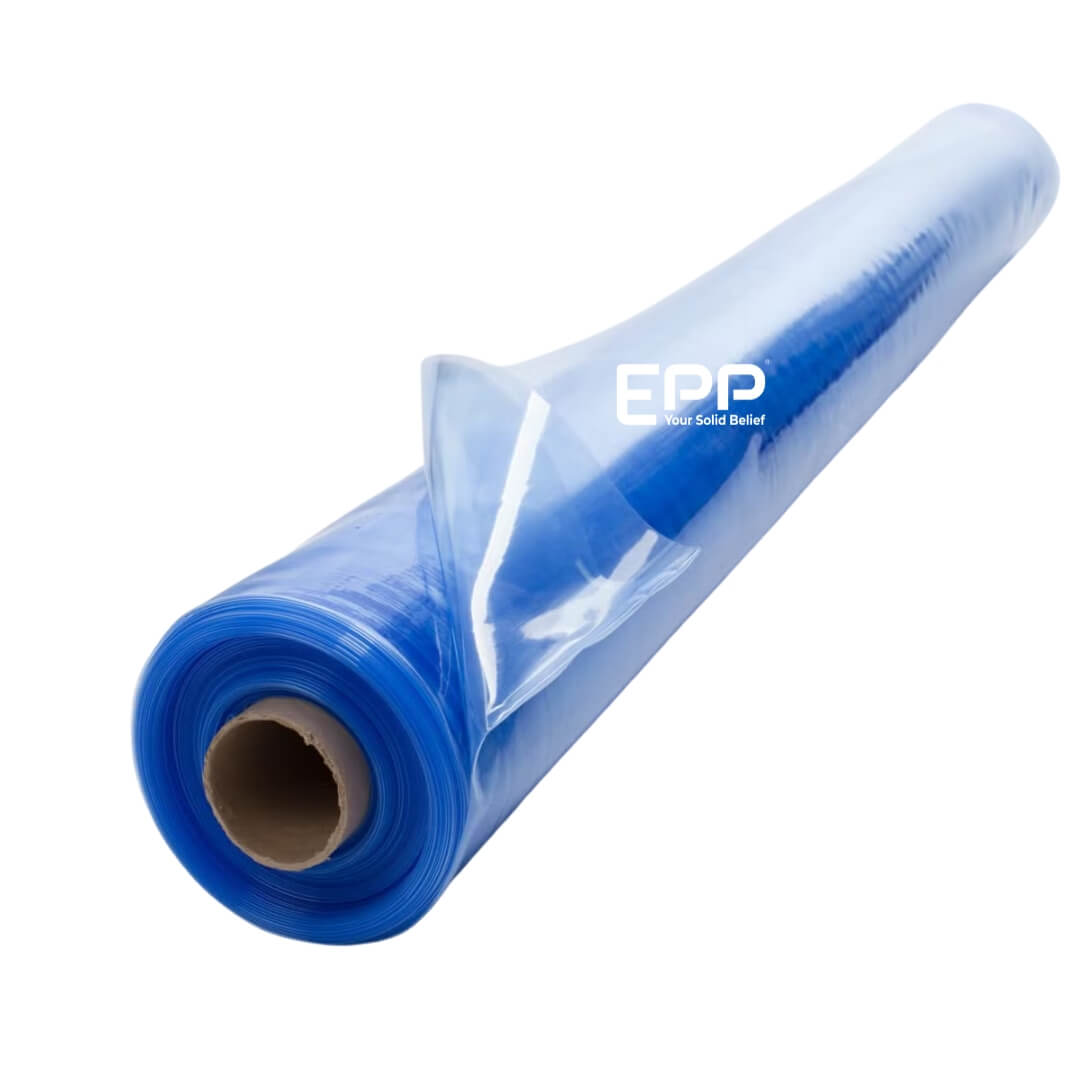
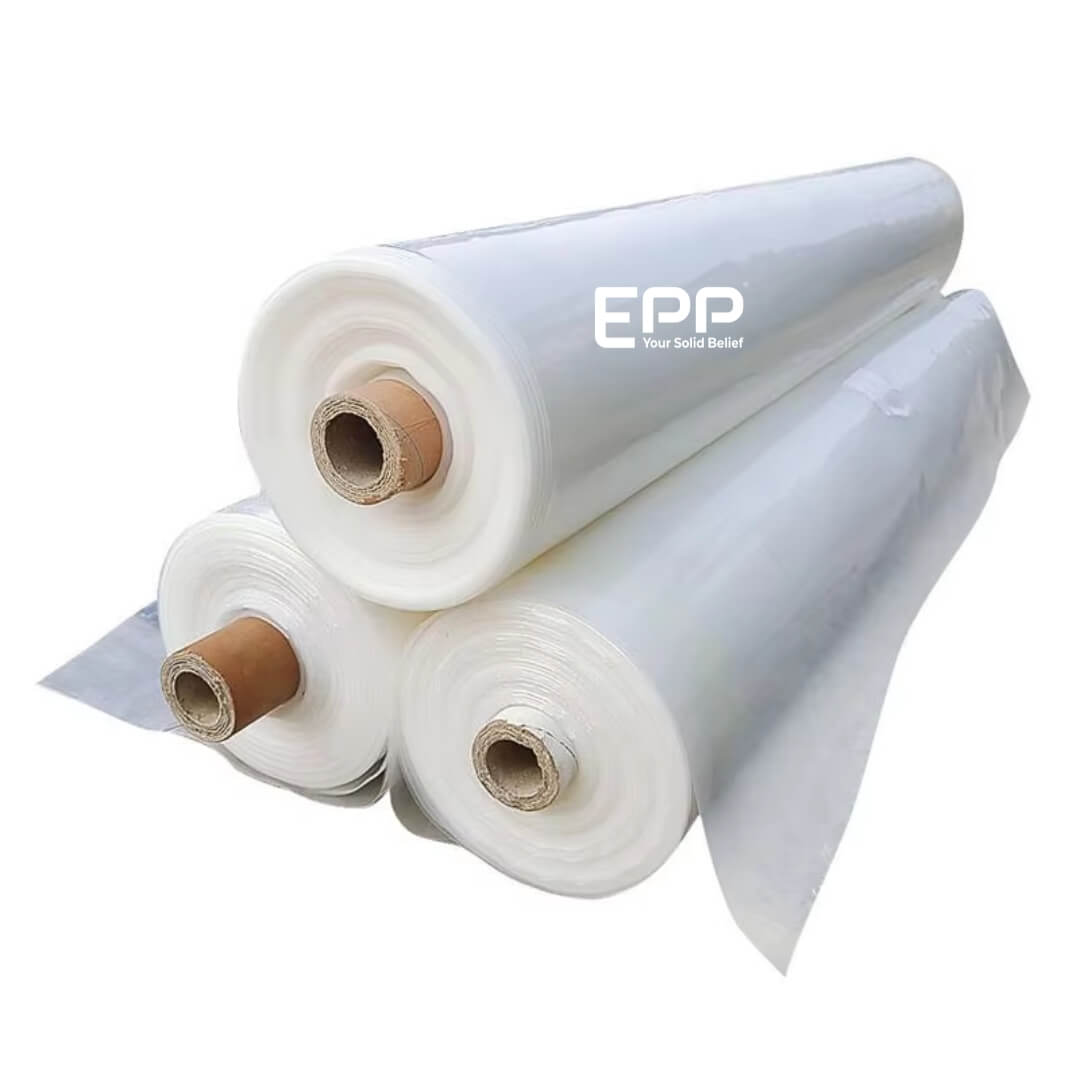
| Roll Sizes | Master greenhouse film roll widths from 2.2 m to 10 m; custom continuous lengths up to 100m+ |
| UV Stabilization | Advanced UV additives (HALS) offering 1 to 4 years of continuous sun protection |
| Light Transmission | 85% to 92% total PAR (Photosynthetically Active Radiation) light pass-through |
| Additive Options | Anti-drip (anti-condensate), anti-fog, thermal infrared blockers, and light diffusion agents |
Types of Greenhouse Film
Modern greenhouse plastics are customized with specialized additives to tailor the internal microclimate for specific crop requirements:
1. Clear Polyethylene
Direct, high-clarity film greenhouse covers maximize solar heat gain and raw light transmission (up to 90%). Clear greenhouse plastic covers are ideal for low-light regions or heat-loving crops that require maximum direct sunlight during early spring.
2. Light-Diffused Poly
Diffused poly film scatters direct sunlight into an even, omnidirectional haze. Rather than creating hot spots and harsh shadows, light penetrates deep into the lower crop canopy. This increases photosynthesis, reduces plant stress, and prevents sunburn on leaves and delicate fruit.
3. Infrared Anti-Condensate
Infrared (IR) thermal films trap radiant heat inside the greenhouse during cold nights, cutting heating bills by up to 20%-30%. When paired with anti-condensate additives, these high-performance agricultural films prevent large water droplets from forming on the ceiling and dripping onto plants, significantly lowering the risk of destructive fungal diseases like Botrytis.

4. Light Deprivation (Blackout) Film
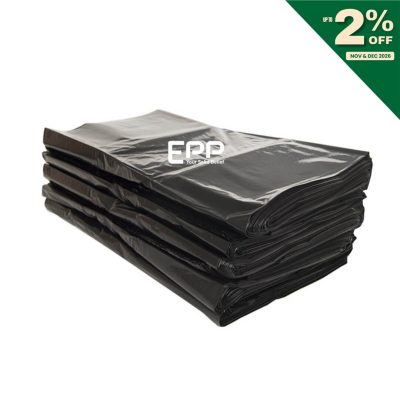
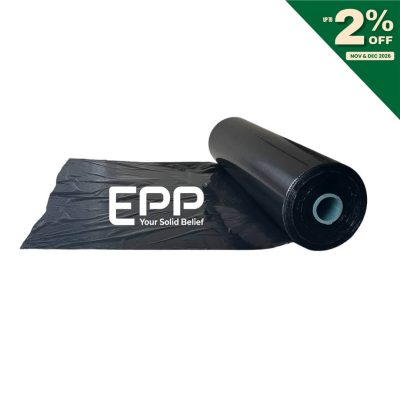
Used for photoperiod-sensitive crops, light deprivation films allow growers to force flowering by controlling day length. These blackout films typically feature a dual-color design: a white greenhouse film side facing outward to reflect heat and a 100% opaque black inner side to create total darkness.
5. Anti-Fog & Anti-Drip Film
Humidity inside a greenhouse causes moisture to condense on the ceiling. An anti-fog film incorporates surfactants that alter the surface tension of the plastic. Instead of forming heavy water droplets that block sunlight and drop onto plants, moisture spreads into a micro-thin, continuous layer that drains smoothly down the side walls.
6. Overwintering Film
Specialized overwintering film (often a white or opaque white greenhouse film) protects dormant nursery stock, perennials, and woody ornamentals through cold winters. The white pigmentation reflects intense winter sun, preventing premature soil thaw and root damage caused by temperature fluctuations.

Tips for Greenhouse Film Installation
Installing a greenhouse film roll correctly ensures maximum lifespan and prevents wind damage:
-
Install on a Calm, Warm Day: Polyethylene expands in heat and contracts in cold. Install your greenhouse poly film when ambient temperatures are around 15∘ C to 25∘ C (60∘ F to 80∘F) so it lays taut without overstretching.
-
Inspect & Tape Frame Touchpoints: Wrap metal or wooden hoops with felt tape or PVC-compatible paint before pulling the film. Friction against bare metal or wet wood preservatives accelerates chemical degradation of the plastic.
-
Ensure Proper Orientation: Multi-layer films with anti-fog or anti-drip coatings are side-specific. Always check the manufacturer’s print on the film (e.g., “THIS SIDE DOWN”) to ensure additives face the interior of the house.
-
Use Lock Channels & Spring Wire (Wiggle Wire): Avoid nailing or stapling plastic directly to wood frames. Secure the film using aluminum lock channels and spring wire to evenly distribute tension without tearing the sheet.
-
Maintain Consistent Tension: Pull the film snug across the ridge line. Loose plastic flaps in the wind, creating stress fractures that drastically shorten the lifespan of your greenhouse plastics.
Frequently Asked Questions (FAQ)
-
Can I use a tarp as a greenhouse cover?
No. Standard blue or clear woven tarps are not suitable for commercial greenhouse agriculture. They lack UV stabilization (degrading in 3 to 6 months), block critical PAR light spectrums needed for photosynthesis, and lack thermal IR additives to retain nighttime heat. Always invest in true UV-stabilized greenhouse plastic sheeting.
-
How long does a commercial greenhouse film roll last?
Professional 6 mil or 8 mil greenhouse plastic film with UV stabilization typically lasts 3 to 5 years, depending on local solar exposure and installation quality.
-
What is the difference between single-layer and double-layer poly installation?
Single-layer is ideal for seasonal tunnels. Double-layer poly uses a small blower fan to inflate air between two layers of film, creating a thick insulation barrier that reduces heating costs by up to 40% during cold winters.
Conclusion
Choosing the right greenhouse film is one of the most critical decisions for optimizing farm productivity, controlling climate conditions, and protecting your crop investment year-round. From clear polyethylene rolls for high solar gain to specialized anti-fog film and light-diffused poly, selecting high-grade, UV-stabilized greenhouse plastic film guarantees long-term durability and healthier yields.
Looking to upgrade your farm’s protective covers or source wholesale greenhouse poly film rolls? Contact EPP Vietnam today to review technical specifications, request product samples, or receive a factory-direct quotation tailored to your operational needs.

Website: epp.vn
Alibaba website: https://eppvietnam.trustpass.alibaba.com/
Email: [email protected] Hotline/ Whatsapps: +84 986 002 888