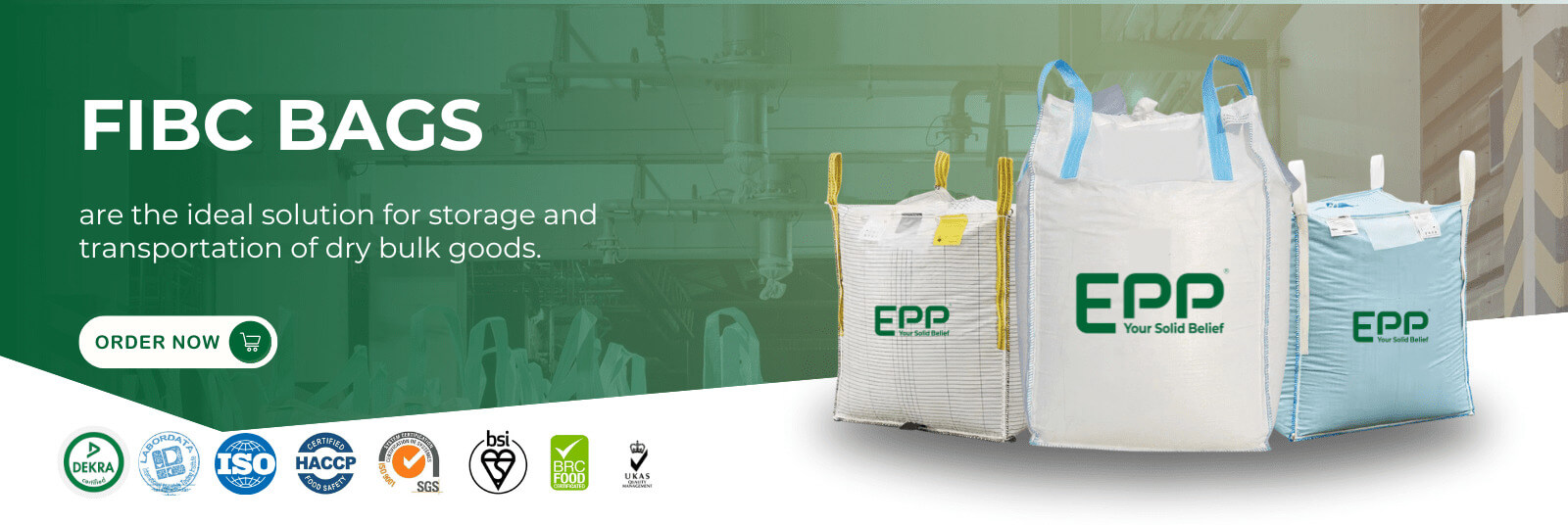
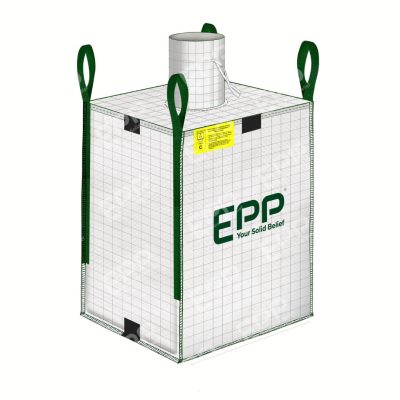
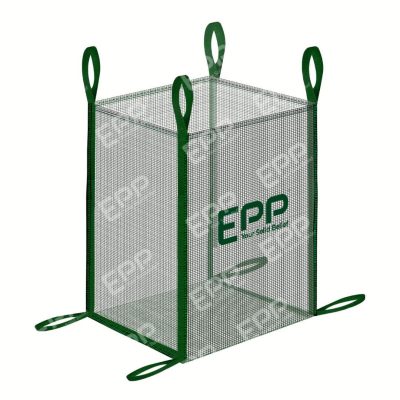
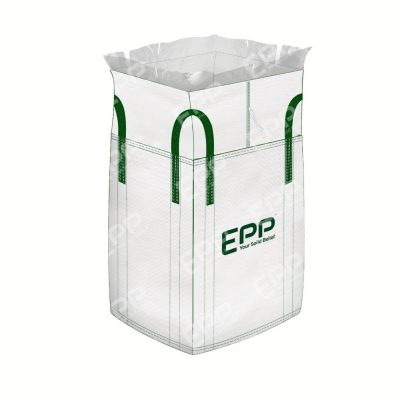
FIBC bags (Flexible Intermediate Bulk Containers) represent the backbone of modern industrial logistics and global freight. If your business deals with moving hundreds of tons of dry, flowable materials across borders, you are constantly searching for reliable, heavy-duty industrial packaging that balances high structural strength with cost efficiency. Finding a premier jumbo bag Vietnam manufacturer can completely optimize your material handling workflow.
At EPP Vietnam, we back our manufacturing with 20 years of technical experience, exporting over 6 million fibc bulk bags annually to major industrial sectors in the US, Europe, and Australia. Below is an engineering-focused roadmap to understanding, selecting, and wholesale sourcing these heavy-duty bulk containers.
What is an FIBC Bag?
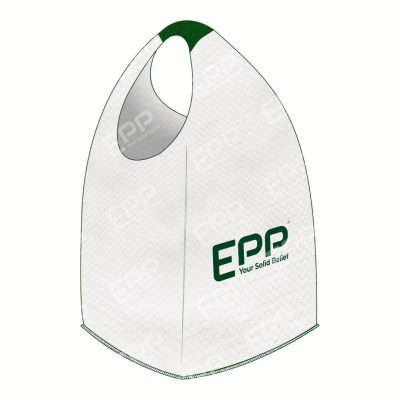
An FIBC bag—short for a flexible intermediate bulk container—is a large-dimension, structural industrial envelope engineered specifically for storing and transporting dry, free-flowing commodities. Also widely known throughout international supply chains as a jumbo bag, super sack, or a ton bag, these heavy-duty units are woven using 100% virgin polypropylene (PP) resin. This specific plastic polymer provides exceptional tensile strength while remaining incredibly lightweight.
A standard industrial bulk bag is engineered to replace hundreds of slow, manual 25kg paper sacks. Instead, it consolidates materials into a singular unit that can hold anywhere from 500 kg up to 3,000 kg (3 tons) of product safely. Forklifts or overhead crane operators can seamlessly pick up a single tonne bag using integrated top lifting loops, eliminating manual labor requirements, dramatically slashing ship loading times, and keeping your facility safe from accidental structural failure.
How Many Types of FIBC Bags Are There?
The packaging industry classifies bulk containers into four distinct categories based on their electrostatic properties. This classification is vital to prevent catastrophic static shocks or explosions during the filling and discharging of fine powders:
-
Type A Big Bags: Manufactured from standard woven polypropylene without any static protection. These are perfect for inert materials like gravel, sand, or agricultural seeds where no flammable gases or fine combustible dusts are present.
-
Type B Jumbo Bags: Made from fabric with a low breakdown voltage (less than 6kV). They prevent propagating brush discharges but do not dissipate static charge, meaning they cannot be used around flammable solvents.
-
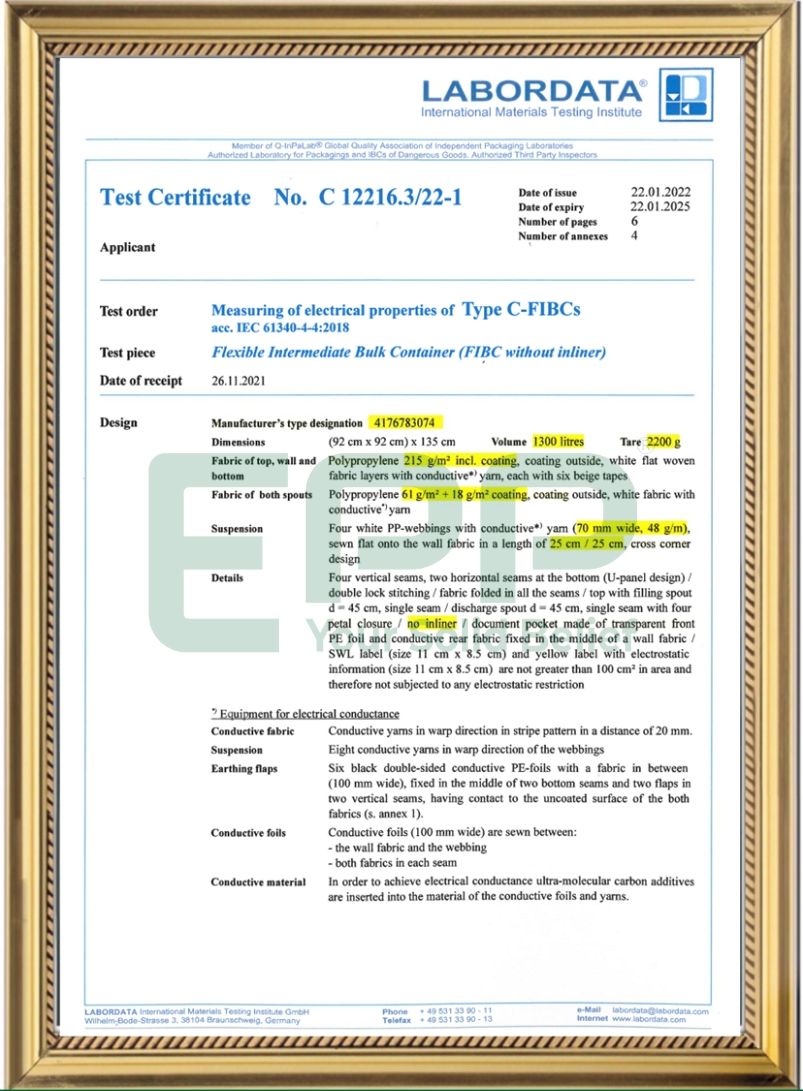
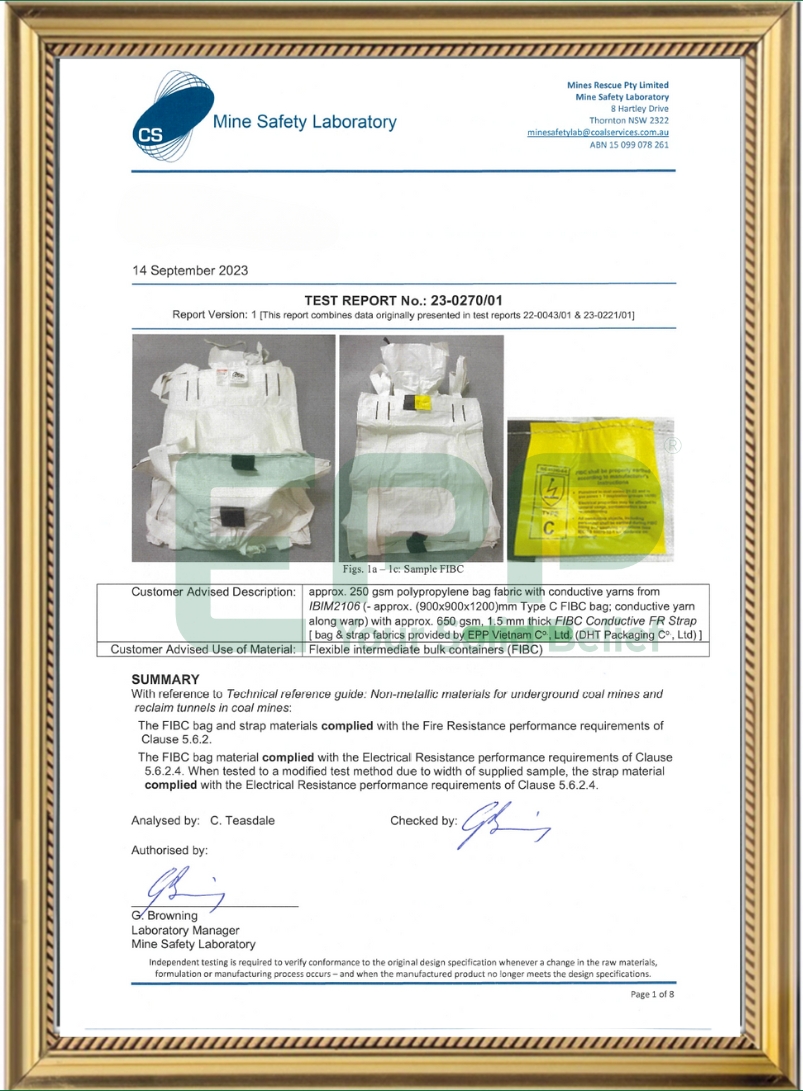
Type C Conductive Bulk Bags: Woven with interconnected conductive threads. This type requires grounding during filling and emptying. When connected to the earth, the electrical resistance to ground must measure less than 107 Ω
to safely eliminate static buildup.
-
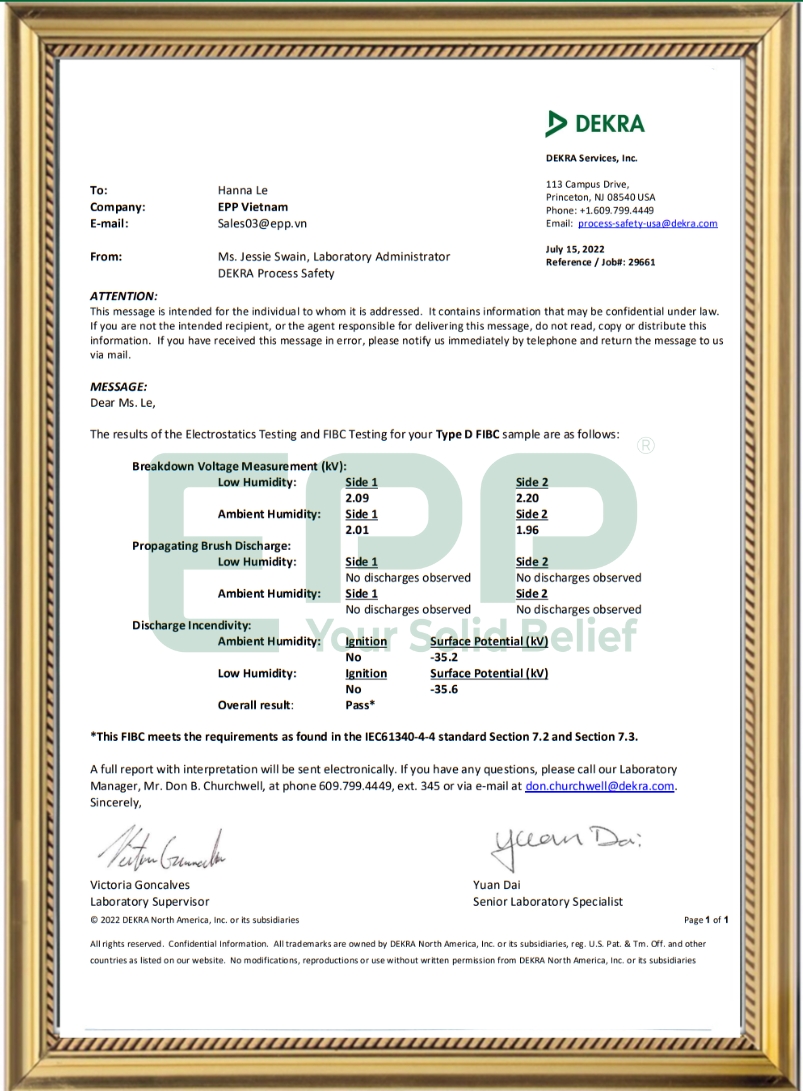
Type D Dissipative FIBC: Woven using specialized static-dissipative yarns that safely release electrostatic energy into the atmosphere via corona discharge without requiring a ground wire.
What are FIBC bags used for?
The extreme adaptability of a PP container bags system makes it indispensable across multiple heavy industries. Each sector demands precise engineering configurations to prevent contamination, withstand abrasive weights, or eliminate safety hazards:
Food and Pharmaceutical Sectors
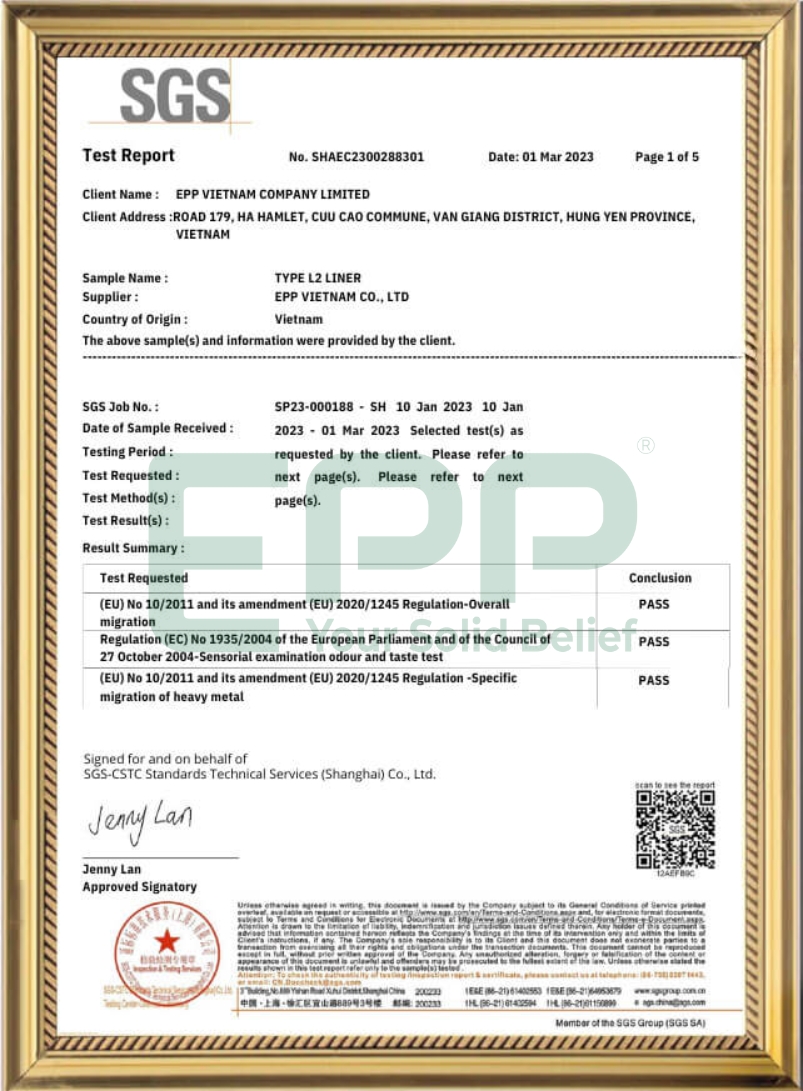
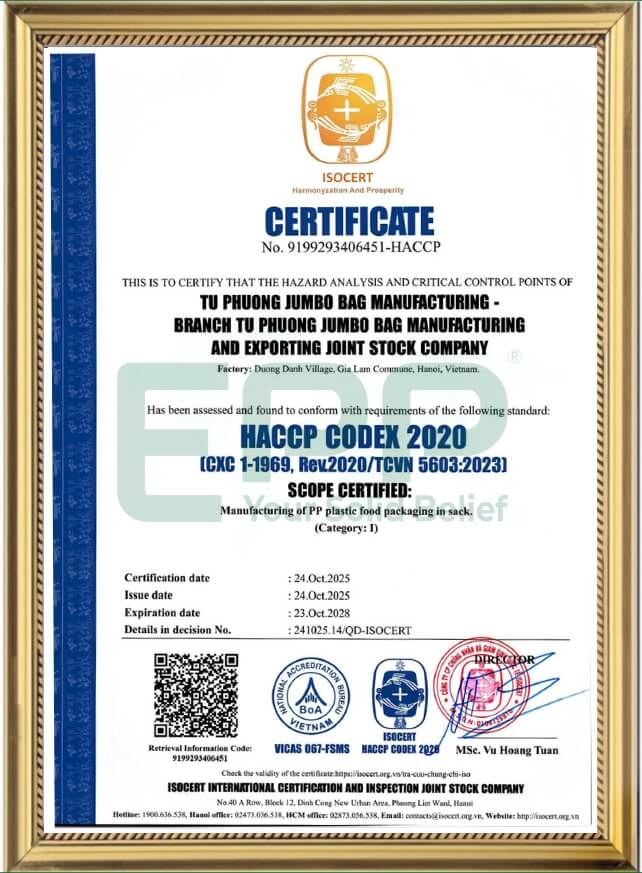
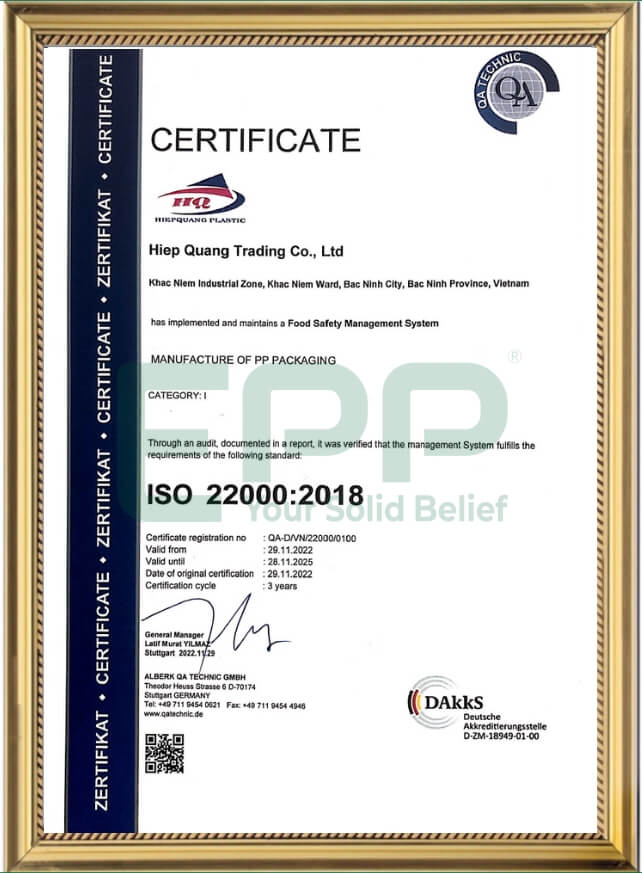
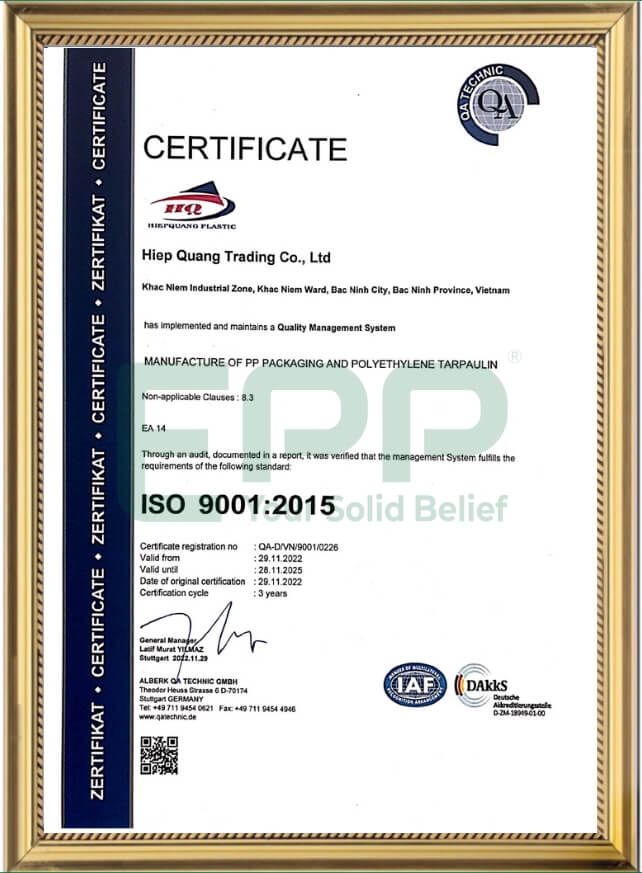
The handling of consumable ingredients demands zero tolerance for contamination. For these sectors, fibc big bags are produced in strictly monitored, pressurized cleanroom facilities. To guarantee maximum hygiene, manufacturers comply with international food safety certifications, including BRCGS (Global Standard for Packaging Materials), FSSC 22000, ISO 22000, and HACCP, alongside full FDA-approved virgin raw materials.
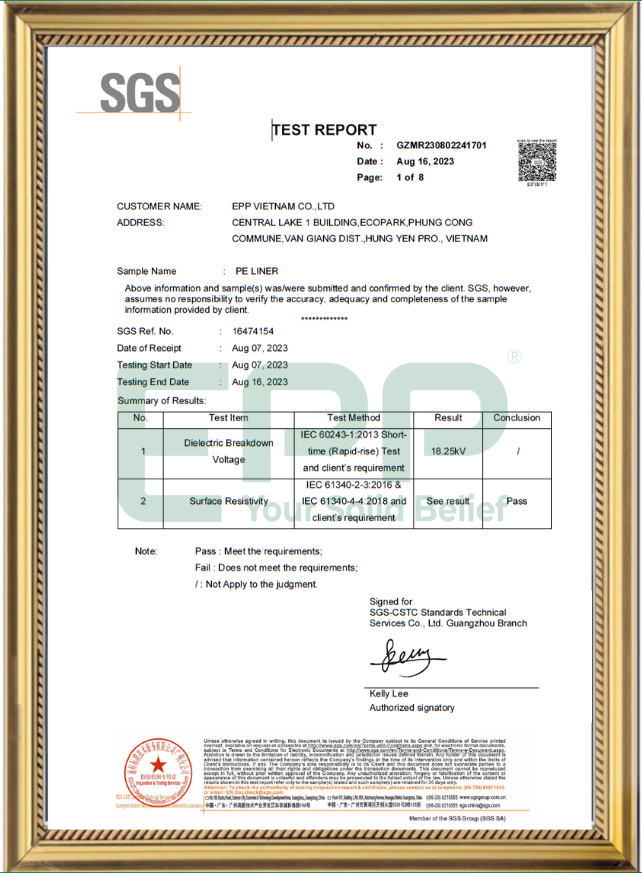
These specialized containers feature ultra-clean empty super sacks fitted with co-extruded polyethylene inner liners to block out humidity, preventing food items like milk powder, sugar, starches, spices, and active pharmaceutical ingredients (APIs) from clumping or spoiling during multi-week ocean shipments.
Chemical Industry
Transporting unstable, toxic chemical substances requires specialized UN Big Bags. These containers undergo a series of intense stress tests at independent test labs to receive an official UN Certificate, ensuring they comply with strict international transport regulations for dangerous goods (Class 4, 5, 6, 8, and 9).
The technical engineering behind these fibc super sacks includes drop tests (dropping a fully loaded bag from up to 1.2 meters), topple testing, and righting tests. They are often coupled with Type C or Type D anti-static fabrics to safely handle hazardous powders, pigments, plastic pellets, and chemical additives without sparking a factory explosion.
Construction and Infrastructure
In the civil engineering space, extreme physical durability is the primary metric. Heavy-duty builder bags or bulka bags are deployed to haul high-density materials like cement, crushed aggregate rocks, gravel, and dry concrete mixes. Because raw cement is highly sensitive to moisture and prone to fine dust leakage, we build these builders jumbo bags with special sift-proof felt cords stitched directly into the seams. This blocks fine particles from escaping while preventing wet outdoor air from hardening the material inside.
Mining and Mineral Extraction
Mining operations require some of the highest Safe Working Loads (SWL) in the packaging world, often handling between 1,500 kg and 2,000 kg per bag. These fibc sacks carry raw mineral concentrates, silica sand, limestone, copper ore, and coal. EPP Vietnam manufactures these with heavy-density woven fabrics (ranging from 200 GSM to 240 GSM) and reinforced jumbo bulk bags structures to survive rough handling by port cranes and rugged cross-country mining vehicles.
Agriculture and Horticulture
For agricultural supply chains, maintaining airflow is vital. While airtight bags protect chemicals, fresh crops like potatoes, onions, seed corn, and raw coffee beans require breathing room. For these applications, mesh bags wholesale options and ventilated bulk bags are engineered with specialized air vents woven directly into the fabric, preventing the buildup of mold and mildew during long-distance transit.
Why you should buy bulk bag at EPP Vietnam?
Sourcing your wholesale bulk bags from EPP Vietnam provides clear economic and quality benefits over other Asian manufacturing hubs. Our modern production facilities span over 30,000 square meters and house advanced manufacturing equipment, including high-speed Starlinger tape extrusion and weaving lines. This allows us to supply a massive capacity of 6 million fibc containers annually.
Expert FAQ
How strong are FIBC bags?
Standard bulk fibc bags are exceptionally strong, typically engineered to carry Safe Working Loads (SWL) ranging from 500 kg to 2,000 kg (2 metric tons). Under international ISO 21898 safety rules, a single-trip ton bag with a 5:1 Safety Factor must withstand a crushing pressure of 5 tons before bursting.
Can I reuse an empty jumbo bag?
Yes, but only if the bag is explicitly labeled with a 6:1 Safety Factor (Multi-trip). If the tracking label states 5:1 SF (Single-trip), the container must be discarded after its initial discharge to prevent hazardous fabric fatigue failures.
What is the difference between a bulk bag and a super sack?
There is no difference. Bulk bag, super sack, FIBC jumbo bag, and bulka bag are regional synonyms for the exact same industrial packaging type: an FIBC.
How do I store empty bulk bags before filling them?
Empty jumbo bags must always be stored indoors, completely away from direct sunlight, standing water, and sharp objects. Even with heavy UV-stabilizer additives mixed into our polypropylene yarn, prolonged outdoor storage will degrade the plastic over time.
Secure Your Wholesale Supply Chain
Upgrading your company’s material handling to a certified vietnam bulk bag system cuts down on product loss, speeds up loading times, and lowers your total shipping costs per ton. EPP Vietnam supplies competitive factory-direct pricing for high-volume orders.
Contact our engineering and sales specialists today to receive a custom technical drawing and an official wholesale quote within 24 business hours!