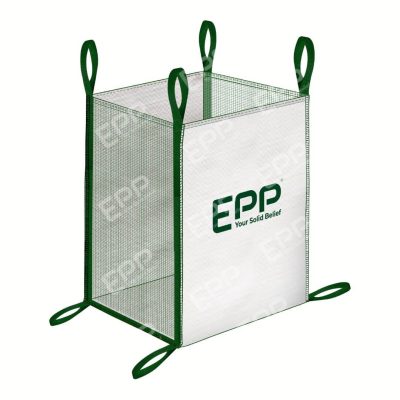


Fertilizer bulk bags are an essential tool in the agricultural industry, providing an effective method for storing, handling, and transporting various types of fertilizers. These large, durable bags are designed specifically for bulk materials, making them a preferred choice for farmers, suppliers, and distributors. In this article, we will explore what fertilizer bulk bags are, their advantages, proper handling techniques, and address some common questions regarding their use.
What Are Fertilizer Bulk Bags?

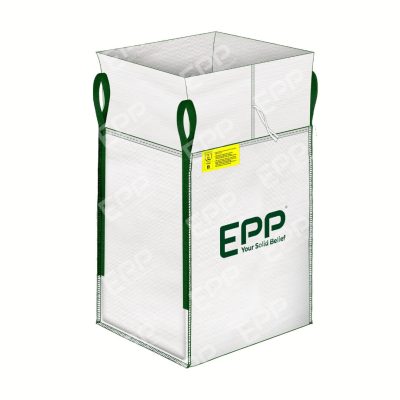
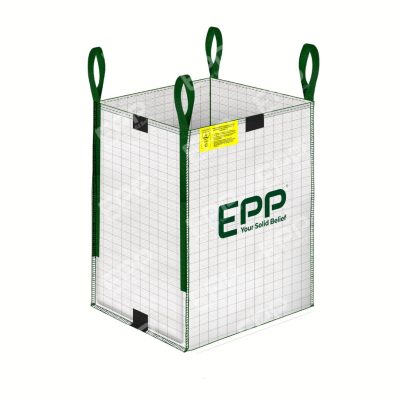
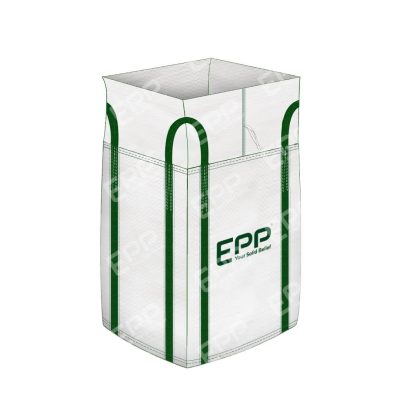
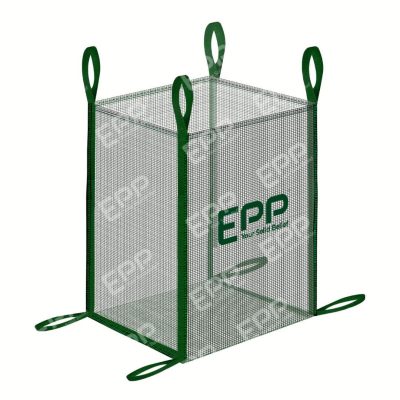
Fertilizer bulk bags, also known as FIBC (Flexible Intermediate Bulk Containers), are large, flexible containers made from woven polypropylene or similar materials. They are designed to hold significant quantities of fertilizer, typically ranging from 500 kg to 2000 kg (1 ton to 2 tons). These big bags often feature lift loops, making them easy to handle with forklifts or other lifting equipment.
Fertilizer bulk bags are suitable for a variety of fertilizer types, including granular, powdered, and even liquid fertilizers when properly lined. Their robust construction ensures that they can withstand the weight and characteristics of different fertilizers, providing a safe and reliable storage solution.
| Material | 100% virgin PP or lamination fabric |
| Fabric weight ‹g/sq.m.› | 80-260g/m2 |
| Denier | 700D-1800D |
| Dimension | Regular size:85*85*90cm/90*90*100cm/95*95*110cm, or customized |
| Construction | 4-panel/U-panel/circular/Tubular/rectangular shape or customized |
| Top Option ‹Filling› | Top Fill Spout/Top Full Open/Top Fill Skirt or customized |
| Bottom Option‹Discharge› | Flat Bottom/Flat Bottom/With Spout/Conical Bottom or customized |
| Loops | 2or4 belts,cross corner loop/Double stevedore loop/side-seam loop or customized |
| Ropes | 1or2 around bags body, or customized |
| Safety Factor | 5:1 /6:1/3:1/8:1 or customized |
| Load capacity | 500kg-3000kg |
| Color | White, or customized |
| Printing | 1-4 sides in multi-colors with film or non film, Bopp or PE laminated printing,
Made on demand |
Advantages of Fertilizer Bulk Bags
Using bulk fertilizer bags offers numerous benefits that enhance efficiency, safety, and sustainability. Here are some key advantages:
Cost-Effectiveness
Purchasing fertilizer in big bag fertilizer format can lead to substantial cost savings. Buying in bulk often reduces the price per ton compared to smaller bags, allowing farmers and distributors to manage their budgets more effectively. This cost efficiency is particularly beneficial for large-scale agricultural operations that require significant quantities of fertilizer.
Space-Saving
When properly stored, large bags of fertilizer optimize space usage. Their stackable design allows for efficient use of vertical space in warehouses or storage facilities. This organization helps maintain a tidy workspace and makes it easier to access fertilizer when needed.
Quality Preservation
High-quality 1 ton fertilizer bags protect the fertilizer from moisture and contamination. Properly sealed bulk bags help maintain the integrity of the fertilizer, ensuring it remains effective for longer periods. This is especially important for sensitive fertilizers that can degrade when exposed to environmental factors.
Environmental Benefits
Using big bags for fertilizer reduces packaging waste. By opting for bulk over individual bags, companies can significantly decrease the amount of plastic waste generated, contributing to more sustainable practices in agriculture.
Versatility
Fertilizer big bag lifter can be used for various types of fertilizers, including organic, chemical, and manure-based products. Their versatility makes them suitable for different applications, from large agricultural operations to small gardening projects.

How to Properly Handle Fertilizer Bulk Bags
Handling fertilizer bulk bags requires care to ensure safety and efficiency. Here are some best practices for proper handling:
1. Use Appropriate Equipment
Always use the right equipment, such as forklifts or pallet jacks, to lift and transport fertilizer bulk bags. This ensures safe lifting and minimizes the risk of injury. Ensure that your lifting equipment is rated for the weight of the bag and is in good working condition.
2. Inspect Before Use
Before handling fertilizer bulk bags, inspect them for any signs of damage or wear. Check the seams, lifting loops, and overall integrity of the bag. Using damaged bags can lead to spills and safety hazards.
3. Proper Positioning
When storing big bags of fertilizer, place them on a clean, dry surface. Ensure that the bags are stable and not at risk of tipping or falling. If stacking bags, make sure they are arranged securely to prevent any accidents.
4. Filling the Bags
When filling bulk bags, do so gradually to avoid overloading. Distribute the fertilizer evenly to maintain the bag’s shape and prevent damage during transport. Use a funnel or chute for more controlled filling.
5. Lifting Techniques
When lifting fertilizer jumbo bags, ensure that all lifting loops are intact. Use a forklift or a bag lifter to pick up the bag, ensuring it is balanced before moving. Avoid lifting the bag manually to prevent strain or injury.
Some Common Questions About Fertilizer Bulk Bags

What Type of Bulk Bag Should Be Used for Storing Fertilizer?
The most common types of bulk bags for storing fertilizer are 1-loop big bags and UN big bags. 1-loop big bags are simpler and more economical, suitable for general use. UN big bags, on the other hand, are designed for hazardous materials and provide additional safety features. Choose the type based on the fertilizer’s characteristics and any regulatory requirements.
Who Should Use FIBC Bags of Fertilizer?
Fertilizer bulk bags are ideal for various stakeholders in the agricultural industry, including:
- Farmers: For bulk storage and application of fertilizers.
- Distributors: For transporting large quantities of fertilizer to retailers or directly to consumers.
- Landscapers: Who require efficient handling of fertilizers for large projects.
How Do You Lift the Fertilizer Jumbo Bag?
To lift fertilizer jumbo bags, use a forklift or specialized bag lifter. Ensure that the lifting loops are securely attached and that the bag is balanced before lifting. Always follow safety protocols to prevent accidents and ensure safe handling.
Conclusion
In conclusion, fertilizer bulk bags provide an efficient and practical solution for storing and transporting fertilizers. Their durability, cost-effectiveness, and versatility make them essential for various applications in agriculture.
For detailed consultation and quotations tailored to your specific needs, contact EPP Vietnam today. We offer a wide range of FIBC bags, including fertilizer bulk bags and other bulk solutions, ensuring you have the right packaging for your projects. Let us help you optimize your material handling and enhance your operational efficiency!