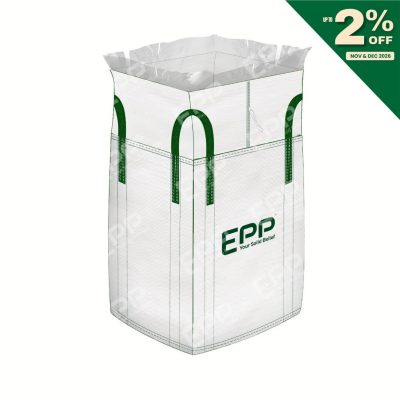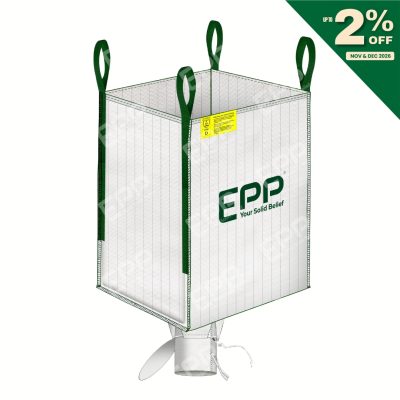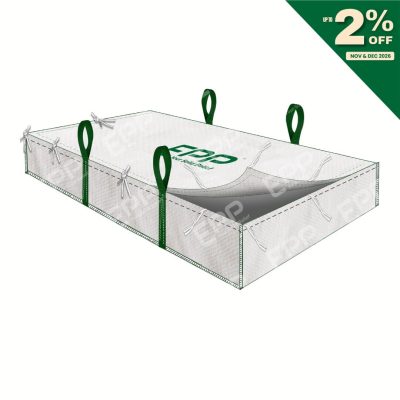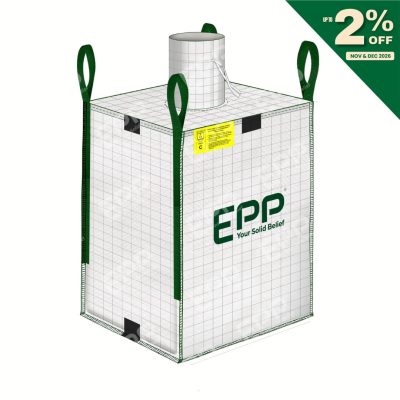






In the commercial firewood and timber industry, managing log moisture is the single greatest challenge impacting product value and freight costs. Transporting or storing green, freshly cut timber in standard, unventilated packaging traps internal moisture, leading to rapid mold growth, wood rot, and degraded burning performance.
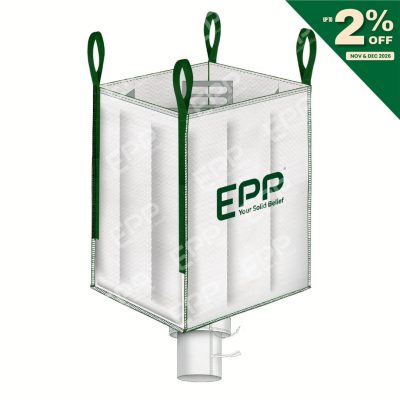
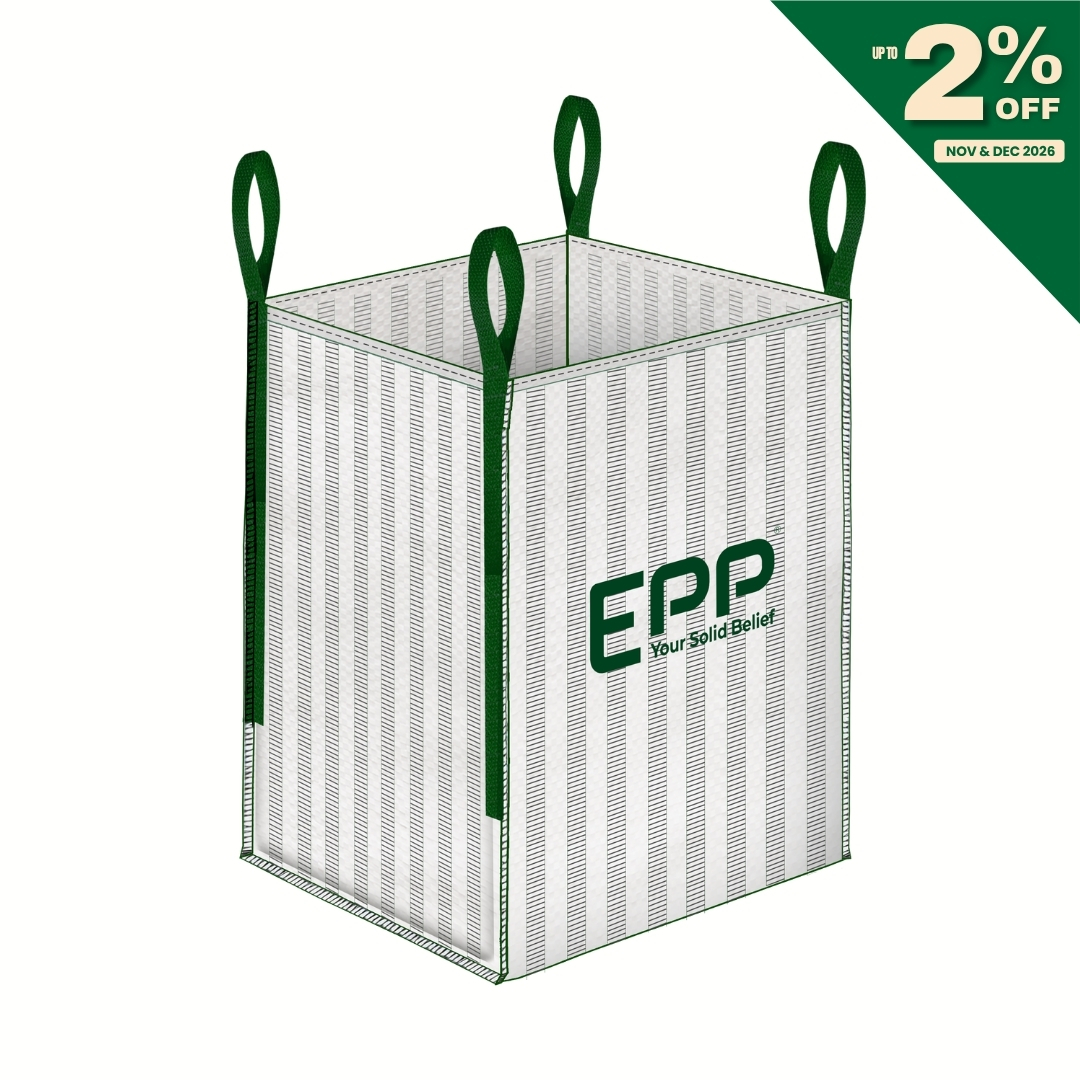
EPP Vietnam’s Ventilated Firewood Bulk Bags deliver a heavy-duty, breathable Flexible Intermediate Bulk Container (FIBC) packaging solution engineered to accelerate natural air-drying, protect timber quality, and streamline high-volume B2B logistics.
What Are Ventilated Firewood Bulk Bags?
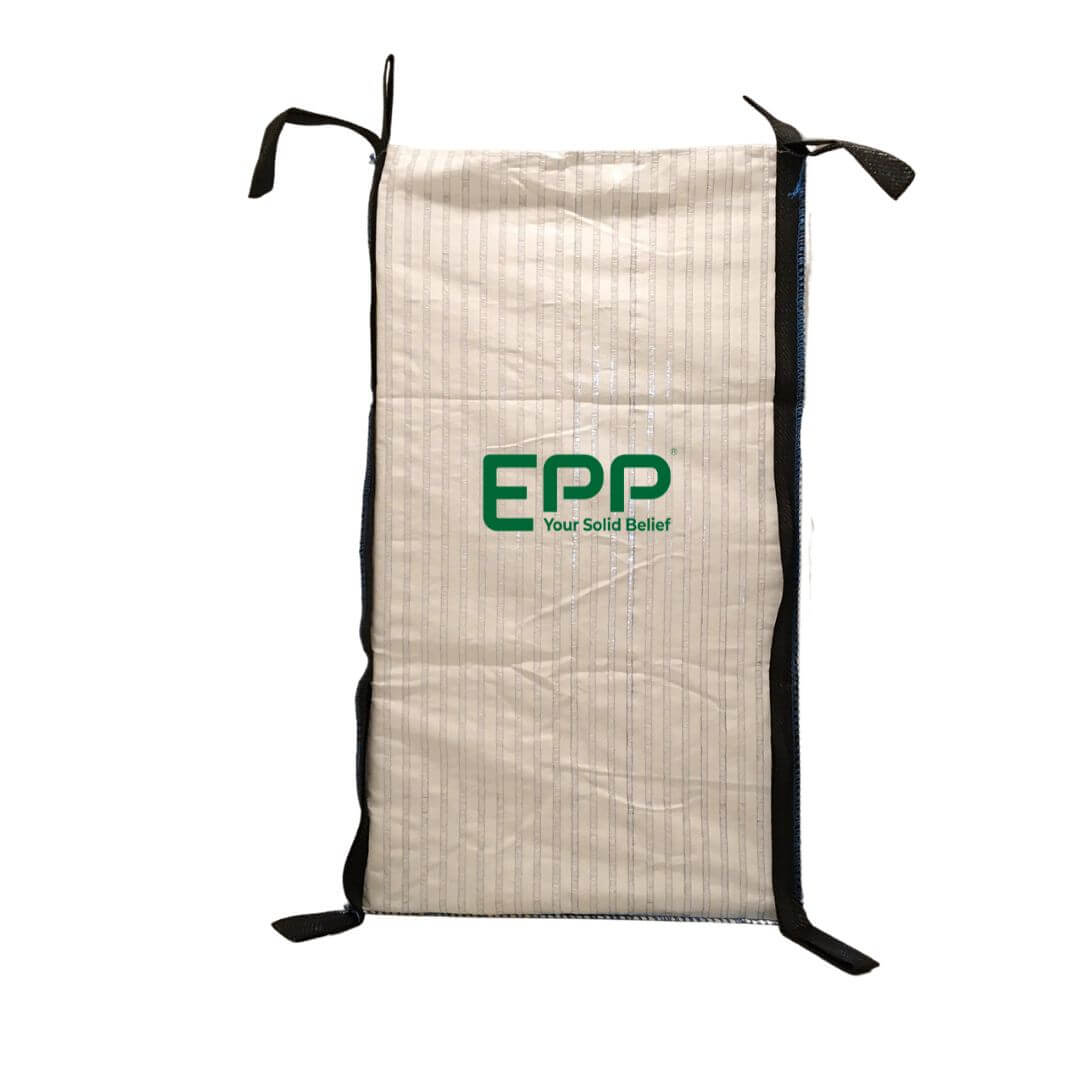
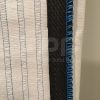
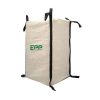
A ventilated firewood bulk bag—also widely designated as a vented bag—is a heavy-duty FIBC purpose-built to hold, season, and ship timber products. Unlike conventional polypropylene (PP) bulk sacks made with impermeable, solid-woven fabric, these breathable containers feature ventilated side panels constructed from narrow-stripe vented PP fabric or heavy-duty mesh netting.
Freshly cut logs carry moisture levels ranging from 45% to 60%. Enclosing green wood in standard solid packaging creates a humid microclimate that leads to wood rot. Using a ventilated bag or ventilated bulk bag allows air to circulate 360 degrees through the container. Ambient air currents pull moisture away from the wood, dropping moisture levels below 20% right inside these firewood storage bags.

Technical Specifications Sheet for Firewood FIBC Bags
Selecting the correct bag specification ensures structural integrity when lifting heavy timber, prevents punctures from sharp log ends, and optimizes drying performance across different biomass products.
|
Material
|
PP and PE
|
|
Top
|
Filling spout, skirt, duffle at buyers request
|
|
Bottom
|
Discharging spout, flat bottom at buyers request
|
|
Loop
|
Single loop, two loops or 4 loops etc at buyers request
|
|
Mesh density
|
10×10-16×16/sq.inch
|
|
Denier
|
>=700D–2000D
|
|
Thickness
|
>=80g/sq.m-300g/sq.m
|
|
Width
|
80cm-400cm
|
|
Length
|
at buyer’s requests
|
|
Height
|
at buyer’s requests
|
|
Lamination
|
PE or PP film at buyer’s requests
|

Why You Should Choose Ventilated FIBC bags for Timber?
Transitioning from traditional wooden crates or small manual sacks to commercial ventilated fibc bags offers key logistical and operational advantages:
-
Drastically Reduces Seasoning Time: Continuous air penetration through vented bags accelerates outdoor drying, cutting seasoning periods from 12 months down to 3–4 months.
-
Prevents Mold and Quality Losses: Uninhibited air movement eliminates trapped condensation, preventing dark surface mold and preserving the calorific heat value of hardwood chips bulk bag shipments and log stocks.
-
Streamlines High-Volume Handling: Replacing small mesh sacks with a large firewood bag or builders bag of wood allows forklift operators to load, move, and stack 1-tonne units up to 75% faster.
-
Supports Diverse Biomass Media: Purpose-built designs safely accommodate wood chip bulk bags materials, builders bag of wood chippings, and bulk bag wood pellets while maintaining container stability.

Key Factors Influencing Wholesale Firewood Bag Pricing
Evaluating wholesale pricing for ventilated firewood bulk bags requires looking beyond baseline unit quotes to understand the technical specifications and manufacturing variables that drive total production costs.
- Polypropylene (PP) Resin & GSM Weight: The primary cost component is pure polypropylene resin. Fabric weight, measured in Grams per Square Meter (GSM), determines total resin consumption per bag. Standard strip-ventilated fabric (140 to 180 GSM) uses standard loom configurations, keeping costs lower. Conversely, heavy-duty full-mesh netting (180 to 220+ GSM) requires specialized high-tenacity weaving processes and additional raw material weight, driving a 10% to 15% price premium.
- UV Inhibitor Dosage: Firewood bags sit outdoors in drying yards for months. Formulating PP resin with 2% to 3% UV additives (such as Hindered Amine Light Stabilizers) protects the fabric and lifting loops against sunlight breakdown for up to 300 hours. Omitting or reducing UV additives lowers upfront manufacturing costs but drastically shortens outdoor service life.
- Safety Factor (5:1 Single-Trip vs. 6:1 Reusable): A single-trip bag (5:1 SF) uses standard seam stitching designed for one-way transport. Multi-trip reusable bags (6:1 SF) cost 10% to 20% more to produce because they incorporate reinforced perimeter seams, heavier thread denier, and heavy-duty loop webbing to survive 3 to 5 seasonal drying cycles.
- Custom Construction Features: Bag geometry and closure options directly affect labor and material charges. Features like cross-corner loops, bottom discharge spouts with flap protection, top duffle skirts for weather protection, and custom multi-color printing plates add incremental manufacturing steps.
- Order Volume & Container Freight: Ordering full container loads (FCL, approximately 4,000 to 7,000 bags) optimizes extrusion setup times and maximizes shipping container density, significantly reducing per-unit freight costs compared to smaller Less-than-Container-Load (LCL) shipments.
Frequently Asked Questions About bulk bags of firewood
1. What are ventilated firewood bulk bags made of?
Firewood big bags are typically made from durable woven polypropylene or similar materials that are designed to withstand the elements while allowing for airflow.
2. How much firewood can a ventilated bulk bag hold?
The capacity of a ventilated firewood bulk bag can vary, but most standard bags can hold between 1 to 2 cubic meters of firewood, depending on the size and design of the bag.
3. Can I use these bags for other materials?
Yes, ventilated firewood bulk bags can be used for storing various bulk materials, including mulch, compost, and agricultural products, thanks to their breathable design.
4. How do I clean my ventilated firewood bulk bags?
Cleaning is simple; you can shake out any debris and, if necessary, wash the bags with soap and water. Ensure they are completely dry before storing them again.
5. Are ventilated firewood bulk bags weather-resistant?
Yes, these bags are designed to withstand various weather conditions, but it’s always best to store them in a sheltered area to prolong their life and maintain the quality of the firewood.
6. Where to buy big bags for firewood in wholesale quantities?
When evaluating where to buy big bags for firewood, source directly from established manufacturers like EPP Vietnam. Working with a direct producer gives you access to large-scale manufacturing capacity, ISO-certified quality assurance, and custom bag dimensions tailored to your timber handling setup.
Ventilated firewood bulk bags are an invaluable asset for anyone serious about firewood storage. Their unique design allows for optimal ventilation, preventing moisture buildup and ensuring your firewood remains dry and ready for use. With numerous advantages, including cost-effectiveness, environmental benefits, and versatility, these bags are the ideal choice for both homeowners and businesses alike.
If you’re looking for high-quality firewood tonne bags tailored to your specific needs, we encourage you to contact EPP Vietnam. Our team is ready to provide detailed consultations and quotations to help you find the perfect FIBC bags for your requirements. Don’t compromise on the quality of your firewood storage—reach out to us today!
Website: epp.vn
Alibaba website: https://eppvietnam.trustpass.alibaba.com/
Email: [email protected] Hotline/ Whatsapps: +84 986 002 888