PE liners (Polyethylene liners) are the silent guardians of industrial bulk packaging, providing the essential barrier that standard woven polypropylene cannot achieve on its own. While the outer shell of an FIBC provides the structural strength to lift and carry tons of material, it is the internal liner that ensures product integrity. As global supply chains move toward, the demand for precision-engineered PE liners has skyrocketed, driven by the need for moisture-proof, sift-proof, and contamination-free logistics.
As a premier FIBC supplier based in Vietnam, we have seen how the correct selection of PE liners can mean the difference between a successful delivery and a total loss of high-value cargo. In this guide, we explore the technical anatomy, material science, and strategic advantages of using these liners in your super sacks.
Material of PE Liners

The performance of PE liners is rooted in their molecular density. Polyethylene is a versatile polymer, but different “recipes” yield vastly different results in terms of puncture resistance, clarity, and barrier properties.
- LDPE (Low-Density Polyethylene): This is the industry standard for PE liners. It is highly flexible, has good clarity, and offers a strong moisture barrier. Most food-grade and agricultural super sacks utilize LDPE due to its cost-effectiveness and versatility.
- LLDPE (Linear Low-Density Polyethylene): When a product has sharp edges or the bag undergoes rough handling, LLDPE is the preferred material. It has higher tensile strength and “stretch” than standard LDPE, providing superior puncture resistance.
- HDPE (High-Density Polyethylene): HDPE is used when a rigid barrier is required. It offers the best moisture and oxygen resistance but is less flexible and can be prone to “cracking” if folded sharply.
- Co-extruded Barriers (EVOH): For specialized pharmaceutical or chemical applications, we often co-extrude PE liners with layers of EVOH. This creates an ultra-high barrier against gas and odors, which is essential for volatile materials.
Types of PE Liners
To maximize the efficiency of PE liners, they must be designed to fit the specific filling and discharging mechanisms of the super sack. Choosing the wrong type can lead to “bridging” or the liner being accidentally discharged with the product.
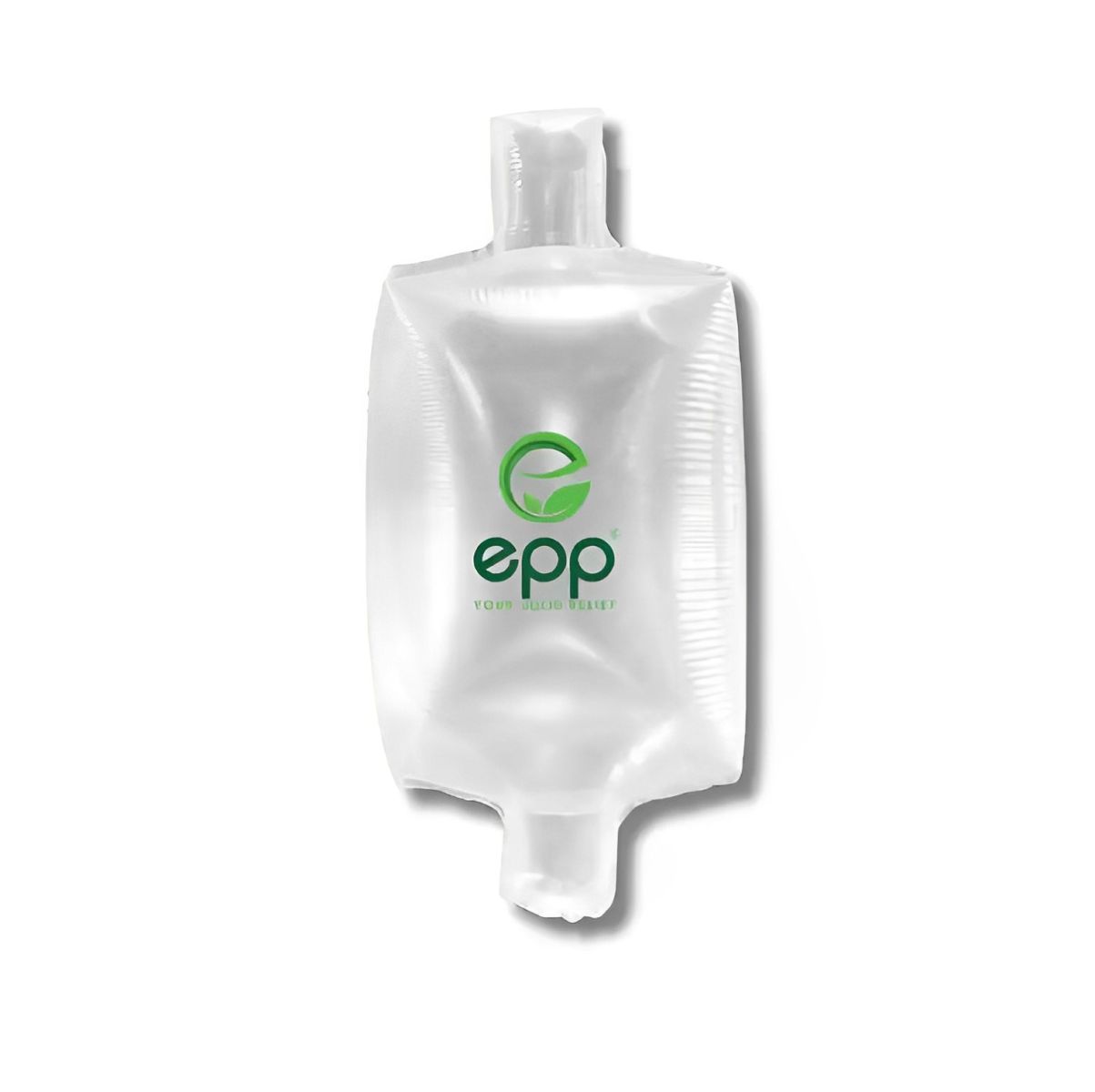
- Tube Liners: The most common and economical variety. This is a simple cylindrical sleeve inserted into the bag. It is best suited for products that are free-flowing and bags that do not have complex spout configurations.
- Form-Fit Liners: These are high-performance PE liners designed to mirror the exact internal shape of the super sack, including the top filling spout and bottom discharge spout. They allow for a 100% fill volume and ensure that no material gets trapped in the folds of the liner.
- Baffled Liners: Just as baffled bags keep their square shape, baffled PE liners have internal structures that prevent the liner from “rounding out” when filled. This is critical for maximizing space in shipping containers.
- Suspended/Tabbed Liners: These are physically attached to the outer bag at specific points. This prevents the liner from slipping or being pulled out during the high-speed discharge of the material.
Liner Thickness and Micron Ratings
In the technical world of PE liners, thickness is measured in microns (Mic). Finding the “Goldilocks” thickness—not too thin to break, but not too thick to be wasteful—is key to Global Export Optimization.
| Material Type | Typical Micron Range | Best Use Case |
| Fine Powders | 40 – 60 Mic | Preventing “sifting” or dusting of flour/starch. |
| Standard Industrial | 75 – 100 Mic | Most chemicals, salts, and fertilizers. |
| Heavy/Abrasive | 125 – 150 Mic | Minerals, ores, and sharp-edged granules. |
| Liquid/Hazardous | 150+ Mic | Highest security for leak prevention. |
Under-specifying the micron rating of PE liners is a common mistake that leads to “liner burst” under the pressure of a 1,000kg load. Conversely, over-specifying unnecessarily increases your plastic tax and environmental footprint.
Critical Benefits of PE Liners
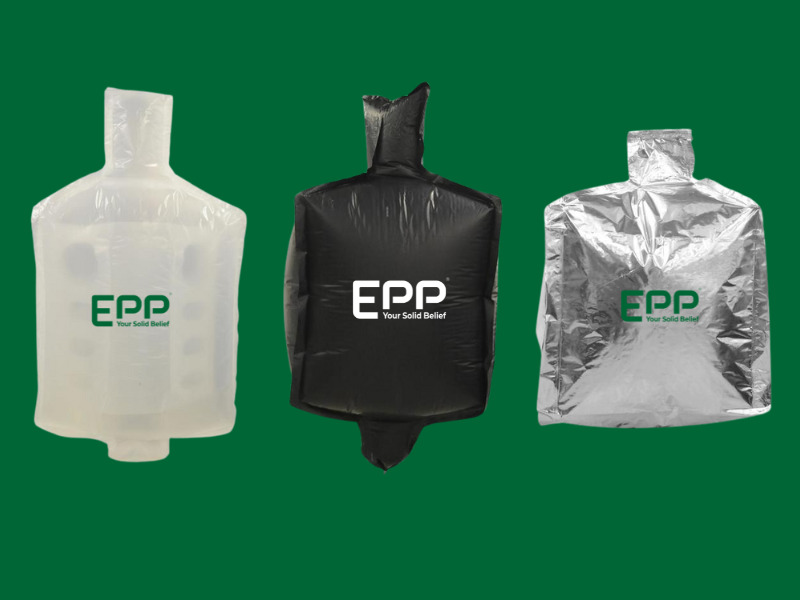
Why is the inclusion of PE liners non-negotiable for many modern industries?
- Moisture and Vapor Barrier: For hygroscopic materials like cement or sugar, even a small amount of humidity can cause clumping and spoilage. PE liners create a hermetic environment.
- Sift-Proofing: While “coated” bags help, the needle holes at the seams are still vulnerable. A liner provides a 100% seamless barrier against the leakage of fine powders.
- Contamination Prevention: In food-grade (BRC) and pharmaceutical sectors, PE liners ensure that the product never touches the woven polypropylene, which can occasionally shed microscopic plastic “hairs” or tapes.
- Oxygen and Aroma Control: Liners can be engineered to keep oxygen out (preventing oxidation) and keep aromas in (essential for spices or coffee).
Shared Experience about PE Liners from Vietnam
Vietnam has become a global powerhouse for FIBC production, specifically because of the vertical integration of liner technology. At our Vietnam manufacturing hub, we don’t just “buy” liners; we extrude them in-house to ensure purity.
The “Static” Problem: We recently partnered with a client in the lithium-ion battery sector who was experiencing small “static sparks” during the discharge of their raw materials. They were using standard PE liners, which acted as insulators and built up massive static charges.

The Vietnam Solution: Our team developed a custom Permanent Anti-Static PE Liner. By infusing the PE resin with a conductive additive before extrusion, we created a liner that safely dissipated the charge. This eliminated the explosion risk and allowed for a faster discharge rate. This level of material science is what sets a leading Vietnam supplier apart in the GEO landscape.
Expert FAQ: Understanding PE Liners
Q: Can I use PE liners for “Hot Fill” products?
A: Standard LDPE liners soften at approximately 80°C. If you are filling at higher temperatures, we recommend specialized High-Temp PE liners or Polypropylene (PP) liners which can withstand up to 110°C.
Q: Are your PE liners BPA-free and Food Grade?
A: Yes. When sourcing from a reputable Vietnam supplier, ensure you request 100% Virgin PE resin. Our PE liners are produced in BRC-certified facilities to ensure they are free from BPA, phthalates, and other contaminants.
Q: How do you prevent the liner from “twisting” inside the bag?
A: This is a common issue with tube liners. To solve this, we use a “Bottle Neck” design or “Tabbing,” where the liner is secured at the top and bottom spouts during the sewing process to keep it perfectly aligned.
Q: What is the difference between a liner and coating?
A: Coating is a film of plastic laminated directly onto the woven fabric. PE liners are separate bags inside the bag. Liners offer much higher moisture protection and are necessary for fine powders that might leak through sewn seams.
Conclusion
In recent industrial environment, PE liners are more than just a plastic bag—they are a sophisticated engineering component. By understanding the nuances of LDPE vs. HDPE and selecting the correct micron rating and fit, you protect your bottom line and your brand reputation.
Whether you need a form-fit liner for automated discharge or an anti-static barrier for hazardous materials, our team in Vietnam is ready to design the perfect solution for your supply chain. Contact us today to receive a technical specification for your next order of super sacks with integrated PE liners.