
Weed mat in vegetable garden is an essential tool for gardeners seeking to maintain healthy crops while minimizing weed growth. Using a weed mat can significantly reduce the time and effort spent on weeding, allowing you to focus on nurturing your plants. However, like any gardening solution, it comes with its own set of advantages and drawbacks.

Weed Mat in Vegetable Garden: Pros and Cons
Pros
- Weed Suppression: One of the primary benefits of using a weed mat in vegetable garden is its ability to block sunlight, which prevents weed seeds from germinating. This reduces competition for nutrients and water, leading to healthier vegetable plants.
- Soil Moisture Retention: A weed mat helps retain moisture in the soil, reducing the need for frequent watering. This is particularly beneficial in hot climates where evaporation can be a concern.
- Temperature Regulation: Weed mats can help regulate soil temperature, keeping it cooler in the summer and warmer in the winter. This can create a more stable environment for your vegetable plants.
- Erosion Control: By preventing soil erosion, weed mats help maintain soil integrity, especially in sloped garden beds.
Cons
- Cost: While effective, weed mat in vegetable garden can be more expensive than traditional mulching methods. However, the long-term benefits often outweigh the initial investment.
- Installation Challenges: Proper installation is crucial for effectiveness. If not laid correctly, mats can shift or bunch up, allowing weeds to penetrate.
- Limited Lifespan: Depending on the material, some weed mats may degrade over time, requiring replacement. It’s essential to choose high-quality options for longevity.
- Moisture Build-Up: If not monitored, weed mats can sometimes trap excess moisture, leading to potential rot in the underlying soil.
What is the Best Weed Barrier for Organic Vegetable Gardens?
When cultivating an organic vegetable garden, the choice of weed barrier is crucial; the material must align perfectly with organic gardening principles. The most effective and compliant options are those that control weeds while being non-toxic and biodegradable, ensuring the long-term health of your soil.
For a durable, reusable solution, woven weed fabric is an excellent choice. This material allows both air and water to penetrate freely, which is vital for soil health and plant roots, yet remains highly effective at blocking weed growth. Another top-tier option is jute mats. Made entirely from natural fibers, these mats will gradually decompose over time, actively enriching the soil as they break down while providing reliable weed control throughout the season.
For gardeners seeking a simple, cost-effective, and readily available solution, layered cardboard or newspaper works well. These common materials serve as an effective, temporary weed barrier that fully breaks down, ultimately adding valuable organic matter back into the soil. Regardless of your choice, always ensure the barrier is made from non-toxic materials to maintain the integrity of your organic garden.
How to Use Weed Mat in Vegetable Garden
Using a weed mat in vegetable garden is straightforward. Here’s a step-by-step guide:
Step 1: Prepare the Ground
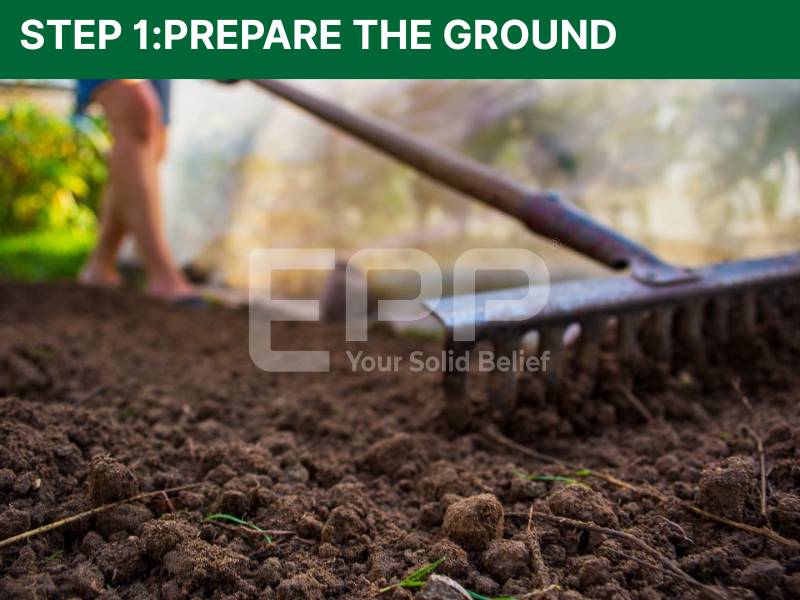
- Till and Level: Till the soil and ensure the ground is smooth and level. This prevents water pooling and pockets where weeds can grow.
- Measure and Cut: Measure and cut the fabric to fully cover the planting area. Allow for overlap if using multiple pieces, or ensure it goes up the sides if you have raised beds.
Step 2: Secure the weed mat
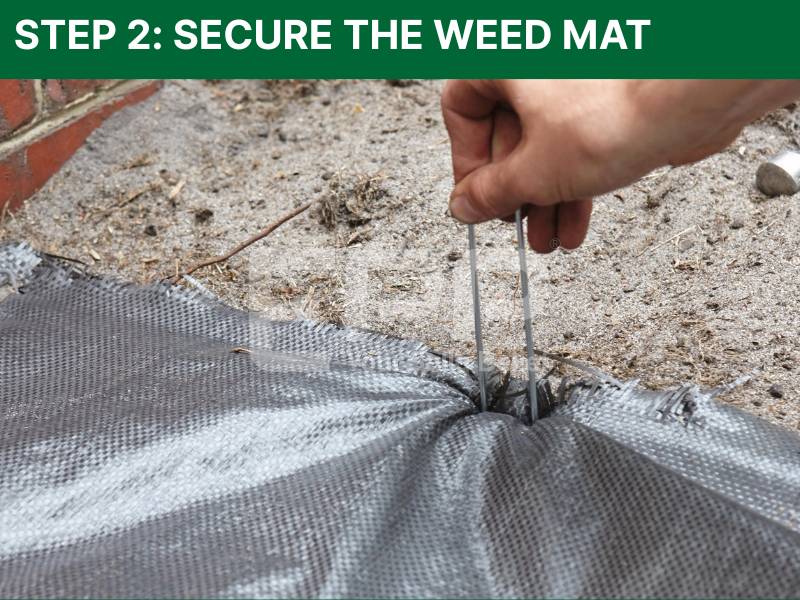
- Lay Taut: Roll the weed mat over the prepared soil, ensuring it is taut and flat.
- Pin Down: Use landscape staples or garden pins to secure the fabric. Pay special attention to the edges and any overlapping seams to prevent lifting.
- Tip for Raised Beds: Secure the edges by attaching thin wooden strips (furring strips) with screws along the frame to eliminate gaps.
Step 3: Plant Your Seedlings
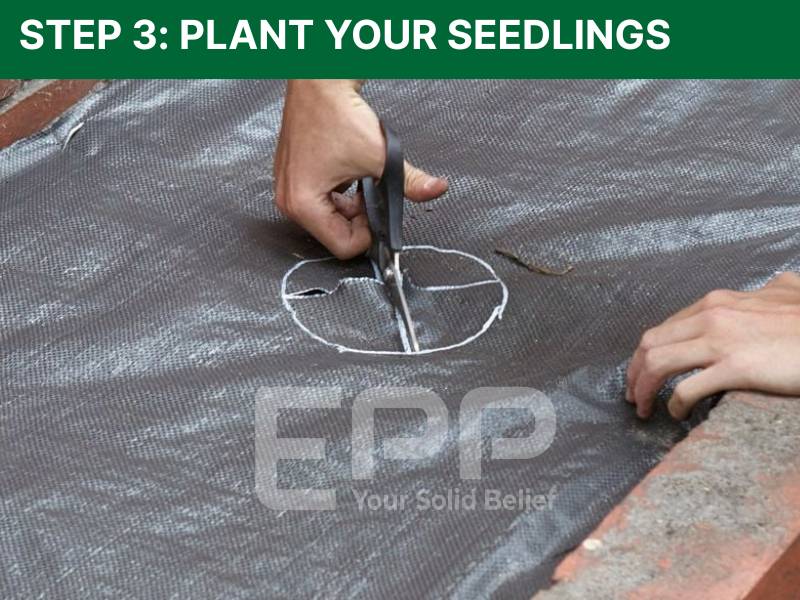
- Plan Layout: Determine the precise spacing and location for each vegetable plant.
- Cut Openings: Use scissors or a propane torch (to prevent fraying) to cut a small “X” or “T” shape opening in the fabric for each plant.
- Plant: Fold the flaps back, dig a hole in the soil beneath, place your seedling, and then fold the fabric flaps back snugly around the base of the plant.
Step 4: Water and Maintain
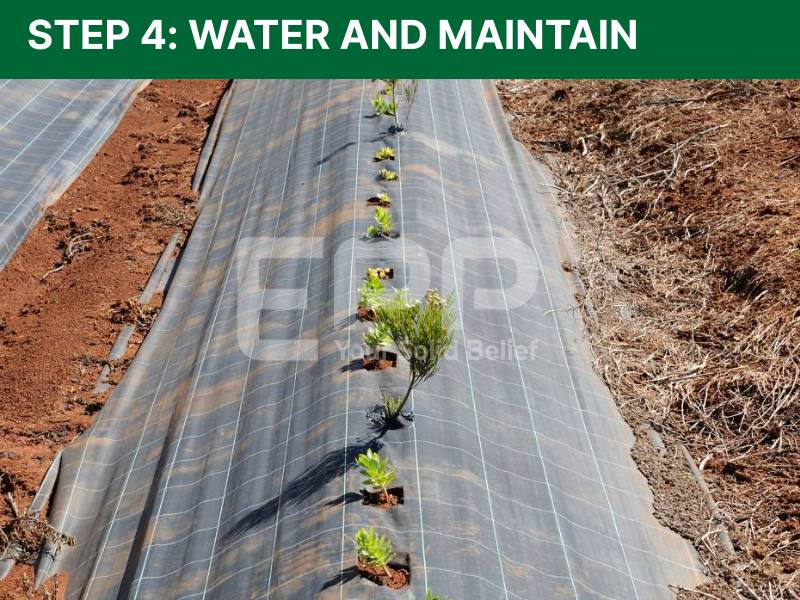
- Watering: Water thoroughly; the fabric is permeable, allowing water to reach the roots. Consider installing a drip irrigation system or soaker hose underneath the fabric for efficient, deep watering.
- Maintenance: Periodically check the planting holes and edges, removing any weeds that attempt to sprout through. The fabric can be cleaned and rolled up for reuse at the end of the season.
Conclusion
In conclusion, a weed mat in vegetable garden is a valuable tool for any gardener looking to minimize weed growth and enhance plant health. With proper installation and maintenance, using weed mats can lead to a more productive and beautiful vegetable garden.
For high-quality PP ground cover and expert advice, contact EPP Vietnam today. As a leading supplier, we are committed to providing the best solutions for your gardening needs, helping you achieve a thriving vegetable garden.
🌐 Website: https://epp.vn – https://eppvietnam.trustpass.alibaba.com
📲 +84 986 002 888 – [email protected]

