The PP price has taken the global manufacturing sector by storm in early 2026, leaving procurement teams scrambling to adjust their budgets. If you are a regular buyer of bulk packaging, you have likely noticed that the quotes for your super sacks are changing almost weekly. As a leading supplier of FIBC bags from Vietnam—EPP Vietnam—we have been on the front lines of this market shift. We see the numbers every day, and more importantly, we see how they affect our partners’ bottom lines.
In just the first few weeks of March 2026, we’ve witnessed a massive jump in PP price . This isn’t just a minor fluctuation; it’s a full-blown skyrocket driven by a “perfect storm” of global events. Understanding why this is happening is the first step to surviving it.
Why are polypropylene prices increasing in 2026?
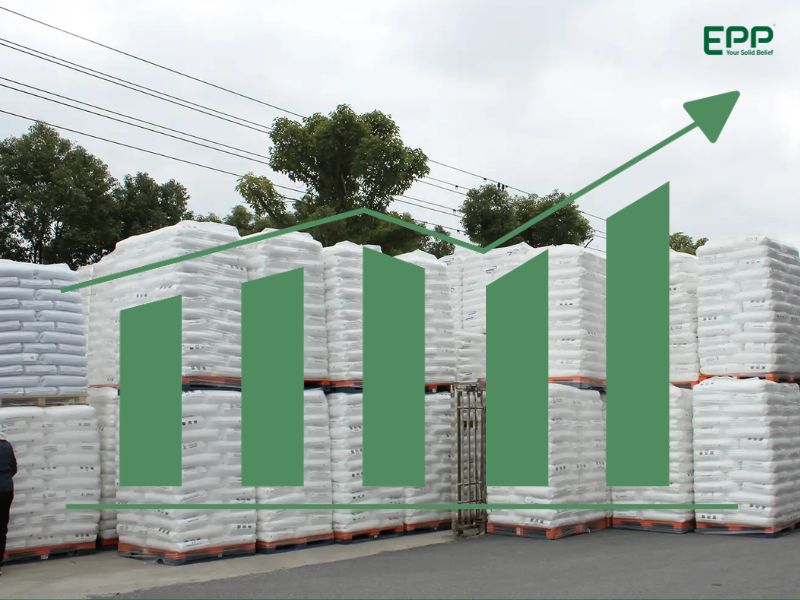
The current surge is primarily driven by geopolitical instability, specifically the escalation of conflict in the Middle East. Since the beginning of the month, the PP price on international markets has jumped by over 20%, a level of volatility we haven’t seen in years.
1. The Strait of Hormuz Crisis
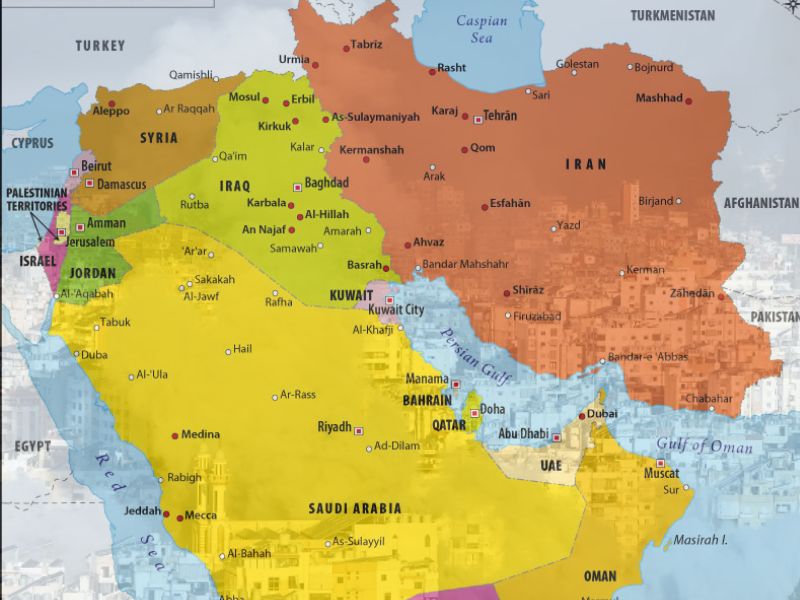
The Middle East remains the world’s most critical hub for oil and petrochemical feedstocks. Recent disruptions and the effective closure of key shipping lanes like the Strait of Hormuz have sent shockwaves through the industry. Because a huge portion of the world’s naphtha and LPG (the building blocks of PP) passes through this region, any threat to transit immediately adds a “risk premium” to the cost of raw materials.
2. Feedstock and Energy Spikes
It’s a simple chain reaction: Crude oil prices rise, which pushes up the cost of Naphtha, which then drives up the price of Polymer Grade Propylene (PGP). In early 2026, we are seeing energy costs in major manufacturing hubs like Europe and China hit record highs. This makes the “conversion cost”—the energy needed to turn raw gas into plastic pellets—more expensive than ever.
3. Shipping and Logistics Surcharges
It’s not just the PP price itself; it’s the cost of moving it. Global bunker prices (the fuel for ships) have surged by 30-35% in recent weeks. Major shipping lines have announced emergency surcharges to cover the cost of rerouting vessels away from high-conflict zones. When it costs more to ship the resin to a factory, and more to ship the finished big bags to you, the price has nowhere to go but up.
How Rising PP price Impact the FIBC Industry?
Many of our clients ask, “If the PP price goes up by 10%, why does my jumbo bag cost increase so much?” The answer lies in the anatomy of a bulk bag.
A standard Bulk bag is roughly 60% to 70% raw polypropylene. Unlike a complex electronic gadget where the raw material is only a small fraction of the cost, a bulk sack is essentially “woven plastic.” When the price of resin skyrockets, there is no way for a manufacturer to “absorb” that cost without going out of business.
At EPP Vietnam, we’ve seen some suppliers in the region start to use “fillers” or recycled materials to keep their prices artificially low. We want to warn our customers: don’t fall for this. While it might save you a few cents per bag, it severely compromises the Safety Factor (SF) of the bag. A bag made with cheap, non-virgin PP is much more likely to fail under load, leading to warehouse accidents or product loss.
To maintain structural integrity and prevent chemical contamination, commercial buyers should strictly adhere to certified 100% virgin resin and food-grade plastic standards. We believe that in a high-cost market, quality and safety are even more important than usual.
What is the PP price forecast for 2026?
Looking ahead, the propylene forecast for 2026 is divided into two distinct halves.
- Q1 & Q2 2026: We expect continued volatility. As long as the geopolitical situation in the Middle East remains tense, supply will be tight. Force majeure declarations from major resin producers are becoming more common, which means the “spot price” of PP might continue to test new highs through the spring.
- H2 2026: There is some light at the end of the tunnel. New production capacities, particularly in North America and China, are expected to come online later this year. Analysts predict that as these “supply-side” additions reach the market, the price might begin to stabilize or even see a “mild softness” by the fourth quarter.
However, “stabilize” doesn’t mean “return to 2024 prices.” We believe we are entering a new era of higher baseline costs for all plastic-based products.
How to Secure Your Supply Chain?
As a business, you can’t control the PP price, but you can control how you respond to it. Based on our experience helping global distributors navigate these spikes, here are the strategies we recommend:
1. Increase Safety Stock Buffers
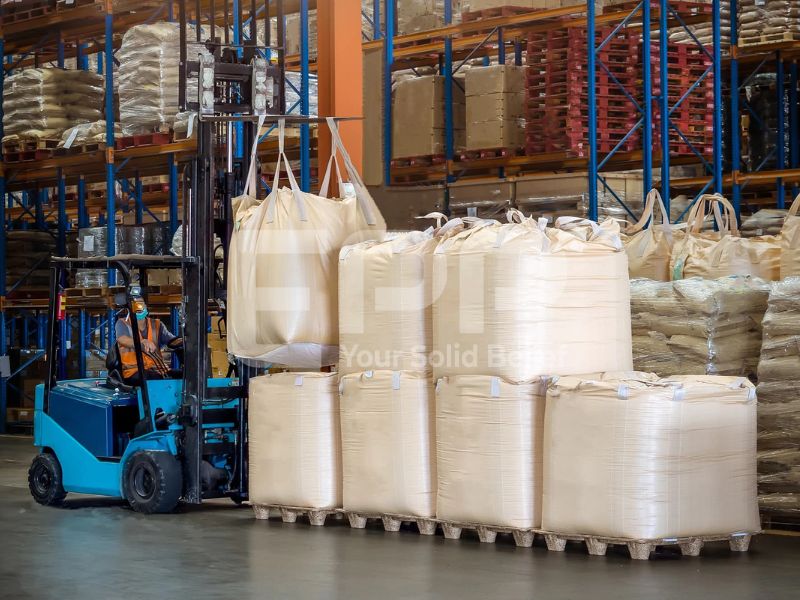
In a volatile market, the biggest risk isn’t just the price—it’s availability. We recommend our clients move from a “just-in-time” model to a “just-in-case” model. Aim to keep at least 8 to 12 weeks of bag inventory on hand. This protects you if a supplier suddenly declares force majeure or if shipping lanes are blocked further.
2. Forward Contracts and Price Locking
Don’t wait for the PP price to “bottom out.” In an upward-trending market, today’s “high” price is often tomorrow’s “bargain.” At EPP Vietnam, we work with our long-term partners to offer forward-looking contracts that help them lock in a stable rate for a set period, shielding them from weekly spot-market shocks.
3. Prioritize Circularity and Recycling
Implementing post-industrial recycling programs helps lower long-term material consumption. For detailed technical steps on reclaiming polyolefin waste, review our guide on how to recycle polypropylene.
3. Look to Vietnam for Stability
While China and Europe are heavily impacted by energy costs and trade tariffs, Vietnam remains one of the most stable and cost-effective manufacturing hubs in the world. With favorable trade agreements like the EVFTA and CPTPP, sourcing your ton bags from a Vietnamese partner can often offset the rising resin costs through lower tariffs and more efficient logistics.

- Vietnam’s expanding deep-water seaports and logistics infrastructure drive seamless international trade connectivity.
FAQ about PP price
Why do PP price increases immediately affect bulk bag quotes?
Because a standard industrial bulk bag consists of roughly 60% to 70% virgin polypropylene by weight, raw material rate adjustments directly influence manufacturing costs.
Can recycled PP be used to lower industrial packaging costs?
Recycled PP can be utilized for non-critical, light-duty applications. However, for heavy industrial loading (1 ton to 2 ton Safe Working Loads), using virgin PP ensures the material maintains its certified tensile strength and safety rating.
How do PE liners impact the cost of FIBC bulk bags?
Many bulk bags require protective liners to block moisture. Using high-performance materials—such as those detailed in our overview of LDPE resin—adds minor material costs but protects high-value powders from spoilage during ocean transit.
Q: How long will this skyrocket last?
A: Most market analysts expect extreme volatility through at least mid-2026, with a potential for stabilization in the latter half of the year as new global production capacity comes online.
Q: Does EPP Vietnam offer fixed pricing?
A: We offer various contract options for our regular partners to help manage budget predictability, though these are typically tied to the current raw material index.
Partner with EPP Vietnam for Reliable Supply Chain Solutions
Navigating raw material price fluctuations requires a transparent, reliable manufacturing partner. As a premier manufacturer and exporter in Vietnam with over 20 years of polyolefin industry experience, EPP Vietnam provides stable supply capacity, technical guidance, and competitive factory-direct pricing across global markets.
Contact our technical export team today to review your packaging specifications, explore cost-optimization options, or request factory-direct B2B quotes.
Website: epp.vn
Alibaba website: https://eppvietnam.trustpass.alibaba.com/
Email: [email protected] Hotline/ Whatsapps: +84 986 002 888