Woven fabric is an essential material in various industries, known for its strength, versatility, and structural integrity. Created through the precise interlacing of synthetic fibers, this fabric serves critical roles across agriculture, industrial packaging, and civil construction. Understanding woven fabric, its material composition, and its primary applications helps commercial buyers and project managers select the optimal textile for their specific operational needs.
What Is Woven Fabric?
Woven fabric is produced by interlacing two or more sets of polymer tapes or yarns at right angles (warp and weft), creating a dimensional textile with exceptional tensile strength and structural stability. The weaving process is conducted using high-speed circular looms or water-jet looms, utilizing flat yarns produced from the extrusion of Polypropylene (PP) or Polyethylene (PE) resin.
This tight cross-hatch construction allows woven fabric to maintain its shape, resist physical stretching under load, and bear heavy structural tension. Depending on yarn denier, weave density, and surface coatings, woven fabrics offer customizable physical properties tailored for either high breathability or absolute fluid containment.
What Is Woven Fabric Made From?
Industrial woven fabrics are primarily manufactured from polyolefin resins—specifically Polypropylene (PP) and Polyethylene (PE). These synthetic polymers provide key technical characteristics:
-
Polypropylene (PP): Known for its high strength-to-weight ratio, chemical inertness, and structural rigidity. PP woven fabric is the primary material for heavy-duty bulk packaging, soil stabilization geotextiles, and load-bearing industrial containers.
-
Polyethylene (PE): Offers excellent low-temperature flexibility, superior moisture barrier properties, and high tear resistance. PE woven fabric is widely used in laminated tarpaulins, liquid containment liners, and protective covers.
When integrated with Hindered Amine Light Stabilizers (HALS), both PP and PE woven fabrics resist UV degradation, allowing for multi-season outdoor use.
How Can We Use Woven Fabric?
Woven fabric is extremely versatile and can be used in numerous applications. Here are some common uses:
1. Industrial Packaging Solutions
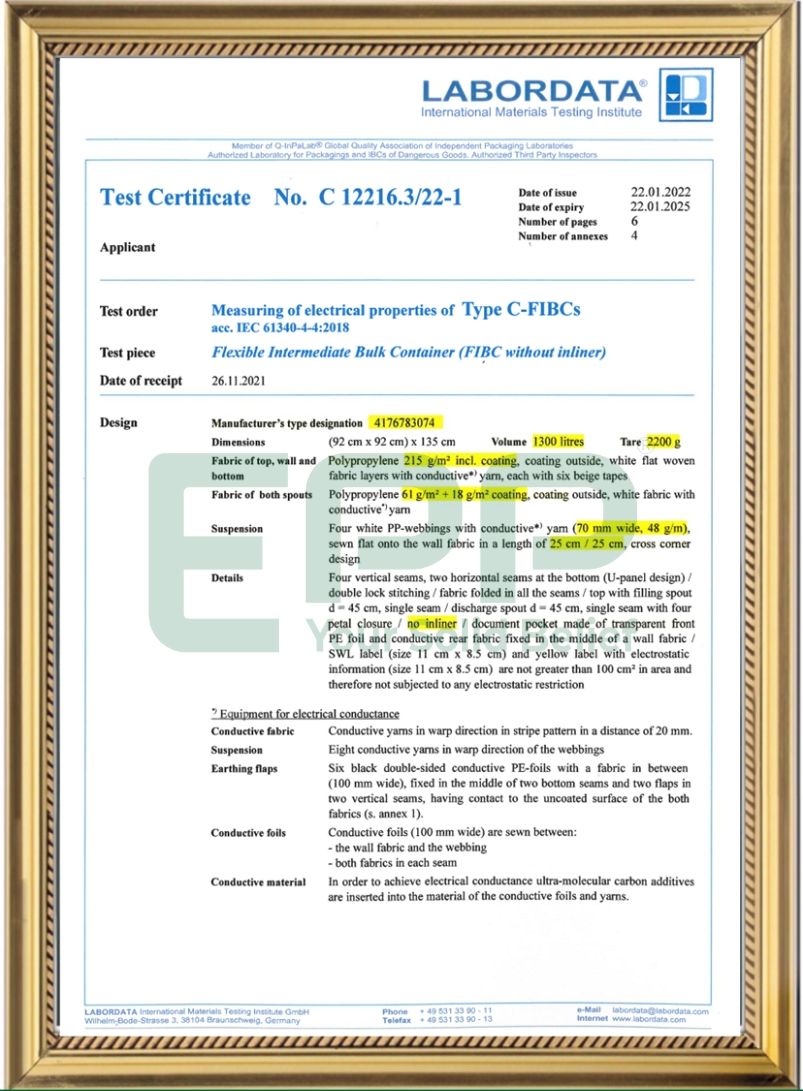
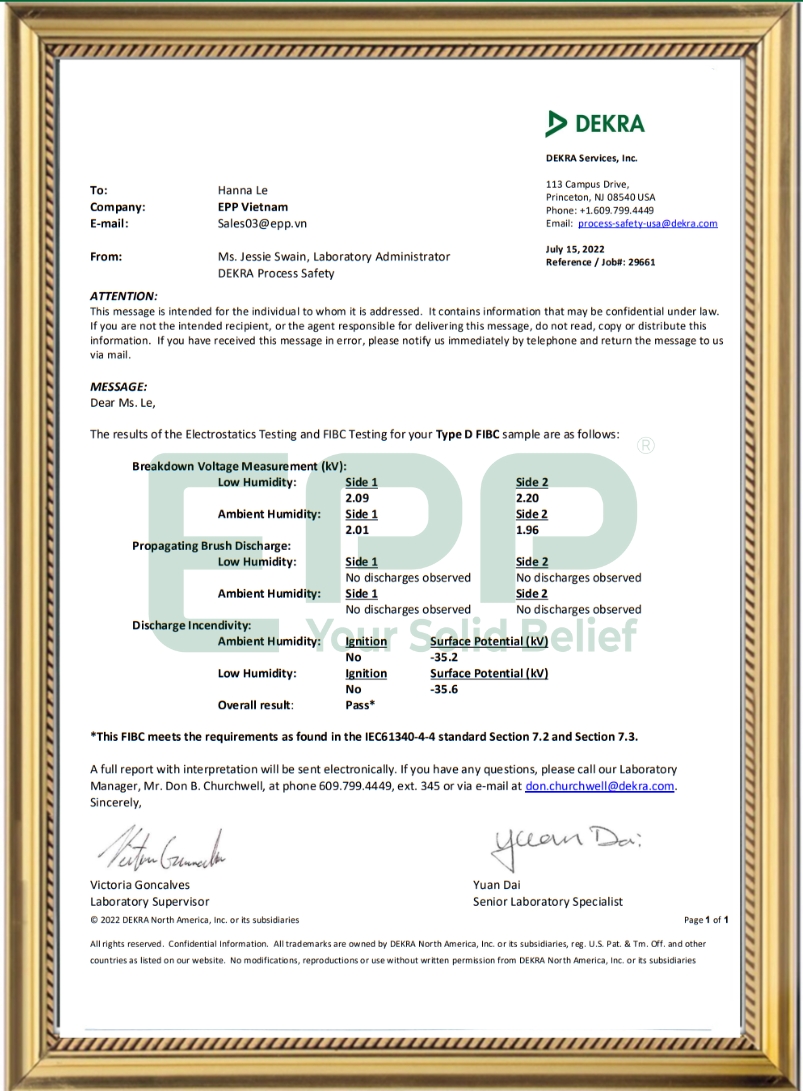
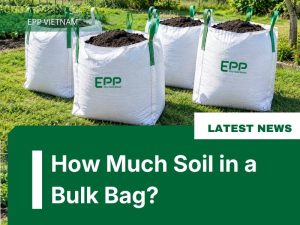
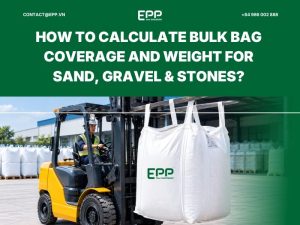
Woven fabric is the foundation for Flexible Intermediate Bulk Containers (FIBCs / Bulk Bags) and woven PP sacks. These packaging systems are engineered to transport dry bulk goods—such as agricultural grains, fertilizers, chemicals, and construction minerals—weighing up to 2,000 kg. Laminated or coated woven fabric prevents moisture ingress and product dusting during international transit.
2. Agricultural & Ground Cover Applications
In commercial agriculture and horticulture, specialized UV-stabilized PP woven ground covers function as heavy-duty weed barriers. The woven matrix blocks sunlight to suppress weed germination while maintaining permeability, allowing water, air, and soil nutrients to pass through to crop roots.
3. Protective Covers (PE Tarps)
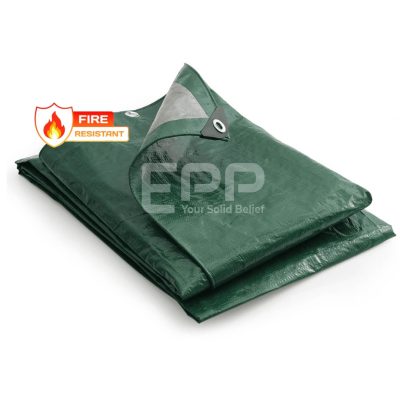
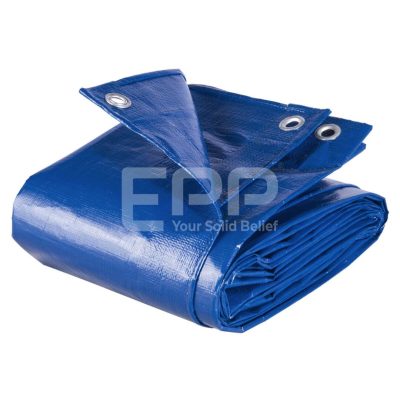
High-density PE woven fabric, laminated on both sides with low-density PE film, creates heavy-duty polyethylene tarpaulins. These waterproof, tear-resistant sheets protect machinery, construction sites, and raw materials from severe weather, rain, and UV exposure.
4. Civil Engineering & Construction Geotextiles
Woven geotextiles are used under roads, retaining walls, and railway sub-bases to separate soil layers, reinforce load distribution, and prevent ground erosion. Their high tensile modulus prevents subgrade shifting under heavy vehicular traffic.
FAQs About Woven Fabric
What is the difference between woven and non-woven fabric?
Woven fabric is constructed by interlacing yarns in a structured grid pattern, offering superior tensile load strength and dimensional stability. Non-woven fabric is made by bonding loose fibers together chemically, thermally, or mechanically, resulting in a felt-like material ideal for filtration or light disposal items, but with significantly lower load capacity.
Is woven polypropylene fabric waterproof?
Uncoated woven PP fabric is naturally breathable and water-permeable due to microscopic gaps between the woven tapes. However, applying an extruded Polyethylene or Polypropylene film coating to the fabric surface renders it completely waterproof and dust-tight.
Can woven PP and PE fabrics be recycled?
Yes. Industrial woven fabrics made from 100% Polypropylene (Resin Code 5) or Polyethylene (Resin Code 2/4) are fully recyclable. Once cleaned of contaminants, they can be re-granulated into recycled plastic pellets for manufacturing secondary industrial goods.
Conclusion
Woven fabric is a high-performance material that provides vital structural reinforcement, protective containment, and environmental control across diverse global industries. By matching the appropriate polymer resin, weave density, and coating specification to your operational requirements, you ensure maximum durability, product protection, and cost efficiency for your projects.