


Controlling sediment runoff and managing soil erosion are strictly enforced requirements across modern civil engineering, land development, and infrastructure construction projects. To mitigate these risks, civil contractors, environmental engineers, and material distributors rely heavily on a well-designed silt barrier fence system.
As a leading supplier of woven fabric in Vietnam, EPP Vietnam helps international distributors and commercial contractors source high-performance silt barrier fabric options engineered to meet rigorous international standards.
What is a Silt Barrier Fence?

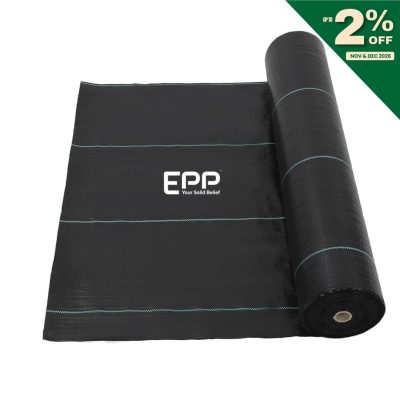
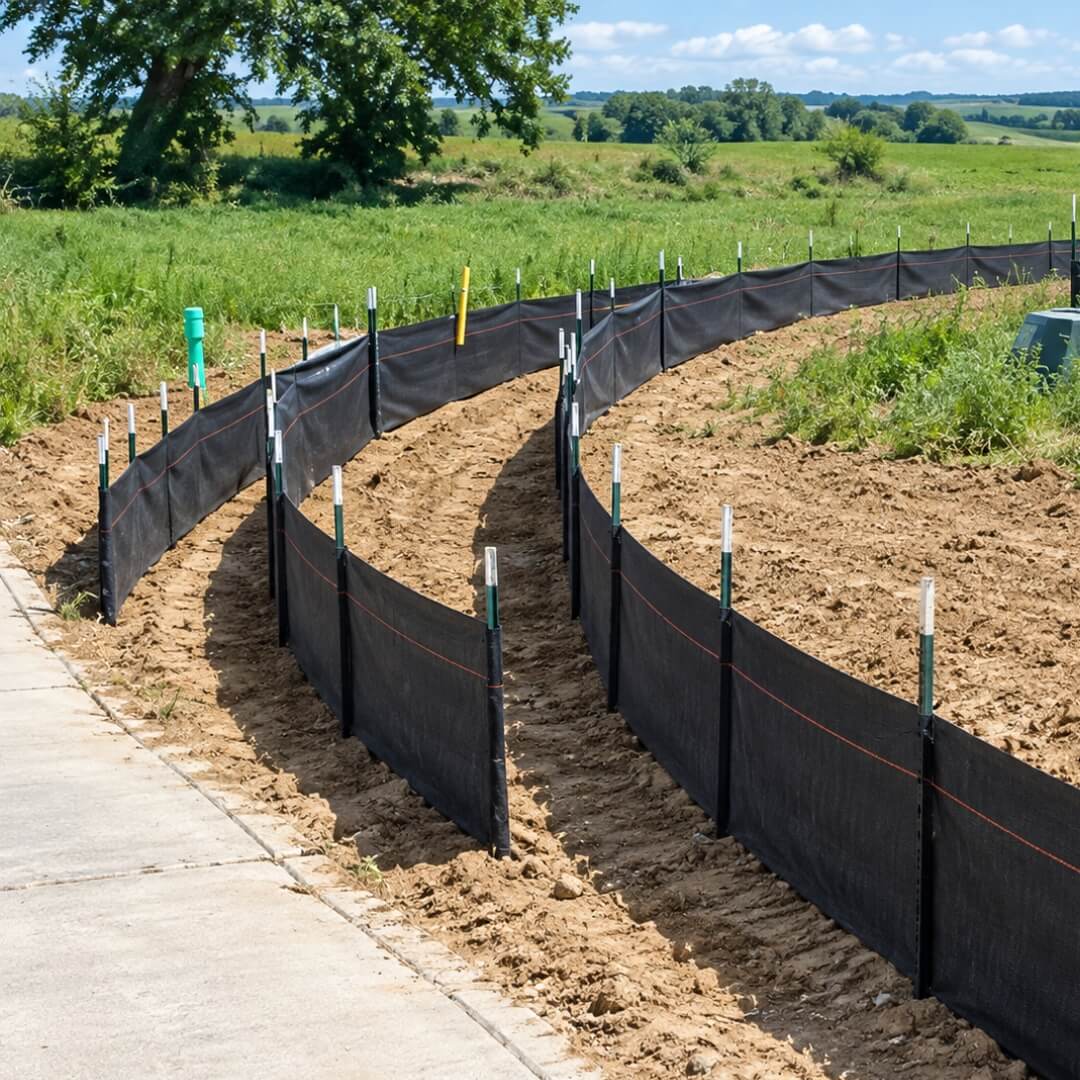
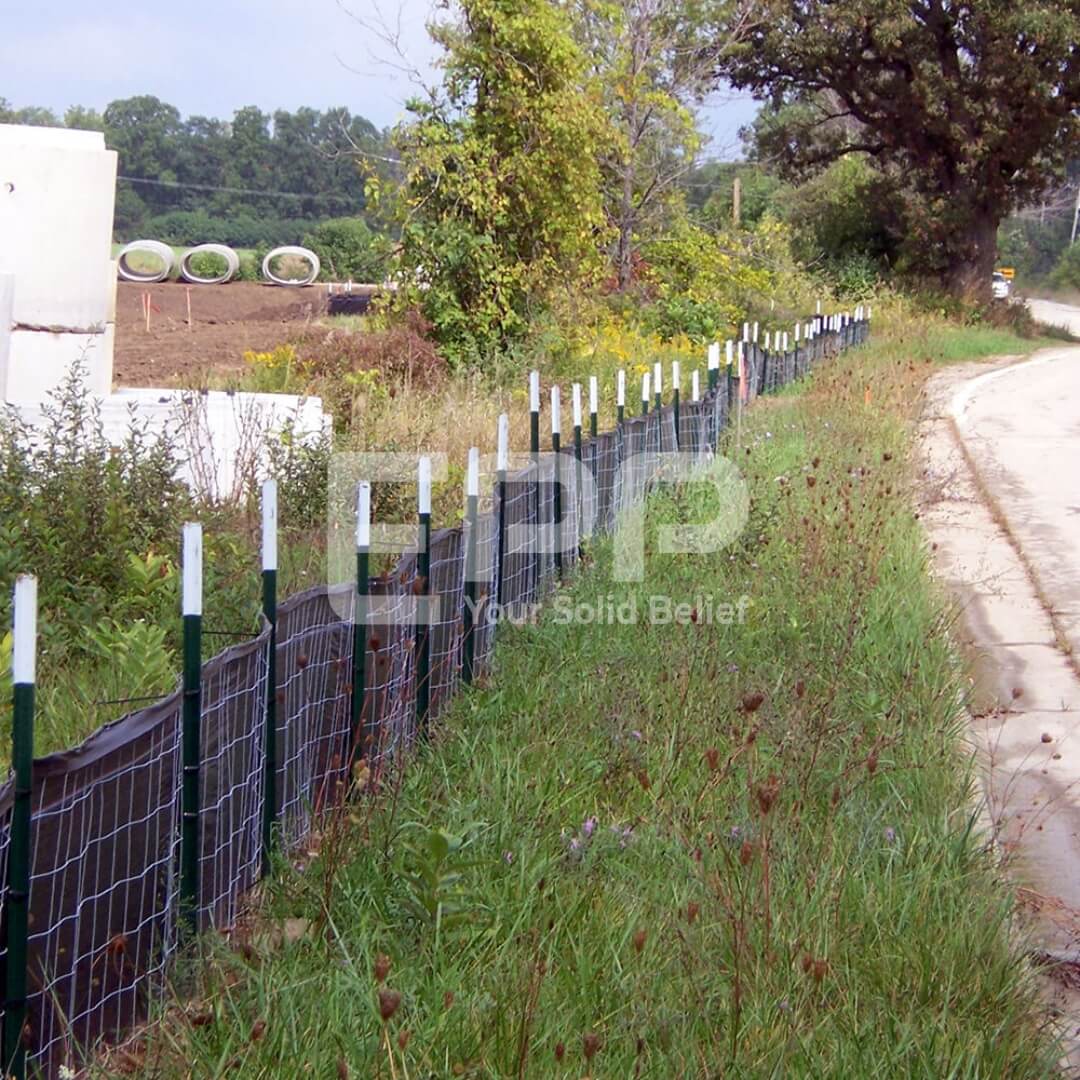
A silt barrier is a temporary sediment control mechanism installed along the perimeter or down-gradient boundary of a disturbed construction area. A complete silt barrier fence system typically consists of a permeable geotextile fabric attached to wooden or steel support stakes, anchored securely into an excavated ground trench.
Unlike solid retaining structures, an erosion control fence does not attempt to completely stop water flow; rather, it intercepts sheet flow runoff, ponds the water momentarily, and allows sediment particles to settle out behind the fabric before the filtered water passes through.
Technical Specifications of Silt Fence for Sediment Control
When reviewing a silt fence fabric specification for bulk purchasing or engineering compliance, pay attention to these core parameters:
|
Product parameter : Silt Barrier Fence
|
||||
|
Weight
|
2oz/sm – 14oz/sm or 60gsm-200gsm
|
|||
|
Width
|
1.6’ -20’ or 0.5m-6m
|
|||
|
Roll Length
|
16’, 33’, 65’, or 5m,10m,20m,25m,50m or as required
|
|||
|
Color
|
Black,Green,Black-green or as required
|
|||
|
Weave
|
8*8,10*10,11*11,12*12,12*16
|
|||
|
Material
|
Woven PP fabric, Non woven geotextile, PE woven fabric
|
|||
|
Sample
|
Avaliable
|
|||
|
Delivery time
|
About 30 days
|
|||
|
Min order
|
No limit
|
|||
|
Terms of payment
|
1.TT 2.LC
|
|||
|
Supply capacity
|
320 tons per month
|
|||
|
Packing
|
In rolls with paper core inside and polybag outside or in Carton or as your request.
|
|||
|
Quantity
|
1x20ft container can load about 11 tons 1×40’HC can load about 26 tons.
|
|||
|
Export market
|
Australia,Canada,Europe market ,Japan and so on.
|
|||
Learn more about custom technical specs and bulk options by exploring EPP Vietnam’s complete range of woven fabric solutions.

How Does a Silt Fence Work?
A sediment barrier does not act as a complete dam, nor does it immediately filter water through the fabric like a coffee filter. Instead, it works primarily through ponding and gravity settling:
-
Slows Runoff Velocity: As muddy runoff reaches the silt fence fabric, the porous barrier restricts the flow, forcing stormwater to pool behind the fence.
-
Promotes Sedimentation: As the water velocity drops within the detention pond, heavier soil and silt particles settle to the bottom.
-
Controlled Filtration: The micro-openings in the geotextile allow clarified water to slowly seep through, retaining soil on the upslope side.
Types & Product Variants of Silt Barrier Fence
Depending on site topography, project duration, and regulatory standards, several variations exist:
-
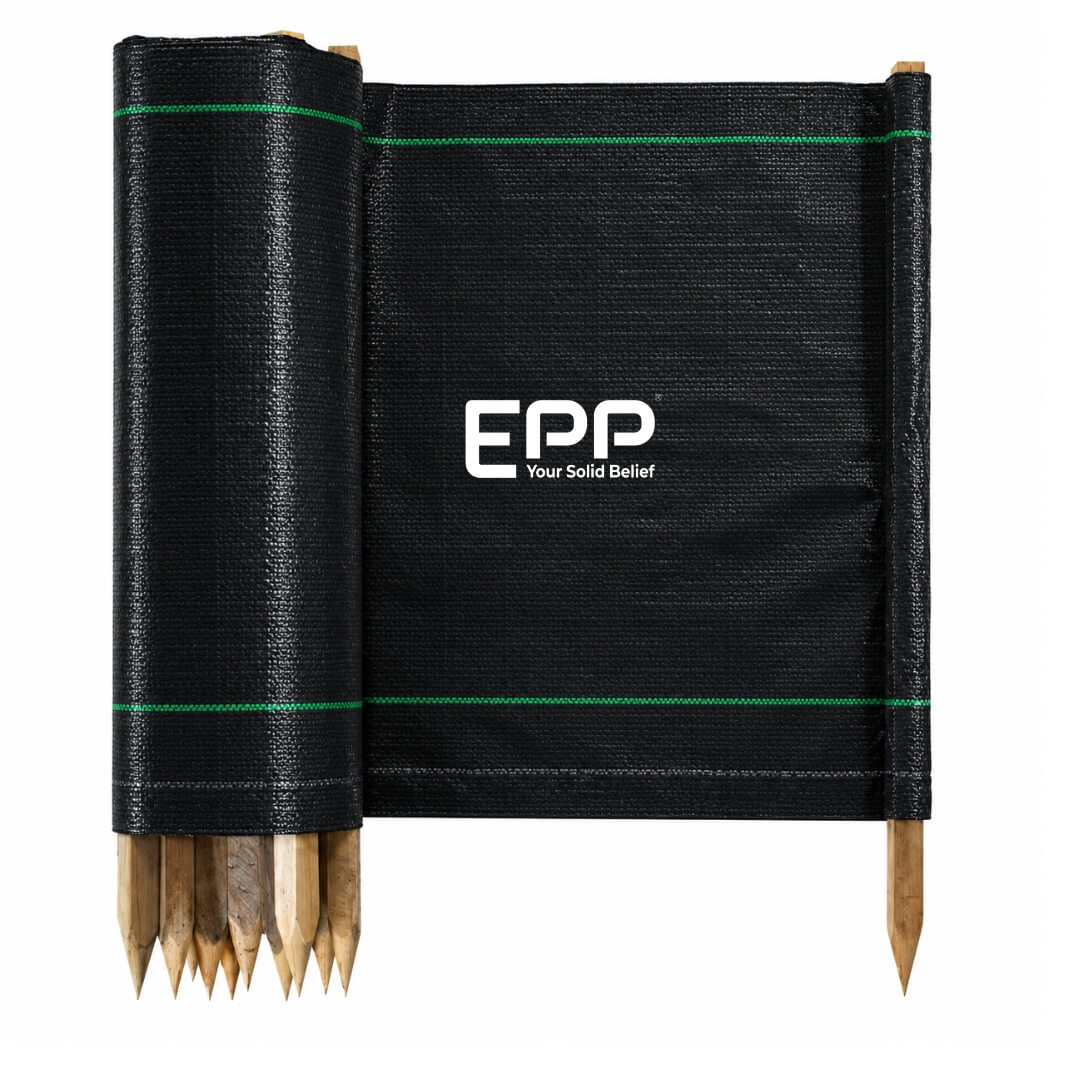
Silt Fence With Stakes (Preassembled Silt Fence): Comes with wooden or steel posts pre-attached at fixed intervals (e.g., every 6 ft or 10 ft) for rapid field installation.
-
Silt Fence Without Stakes: Master fabric rolls supplied without posts, preferred by international buyers seeking to maximize container loading density.
-
Black Silt Fence: The most common commercial variant; carbon black additives offer maximum UV resistance.
-
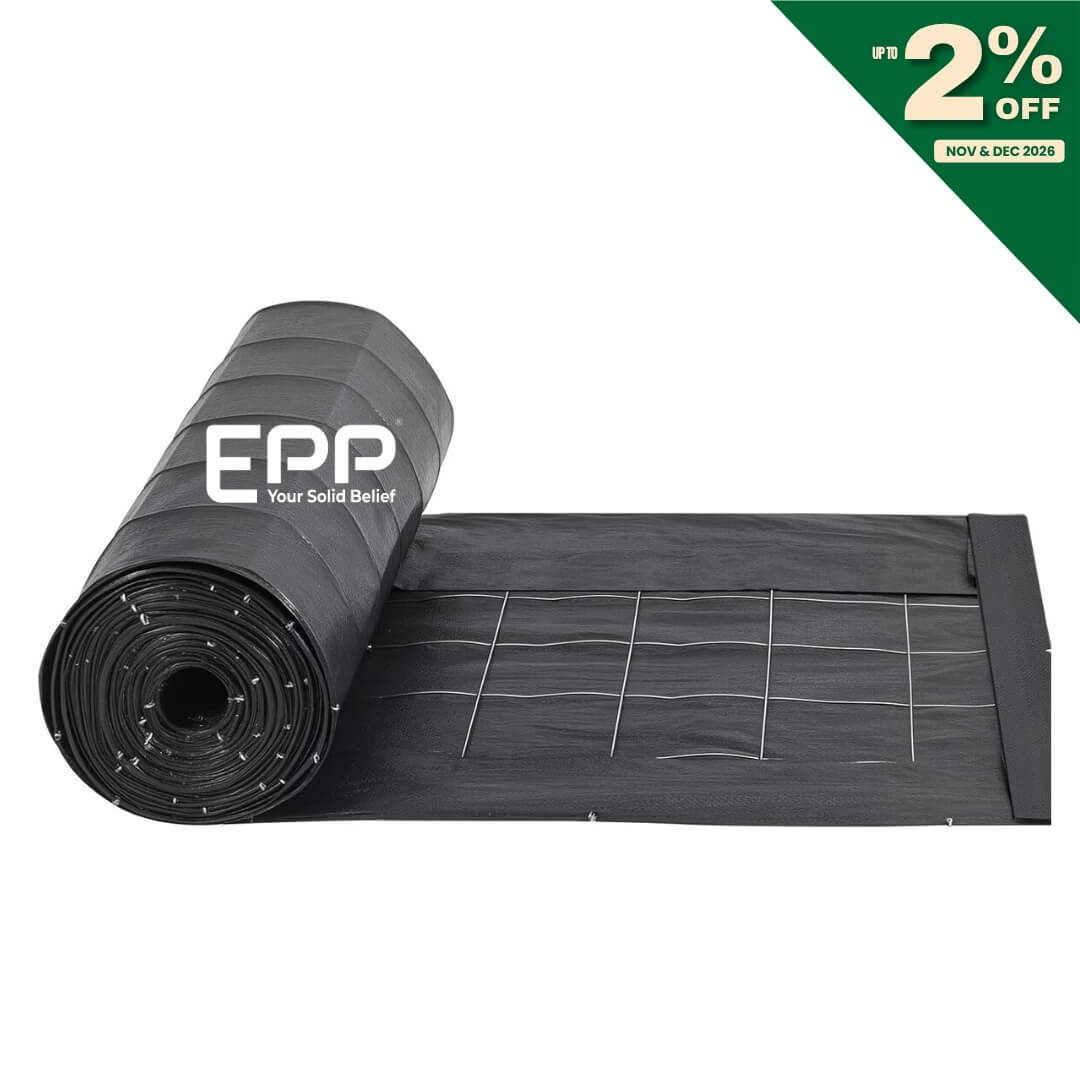
Wire Backed Silt Fence (Reinforced Silt Fence): Combines geotextile fabric with heavy-duty steel wire mesh backing (12.5 or 14 gauge) for high-load or steep-slope applications.
-
Super Silt Fence / Heavy Duty Silt Fence: Utilizes chain-link backing mounted on steel pipe posts set deep into the ground for extreme erosion control near sensitive waterways.
-
Temporary vs. Permanent Silt Fence: Standard fences are temporary sediment controls (lasting 6–24 months). Permanent erosion solutions require vegetated slopes, mats, or hardscaping.
How to Choose the Right Silt Barrier Fence for Your Project?
-
Assess Site Topography & Flow: Use standard unsupported silt fences for gentle, short slopes with sheet flow. Upgrade to a wire backed silt fence for steep slopes or heavy runoff.
-
Match Fabric Performance to Soil Type: Fine clay and silt soils require a smaller AOS to prevent particle breakthrough; sandy soils benefit from higher permittivity.
-
Verify Compliance Requirements: Ensure specifications meet local Department of Transportation.
-
Determine Supply Format: Sourcing silt fence bulk or custom master rolls from an experienced silt fence supplier or export partner (such as specialist suppliers in Vietnam) ensures cost efficiency and tailored sizing.
BUYER TIP: Always define exact GSM, width, roll length, UV retention hours, and tensile strength before requesting quotes to ensure accurate factory comparisons.

How to Install a Silt Barrier Fence?
Proper silt fence installation prevents the vast majority of field failures.
| Installation Phase | Key Action | Standard Requirement |
| 1. Site Layout | Contour Line Position | Route the fence along continuous elevation contours down-gradient of disturbed soil. Never place in active streams or channels. |
| 2. Trenching | Excavation | Dig an anchor trench 4 to 6 inches deep and 4 inches wide along the boundary. |
| 3. Post Setup | Downstream Support | Drive posts into the ground on the downstream (downslope) side so water pushes fabric against the posts. |
| 4. Anchoring | Backfill & Tamp | Lay the bottom 6 to 8 inches of fabric into the trench in a “J” shape and tamp soil firmly down to prevent undercutting. |
| 5. Terminations | J-Hook Ends | Curve the ends of the fence line uphill (“J-hooks”) to prevent ponded water from spilling around the sides. |
| 6. Maintenance | Cleanout | Inspect weekly and after heavy rains. Remove sediment once it reaches 1/3 to 1/2 of the exposed fabric height. |

Frequently Asked Questions (FAQs)
Will silt fence let water through?
Yes. Silt fence fabric is micro-porous and designed to let water pass through slowly while retaining mud and soil. It is not a solid plastic dam.
How long does a silt fence need to stay up?
A silt fence must remain in place until the upstream disturbed soil is 100% stabilized with established grass, landscaping, or asphalt/concrete paving.
What can I use instead of a silt fence?
Common alternatives include compost filter socks, straw wattles / fiber rolls, sediment retention berms, check dams, or erosion control blankets for direct slope stabilization.
What is the difference between a silt fence and an erosion control blanket?
A silt fence is a sediment control measure placed at the perimeter to catch soil that has already washed away. An erosion control blanket is an erosion prevention measure placed directly on exposed soil to prevent rain from detaching topsoil in the first place.
How deep to bury a silt fence?
Bury the bottom flap 6 to 8 inches (15 to 20 cm) deep in a compacted 4- to 6-inch trench. The fabric should be laid out in a “J” or “L” shape along the trench floor before being firmly backfilled and tamped. Skipping trenching causes undercutting and system washouts during severe storms.
Selecting the right silt barrier fence system is essential for maintaining site compliance, protecting local ecosystems, and preventing expensive project delays. By aligning your fabric specifications—from GSM and tensile strength to UV stabilization—with your site’s physical demands, you ensure reliable perimeter sediment retention across every phase of earthwork.
Ready to streamline your geotextile supply chain? Contact EPP Vietnam today to request technical data sheets, receive factory-direct FOB/CIF pricing, or order custom fabric sample kits for laboratory testing.
Website: https://epp.vn – https://eppvietnam.trustpass.alibaba.com
📲 +84 986 002 888 – [email protected]