FIBC bags have revolutionized the way raw materials and industrial products are transported across the globe, serving as the primary logistical tool for exporters in 2026. Whether you are shipping high-purity food ingredients to Europe or heavy minerals to the Americas, the choice of packaging can make or break your profit margins. At EPP Vietnam, we’ve spent over 20 years perfecting the engineering behind these jumbo bags, helping our partners navigate the complexities of international shipping with ease and safety.
In this comprehensive guide, we will explore why these versatile containers are the gold standard for global trade and how to choose the right specifications for your specific export needs.
Reasons to Choose FIBC Bags for Export
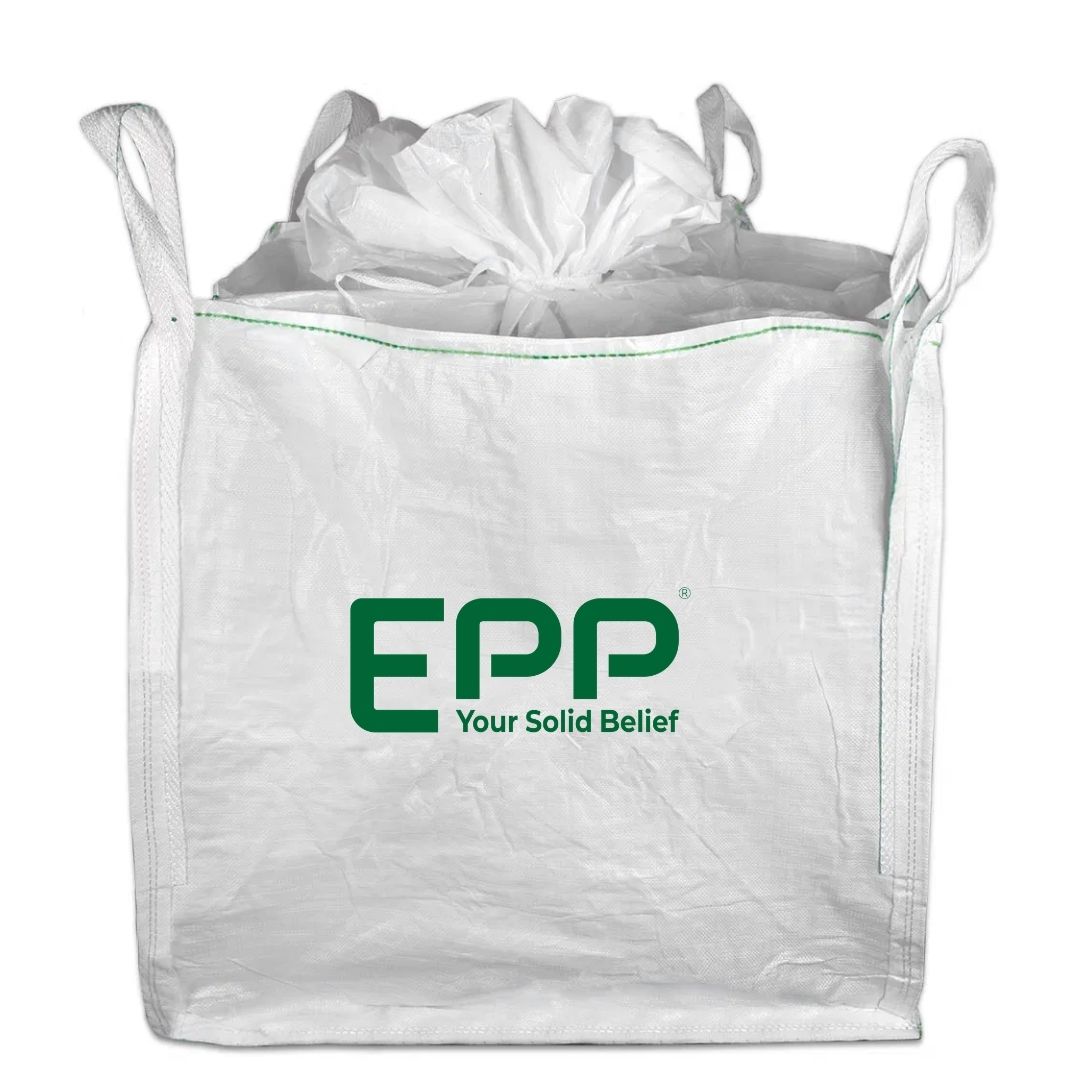
The move away from rigid drums and small 25kg sacks is driven by the need for speed, safety, and cost-efficiency. In a competitive global market, FIBC bags (Flexible Intermediate Bulk Containers) offer several “trump cards” that traditional packaging simply cannot match.
1. Drastic Reduction in Labor and Time
A single super sack can hold up to 2,000kg of material. To move that same amount using small bags, a worker would have to handle 80 individual sacks. By using jumbo bags, a forklift operator can load a 40ft container in a fraction of the time, significantly reducing labor costs and port turnaround times.
2. Maximizing Shipping Space
Shipping costs are calculated by volume and weight. Modern Baffle Bags (Q-Bags) are designed with internal fabric panels that prevent the bag from bulging into a “tomato” shape. Because they stay square, you can fit up to 30% more product into a shipping container, effectively lowering your freight cost per ton.
3. Superior Product Protection
Exporting goods often involves 30 to 45 days on a humid ocean. FIBC bags made from 100% virgin polypropylene are naturally tough, but when combined with internal PE liners or lamination, they create a hermetic shield against “container rain,” salt air, and dust.
Types of FIBC Bags for Exporting Goods

Choosing the right category of bag is the most critical decision in your export strategy. Each type is engineered for a specific environmental risk or product density.
1. Standard Type A FIBC Bags with High Fabric Weight
In the export of heavy minerals, ores, or construction materials, Standard Type A FIBC bags are the industry workhorse. Because these products are not flammable, the focus shifts from static safety to mechanical strength. EPP Vietnam manufactures these with a high fabric weight (GSM)—often exceeding 200g or 220g—to ensure the bag doesn’t stretch or tear under the immense pressure of 2,000kg of heavy cargo.
2.Type C & Type D Big bags
When exporting fine chemical powders or agricultural dusts (like flour or starch) that can ignite, you must use Antistatic FIBC bags.
-
Type C (Conductive): These bags have interconnected carbon or silver threads and must be grounded during filling and discharging.
-
Type D (Dissipative): These use advanced “crohmiq” or similar dissipative fibers that safely release static into the air without a grounding cable, making them safer for ports with less experienced labor.
3. Food-Grade FIBC Bags
Exporting food ingredients like sugar, rice, or milk powder requires a Food-grade FIBC bag produced in a BRCGS or HACCP-certified “Cleanroom.” These bags are made from 100% virgin resin with no recycled content, and every bag is vacuumed and metal-detected to ensure zero contamination for the international food supply chain.
4. UN-Certified Bags for Hazardous Exports
If your product is classified as “Dangerous Goods” by the United Nations, you legally cannot export it without UN-Certified FIBC bags. These bags undergo extreme testing, including a 6-foot drop test and a topple test, to ensure they will not leak even in a major shipping accident. Each bag carries a unique “UN Number” printed on the side, which acts as its legal passport for sea travel.
Standards of FIBC Bags for Export
Global Standards for Exporting FIBC Bags
| Certification / Standard | Focus Area | Why It Is Critical for Export |
| ISO 21898 | Mechanical Strength | The global “gold standard” for non-hazardous bags. It specifies the Safety Factor (SF) of 5:1 or 6:1 and ensures the bag can survive multiple lifts during sea transit. |
| UN Certificate | Hazardous Materials | A legal requirement for “Dangerous Goods.” Includes rigorous drop, topple, and stack tests. Features a unique UN tracking code on the bag. |
| IEC 61340-4-4 | Electrostatic Safety | The mandatory standard for Type C and Type D bags. It prevents dust explosions and gas ignitions in volatile shipping or warehouse environments. |
| BRCGS (Packaging) | Food Safety & Hygiene | The highest GFSI-recognized standard. Ensures bags are made in a “Cleanroom” with zero risk of physical, chemical, or biological contamination. |
| FSSC 22000 / ISO 22000 | Food Management | Comprehensive food safety management systems required by global brands like Nestlé or Unilever for their raw material suppliers. |
| ISO 14000 | Environment | Proves the manufacturer (like EPP Vietnam) manages energy and waste responsibly. Vital for avoiding “Carbon Border Taxes” in the EU. |
Best Practices for Using FIBC Bags in Export Logistics
Even the best-engineered jumbo bag can fail if it isn’t handled correctly. Following these best practices will ensure your export process remains smooth.
1. Proper Pallet Alignment
Ensure the bag is centered on a standard global pallet (like a 110x110cm pallet). If the bag “overhangs” the edge, it is susceptible to being torn by forklift tines or getting snagged on the walls of the shipping container.
2. Moisture Management

Always use a liner for hygroscopic materials (products that absorb moisture). Even if the bag is laminated, a separate PE liner provides a much more robust barrier against the extreme humidity found in ocean transit.
3. Secure Loading Patterns
When loading a container, use a “staggered” or “interlocking” pattern to prevent the bags from shifting during the journey. If you are using Baffle Bags, you can stack them two-high with much greater stability, maximizing every inch of the container’s height.
4. Labelling and Documentation
Ensure that every bag has a clear, weather-resistant ID label. For chemicals, the IEC 61340-4-4 safety tags must be clearly visible to the handlers at the destination port to prevent accidental static ignitions.
FAQ: Frequently Asked Questions about FIBC Bags for Export
Q: How many FIBC bags fit in a standard 20ft container?
A: Usually, you can fit 10 to 20 bags depending on the size and weight. If you use Q Bags, you can often increase this capacity by optimizing the square footprint of the bags.
Q: Can FIBC bags be recycled after they reach their destination?
A: Yes! Since most are made from 100% Polypropylene (PP), they are fully recyclable. This is a huge advantage for exporters trying to meet the “Green” mandates in Europe and North America.
Q: What is the difference between a “Super Sack” and a “Jumbo Bag”?
A: They are simply different names for the same product—the FIBC. “Super sack” is more common in the USA, while “Jumbo bag” is frequently used in Asia and Europe.
Q: Are these bags waterproof for sea travel?
A: Woven fabric is not naturally waterproof. However, by adding an internal PE liner or a lamination coating, you can make the bag highly moisture-resistant and safe for sea travel.
Conclusion: Your Strategic Export Partner

FIBC bags are more than just a packaging choice—they are a core part of your export strategy. By choosing the right bag design, you can lower your shipping costs, protect your product from the elements, and ensure the safety of everyone in the supply chain.
At EPP Vietnam, we pride ourselves on being a leading supplier that understands the technical demands of the global market. Whether you need a simple ton bag or a highly technical antistatic jumbo bag, our team is here to help you win the export race.