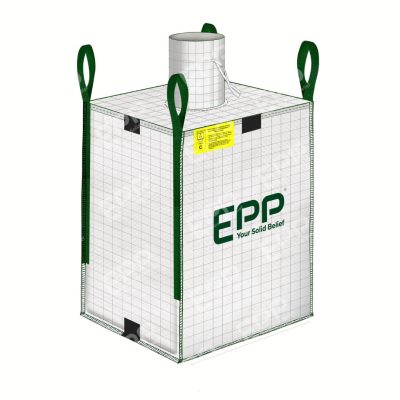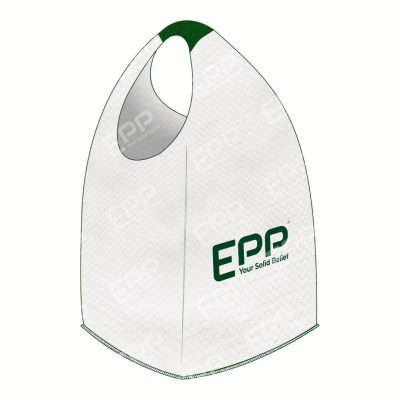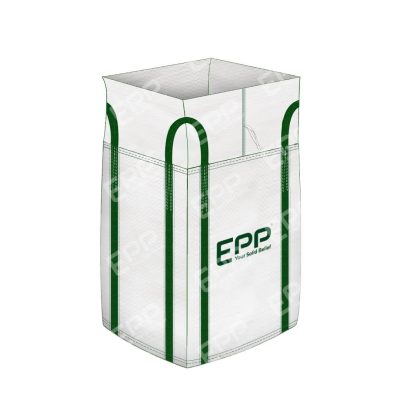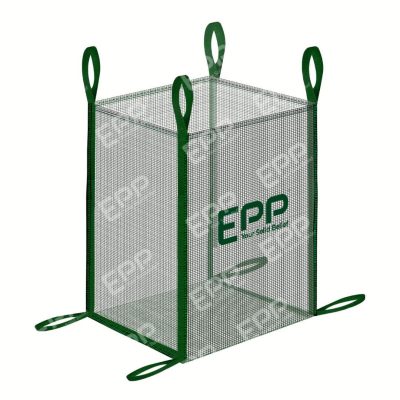


Compost bulk bags are highly durable, flexible industrial containers designed by EPP Vietnam to help commercial growers, soil producers, and landscaping suppliers package and ship heavy organic materials safely. Sourcing the right large-scale containers is crucial to protecting your inventory, streamlining your bulk handling, and cutting transportation costs.
Below is an engineering-focused guide to choosing, filling, and handling bulk bags to secure your materials and maximize operational efficiency.
What Are Compost Bulk Bags?

High quality compost bulk bags designed to hold up to 2 tons of organic material
Compost bulk bags are large, flexible containers made from durable materials like woven polypropylene. They are typically designed to hold significant quantities of compost, ranging from 500 kg to 2000 kg (1 ton to 2 tons), making them ideal for both commercial and residential applications. These bags often feature lifting loops for easy handling and can be customized to meet specific needs.
Bulk bags for compost are designed to withstand the weight and abrasiveness of compost materials, ensuring durability throughout the storage and transport process. With their robust construction, these big bags offer a reliable solution for keeping compost safe and accessible.
| NAME | Compost jumbo bags |
| BODY SIZE | 900Lx900Wx1200H ( +/-15mm) |
| BODY MATERIAL | PP woven fabric – 150gsm-180gsm |
| LOOP BELT | 4 LOOP, H=30 – 70cm |
| TOP | Full open/ Flap top |
| BOTTOM | Flat bottom |
| INNER LINER | Compost super sacks with liners or without liners |
| SAFETY FACTOR | 5:1/ 6:1 |
| SWL | 1000 kg |
| BAG TOTAL WEIGHT | 1.36kg |
| DOCUMENT POCKET | PP+ PE, A4 size |

Why Should We Choose Bulk Bags for Packaging Compost?
Choosing bulk bags for compost offers numerous advantages that enhance efficiency, safety, and sustainability. Here are some key reasons to consider:
Efficient Handling and Transport
Compost bulk bags are designed for easy handling. Their robust construction allows for quick loading and unloading using forklifts or pallet jacks, reducing labor costs and improving operational efficiency. The ability to transport large amounts of compost in a single bag streamlines logistics, making it easier to manage supply chains.
Cost-Effectiveness
Purchasing compost in bulk bags compost can lead to significant cost savings. Buying in larger quantities often reduces the price per ton compared to smaller bags. This is particularly beneficial for businesses and gardeners who require substantial amounts of compost for projects, allowing for better budget management.
Quality Preservation
High-quality compost ton bags protect the compost from moisture and contaminants. Properly stored compost maintains its quality, ensuring that it remains effective for gardening and landscaping applications. Bulk bags can be sealed to prevent exposure to moisture, pests, and other environmental factors that could compromise the compost’s integrity.
Environmental Sustainability
Using big bags of compost reduces packaging waste. By opting for bulk over individual bags, companies and consumers can significantly decrease the amount of plastic waste generated, contributing to more sustainable practices in gardening and landscaping.
Versatility
Compost tonne bags can be used in various applications, from large-scale agricultural projects to home gardening. Their versatility makes them suitable for different types of compost, including organic, peat-based, and specialty blends.
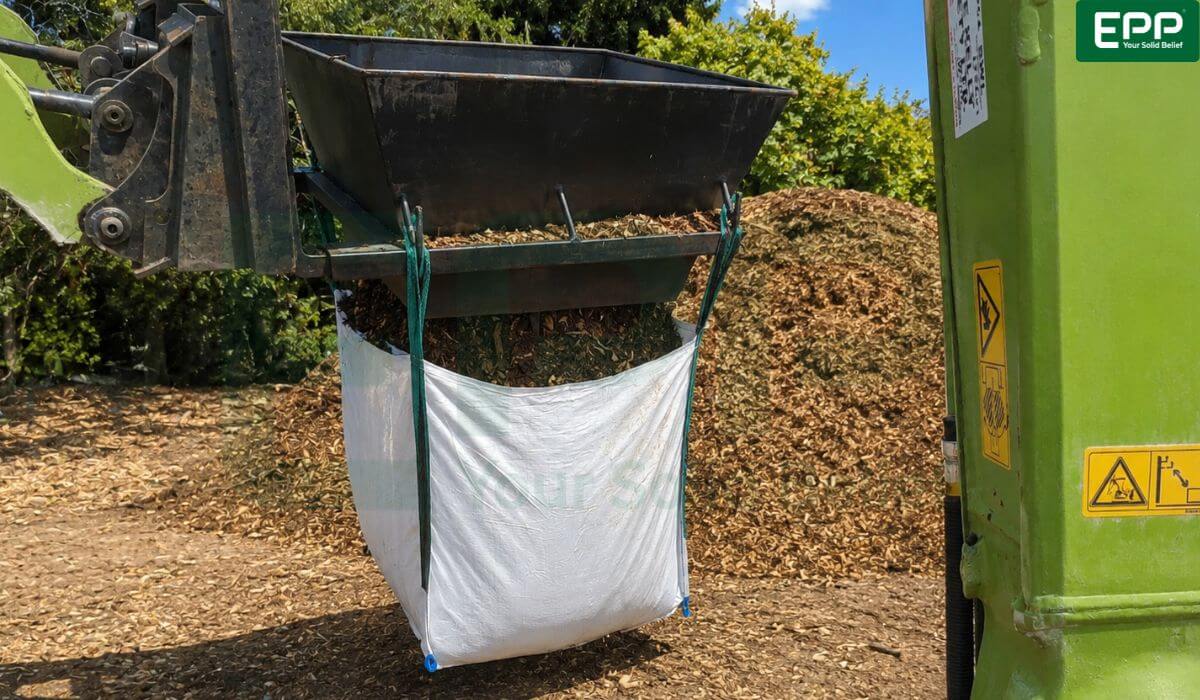
U-panel Bulk bag is being filled with compost
How to Fill Compost in Bulk Bags Effectively
Filling compost bulk bags properly ensures efficiency and quality. Here’s a step-by-step guide:
1. Prepare the Loading Area
Ensure that the loading area is clean and organized. Remove any debris or obstacles that could interfere with the filling process. Have all necessary equipment ready, such as shovels, hoppers, or conveyor belts, and ensure they are in good working condition.
2. Choose the Right Bulk Bag
Select a tonne bag compost suitable for your needs, considering the type and quantity of compost you will be using. Ensure it is free from any damage or wear. Inspect the seams and lifting loops to ensure they are intact.
3. Position the Bulk Bag
Place the compost big bags securely on a flat surface or a pallet. Make sure the bag is stable and positioned correctly for filling. The base should be strong enough to support the weight of the compost as it is filled. If using a pallet, ensure it is in good condition and capable of bearing the load.
4. Fill the Bag Gradually
Begin filling the bag with compost, using a shovel or conveyor system to pour it evenly. Start by adding a small amount and gradually increase the quantity. Avoid overfilling, as this can lead to structural issues and spills, compromising the integrity of the bag. Monitor the weight as you fill to ensure it does not exceed the bag’s capacity.
5. Ensure Even Distribution
As you fill the tonne bags of compost, make sure the compost is evenly distributed throughout. This is crucial for maintaining the bag’s shape and reducing the risk of damage during transport. Uneven weight distribution can lead to tipping or bursting when the bag is moved. Gently shake or tap the bag to help settle the compost, ensuring that it fills all corners of the bag and avoids air pockets.

6. Seal the Bag
Once filled, securely close the bag to prevent spillage and contamination. Use appropriate sealing methods, such as tying or stitching the top of the bag. Ensure that the closure is tight enough to withstand movement and transport without loosening. If the bag has a built-in closure system, make sure it is engaged fully.
7. Inspect the Filled Bag
Conduct a final inspection of the filled bag to ensure it is sealed properly and free from defects. Check that all lifting loops are intact for safe handling and that there are no visible signs of wear or damage. A thorough inspection helps identify any potential issues before the bags are transported or stored.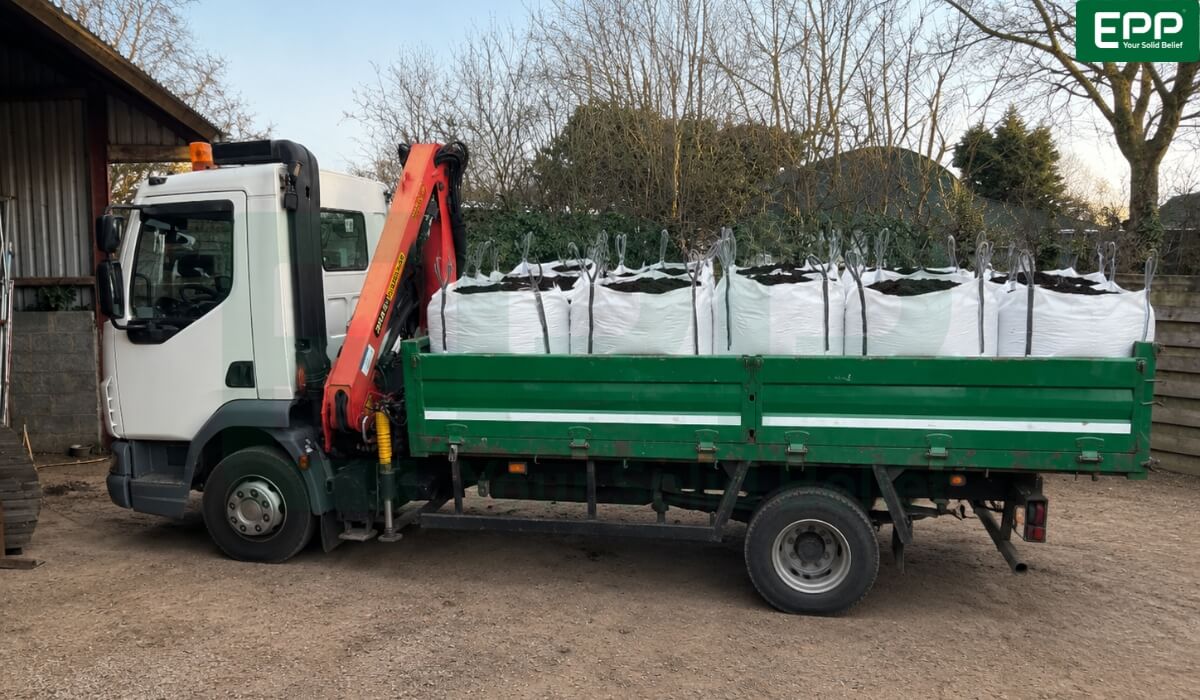
Safe transportation of compost bulk bags
Frequently Asked Questions About PE Liner
How Much Compost Is in a Bulk Bag?
A standard compost ton bag typically holds between 500 kg to 1000 kg of compost, depending on the bag’s size and the density of the compost material. This allows for efficient storage and transportation of significant quantities.
Where to Store Compost Bulk Bags?
The best place to store bulk bags of compost is in a cool, dry area that is protected from moisture and direct sunlight. Proper ventilation is also essential to prevent moisture buildup. Keeping the bags off the ground on pallets or shelves can further enhance protection against moisture and pests.
How Can I Lift Compost Bulk Bags?
To lift compost tonne bags safely, use a forklift or pallet jack equipped with the appropriate attachments. Ensure that all lifting loops are intact and that the bag is balanced before lifting. Always follow safety protocols to prevent accidents during handling.
Can I Reuse Compost Bulk Bags?
Yes, compost bags with a 6:1 Safety Factor are engineered for multiple trips. Before refilling, inspect all seams and loops for signs of wear, ensure the interior is clean, and discard any bags showing structural damage or UV fading.
Conclusion
In conclusion, compost bulk bags provide an efficient and practical solution for storing and transporting compost. Their durability, cost-effectiveness, and versatility make them essential for various applications in gardening and landscaping.
For detailed consultation and quotations tailored to your specific needs, contact EPP Vietnam today. We offer a wide range of FIBC bags, including compost bulk bags and other bulk solutions, ensuring you have the right packaging for your projects. Let us help you optimize your material handling and enhance your operational efficiency!
Website: epp.vn
Alibaba website: https://eppvietnam.trustpass.alibaba.com/
Email: [email protected] Hotline/ Whatsapps: +84 986 002 888