In industrial manufacturing, chemical storage, and global logistics, securing safe, compliant, and durable bulk packaging is vital. Handling volatile compounds, corrosive granules, or fine hygroscopic powders demands specialized packaging solutions that safeguard both human lives and the environment.
As a leading supplier for bulk bags and PP woven bags, EPP Vietnam connects international enterprise buyers with an integrated network of Vietnam’s leading certified packaging manufacturing facilities, delivering engineered packaging solutions tailored to stringent international standards.
What Are Chemical Bags and Why Is Correct Packaging Critical?
Industrial chemical bags encompass a broad range of heavy-duty woven polypropylene (PP) packaging solutions—ranging from 25kg–50kg small sacks to large 500kg–2000kg Flexible Intermediate Bulk Containers (FIBCs / Jumbo bags). These bags are engineered to store, transport, and discharge hazardous and non-hazardous chemicals safely across international supply chains.
Selecting the correct chemical packaging specification is a critical operational priority:
- Preventing Hazardous Chemical Leakage: Fine chemical powders and corrosive granules require liquid-tight, dust-proof barriers to prevent environmental contamination and health risks for logistics handlers.
- Mitigating Static Explosion Risks: Rapid filling and discharging of dry bulk chemicals generate triboelectric static charges. Without antistatic protection, electrostatic sparks can trigger dust explosions in volatile atmospheres.
- Protecting Product Integrity: Moisture ingress can cause hygroscopic compounds (such as fertilizers or soda ash) to cake or degrade, rendering entire shipments unusable.
- Ensuring Regulatory Compliance: Transporting dangerous goods requires United Nations (UN) certified packaging to clear international ports without cargo rejections or legal penalties.
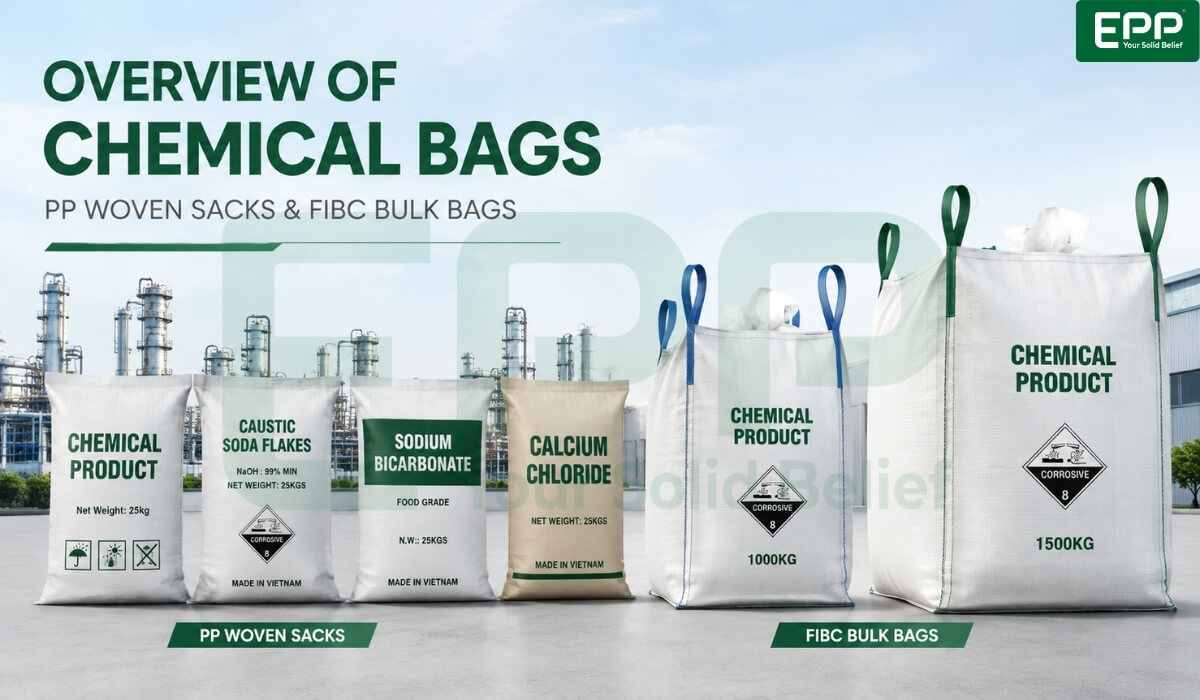
Primary types of chemical bags engineered for safe containment and efficient logistics
Main Types of Chemical Bags for Industrial Packaging
Industrial chemical packaging falls into three primary categories based on capacity, structural design, and environmental sustainability:
Medium Chemical Woven Sacks (25kg – 50kg)
BOPP Laminated PP Woven Bags feature an outer layer of Biaxially Oriented Polypropylene (BOPP) film reverse-printed and laminated to high-strength woven PP fabric. They offer complete moisture resistance, high puncture resistance, and vibrant graphics for commercial chemical branding. For cost-effective solutions in high-volume small sack orders, explore our options in cheap PP woven bags.
PP Woven Bags with PE Liners combine high tensile strength woven PP outer shells with internal Polyethylene (PE) inner liners (tubular or form-fit). You can also review our complete catalog of high-strength woven sacks for medium-capacity needs.
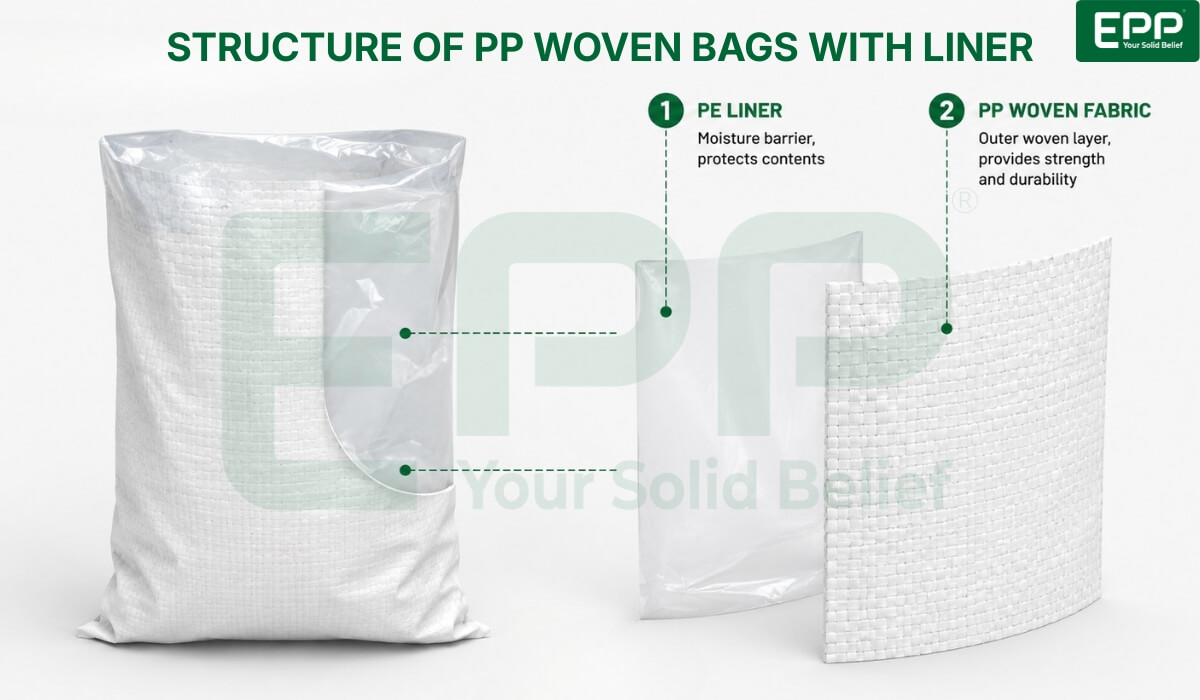
Structure of outer PP woven bag paired with a protective inner PE liner
Large Capacity Chemical FIBC Bulk Bags (500kg – 2,000kg)
Standard 4-Panel & Circular Chemical FIBCs are heavy-duty super sacks built from coated or uncoated PP fabric, equipped with specialized fill spouts and discharge outlets for automated bulk handling. Browse our complete selection of jumbo big bags designed for heavy-duty chemical logistics.
Baffle Chemical Bags (Q-Bags / Formstable) are designed with internal fabric baffles sewn across the corners to maintain a square shape post-filling. This structural enhancement prevents sidewall bulging, maximizing ocean container payload efficiency by 20–25%.
Eco-Friendly & Sustainable Chemical Packaging Options
Recycled PP Chemical Bags (rPP) incorporate certified post-industrial or post-consumer recycled polypropylene resins to help global enterprises meet ESG sustainability goals without compromising tensile strength. Read more about sustainable packaging transitions in our technical breakdown on recycled polypropylene bags.
Technical & Safety Specifications for Chemical Packaging
To operate safely in regulated industrial environments, chemical bags must comply with strict electrostatic and hazard transport standards:
Electrostatic Protection Classifications (Types A, B, C, D big bags)
- Type A: Standard woven PP fabric offering no electrostatic protection. Restricted to non-combustible chemicals in non-flammable environments.
- Type B: Low breakdown voltage (< 6 kV) fabric that prevents high-energy propagating brush discharges, suitable for dry, non-flammable bulk chemical powders.
- Type C FIBC bags(Groundable): Formulated with interconnected conductive carbon threads woven into the fabric. MUST BE GROUNDED during filling and discharging to route static build-up safely to the earth.
- Type D big bags(Static-Dissipative): Manufactured with specialized antistatic yarns that dissipate static charge into the atmosphere via low-energy corona discharge WITHOUT REQUIRING GROUNDING.

UN Certified Hazardous Goods Transport
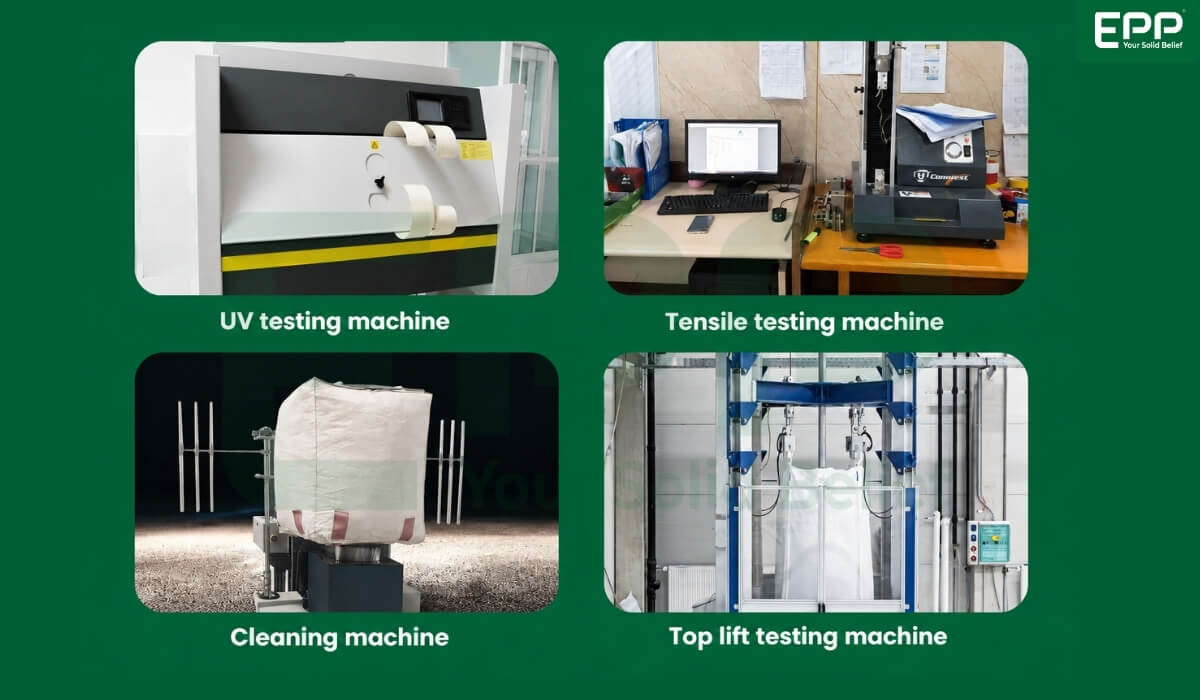
Bags engineered for dangerous chemicals (Hazmat) must earn official UN Packaging Certification both small Pp woven bags and large FIBC bags called UN big bags. Testing regimes include:
- Drop Test: Dropped filled to capacity from heights between 0.8m to 1.8m based on UN Packing Group (Group I, II, or III).
- Stacking Test: Subjected to top-load forces simulating prolonged multi-tier warehouse stacking.
- Top Lift & Tear Tests: Verifying strap integrity and ensuring tears do not propagate under dynamic load stresses.
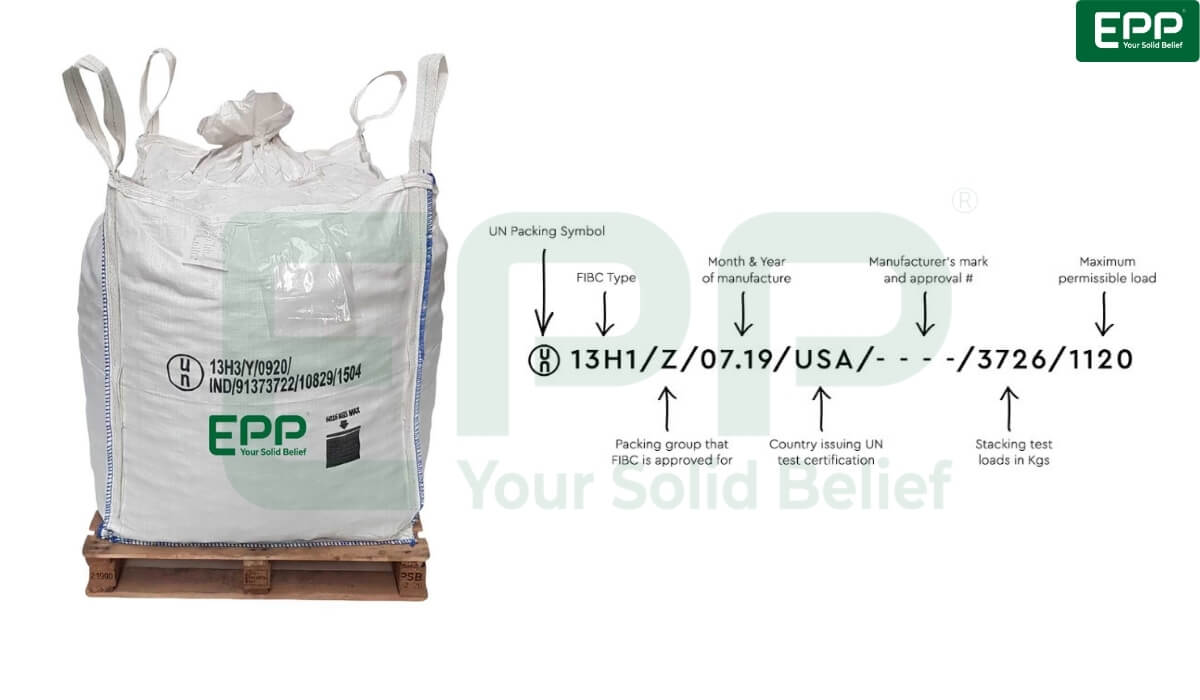
UN chemical bags for hazadous goods and UN marking explaination
How to Select the Right Chemical Bags: B2B Buying Checklist
| Evaluation Criterion | Non-Hazardous Dry Granules | Fine Powders / Moisture-Sensitive | Dangerous / Explosive Chemicals |
| Recommended Bag Type | Standard PP Woven / Type A FIBC | PP Woven Bag with PE Liner / Coated FIBC | UN Certified |
| Surface Treatment | Uncoated (Breathable) | Coated (PP/PE Laminated) + Dust-proof Seams | Woven Yarns |
| Moisture Protection | Standard | High-Barrier PE/Aluminum Foil Liner | According to UN Hazmat Regulations |
| Safety Factor (SF) | 5:1 (Single-trip) | 5:1 or 6:1 (Multi-trip) | 6:1 or 8:1 (UN Class Heavy-Duty) |