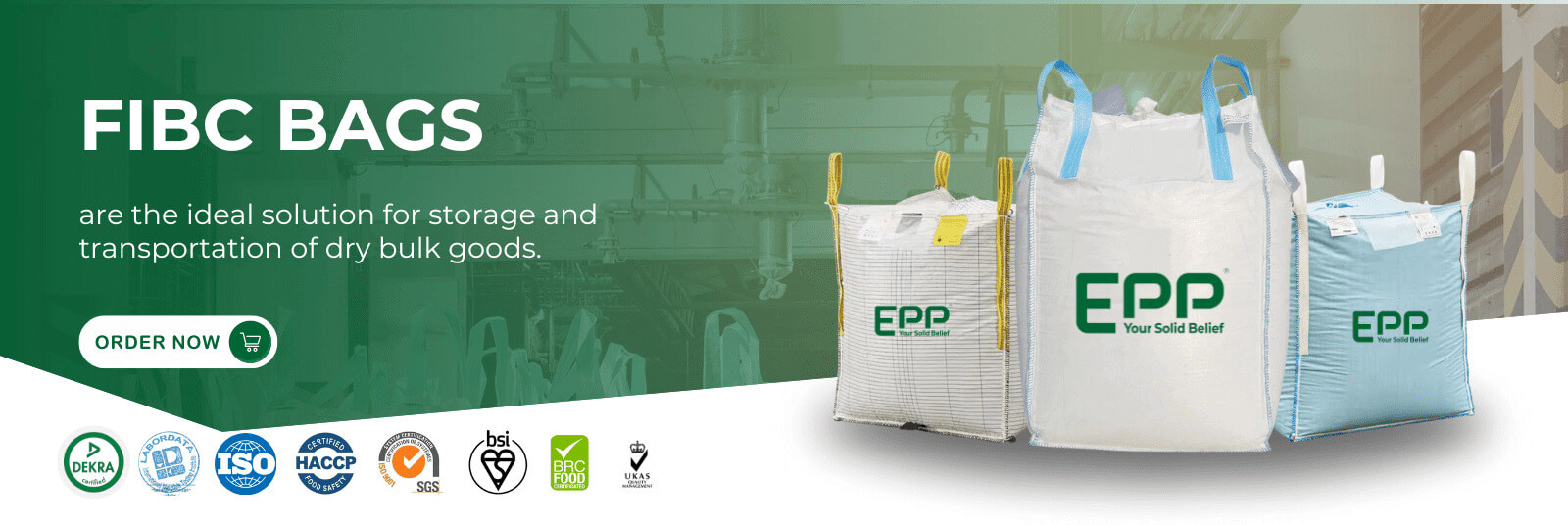
In global supply chain management, procurement officers in agriculture, mining, chemicals, and construction are under continuous pressure to reduce operational expenditures. This has driven a major surge in demand for cheap fibc jumbo bags across international B2B markets. However, sourcing low-cost bulk packaging is a double-edged sword: while it offers immediate per-unit savings, cutting corners on material quality can lead to catastrophic bag failures, product loss, and severe safety hazards.
At EPP Vietnam, a leading FIBC supplier in Vietnam with decades of manufacturing and export expertise, we believe that true cost reduction should never come at the expense of structural integrity. Understanding how to source affordable bulk bags safely allows enterprise buyers to optimize packaging budgets while protecting workers, cargo, and corporate reputation.
What Does “Cheap FIBC Jumbo Bags” Really Mean in B2B Trade?
In commercial international trade, the phrase cheap fibc jumbo bags is often misunderstood. To an inexperienced buyer, it might suggest low-grade, flimsy packaging. To a seasoned procurement professional, however, it represents value-engineered, factory-direct sourcing.
Distinguishing Low-Cost Sourcing from Low-Quality Packaging
There is a fundamental difference between a cheap bag made from degraded recycled materials and a cost-effective bag produced through large-scale manufacturing efficiencies:
- Low-Quality Packaging: Manufactured using unverified recycled polypropylene (PP) flakes, thin fabric weave, and substandard stitching. These bags lack UV resistance and break easily under load.
- Value-Engineered Sourcing: Produced using 100% virgin PP resin in high-capacity, automated facilities. Cost savings are achieved through lean production, bulk raw material purchasing, and direct OEM supply, rather than compromising material purity.

Low-grade FIBC bags fail under pressure, whereas value-engineered 100% virgin PP bags protect your cargo.
The Hidden Costs of Ultra-Cheap FIBC Bags
Selecting ultra-cheap, uncertified bags to save a few cents per unit frequently results in massive financial liabilities:
- Structural Failure: A torn bag or broken lift loop during crane or forklift transit can spill 1,000 kg to 2,000 kg of valuable material.
- Operational Delays: Equipment downtime and port clearance holds caused by spilled cargo incur heavy fines and demurrage fees.
- Brand Damage: Receiving damaged bulk goods damages your client relationships and compromises future supply contracts.
What Determines the Price of Jumbo Bags?
To evaluate whether a quote for cheap fibc jumbo bags is realistic and safe, buyers must understand the core cost drivers behind bulk bag manufacturing.
Polypropylene Resin Market Fluctuations & Material Purity
Polypropylene (PP) resin accounts for over 60% of the total manufacturing cost of an FIBC. High-grade bags utilize 100% virgin PP resin to ensure maximum tensile strength and full compliance with FDA/EU food contact regulations. Substandard suppliers lower prices by blending recycled PP additives, which significantly degrades the molecular structure and load-bearing capacity of the fabric.
Bag Construction & Technical Specifications
The structural complexity of the bag directly dictates its wholesale price point:
- Fabric Weight (GSM): Fabric density ranging from 80 GSM to over 240 GSM determines puncture resistance and working capacity.
- Safe Working Load (SWL) & Safety Factor (SF): Standard single-trip bags operate at a 5:1 SF (handling up to 1,000 kg), while heavy-duty multi-trip bags require a 6:1 SF, requiring heavier fabric and reinforced stitching.
- Design Type: Simple four-panel or circular bags are more economical to produce than form-stable baffle bags (Q-bags) or anti-static Type C/D containers.
To examine how these technical choices impact your bottom line, review our comprehensive analysis on how much does a super sack cost to benchmark your bulk packaging expenditure accurately.

International Import Tariffs & Geopolitical Sourcing Advantages
Trade policies heavily influence the final landed price of imported bulk packaging. For example, importing bulk bags into North American or European markets from nations subject to trade surcharges or anti-dumping duties (>23.4%) inflates overall costs. Sourcing from favorable trade hubs like Vietnam allows buyers to leverage duty-free or reduced tariff structures alongside competitive labor rates.
-

Leveraging export-direct supply channels and Vietnam’s trade tariff advantages with EPP Vietnam to cut bulk packaging procurement costs.
Wholesale Price Benchmark: Expected Cost Range for Jumbo Bags
The table below provides a realistic wholesale price benchmark for export-grade bulk bags when ordering in high volumes (FOB Vietnam):
| FIBC Jumbo Bag Category | Technical Specifications (SWL / Material) | Estimated Wholesale Price Range (USD) | Primary Industrial Application |
| Standard Type A Jumbo Bags | 1000kg, 100% Virgin PP, Single-use (SF 5:1) | $5.0 – $6.0 / bag | Sand, Aggregates, Construction Waste |
| Form-Stable Baffle Bags (Q-Bags) | 1000kg – 1500kg, Internal Baffles, SF 5:1 | $6.00 – $8.0 / bag | Fine Powders, Chemicals, Grains |
| Certified Food-Grade FIBCs | BRCGS Cleanroom, PE Liner, FDA Virgin Resin | $9.0 – $11.0 / bag | Milk Powder, Starch, Sugar, Spices |
| UN Certified Hazardous Bags | UN Approved for Dangerous Goods, Heavy-Duty | $9.0 – $11.0 / bag | Hazardous Chemicals, Mining Minerals |
Note: The prices listed above are estimated FOB benchmarks for high-volume orders. The exact price per bag will vary depending on specific technical customizations, including fabric weight (GSM), loop configuration, coating/dust-proofing, PE liner thickness, color printing, and special discharge spout mechanisms.

Are Cheap FIBC Jumbo Bags Safe and Reliable?
Yes, cheap fibc jumbo bags can be completely safe and reliable—provided they are sourced from an established, certified factory that optimizes manufacturing overhead rather than skimping on structural testing.
Safety in low-cost packaging depends entirely on rigorous quality assurance protocols. Every production batch must undergo standard ISO 21898 testing, including cyclic top-lift testing, stack testing, and UV weathering endurance. When a reputable factory supplies cost-effective big bags, the lower price reflects automated production efficiency and direct raw material sourcing, not compromised safety standards.
How to Secure Cheap FIBC Jumbo Bags Without Compromising Quality & Safety?
Securing budget-friendly bulk packaging requires a strategic procurement approach. Enterprise buyers can achieve substantial savings without exposing their operations to risk by following three core practices:
1. Source Directly Through Leading Bulk Packaging Suppliers
Bypass unnecessary trading layers and local distributors who add 15% to 30% markups to your bulk packaging budget. Partnering directly with a primary FIBC supplier like EPP Vietnam gives you direct access to competitive wholesale pricing, reliable supply chain management, and tailored bag engineering. For a deeper breakdown on evaluating supply channels, read our guide on evaluating domestic vs international bulk bag wholesale suppliers to streamline your purchasing strategy.
2. Standardize Dimensions & Optimize Container Loading
Custom bag dimensions often incur higher cutting waste and slower production setup times. By standardizing your bag dimensions to match standard pallet footprints and 40ft High Cube container volumes, you reduce unit production costs and maximize ocean freight capacity.
3. Require Independent Quality Certifications
Never compromise on verification. Ensure your supplier holds international certifications such as ISO 9001, ISO 21898, BRCGS (for food packaging), and ISO 22000. Request third-party SGS test reports for UV resistance and tensile strength before placing mass orders.
Why Global Buyers Are Turning to Vietnam for Cost-Effective Jumbo Bags?
Vietnam has rapidly emerged as a primary global hub for high-grade, competitive technical textiles and industrial packaging.
Vietnam’s Competitive Advantage in Technical Textiles
Vietnam offers an optimal combination of highly skilled textile labor, modern manufacturing infrastructure, and competitive energy costs. Furthermore, Vietnam’s extensive network of Free Trade Agreements (FTAs) with the EU, Japan, Korea, Australia, and the Americas provides significant tariff advantages over traditional supply sources.
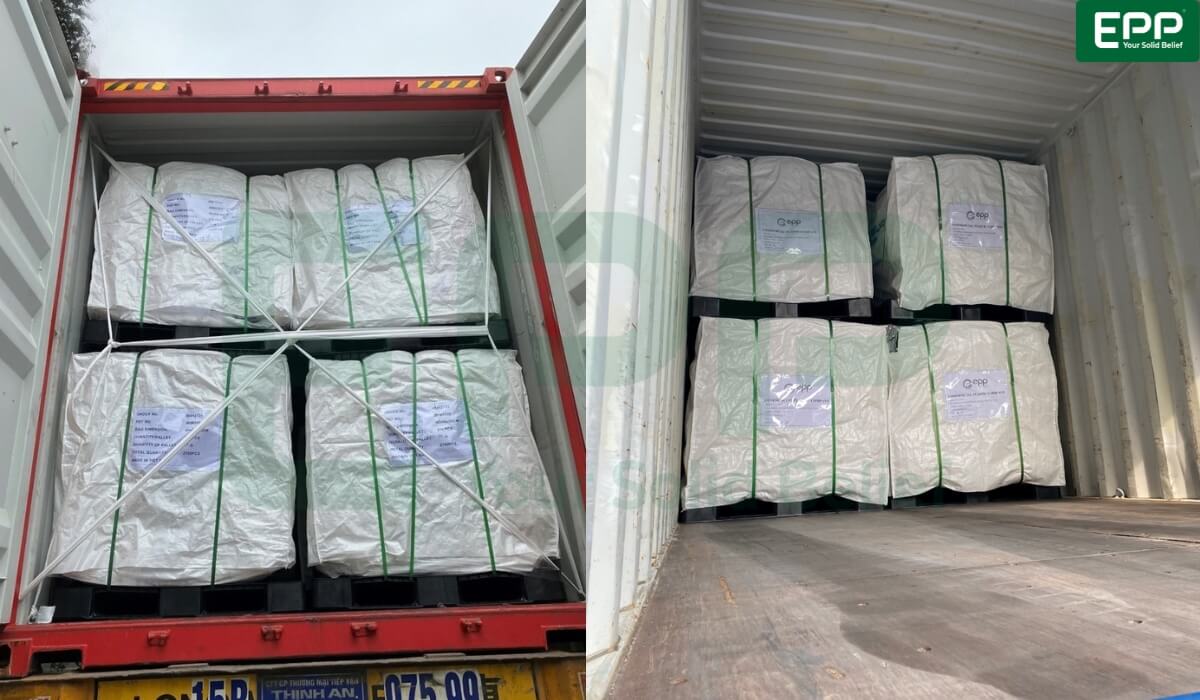
High-quality FIBC bulk bags prepared for export to the Australian market.
EPP Vietnam: Delivering Value Without Compromise
As a leading FIBC supplier in Vietnam, EPP Vietnam operates state-of-the-art weaving and cleanroom facilities. We specialize in producing fully certified, budget-optimized cheap fibc jumbo bags engineered from 100% virgin polypropylene.
Whether you require standard construction bags or specialized food-grade containers, EPP Vietnam delivers factory-direct pricing backed by rigorous ISO quality management. Explore our complete selection of export-grade FIBC bags to find the ideal bulk packaging solution for your facility, or review our curated list of the top 5 reliable big bag suppliers in Vietnam to evaluate Vietnam’s manufacturing capabilities.
Frequently Asked Questions (FAQs)
Are cheap FIBC jumbo bags safe for heavy-duty 1-ton applications?
Yes. As long as the bags are produced from 100% virgin polypropylene resin, certified to ISO 21898 standards, and carry a verified 5:1 or 6:1 Safety Factor rating, low-cost jumbo bags are completely safe for 1-ton (1,000 kg) or higher loads.
How can I reduce the per-unit cost of FIBC bulk bags for my company?
You can reduce the unit cost of FIBC jumbo bags by placing larger orders, such as full container loads (FCL), standardizing bag dimensions, and selecting standard loop configurations. For international buyers, sourcing through a reliable Vietnam-based packaging supplier can also help optimize costs and reduce unnecessary intermediary markups.
What certifications should I look for when buying low-cost jumbo bags?
Key certifications include ISO 9001 for Quality Management and ISO 21898 for FIBC Performance Standards.
Conclusion
The market trend toward sourcing cheap fibc jumbo bags reflects a smart drive toward supply chain efficiency. However, true cost-effectiveness is achieved by eliminating middleman markups and optimizing logistics—not by accepting low-quality recycled materials that risk structural failure.
By partnering with certified supplier like EPP Vietnam, global enterprise buyers secure competitive factory-direct pricing while maintaining uncompromised safety, durability, and compliance. Contact EPP Vietnam’s technical sales team today to request a customized quote, order product samples, and optimize your bulk packaging budget!
Website: epp.vn
Alibaba website: https://eppvietnam.trustpass.alibaba.com/
Email: [email protected] Hotline/ Whatsapps: +84 986 002 888