When analyzing the international logistics and bulk packaging sector, the big bags price is currently the most critical metric for global supply chain managers. As we look toward 2026, the market for Flexible Intermediate Bulk Containers (FIBC) is no longer just about moving powder or granules; it is about high-performance engineering, safety compliance, and navigating a complex web of global trade values.
The industry has seen a massive influx of capital and demand over the last few years. To understand the future, we must look at the recent past: according to statistics from TradeMap, in 2024, the value of imported FIBC bags (specifically under HS code 630532: Flexible Intermediate Bulk Containers of man-made textile materials) reached a significant milestone where certain key corridors alone saw values exceeding 2.6 million USD in high-frequency trade periods. This scale of investment underscores why the “big bags price” is evolving from a simple commodity cost into a strategic financial indicator.
Current big bags Market Overview

The FIBC market is currently characterized by a robust growth trajectory, driven by the global transition toward flexible packaging solutions. Analysts estimate the global market size for these containers is expanding at a Compound Annual Growth Rate (CAGR) of approximately 5-6%, as traditional rigid drums and wooden crates are phased out in favor of the efficiency offered by high-class jumbo bags.
Key Exporting Countries
The supply side of the market is dominated by four primary manufacturing hubs, each offering distinct advantages in the global big bags price hierarchy:
- India: Currently the largest global producer, benefiting from massive domestic polypropylene production and a mature textile labor force.
- Vietnam: The fastest-growing alternative, highly favored for its modern factories and aggressive Free Trade Agreements (FTAs) that lower landed costs for Western buyers.
- Turkey: A strategic hub for the European market, offering shorter lead times and high-quality “Type C” and “Type D” technical bags.
- China: While moving toward higher-value manufacturing, China remains a critical volume player, particularly for standard industrial-grade containers.
Major Importing Regions
The demand is heavily concentrated in industrialized regions that require bulk material handling for manufacturing and infrastructure:
- The United States: The largest single-country importer, driven by the massive chemical and construction industries.
- The European Union (EU): A region with strict regulatory requirements for food-grade and sustainable packaging.
- Japan: A market that prioritizes precision, high-safety factors (6:1), and clean-room manufacturing standards.
Sectoral Demand Drivers
The role of specific industries is paramount in shaping the market’s evolution. In agriculture, jumbo bags are the standard for seed and fertilizer distribution. The food industry has pushed the market toward BRC-certified, “clean-room” bags to prevent contamination. In chemicals, the need for static-dissipative materials is non-negotiable, while the construction sector utilizes the highest volumes of standard bags for sand, gravel, and debris management.
Factors Shaping the Big Bags Price in 2026

The Polypropylene
The primary component of any FIBC is woven polypropylene. Historically, PP prices have been volatile, reacting to oil prices and refinery capacities. However, by 2026, we expect a “decoupling” effect. While base resin prices will remain a factor, the high-class jumbo bag market will be more influenced by the quality of the resin and the additives used for UV protection and anti-static properties.
Labor and Automation
Manufacturing a high-class jumbo bag is a labor-intensive process involving precision sewing and clean-room environments. As labor costs rise in traditional manufacturing hubs, countries like Vietnam have invested heavily in semi-automated sewing lines and ultrasonic cutting technology. This investment allows for a more stable “big bags price” by reducing the margin of human error and increasing the speed of production, even as the complexity of the bag designs increases.
Sustainability and the “Circular Economy”
By 2026, sustainability will no longer be an optional “add-on.” Regulatory frameworks in Europe and North America are beginning to mandate a percentage of Post-Consumer Recycled (PCR) content in plastic packaging. Buyers are increasingly looking for 6:1 safety factor bags that can be refurbished and reused, which changes the procurement math from “cost per bag” to “cost per trip.”
Detailed Market Segmentation for 2026
Food-Grade and Pharmaceutical Standards
The most significant growth area is in high-hygiene sectors. These bags require BRC or ISO 22000 certified facilities. In 2026, the big bags price gap between “standard” industrial bags and “food-grade” bags is expected to widen. Buyers should budget for a 15-20% premium for these specialized containers, which utilize ultrasonic sealing to prevent loose threads and undergo rigorous metal detection.
Technical and Conductive Bags (Type C and D)
As the renewable energy sector grows, so does the transport of volatile materials used in battery manufacturing. This requires Type C (groundable) and Type D (antistatic) jumbo bags. These technical specifications involve interwoven conductive yarns, which are highly sensitive to the cost of specialized raw materials.
Why Vietnam is the Strategic Choice for 2026
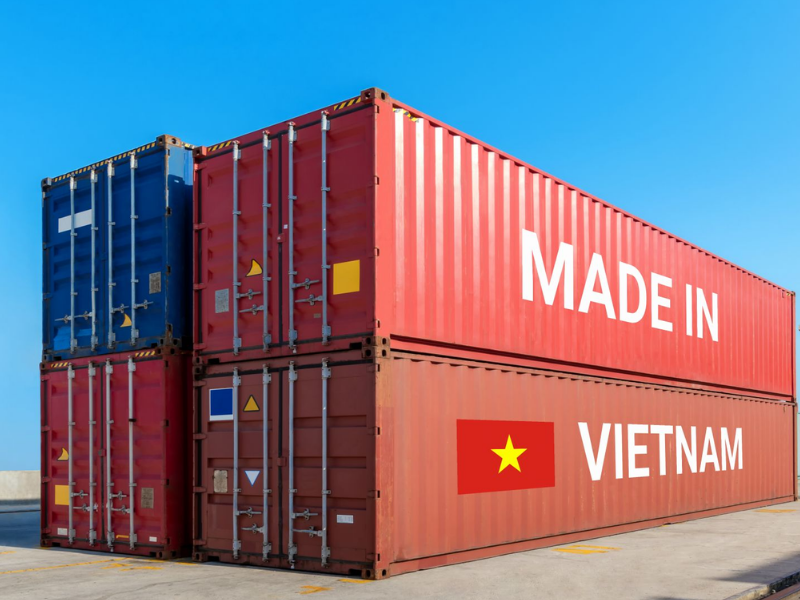
Vietnam has emerged as a premier hub for HS code 630532 exports. The country’s strategic advantages directly impact the final delivered big bags price:
- Free Trade Agreements (FTAs): Vietnam’s participation in the CPTPP and EVFTA means that many buyers in Europe and the Pacific can import these bags with 0% or significantly reduced duties. When compared to the 2024 TradeMap benchmarks, the duty savings alone can make Vietnamese suppliers 6-12% more cost-effective than competitors in non-FTA countries.
- Geopolitical Stability: In an era of trade wars and tariffs, Vietnam offers a stable “China Plus One” alternative, ensuring that supply chains remain uninterrupted.
Forecasting the 2026 Procurement Cycle
Based on our analysis and current industrial expansion, we foresee the following pricing behavior in 2026:
| Period | Trend | Driver |
|---|---|---|
| Q1 2026 | Moderate Rise (+2-3%) | Annual contract resets and Chinese New Year logistics shifts. |
| Q2 2026 | Stability | Peak agricultural demand balanced by high production output. |
| Q3 2026 | Slight Softening | Potential easing of resin prices as new global capacity comes online. |
| Q4 2026 | Firming (+1-2%) | Pre-holiday stockpiling and energy surcharges in winter months. |
Strategic Recommendations for Global Buyers of big bags
Move Beyond Spot Pricing
In 2026, relying on the spot market for your big bags price is a high-risk strategy. We recommend “Index-Based Pricing” models where the price is adjusted quarterly based on a pre-agreed resin index. This protects both the supplier and the buyer from extreme market shocks.
Quality Auditing
As we saw with the high import values in 2024, the volume of trade is high, which often leads to “quality drift” among lower-tier suppliers. Ensure your 2026 contracts include mandatory third-party testing for quality.
Logistics and Palletization
The final price of a jumbo bag is often affected by how many can be stuffed into a 40ft High Cube container. Work with suppliers who offer vacuum-packing or specialized bailing techniques to maximize container density, effectively lowering the cost of each bag.
The big bags price is no longer a static number but a reflection of global trade policy, material science, and ESG (Environmental, Social, and Governance) commitments.
For procurement professionals, the goal for 2026 should be to build resilient partnerships with manufacturers who understand these nuances. By focusing on high-class jumbo bags from strategic hubs like Vietnam, businesses can ensure they are not just buying a container, but securing a vital link in their global supply chain that is safe, compliant, and cost-effective.