
FIBC packaging methods are often the unsung heroes of a profitable supply chain. When you are managing global procurement, it is easy to fixate on the unit price of the bag itself. However, seasoned logistics managers know that how an empty bulk bag is folded, baled, and loaded into a container is a massive financial lever. It directly impacts your freight bill, how fast your team can unload the gear, and whether the product arrives in perfect condition.
Whether you are deciding where to buy empty bulk bags for commercial supply or configuring direct factory shipping specs, this guide breaks down industry-standard FIBC packaging methods. We compare the density of bales against the efficiency of pallets and share insider tips from EPP Vietnam on safe container loading to help keep your landed costs as low as possible.
Why FIBC Packaging Methods Matter
You might be wondering, why does the packaging method matter so much? The answer comes down to your Total Landed Cost. Getting a cheap price on a bag doesn’t help much if the packaging method wastes space in the shipping container, forcing you to pay for shipping air. It is even worse if the bags arrive in a condition that requires your warehouse team to spend hours manually unloading them.
Effective packaging balances two competing needs:
- Maximize Density: Fit as many empty bags as possible into the container to lower the freight cost per unit.
- Maximize Efficiency: Ensure the bags can be unloaded quickly and safely when they reach your dock.
Choosing the wrong method can lead to damaged inventory, customs nightmares over non-compliant wood, or expensive demurrage fees because the unloading process took too long.
Different FIBC Packaging Methods at the Bulk bag Factory
Packaging bulk bags can be done in various ways depending on the specific storage, transit, and handling requirements of the materials being handled.
1. Packing in Bales (10 pcs/bale)
This method involves grouping multiple bulk bags into a single compressed bale for efficient storage and transport. Typically, 10 bags are packed together, making it easier to handle larger quantities while maintaining stability and reducing volume.

6 bales of FIBC bags is carefully stacked on pallets
2. Packages with Woven Fabric Covers (100–200 pcs/package)
In this approach, bulk bags are packaged in groups of 100 to 200 and wrapped in a heavy-duty woven polypropylene cover. Among other FIBC Packaging Methods, this provides additional protection against environmental contaminants, dust, and moisture during transit. Each package is labeled for tracking and inventory management.

FIBC packages is stacked in EPP Vietnam’s factory ready for loading into container
3. Packaging on Pallets (100–200 pcs/pallet)
Bulk bags are stabilized on sturdy wooden or plastic pallets, with 100 to 200 bags per pallet unit. Palletized packaging ensures stability during transport and enables fast mechanical loading and unloading using forklifts or pallet jacks.

FIBC pallets engineered by EPP Vietnam for seamless warehouse handling and maximum freight efficiency
4. Custom Packaging Solutions
Customization is key when packaging bulk bags. Depending on unique customer requests, factory specs can be tailored for specific bundle quantities, custom pallet dimensions, or specialized moisture barriers to ensure maximum product safety.
Steps for Packaging Bulk Bags in Containers
Loading FIBC bags in shipping containers requires careful planning and execution to ensure safe transit across ocean or road routes:

Every pallet is meticulously packed and strapped to meet strict export standards
- Prepare the Container: Thoroughly clean and inspect the container interior. Ensure it is free of debris, chemical contaminants, oil stains, or sharp nails that could puncture bags. Inspect for wall rust, floor damage, or ceiling pinhole leaks.
- Organize the Workspace: Set up a clear, designated staging area. Gather necessary equipment, including forklifts, heavy-duty ratchet straps, and dunnage materials.
- Select the Right FIBC Bags: Match bag specs to container dimensions. Inspect incoming packaging to ensure units are free from manufacturing defects.
- Load the Bags: Use proper forklift handling techniques to position bales or pallets into the container. Following standard FIBC safe handling guidelines prevents structural damage to lifting loops and fabrics during staging.
- Secure the Load: Strap down every row of pallets or packages to prevent cargo shift during transit.
- Fill Empty Spaces: Use inflatable dunnage bags or foam padding to fill void spaces between pallet rows, preventing side-to-side tipping.
- Document the Process: Maintain photographic records and detailed packing lists for quality control, inventory tracking, and insurance verification.
EPP Vietnam Tips for Safe Loading of Empty FIBC Bags
As a leading global manufacturer and exporter of jumbo bags, EPP Vietnam recommends specific protocols to ensure your goods arrive in pristine condition.
Prioritize Palletization for Efficiency
We strongly recommend choosing palletized packages over loose floor-loading. While floor-loading loose packages saves the initial cost of pallets, the labor hours required to manually unload them without a forklift base can disrupt dock operations. In logistics, time is money, and pallets save time.
Mandatory Container Hygiene Checks
Before a single bag is loaded, the container must pass a rigorous inspection. Sweep and clean the container floor thoroughly to remove grit, oil, or debris that could contaminate the bottom layer. Furthermore, inspect the container walls and ceiling for light leaks. Even a tiny hole lets moisture in, creating “container rain” that damages woven fabric.
Once your shipment arrives at the destination, knowing how to preserve FIBC bulk bags in your warehouse will protect your inventory from long-term UV rays, dust, and environmental humidity.
ISPM 15 Compliance for Wood
If opting for wooden pallets, strict compliance with international phytosanitary standards is non-negotiable. Ensure your supplier heat-treats or fumigates all wooden packaging (ISPM 15 stamp). Skipping this step risks shipment rejection or quarantine at the destination port.
Transport & Load Securing
Movement inside the container during ocean transit is the main cause of packaging damage. Always ensure each row of pallets is secured with heavy-duty load straps inside the container. Additionally, coordinating logistics with specialized means of transporting FIBC bags—such as flatbeds with crane attachments or container chassis—ensures smooth transfer from port to final warehouse destination.
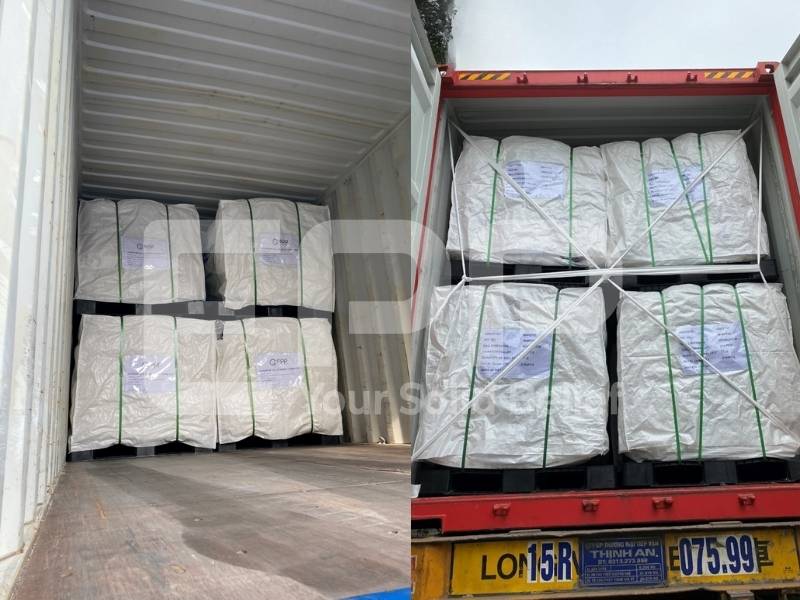
Professional load securing ensures your bulk bags arrive safely, regardless of the shipping distance
Conclusion
Selecting the right FIBC packaging methods is a strategic decision that protects your bottom line. While bales offer great density for short-haul transport, palletized packaging delivers the operational speed required for global trade. By following strict loading protocols—checking container hygiene, using compliant pallets, and securing loads—you ensure your investment is protected from the factory floor to your warehouse racking.

For expert consultation on high-quality big bags and optimized export solutions that save you money, contact EPP Vietnam today. Let us help you design a packaging strategy that fits your logistics needs perfectly.
Website: epp.vn
Alibaba website: https://eppvietnam.trustpass.alibaba.com/
Email: [email protected] Hotline/ Whatsapps: +84 986 002 888