
Calculating accurate Sea Freight Delivery Time from Vietnam to major international destinations is essential for B2B buyers. As Vietnam solidifies its position as a primary manufacturing hub in Southeast Asia, understanding ocean freight durations and transit variables allows international importers to balance inventory levels and manage logistics budgets effectively.
As a leading supplier of packaging and heavy-duty FIBC solutions in Vietnam, EPP Vietnam works directly with global logistics partners and manufacturing facilities to streamline export operations. This guide covers ocean transit durations, key delay drivers, and strategic methods to optimize your cargo throughput.
Estimated Sea Freight Delivery Times from Vietnam
Ocean transit times vary depending on the destination port, whether the route is direct or transshipped, and regional maritime conditions. Below are standard Port-to-Port and Door-to-Door transit benchmarks from major Vietnamese exit ports—such as Cai Mep International Terminal (Vung Tau), Cat Lai Port (Ho Chi Minh City), and Lach Huyen Port (Haiphong):
1. Delivery Times to North America (USA & Canada)
US West Coast (Los Angeles, Long Beach, Oakland): 18 to 25 days (Direct service via Cai Mep or Haiphong).
US East Coast (New York, Savannah, Charleston): 30 to 42 days (Via Panama Canal or Cape of Good Hope routes).
Logistics Tip: Importers sourcing goods for the American market should consult our detailed logistics breakdown for US-bound sea routes to choose between direct West Coast shipping or intermodal rail transfers to the Midwest.
2. Delivery Times to Europe & the United Kingdom
Northern Europe (Rotterdam, Hamburg, Felixstowe): 25 to 35 days (Standard Suez Canal route).
Mediterranean Ports (Barcelona, Genoa, Piraeus): 22 to 30 days.
Routing Impact: Maritime diversions around the Cape of Good Hope during Red Sea disruptions can add 10 to 14 days to the standard transit duration.
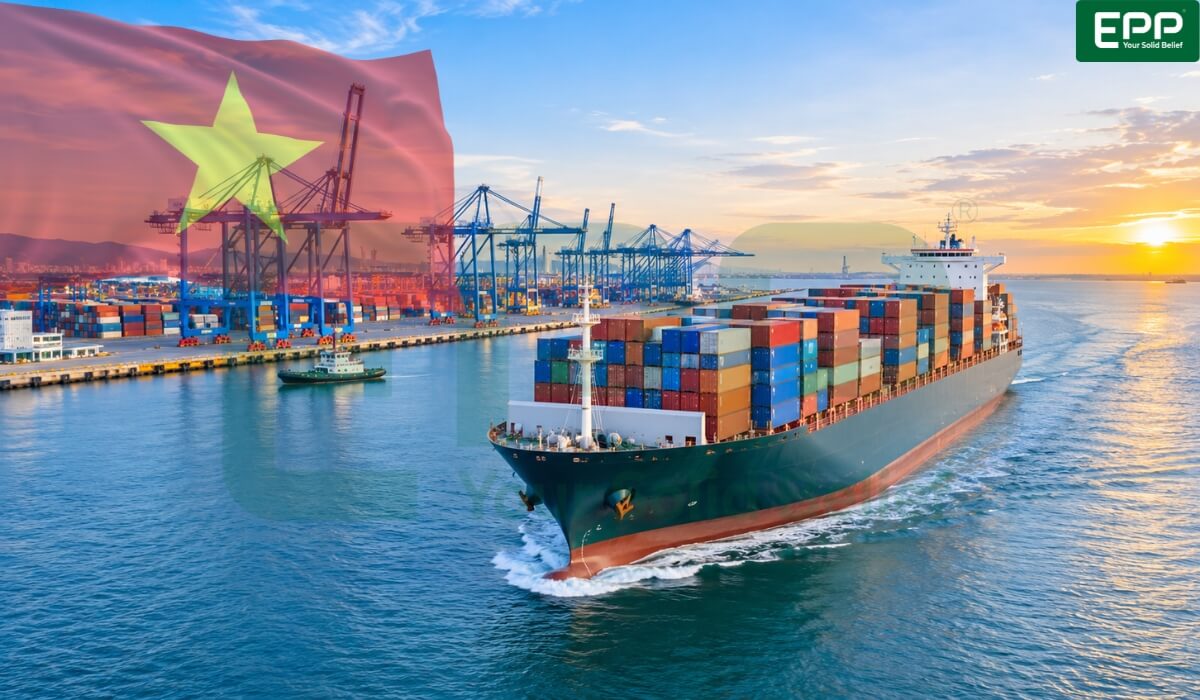
Direct vessel calls from Vietnam’s deep-water ports significantly shorten ocean transit durations to North America and Europe.
3. Delivery Times to Asia-Pacific & Australia
Southeast Asia (Singapore, Port Klang, Bangkok): 3 to 7 days.
East Asia (Tokyo, Busan, Shanghai): 5 to 12 days.
Australia & New Zealand (Sydney, Melbourne, Auckland): 12 to 18 days.
Master Comparison Matrix: Ocean Freight Transit Times
| Destination Region | Major Port of Entry | Estimated FCL Transit Time | Estimated LCL Transit Time | Total Door-to-Door Lead Time |
| US West Coast | Los Angeles / Long Beach | 18 – 25 days | 24 – 32 days | 32 – 40 days |
| US East Coast | New York / Savannah | 30 – 38 days | 35 – 45 days | 42 – 52 days |
| Northern Europe | Rotterdam / Hamburg | 25 – 35 days | 30 – 40 days | 38 – 48 days |
| East Asia | Tokyo / Busan | 5 – 10 days | 8 – 14 days | 12 – 18 days |
| Australia | Sydney / Melbourne | 12 – 16 days | 16 – 22 days | 22 – 28 days |
Key Factors Dictating Overall Ocean Freight Lead Times
Total Sea Freight Delivery Time encompasses much more than the water transit duration (Port-to-Port). Several key logistical stages shape your total door-to-door lead time:
1. FCL vs. LCL Shipping Method
- Full Container Load (FCL): Offers the fastest ocean timeline because the container is loaded and sealed at the supplier factory, dispatched directly to the port terminal, and mounted straight onto the container ship.
- Less than Container Load (LCL): Requires an additional 5 to 7 days at origin for cargo consolidation at a Container Freight Station (CFS) and another 3 to 5 days at the destination port for deconsolidation and customs clearance.
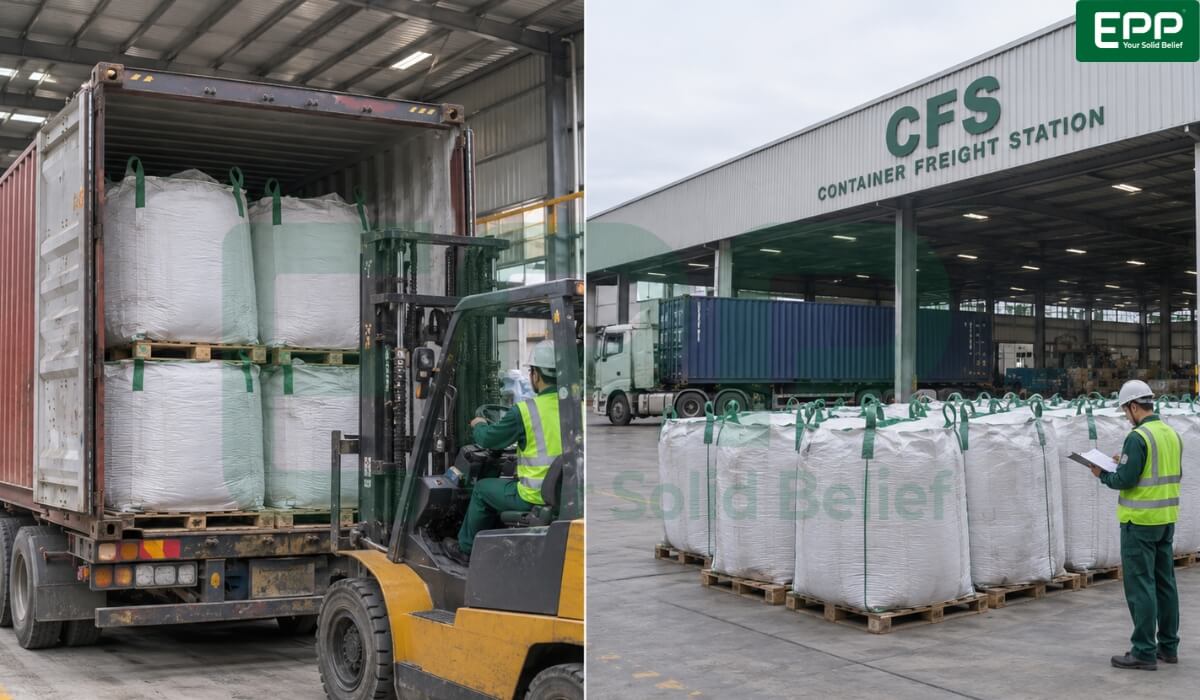
Choosing Full Container Load (FCL) shipping eliminates origin CFS consolidation steps, saving up to 5 to 7 days compared to LCL freight.
2. Port Infrastructure and Vessel Call Directness
Vietnam’s ongoing port infrastructure investments have introduced deep-water berths capable of handling ultra-large container vessels (ULCVs). Direct calls from Cai Mep or Lach Huyen eliminate the need for feeder vessels to Singapore or Hong Kong, reducing overall transit time by 3 to 5 days. You can read more about these regional updates in our overview of modern port infrastructure and supply chain upgrades in Vietnam.
3. Customs Clearance & Documentation Compliance
Export customs clearance in Vietnam typically takes 1 to 3 days provided all paperwork is compliant. Leveraging regional trade frameworks, such as leveraging preferential trade agreements for faster customs clearance, streamlines regulatory verification and reduces origin hold times.
How EPP Vietnam Helps Streamline Export Logistics and Reduce Dwell Time?
As a leading master supplier of industrial packaging, EPP Vietnam helps international buyers eliminate origin port bottlenecks, optimize container space, and lower landed costs:
- Container Volume Optimization: Our technical team designs custom Baffle FIBCs (Q-Bags) that maintain a square profile when filled. This maximizes container volume usage up to 95%–98%, reducing the total number of containers required for your shipment.
- 100% International Certification Compliance: EPP Vietnam supplies certified heavy-duty FIBC bulk packaging solutions manufactured in facilities certified to BRCGS, ISO 9001, ISO 22000, and UN dangerous goods standards. Fully compliant packaging eliminates destination port inspections caused by torn bags or material leakage.
- Rapid Turnaround & Mechanized Loading: Our standardized bulk packaging features heavy-duty cross-corner lifting loops, allowing forklift operators to load and unload full container shipments up to 3 times faster than loose bags or un-palletized cargo.

Vietnam’s multi-pillar logistics strategy elevates global competitiveness and supply chain resilience.
Strategic Recommendations to Prevent Sea Freight Delays
To effectively mitigate potential sea freight delays, importers must adopt a proactive strategy starting with early space reservation. During peak shipping seasons—typically spanning from August through December—container demand surges dramatically, leading to tight carrier capacity and a high risk of rolled cargo. Securing container allocations three to four weeks prior to your Cargo Ready Date (CRD) guarantees a spot on scheduled vessels, preventing costly supply chain bottlenecks before your cargo even reaches the port.
Equally important is establishing realistic lead times by incorporating a structured safety buffer into your purchasing schedule. Ocean transportation is inherently vulnerable to unpredictable disruptions, ranging from severe weather conditions and port congestion to transshipment blank sailings. By building a five- to seven-day buffer into your logistics timeline, you absorb these operational hiccups without compromising downstream manufacturing schedules, stock availability, or customer fulfillment deadlines.
Finally, administrative precision plays a critical role in maintaining seamless cargo movement at both origin and destination ports. Documentation errors—such as discrepancies between the Commercial Invoice, Packing List, Bill of Lading (B/L), and Certificate of Origin (C/O)—frequently trigger customs holds, physical inspections, and severe demurrage charges. Conducting a meticulous verification of all export documentation before vessel departure ensures instant regulatory compliance, enabling swift customs clearance and uninterrupted transit to your final destination.
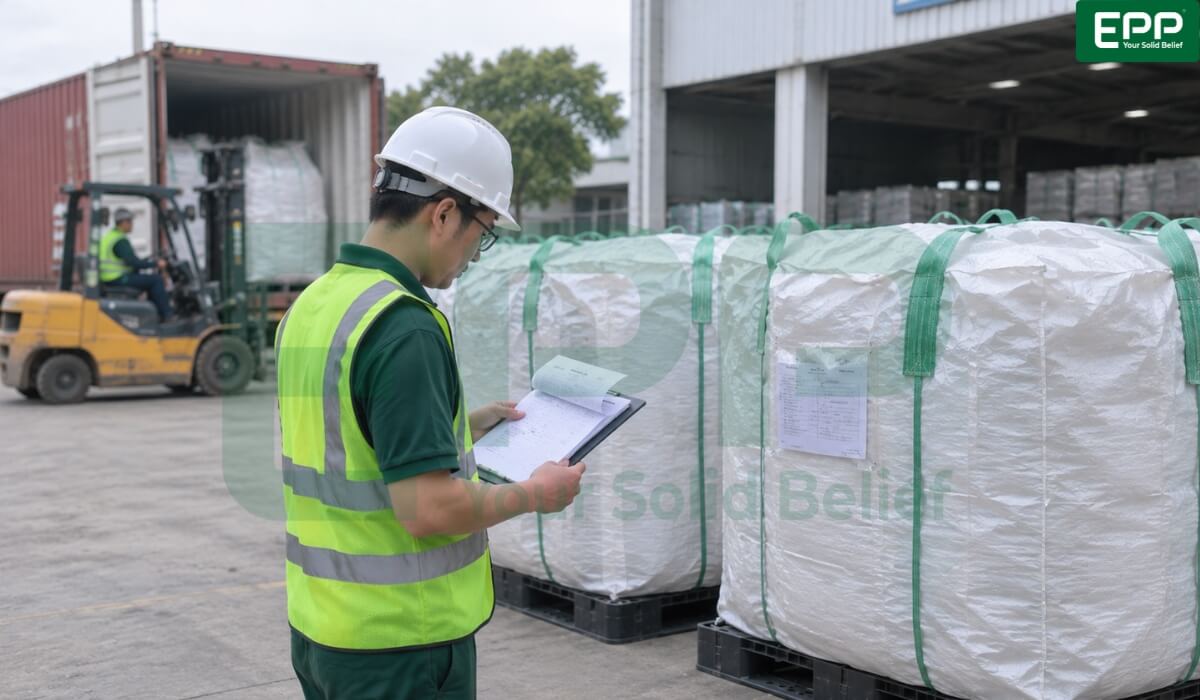
Three-way verification of commercial invoices, packing lists, and Bills of Lading before vessel departure prevents customs holds and demurrage fees.
Frequently Asked Questions About Sea Freight Delivery Time
Is FCL faster than LCL?
Yes, FCL is significantly faster than LCL. FCL containers move directly from the exporter’s warehouse to the port and onto the vessel without stopping at a Container Freight Station (CFS). LCL shipments require additional processing time (typically 5 to 10 extra days) for cargo consolidation at origin and deconsolidation at the destination port.
Does sea freight transit time include customs clearance?
No. Quoted “Port-to-Port” sea freight transit time measures only the physical duration the vessel spends traveling across the ocean between the port of loading and the port of discharge. Total “Door-to-Door” lead time must factor in origin customs clearance (1 to 3 days), port dwell time (2 to 5 days), and destination customs clearance (2 to 5 days).
What causes sea freight delays from Vietnam?
Common drivers of ocean freight delays include:
- Severe weather and typhoon seasons in the South China Sea.
- Peak season port congestion at destination hubs (such as US West Coast ports).
- Documentation errors on Bills of Lading or Certificates of Origin causing customs holds.
- Blank sailings (canceled vessel calls) by ocean carrier alliances adjusting capacity.
How does proper FIBC packaging prevent shipping delays at origin ports?
Using certified, high-quality bulk packaging prevents bag ruptures, dust leaks, and chemical spills during container stuffing. Regulatory port inspectors at origin terminals can reject uncertified or leaking cargo, leading to missed vessel cut-off dates. EPP Vietnam’s export-ready FIBC bags ensure instant compliance and smooth port handling.
How can I get a more accurate shipping estimate?
To receive a precise logistics estimate, provide your freight forwarder or supplier with the exact Cargo Ready Date (CRD), origin port, destination port, shipping terms (FOB vs. CIF vs. DDP), total weight, and container volume requirements (20ft, 40ft GP, or 40ft HC).
Conclusion
Managing Sea Freight Delivery Time effectively requires a clear understanding of transit routes, port operations, and proper cargo preparation. By choosing direct vessel services, planning realistic lead-time buffers, and utilizing certified bulk packaging from trusted supply partners like EPP Vietnam, global importers can safeguard their supply chains against unexpected maritime delays.
Contact EPP Vietnam today to discuss your export packaging specifications and streamline your global sourcing operations!
Website: epp.vn
Alibaba website: https://eppvietnam.trustpass.alibaba.com/
Email: [email protected] Hotline/ Whatsapps: +84 986 002 888