
Super sacks of sand are one of the most widely used bulk packaging solutions in the global construction industry today. As construction projects become larger, faster, and more regulated, contractors and material suppliers increasingly rely on super sacks—also known as FIBC bulk bags, jumbo bags, or bulk sand bags—to handle sand efficiently, safely, and cost-effectively.
With over 20 years of experience in manufacturing and exporting plastic packaging and FIBC bags, I have seen how the right super sack design can directly impact project efficiency, safety, and overall cost. This article provides a practical, industry-focused overview of super sacks of sand, based on real manufacturing and field experience.
What Are Super Sacks of Sand?
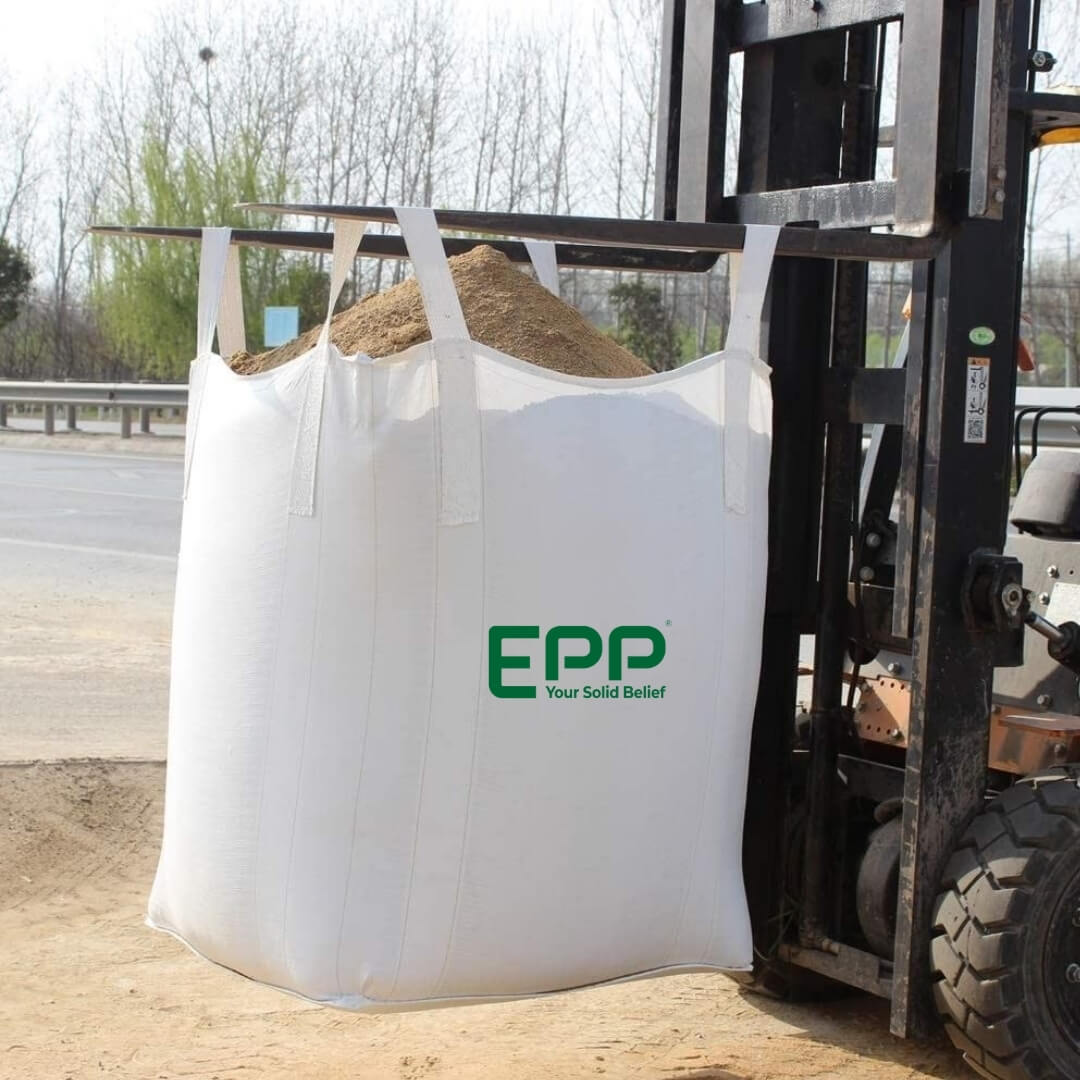
Super sacks of sand are Flexible Intermediate Bulk Containers (FIBCs) made from high-strength woven polypropylene fabric. They are designed to store, transport, and handle large quantities of sand in a single unit, typically ranging from 500 kg to 2,000 kg.
In construction, super sacks are commonly used for:
-
Concrete and mortar production
-
Foundation and base layer preparation
-
Road construction and infrastructure projects
-
Commercial and residential building sites
Compared to loose sand or small bags, super sacks provide better control, cleaner handling, and more predictable logistics. From a manufacturer’s standpoint, super sacks must be engineered to handle high weight, abrasion, and repeated lifting, especially in demanding job-site conditions.
Why the Construction Industry Uses Super Sacks of Sand?
The construction industry uses super sacks of sand for several practical and economic reasons.
Efficiency and Speed
Super sacks allow sand to be loaded, transported, and unloaded quickly using forklifts or cranes. This significantly reduces manual handling and speeds up material flow on site.
Reduced Material Loss
Loose sand often results in spillage and waste during transport and storage. Bulk sand bags minimize material loss, helping contractors control costs and maintain cleaner work areas.
Improved Site Safety
Handling sand in super sacks reduces direct human contact with heavy materials. Properly designed lifting loops and certified load ratings improve overall site safety.
Cost Control
From an exporter’s perspective, super sacks reduce packaging, labor, and transportation costs per ton of sand. Their reusability also lowers long-term operating expenses.
Compliance and Professional Image
Large construction projects, especially infrastructure and export-related works, increasingly require standardized and compliant packaging. Super sacks support this requirement.
Technical Requirements for Super Sacks of Sand
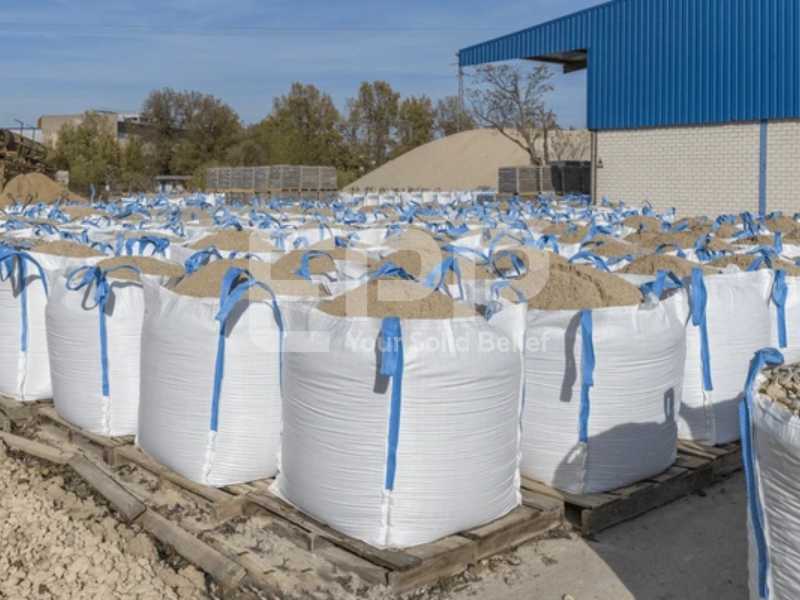
As a manufacturer, I always tell clients that sand is one of the “toughest” loads. Because sand is “dead weight”—it doesn’t shift or settle like plastic pellets—it puts immense pressure on the bottom seams. Here are the technical specs we look for:
- Fabric Weight (GSM): For sand, we typically utilize a fabric weight of 180 to 220 Grams per Square Meter (GSM). Anything less risks “bowing” or structural failure.
- SWL (Safe Working Load): Most sand bags are rated for an SWL of 3,000 lbs (1,500 kg).
- Safety Factor (SF): For standard use, a 5:1 SF is required (meaning the bag is tested to hold 5x its rated weight before breaking). If the bag is meant to be reused (though not recommended for abrasive sand), a 6:1 ratio is mandatory.
- Sift-Proofing: Since sand can be very fine, we often use “felt” or “triple-dust” piping in the seams. This prevents the sand from leaking out through the needle holes during transit.
- UV Treatment: Because these bags often sit on-site for months, we add UV inhibitors during the extrusion process. Without this, the sun would degrade the plastic tapes in weeks, causing the bag to tear when lifted.
Types of Super Sacks of Sand in the Construction Industry
Construction sites have different requirements for handling and storing sand, so super sacks of sand are produced in several structural designs to match specific working conditions. Choosing the right bag type helps improve safety, efficiency, and material control on site.
Open top flat bottom bulk bags are widely used for sand handling over short distances. Their open top allows fast filling, while the flat bottom provides good stability when placed on the ground. These super sacks are ideal for construction sites where sand is discharged and used immediately, making them a cost-effective and practical option.
U-panel jumbo bags are designed for handling heavier sand loads. The three-panel construction helps the bag maintain its square shape when filled, ensuring better load distribution and higher structural strength. This makes U-panel super sacks suitable for infrastructure projects and applications involving dense or heavy sand.
Tubular bulk bags with a duffle top are often selected when cleanliness is important. Made from a single piece of circular woven fabric, these bags reduce leakage risk. The duffle top can be closed after filling, helping protect sand from dust, moisture, and contamination during transport or storage.

Tunnel loop big bags are designed for efficient forklift handling. The built-in fabric tunnels provide strong lifting support and faster handling, making them ideal for high-volume construction sites and batching plants.
Selecting the correct super sack design ensures reliable performance and smoother construction operations.
FAQ About Super Sacks of Sand
Over the years, these are the questions I get asked most frequently by procurement officers and site managers:
How much sand does a supersack hold?
A standard super sack typically holds between 1 and 1.5 cubic yards of sand. In terms of weight, this usually translates to roughly 2,200 to 3,000 lbs, depending on the moisture content and the grit of the sand.
What size is a standard super sack?
The “standard” footprint in the industry is 35 x 35 inches (90 x 90 cm). The height varies based on the volume needed, typically ranging from 40 to 50 inches. This footprint is designed to fit perfectly on a standard shipping pallet.
What is the capacity of a super sack?
Capacity is measured in two ways: volume and weight. Most construction sacks have a volume capacity of 35 to 45 cubic feet and a weight capacity (Safe Working Load) of 3,000 lbs. Always check the “Capacity” tag on the side of the bag; never exceed the rated SWL.
How much does a supersack full of sand weigh?
A full super sack of dry sand usually weighs approximately 2,600 to 2,800 lbs. However, if the sand is wet, the weight can easily spike to 3,500 lbs or more. This is a critical safety consideration for crane operators and forklift drivers—water weight can quickly push a bag past its Safe Working Load.

In summary, choosing super sacks of sand is a strategic decision that impacts the safety, profitability, and environmental footprint of any construction project. We have explored how these flexible containers offer a superior alternative to traditional bulk piles and small-bag packaging through vertical storage and precision discharge.
By understanding the critical technical requirements—such as GSM weight, UV stabilization, and sift-proof seams—procurement managers can ensure they are using a product that stands up to the abrasive nature of industrial sand. Whether you require U-panel, circular, or baffled designs, the right super sack is the foundation of a modern, efficient job site.
Don’t leave your bulk logistics to chance. Partner with a manufacturer that understands the rigors of the construction and export industry. Contact the EPP Vietnam team today for a professional consultation and a competitive quotation tailored to your specific needs. Our technical experts are ready to help you optimize your packaging strategy with high-quality, high-durability super sacks.
