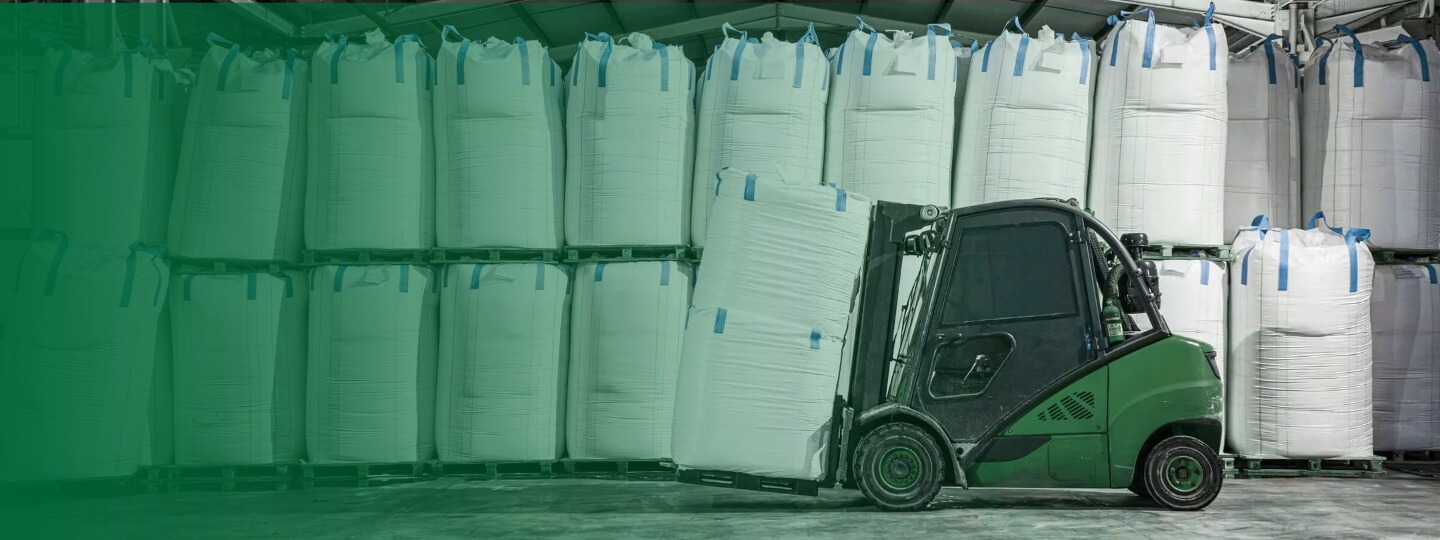
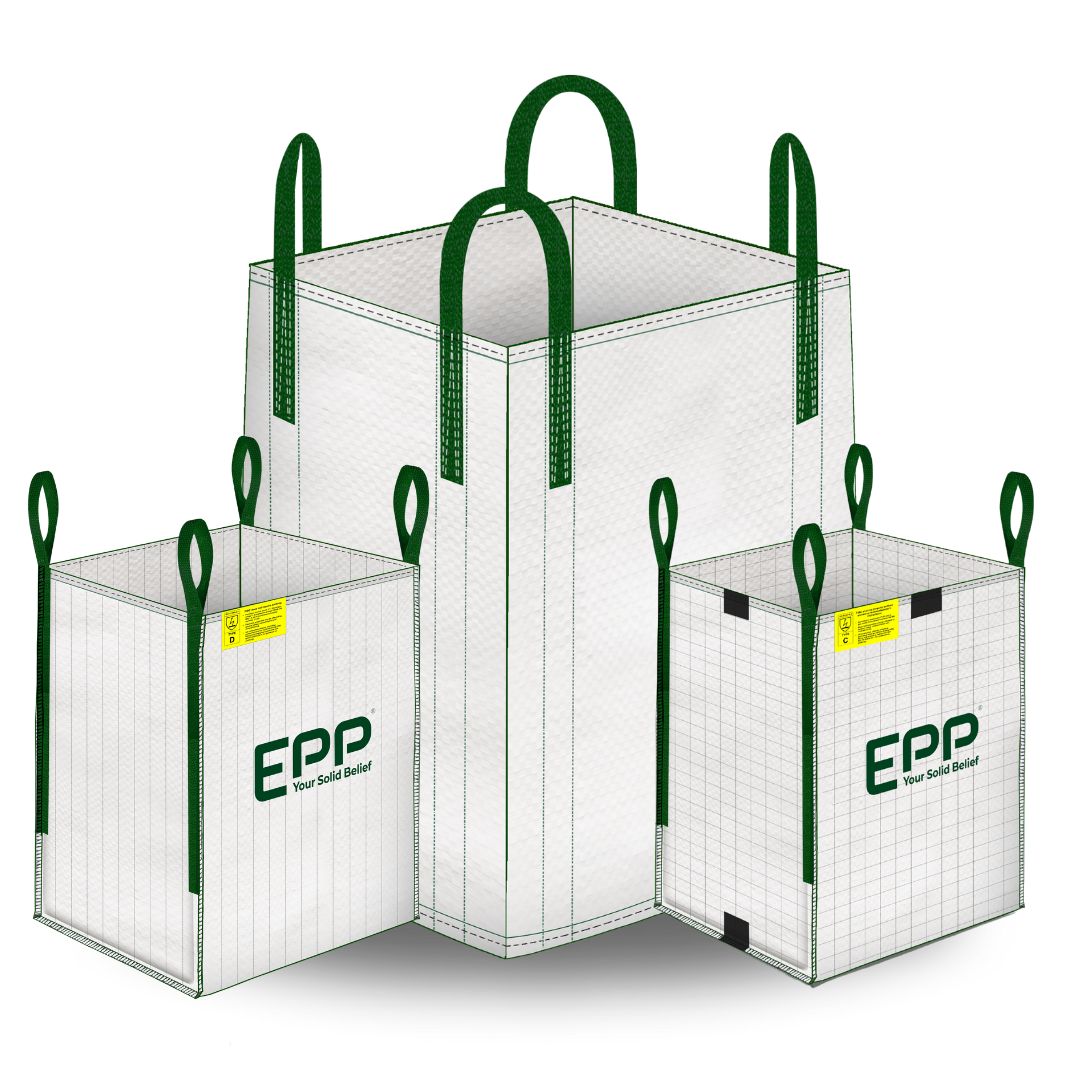
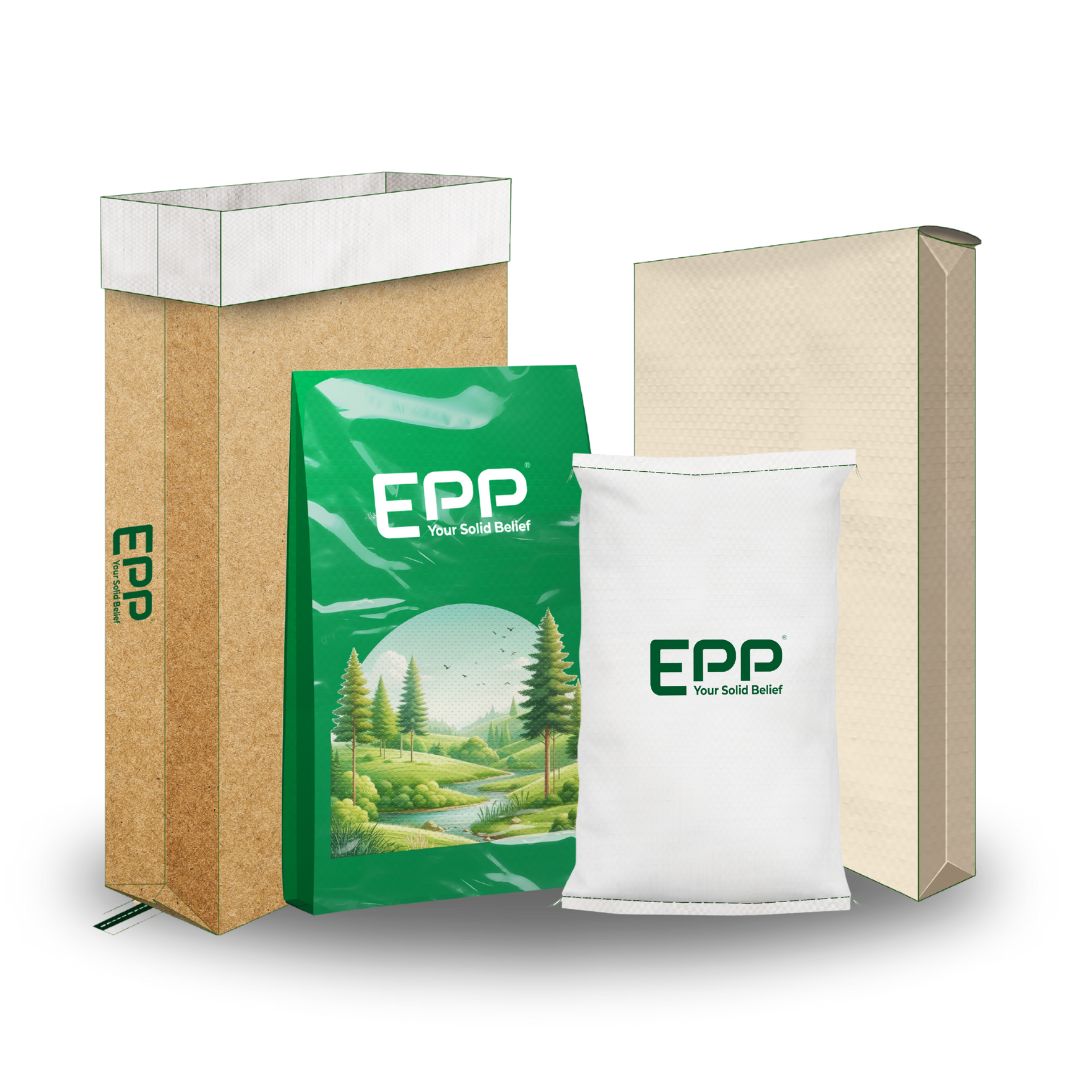
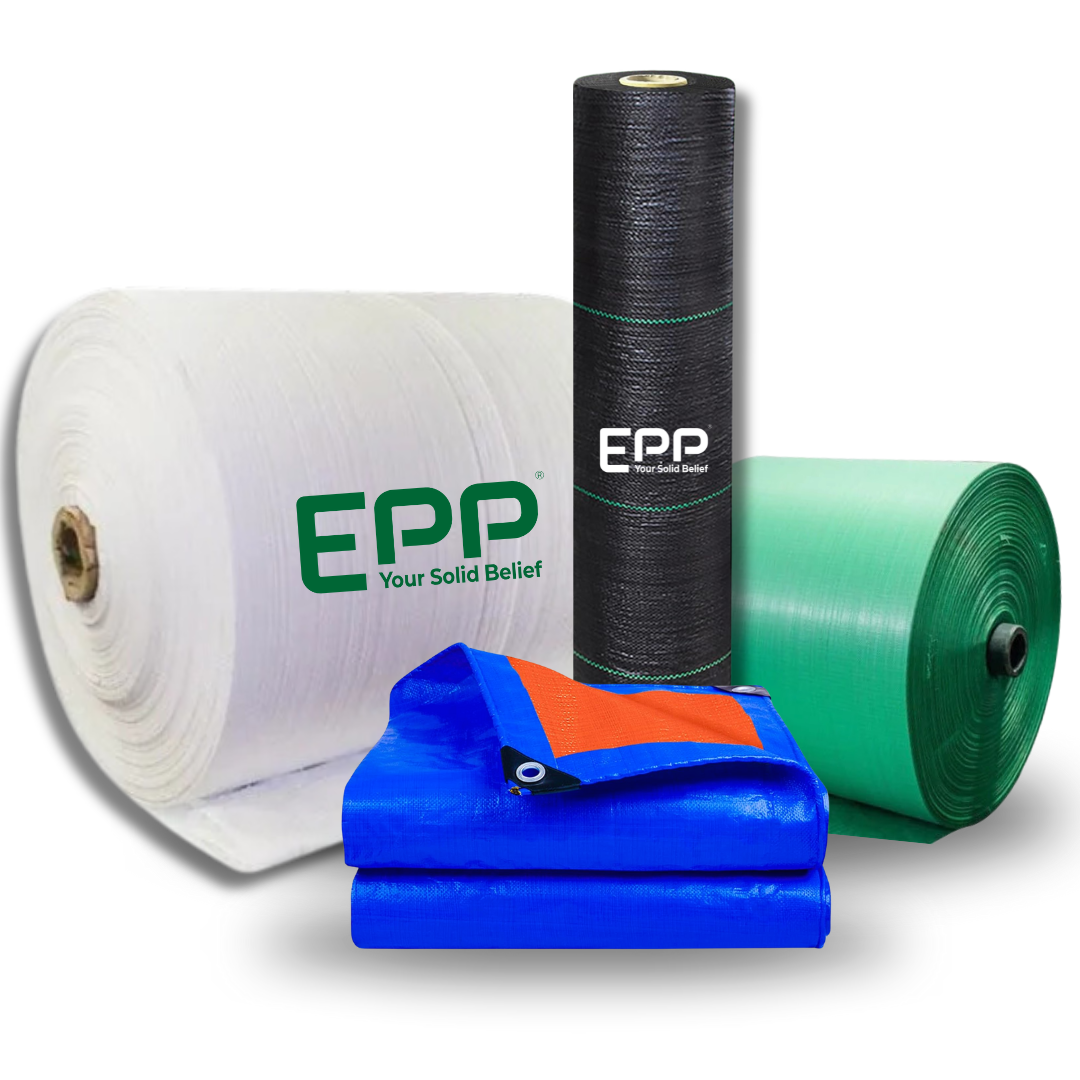
With our 20-year experience in manufacturing and exporting, EPP Vietnam Company Limited was established to bridge the gap between manufacturers and customers and become a leading supplier in Vietnam’s plastic packaging industry. Our mission is to provide a comprehensive range of plastic packaging products, including FIBC bag (Types A, B, C, D, Fras Type C bulk bags, Food Grade bulk bags, UN big bags, Ventilated bulk bags, and Mesh bags), PP woven bags, Kraft paper laminated PP woven bags, BOPP bags, agricultural films, PE liners, and PE tarpaulin.
We have successfully exported high-quality products to markets in Australia, New Zealand, the United States, Canada, Germany, Norway, Portugal, Africa, UAE, Chile, and other countries with Stable quality, Competitive prices, and Professional services.
EPP Vietnam can currently supply 6 million products annually, underscoring our commitment to meeting customer needs.
EPP VIETNAM - Leading FIBC bag Supplier in Vietnam
OUR CORE VALUES
Stable Quality
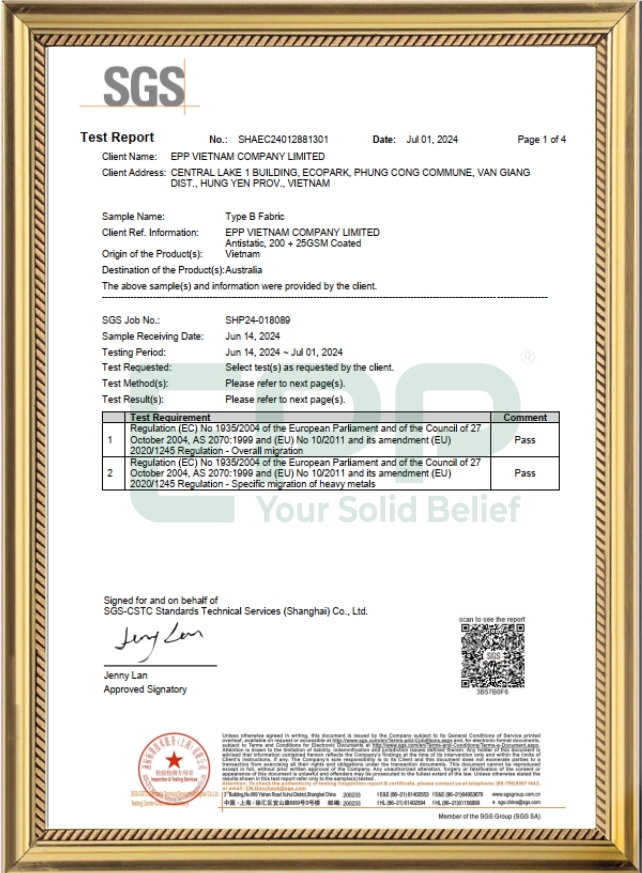
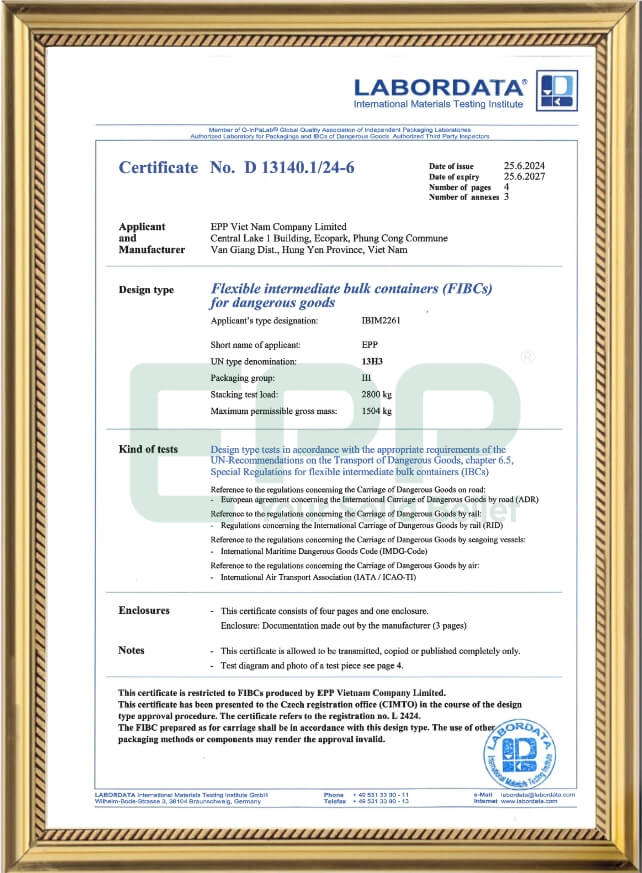
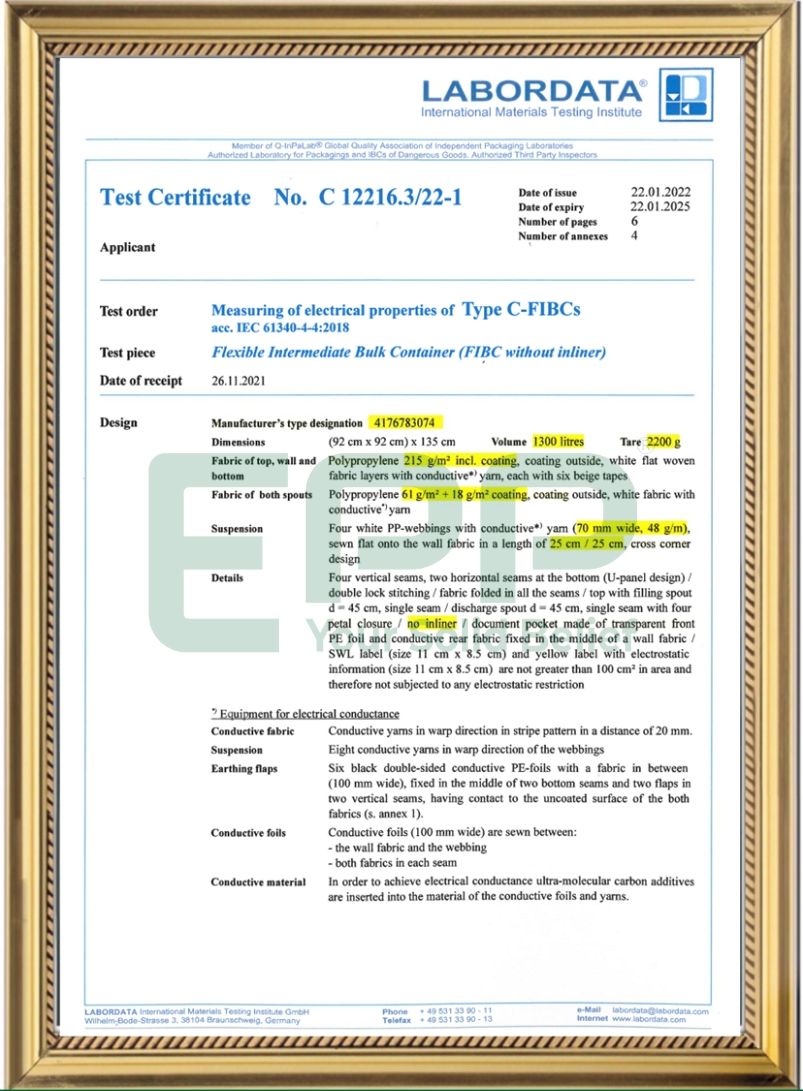
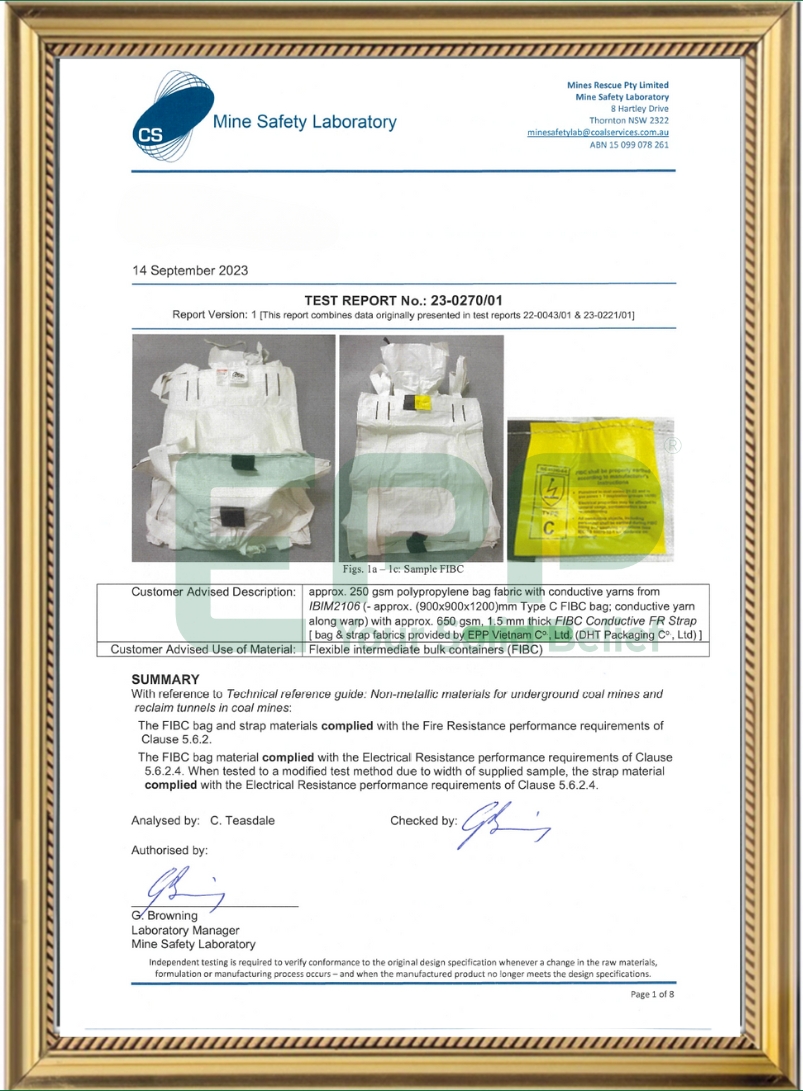
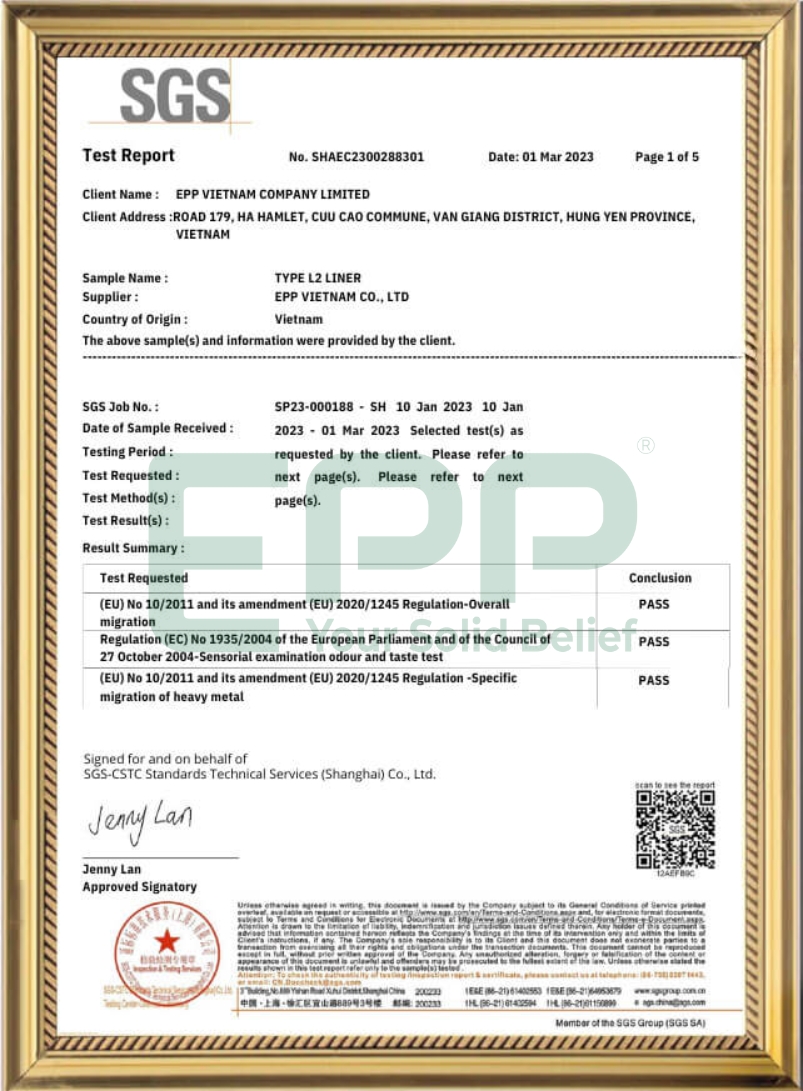
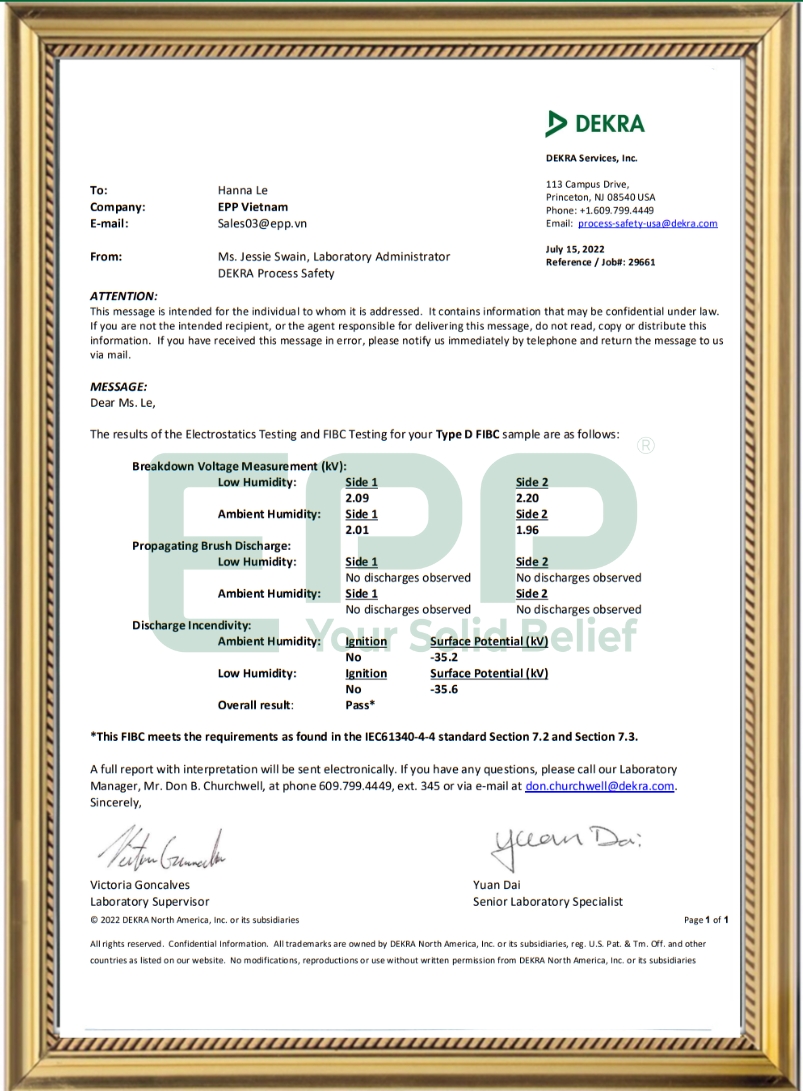
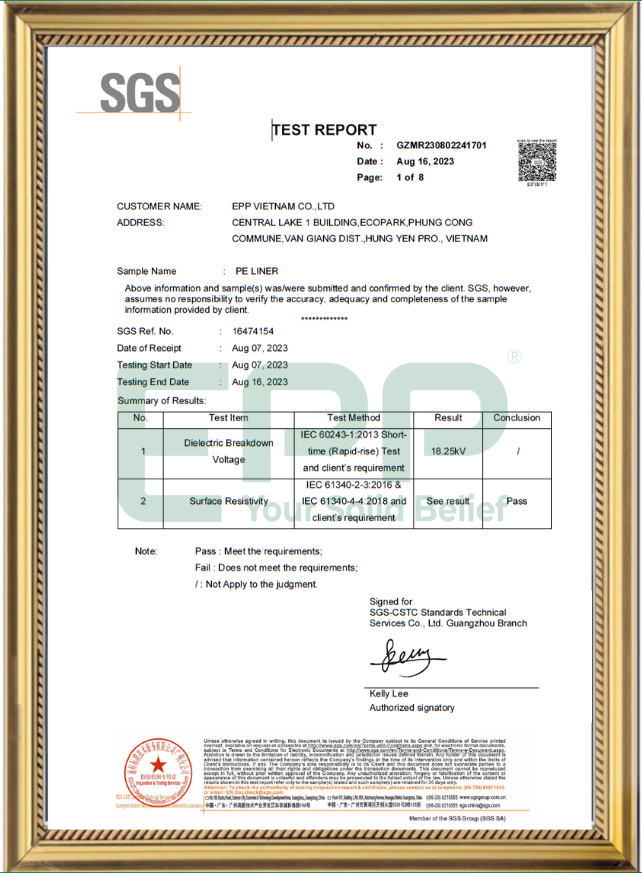
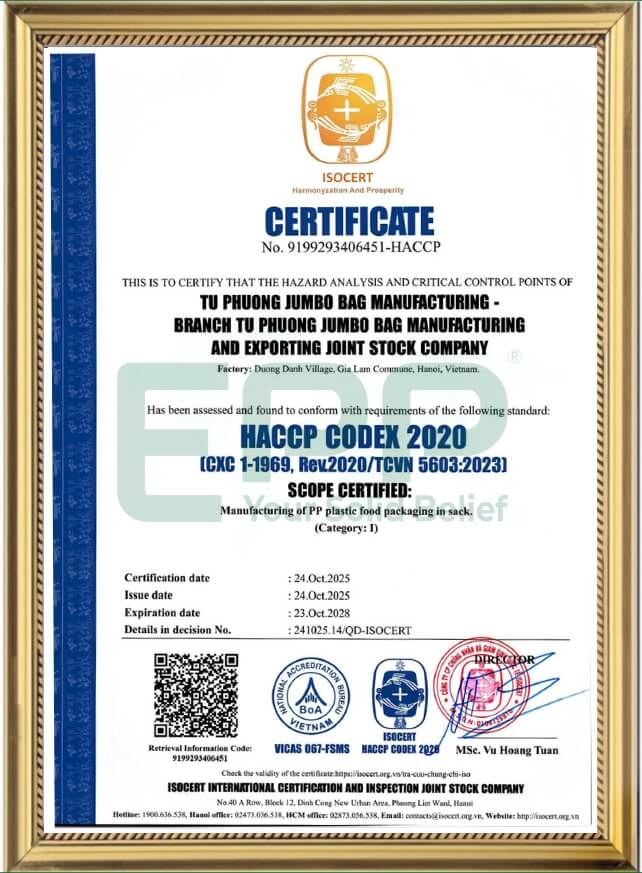
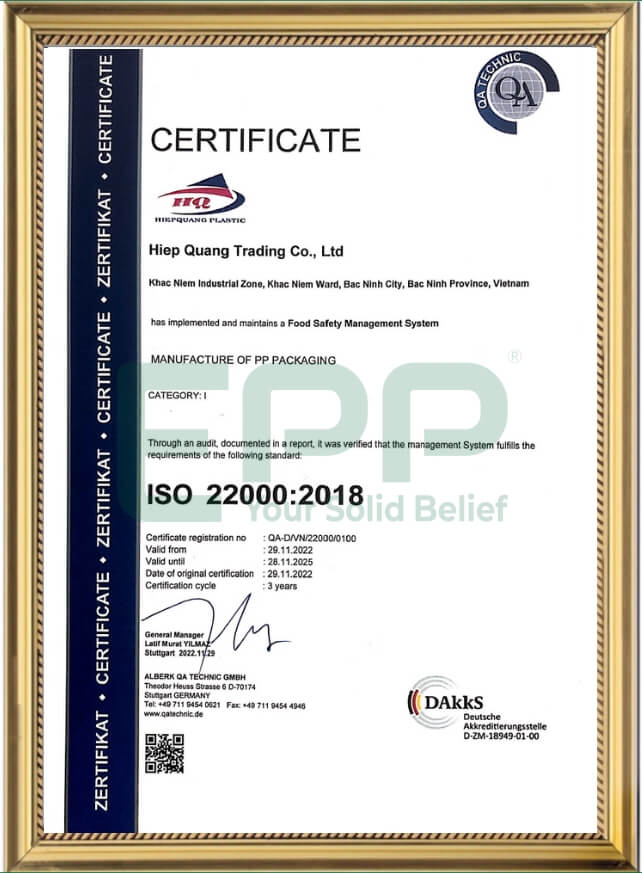
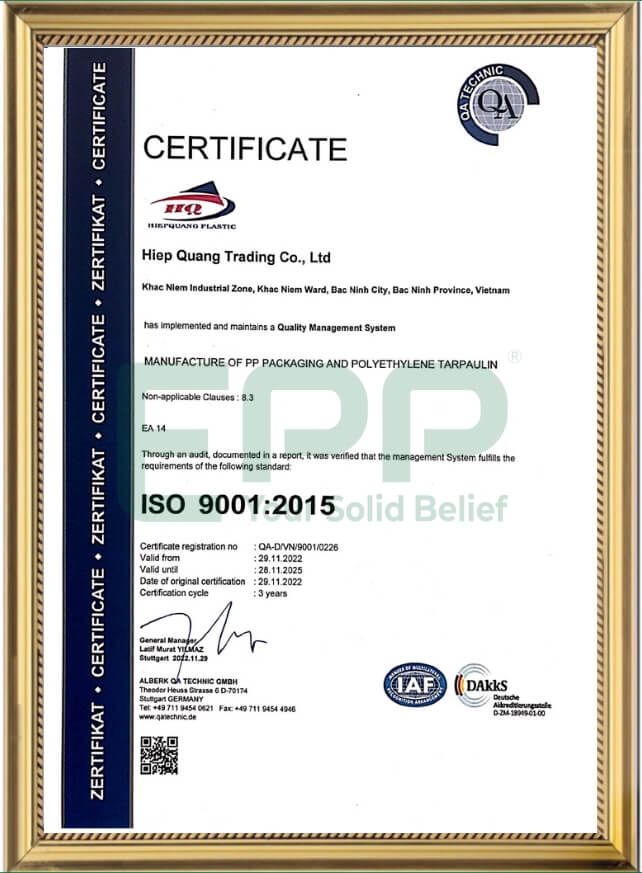
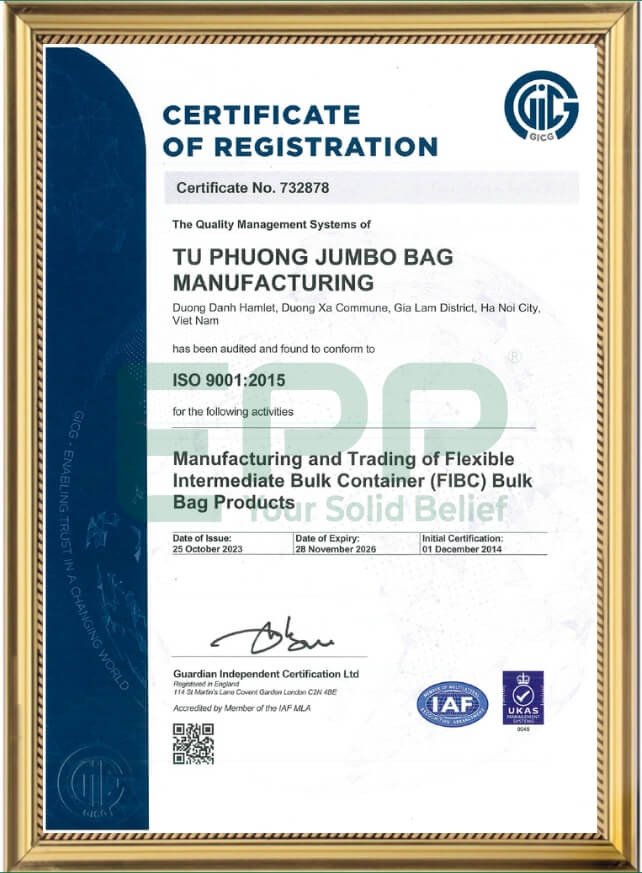
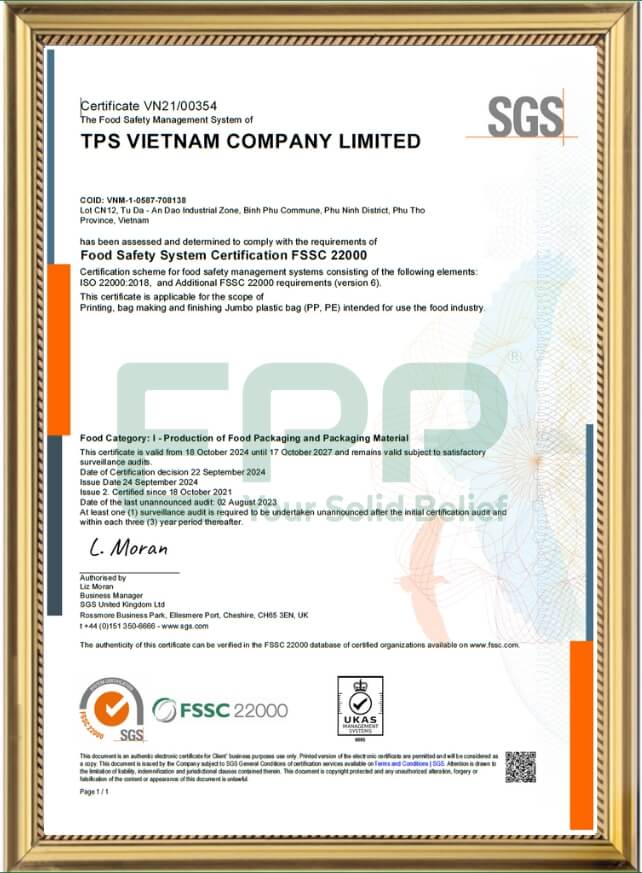
With a quality management system according to international standards such as ISO9001:2015; ISO14001:2015; ISO22000:2005, HACCP; FSSC22000; BRC; Test Report for each product....and our professional quality control team, we are committed to bringing to our customer's outstanding products with “Stable Quality”.
Competitive Price
With the product control norm system and having good relationships with manufacturers in Vietnam, we can seek each factory’s advantageous products and combine them to meet customers' product diversification needs for each order with a “Competitive Price”.
Professional Service
We guarantee to provide customers with “ Professional Service” such as Mix items into 1 container and ship to customer's port, Consulting on exact product specifications, Quoting within one working day, Maximum leading time of four weeks for each order, Shipping to the customer’s port, Diverse payment methods (TTR, L/C...); Resolve complaints within one week working and always listen to customers’ feedback.

CERTIFICATES
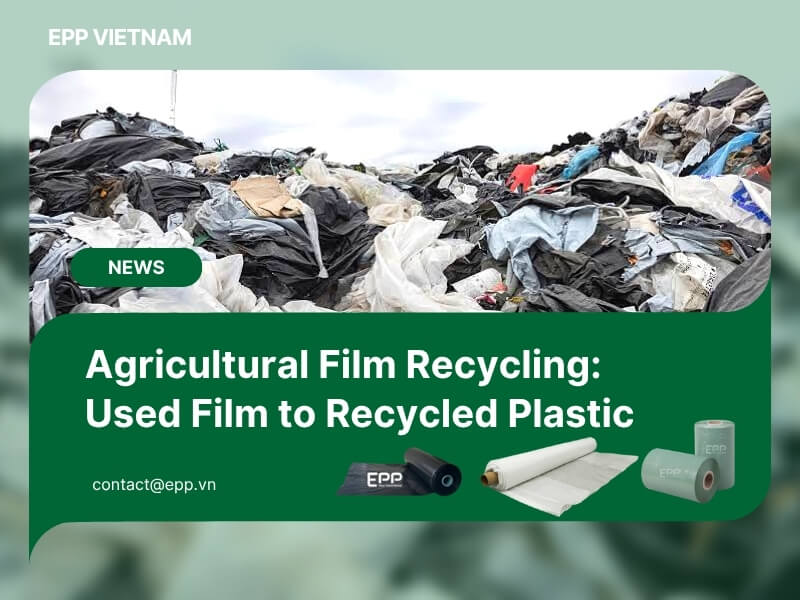
The accelerating deployment of plastic in global agriculture—from expansive multi-season greenhouses to specialized mulch applications—has created a crucial environmental and logistical imperative. While plastic is indispensable for modern yield optimization, the volume of agricultural plastic waste and agricultural film waste generated globally demands a structured, closed-loop solution. Understanding agricultural film
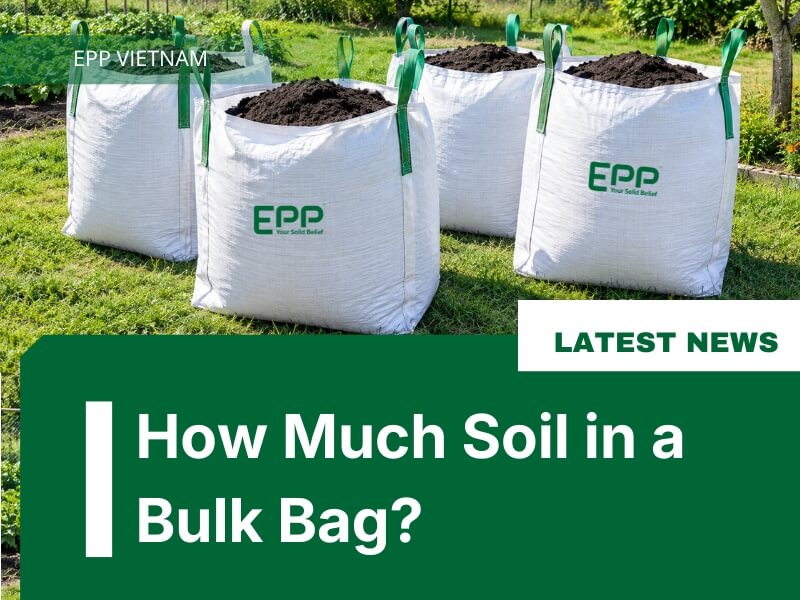
If you are asking how much soil in a bulk bag, the most accurate answer is: there is no universal quantity. A bulk bag is a packaging format, not a fixed measurement. The actual amount of soil depends on the bag’s stated volume or net weight, the soil’s bulk density,
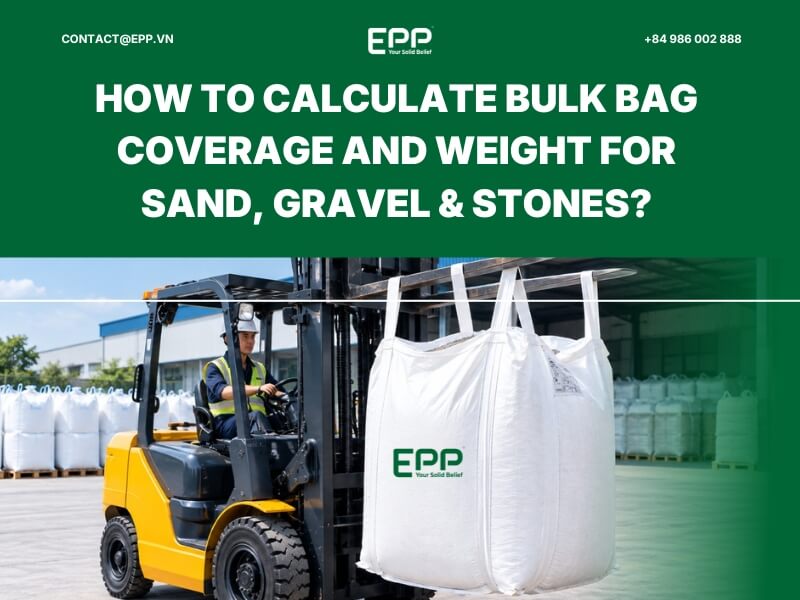
Accurately calculating bulk bag coverage and weight is an essential operational requirement for civil engineering contractors, commercial landscapers, and building material distributors. Determining the precise balance between material volume, density, and physical footprint prevents job site delays, eliminates costly material overruns, and optimizes shipping logistics. Beyond site calculations, understanding how
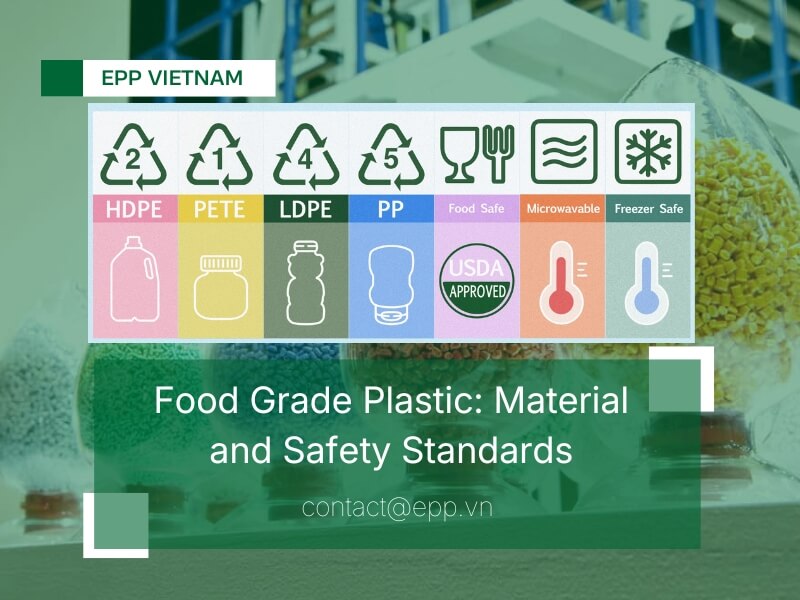
Food grade plastic refers to polymers specifically engineered and certified to safely contact edible products without leaching harmful chemicals, toxins, or heavy metals. According to global regulatory frameworks, a plastic is classified as “food grade” when it is synthesized under controlled purity conditions—typically utilizing 100% virgin polymer resin without unregulated
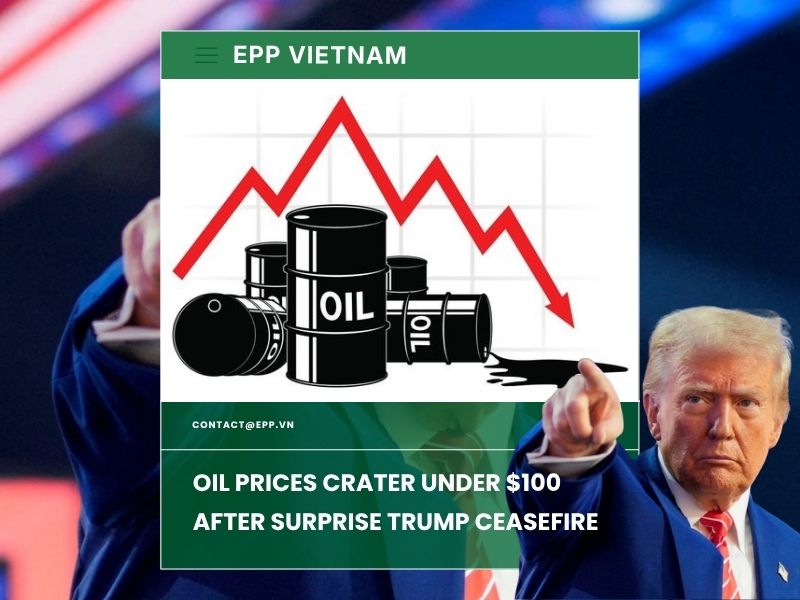
Oil prices have sent a seismic shock through the global commodities market on Wednesday, April 8, 2026, crashing through the psychological $100-per-barrel floor in a matter of minutes. The catalyst for this historic liquidation was the sudden announcement of a two-week ceasefire brokered by the Trump administration, effectively sucking the
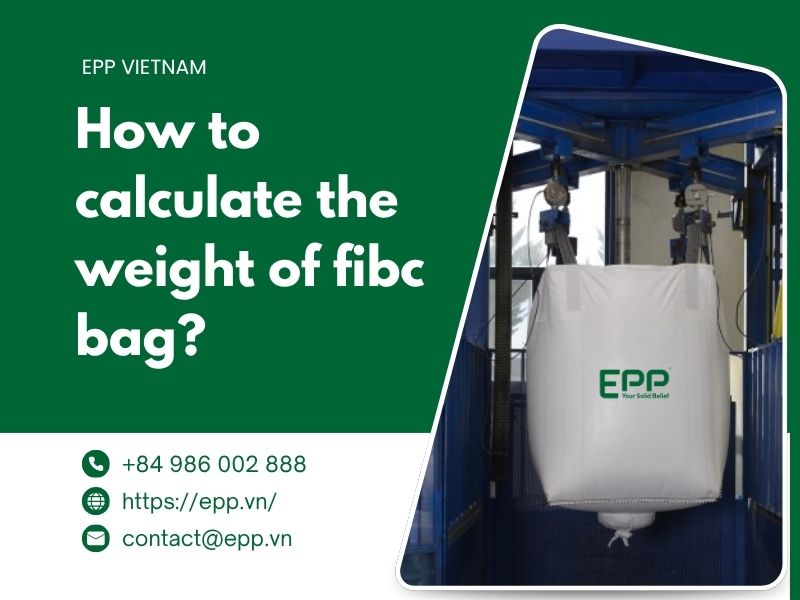
In the competitive world of industrial packaging, the physical weight of an empty bulk bag—commonly referred to as its “tare weight”—is the most reliable metric for auditing supplier quality, ensuring structural safety, and controlling logistics costs. While procurement managers often focus primarily on the Safe Working Load (SWL), understanding the