FIBC jumbo bags are the heroes in global industrial logistic. If you are in the business of chemicals, mining, farming, or construction, you know that these bags are not just bags—they are the foundation of your supply chain. As a supplier based here in Vietnam, one of the biggest manufacturing hubs for these bags, I see the market change every single day.
Many procurement officers make the mistake of buying only when they are almost out of stock. By then, they are “price takers”—they have to pay whatever the market demands. But if you want to find the lowest rates, you have to think like a factory owner. You have to understand when the plastic is cheap, when the workers are most productive, and when the ships are empty.
This guide is based on years of experience on the factory floor and in the shipping ports. If you follow these cycles, you can save 15% to 20% on your annual packaging budget.
Understanding the Raw Material of FIBC jumbo bags
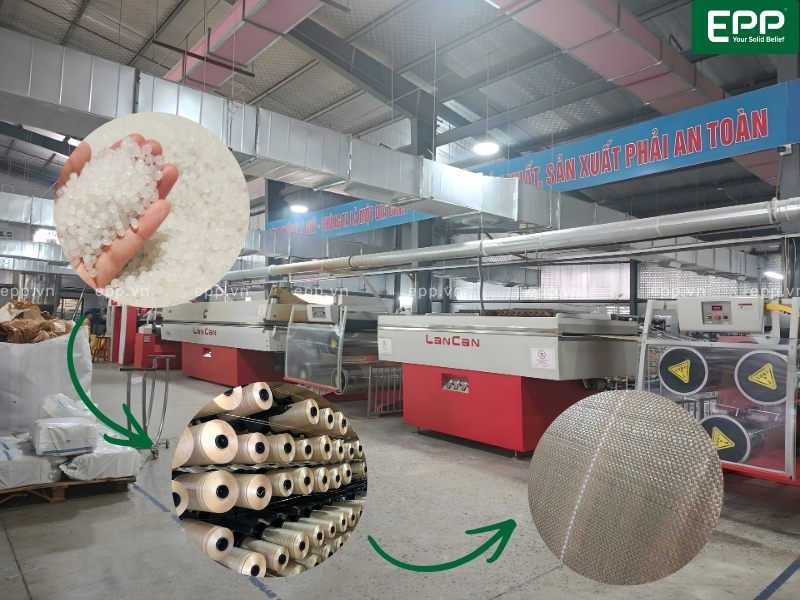
To understand the price of FIBC jumbo bags, you must understand Polypropylene (PP). About 65% to 75% of the total cost of a bulk bag is the raw material. These are the small plastic pellets (resin) that we melt down and weave into the heavy-duty fabric.
The price of PP resin is tied directly to the global oil and gas market. However, there is a “lag time.” When you see the price of crude oil drop on the news today, the price of woven bags doesn’t drop tomorrow. It usually takes 3 to 5 weeks for that price change to move through the refineries, to the resin sellers, and finally to our factory quote sheet.
Pro Tip: If you see a major dip in oil prices, wait about a month. That is when you should call your supplier and ask for a refreshed quote. Conversely, if you see oil prices starting to climb, lock in your order immediately before the resin price “catches up.”
Seasonal Production Windows in Asia
FIBC jumbo bags Manufacturing is not a steady line; it has peaks and valleys. If you place your order during a peak, the factory will charge you more because they are stressed and have to pay overtime to workers. If you order during a valley, the factory is “hungry” for work and will give you a discount just to keep the machines running.
The Post-Tet Opportunity
In Vietnam, the Lunar New Year (Tet) is the biggest holiday. The whole country stops for about a week in late January or February. Before Tet, prices are high because everyone is rushing to ship before the holiday. But right after Tet—usually in March—factories are looking to fill their production schedules for the new year. This is often the best month to get a “welcome back” discount on FIBC jumbo bags.
The “Summer Lull”
June and July are often quiet months for industrial bags. The big agricultural harvests in the Northern Hemisphere (USA and Europe) haven’t started yet, so the demand for food-grade jumbo bags is low. If you can plan your inventory to buy during the heat of the summer, you will find that sales managers are much more willing to negotiate on price.
The Hidden Cost of Sea Freight for FIBC jumbo bags
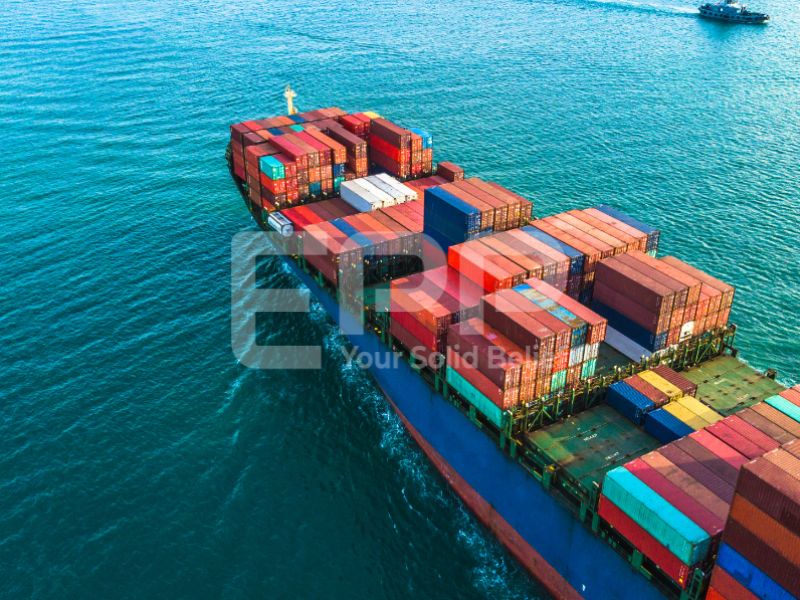
You can find the cheapest FIBC jumbo bags in the world, but if the shipping cost is $5,000 for a container, your “per bag” price will be ruined. To get the lowest rate, you have to be a student of the shipping lanes.
The “Peak Season” for shipping starts in August and lasts until December. This is when every toy, piece of clothing, and electronics item is being moved for the holiday season. During these months, freight rates from ports like Hai Phong or Ho Chi Minh City can double.
To save money, try to time your arrivals for the “Spring Window” (March through May). The ships are less crowded, and shipping lines often offer lower rates to fill their vessels. If you buy your jumbo containers in March and ship them in April, you are hitting the “sweet spot” of both low factory prices and low shipping costs.
The Power of Bulk Ordering
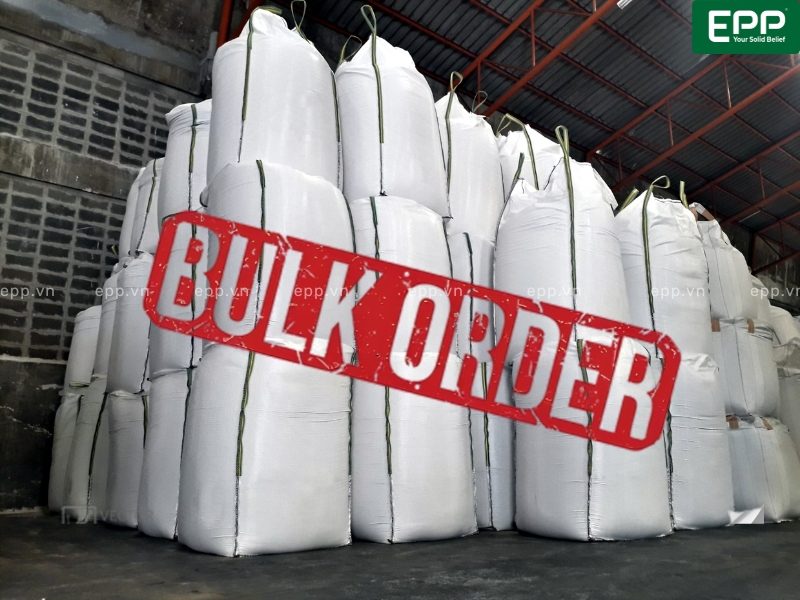
Many customers ask for a price for 500 FIBC jumbo bags. We give them a price, and they think it is too high. Then they ask for 5,000 bags, and the price drops by 20%. Why?
Making heavy-duty sacks is a complex process. We have to:
- Draw the PP yarn to the right thickness and strength.
- Set up the circular looms to weave the fabric.
- Adjust the printing plates for your company logo.
- Configure the sewing lines for your specific loop style and discharge spout.
This setup takes hours. If we do all that work for only 500 FIBC jumbo bags, the “setup cost” per bag is huge. But if we run 5,000 super sacks, that cost is spread out until it is almost zero. To get the lowest rates, always try to order at least one full 20ft container. Not only is the factory more efficient, but you also don’t waste money shipping “air” in a container that isn’t full.
Avoiding “Over-Engineering” FIBC jumbo bags
Sometimes, the best way to get a lower rate is to look at the bag itself. Are you buying a bag that is too “fancy” for what you need?
- Fabric Weight: If you are only lifting 1,000kg, you might not need the thickest fabric. A small reduction in “GSM” (grams per square meter) can save a lot of money without making the bag unsafe.
- UV Protection: If your bags sit inside a warehouse, you don’t need high levels of UV stabilizer.
- Safety Factor: Standard bags are 5:1 (Single trip). Some people buy 6:1 (Multi-trip) even though they throw the bag away after one use. This is a waste of money.

Talk to your supplier honestly. Tell them exactly what you are doing with the FIBC jumbo bags, and ask, “Is there a way to simplify this design to lower the cost?” A good partner will help you save money because they want you to stay in business and keep ordering.
Is Now the Right Time to Buy FIBC Jumbo Bags?
Determining if “now” is the best time depends on a few key indicators. As we look at the current market from our headquarters in Vietnam, we see several factors converging.
- Current Inventory Levels: If your warehouse is below 25%, waiting for a further price drop is a high-risk gamble. The cost of a “stock-out” far outweighs the potential savings of a 2% price dip.
- The Currency Factor: For international buyers, the strength of the USD against the Vietnamese Dong (VND) plays a role. A strong dollar increases your purchasing power in the Mekong region.
- The Sustainability Shift: There is a growing demand for “Circular Economy” bags made with recycled content. As these become more standardized, the initial price premium is shrinking. Investing in these now can also provide long-term tax benefits or carbon credits in certain jurisdictions.
Conclusion
As a leading supplier of high-strength FIBC jumbo bags, we believe that the best price is the result of a long-term partnership rather than a one-off transaction. The lowest rates are secured by those who understand the rhythm of the factory, the cycle of the resin market, and the seasonality of the seas.
By aligning your procurement with the Vietnamese “Golden Windows” and leveraging the “Bulk Buy” advantage, you can ensure that your supply chain is not only cost-effective but also incredibly resilient. Don’t wait for the next global shortage to react—strategic planning starts today.