
Are jumbo bags expensive to purchase? The short answer is no — not when you look at the bigger picture. Jumbo bags, also known as FIBC bags, are designed to carry large volumes of materials efficiently, and while the upfront price may vary depending on specifications, they are one of the most cost‑effective packaging solutions available today. From my experience working with suppliers and buyers in agriculture, food, chemicals, and construction, the real value of bulk bags lies in their durability, reusability, and ability to reduce logistics costs. Let’s break down the factors that influence pricing and why businesses continue to choose them.
Factors That Influence Jumbo Bag Prices
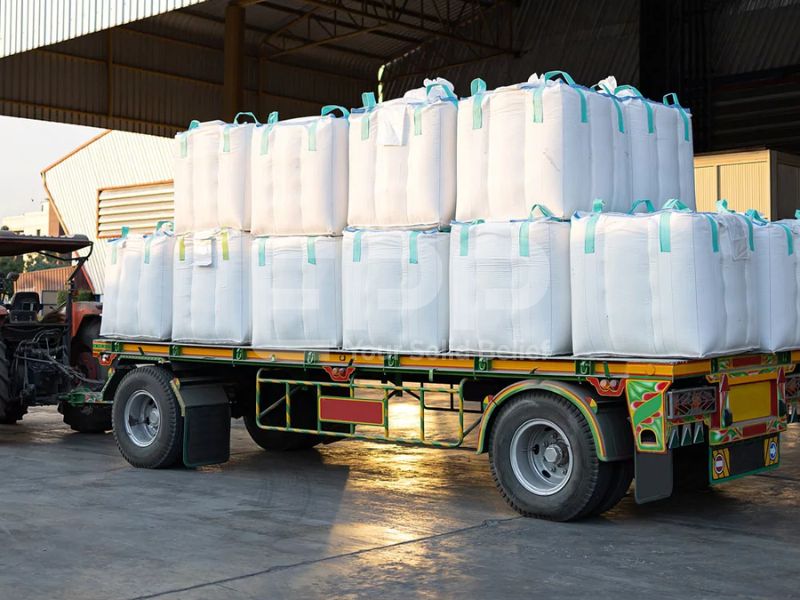
The cost of jumbo bags depends on several key factors. Understanding these helps buyers make smarter purchasing decisions:
Capacity & Size: Smaller bags designed for 500 kg loads are naturally cheaper than heavy‑duty 1–2 ton bags.
Fabric Type: Coated or laminated fabrics cost more than uncoated ones because they provide extra protection against moisture and contamination.
Safety Factor: Single‑trip bags with a 5:1 safety ratio are more affordable, while multi‑trip bags with a 6:1 ratio are priced higher due to their reusability.
Special Features: Adding liners, anti‑static properties, or conductive materials increases the price but is essential for industries like pharmaceuticals and chemicals.
Order Volume: Buying in bulk significantly reduces the per‑unit cost. Large importers often negotiate better deals directly with manufacturers.
Supplier Location: Sourcing from countries like India, Vietnam, or Turkey often provides competitive pricing compared to local suppliers in Europe or North America.
From my conversations with buyers, many initially focus only on the sticker price. But once they factor in logistics savings, reduced product loss, and reusability, they realize jumbo bags are far more economical than alternatives like small sacks or rigid containers.
Are Jumbo Bags Really Expensive?

When you compare Big bags to other packaging options, they are not expensive at all. In fact, they often save money in the long run. Here’s why:
Reusability: Multi‑trip jumbo bags can be used several times, reducing replacement costs.
Efficiency: One jumbo bag can replace 20–40 small sacks, cutting down on labor and handling time.
Reduced Waste: Strong fabrics and liners minimize product loss during transport.
Eco‑Friendly Appeal: Their recyclable nature aligns with sustainability goals, which adds value for companies under environmental regulations.
I’ve seen businesses in agriculture switch from traditional sacks to Bulk bags and immediately notice lower labor costs and cleaner warehouses. Logistics teams appreciate how easy they are to stack and transport, while finance departments value the long‑term savings.
Typical Price Range of Jumbo Bags
While prices vary depending on specifications, jumbo bags are generally affordable compared to the value they deliver. Standard 1‑ton capacity bags can range from just a few dollars to higher prices when customized with liners or anti‑static features.
For example, a basic uncoated bag might cost on the lower end, while a food‑grade or pharmaceutical‑grade bag with strict certifications will be priced higher. However, even at the premium level, the cost per ton packaged is still lower than using smaller sacks or rigid containers.
From my experience, buyers who focus only on the cheapest option often regret it later when bags fail under stress. Investing in slightly higher‑quality bags pays off in reduced product loss and smoother logistics.
Who Benefits Most from Cost‑Effective Jumbo Bags

Jumbo bags are highly versatile, and their affordability makes them appealing across a wide range of industries. In agriculture, farmers and exporters rely on them to store and transport grains, seeds, and fertilizers. Their large capacity helps save space while reducing handling costs, which is especially valuable during peak harvest and export seasons.
In the food industry, FIBCs play a crucial role in safely moving bulk ingredients such as sugar, flour, and starch. Food‑grade bags are designed to meet strict hygiene standards, ensuring that products remain uncontaminated throughout the supply chain.
For chemicals and minerals, specialized Super sacks with anti‑static properties and contamination resistance are essential. These bags provide the safety and reliability needed when handling powders, resins, and hazardous materials, protecting both workers and products.Construction companies also benefit from big bags, as they make it easier to transport heavy materials like cement, sand, and additives. Compared to smaller containers, jumbo bags streamline operations and reduce the number of handling steps required on busy job sites.
Logistics companies find FIBC bulk bags equally valuable. Exporters and importers appreciate how they lower freight costs and improve warehouse organization. I’ve seen logistics managers in construction projects praise Big bags for cutting down on forklift movements, while food exporters often highlight how food‑grade bags meet international safety standards without driving up costs. This combination of practicality and affordability explains why FIBCs remain a preferred choice across so many sectors.
Tips for Buying Jumbo Bags at the Best Price
If you’re considering jumbo bags, here are practical tips to ensure you get the best value:
- Source Directly from Manufacturers: Buying directly avoids middlemen and ensures better pricing.
- Buy in Bulk: Larger orders reduce per‑unit costs significantly.
- Choose the Right Type: Don’t over‑specify. If you don’t need anti‑static features, avoid paying extra for them.
- Compare Suppliers Across Regions: Countries like India and Vietnam often offer competitive rates without compromising quality.
- Check Certifications: Ensure bags meet ISO or food safety standards to avoid hidden costs from rejected shipments.
From my experience, buyers who take time to understand their exact needs save more money than those who rush into purchasing. A little research into specifications and supplier reputation goes a long way.
Conclusion
So, are jumbo bags expensive to purchase? The answer is no — they are one of the most cost‑effective bulk packaging solutions available today. While prices vary depending on size, fabric, and special features, the long‑term savings in logistics, labor, and product protection far outweigh the upfront cost.
Industries across agriculture, food, chemicals, and construction continue to rely on FIBCs because they deliver durability, efficiency, and sustainability at a reasonable price. Exporters and buyers who invest wisely in quality Big bags are not just saving money — they’re building stronger, more efficient supply chains. In short, jumbo bags are not an expense; they’re an investment in smarter, cleaner, and more cost‑effective packaging.
