FIBC bags have fundamentally changed how we handle dry bulk goods across the globe. Whether you call them bulk bags, jumbo bags, big bags, or super sacks, these felxibal packaging are the heroes of modern supply chains. As a leading supplier of FIBC bags from Vietnam, we have seen firsthand how choosing the right bag can streamline operations, reduce shipping costs, and protect valuable cargo during long-haul transit.
In this guide, we will explore why these containers have become so popular and break down the specific types of bags currently dominating the market to help you make the best choice for your business.
The Rise of FIBC bags in Global Logistics
The shift toward FIBCs in global logistics hasn’t happened by accident. Traditionally, shipping dry materials required either small 25kg sacks or massive bulk tankers. Small sacks are labor-intensive, while tankers are expensive and inflexible. FIBCs bridge this gap perfectly.

From our manufacturing hub in Vietnam, we’ve watched the demand for these versatile containers skyrocket. They offer an incredible strength-to-weight ratio, often carrying up to 2,000kg while weighing only a few kilograms themselves. Because they are foldable and lightweight when empty, they save enormous amounts of space on return journeys compared to rigid drums or wooden crates.
Global trade also becomes more automated, the standardized design of jumbo bags allows for easy handling by forklifts and cranes, reducing human error and increasing safety at the loading dock.
Popular Types of FIBC Bags on the Market
Understanding the construction of a bulk bag is key to its performance. Not all big bags are built the same; different sewing methods and fabric shapes determine how much weight a bag can hold and how well it keeps its shape. Here are the most popular designs used in the industry today.
U-Panel Jumbo Bags
The U-panel bag is widely considered the industry standard. Its name comes from its construction: one long piece of “U” shaped fabric forms the bottom and two opposite sides, while two additional flat panels are sewn into the remaining sides.
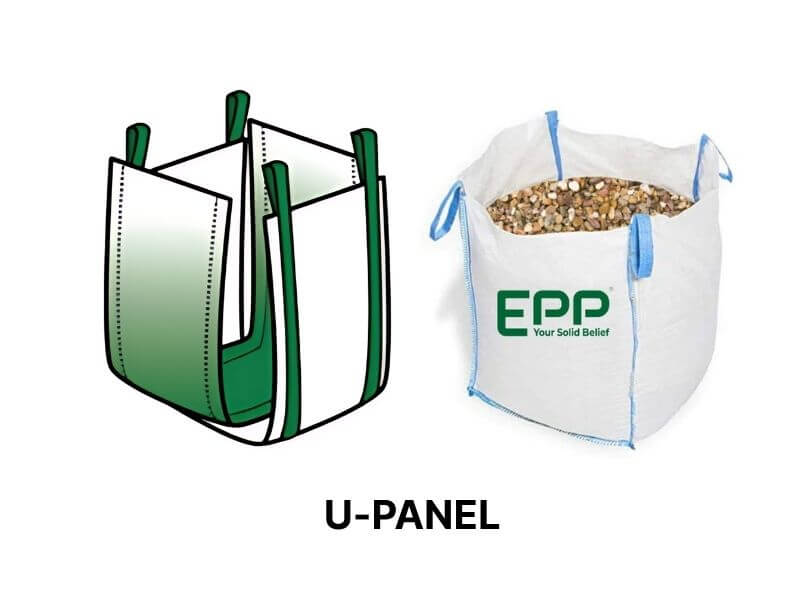
From a supplier’s perspective, U-panel bags offer a great balance between cost and strength. They provide excellent lifting capacity and are highly reliable for heavy materials like minerals or construction aggregates. Because the “U” shape creates a solid base, these bags are very stable during transport.
4-Panel FIBC Bags
If you need a bag that maintains a square shape better than a standard “U” design, the 4-panel bag is the answer. It is made by sewing four separate vertical fabric panels to a square bottom base.
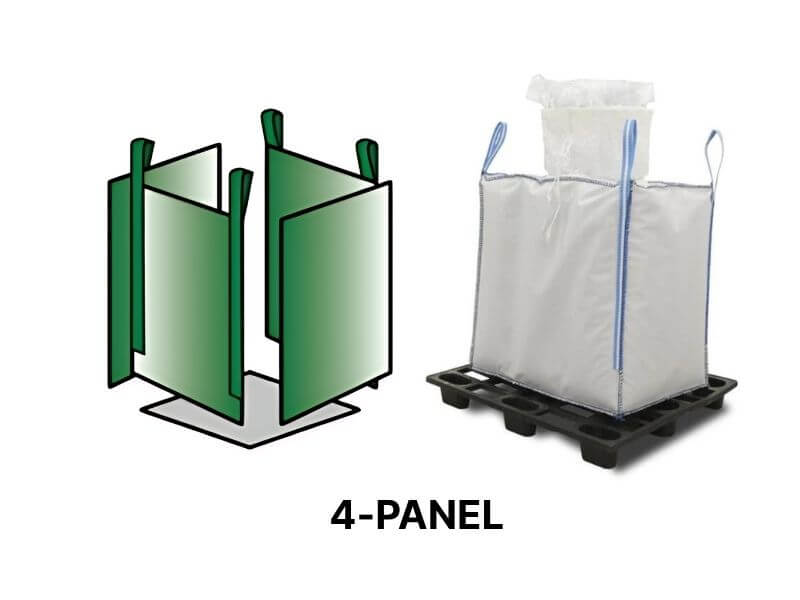
This design is particularly popular because the seams are located at the corners, which reinforces the structural integrity of the bag. 4-panel big bags are excellent for stacking. In our experience shipping from Vietnam to international markets, these are often requested when customers need to maximize every inch of a shipping container.
Baffle Bulk Bags (Q Bags)
One common issue with standard bags is “bulging.” When filled with fine or flowing materials, a round bag can become “pear-shaped,” making it difficult to fit side-by-side in a truck or container. This is where Baffle bags, or “Q bags,” come in.
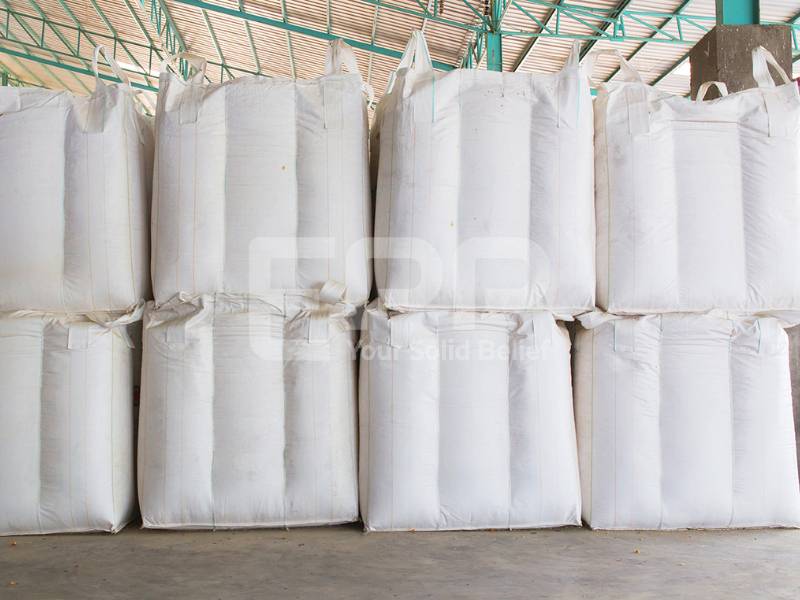
These super sacks have internal fabric panels (baffles) sewn across the corners. These baffles allow the material to flow into the corners but prevent the sides from bowing out. The result is a bag that stays square even when full. While they are slightly more expensive due to the complex sewing, the savings in shipping space (up to 30% more volume per container) usually make them the more economical choice in the long run.
Circular / Tubular Big Bags
Unlike the types mentioned above, circular bags are woven on a circular loom, resulting in a single tube of fabric with no vertical seams. The only seams are at the top and bottom.
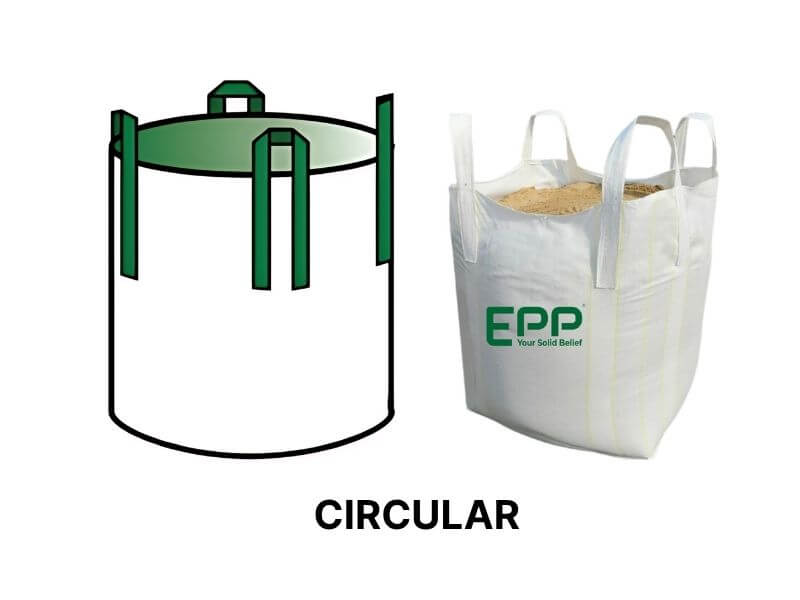
This “tubular” design is the ultimate choice for fine, powdery materials. Without vertical seams, there are fewer places for fine dust or powder to leak out (sift). It is a very cost-effective design that provides high strength and a clean appearance. We often recommend these for the food and chemical industries where product containment is the top priority.
Spout Top/ Discharge FIBC bags
The functionality of a FIBC bag is often defined by how you fill it and empty it.
- Spout Top: A cylindrical neck at the top that connects directly to the filling machine. This minimizes dust and prevents contamination.
- Discharge Spout: A similar neck at the bottom of the bag. Instead of cutting the bag open (which ruins it for reuse), you simply untie the spout to let the material flow out in a controlled manner.
These features are essential for industrial production lines where precision and cleanliness are mandatory.
Ventilated / Firewood Bags
Not all products need to be airtight. For agricultural products like potatoes, onions, or firewood, airflow is vital to prevent mold and moisture buildup. Ventilated FIBCs are made with fabric that has thin “mesh” strips or gaps woven into it.
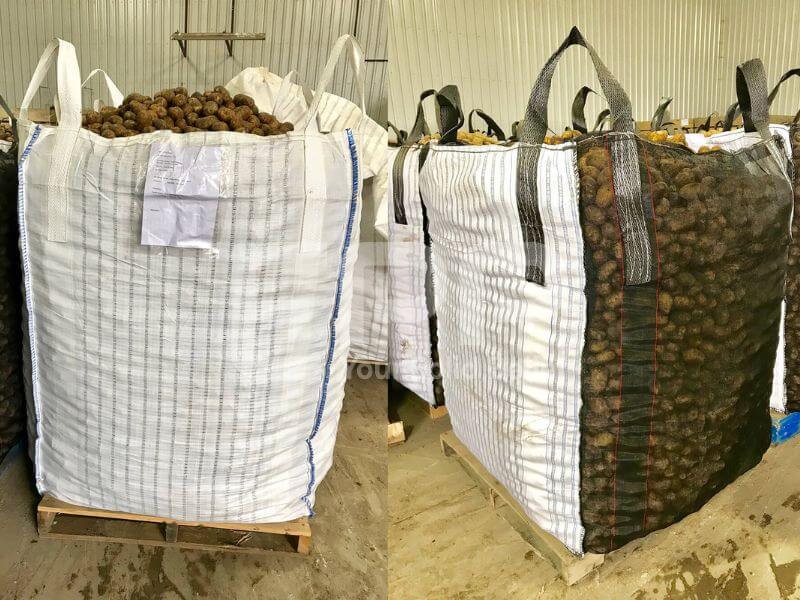
As a supplier in Vietnam—a country with a massive agricultural export sector—we produce a high volume of these breathable big bags. They allow the product to “breathe” throughout the entire journey from the farm to the supermarket shelf.
Comparison of FIBC Bag Types
| Bag Type | Construction Style | Best For | Main Advantage |
|---|---|---|---|
| U-Panel | 2 Side Panels + 1 U-shape | Heavy Minerals/Sand | High weight capacity & Reliability |
| 4-Panel | 4 Side Panels + Base | Stacking/General Use | Excellent structural integrity |
| Baffle (Q-Bag) | Internal Baffles | Containerized Shipping | Stays square; saves 30% space |
| Circular | Seamless Tube | Fine Powders/Flour | Prevents leakage (sifting) |
| Ventilated | Breathable Weave | Produce/Firewood | Prevents moisture & rot |
Application of Popular FIBC Bags
The versatility of these containers means they are used in almost every major industry:
- Agriculture: Storing and transporting grains, seeds, and nuts. Ventilated bags are used for fresh produce.
- Construction: Moving sand, gravel, cement, and debris. U-panel bags are the workhorses here.
- Chemical Industry: Transporting hazardous and non-hazardous powders. Circular bags with liners are often used to ensure zero leakage.
- Food Processing: Carrying sugar, salt, and flour. These require “Food Grade” certified manufacturing environments to ensure safety.
- Mining: Transporting ore, coal, and minerals in high-capacity 2000kg jumbo bags.
Why Choose FIBC Bags from Vietnam?
As a leading supplier, we take pride in the quality and competitive edge of Vietnamese manufacturing. Our bags are produced using high-quality polypropylene and state-of-the-art weaving technology. By focusing on precision sewing and rigorous safety testing (ISO certifications), we ensure that every bag can withstand the pressures of global logistics.

Choosing the right type of FIBC is an investment in your supply chain’s efficiency. Whether you need the space-saving benefits of a Baffle bag or the breathability of a ventilated sack, understanding these options ensures your product arrives safely, every time.
If you are looking for a reliable partner to supply high-quality, customized fibc bags, contact us today to learn more about our manufacturing capabilities in Vietnam.