
The jumbo bag unloading system is a specialized piece of industrial equipment engineered to safely and efficiently transfer bulk materials from large bags to downstream processes, smaller packaging units, or transport vehicles. For businesses moving away from manual “slitting and dumping,” this system represents a critical upgrade in logistics. It provides a controlled, dust-free, and high-speed solution for handling FIBCs (Flexible Intermediate Bulk Containers) weighing between 500 kg and 2,000 kg.
Understanding the Jumbo Bag Unloading System

A jumbo bag discharge system is an automated or semi-automated framework designed to handle “Big Bags” or “Super Sacks.” These containers are the backbone of global trade for dry bulk goods. In sectors like construction, agriculture, and chemical processing, materials such as cement, sand, rice, and fertilizer are stored in these high-capacity bags.
The unloading system acts as the bridge between bulk storage and active production, ensuring that heavy materials are moved without product loss or worker injury.
Core Components of a jumbo bag unloading system
To achieve maximum ROI, a modern jumbo bag unloading system must integrate several high-performance modules:
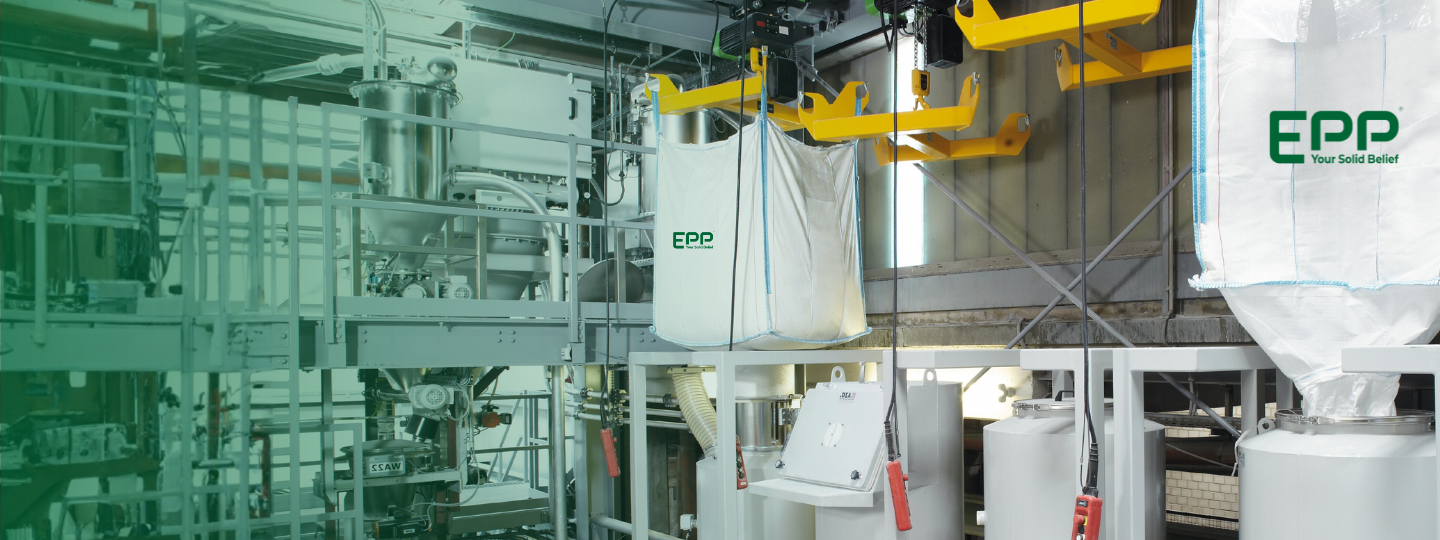
- Jumbo Bag Unloader (Discharger): The structural heart of the system. It features a heavy-duty steel frame and a specialized hopper. Depending on the automation level, it uses computer-controlled or manual mechanisms to open the bag spout.
- Integrated Lifting Hoist: Usually an electric I-beam hoist that lifts the jumbo bag into the discharge position, removing the need for constant forklift support.
- Conveyor System: Screw conveyors, vibratory feeders, or pneumatic transport tubes that move the material from the hopper to the next production stage.
- Bag Compactor / Storing System: To maintain a clean and safe 5S-compliant workplace, this module crushes and collects empty bags, reducing waste volume by up to 90%.
Benefits of jumbo bag unloading system
The transition from manual handling to a dedicated big bag unloading system offers four “outstanding” advantages:
A. Labor Efficiency and Time Savings
Manual unpacking of 1-ton sacks is slow and labor-intensive. An automated system allows a single operator to manage the discharge process in a fraction of the time, freeing up personnel for higher-value tasks.
B. Maximum Material Discharge
Manual dumping often leaves 3–5% of the product trapped in the folds of the bag. Modern jumbo bag unloading system use pneumatic massagers (paddles that squeeze the bag) to ensure 100% material flow, directly improving your bottom line.
C. Worker Safety & Ergonomics
The “slitting” of a suspended 2,000 kg bag is a high-risk activity. An unloading system removes the worker from the “danger zone” beneath the load, drastically reducing the risk of musculoskeletal injuries and catastrophic accidents.
D. Dust and Contamination Control
In industries handling fine powders like flour or chemicals, dust is both a health hazard and an explosion risk. Advanced systems use dust collection ports and vacuum seals to keep the facility air clean.
Types of Jumbo Bag Unloading System
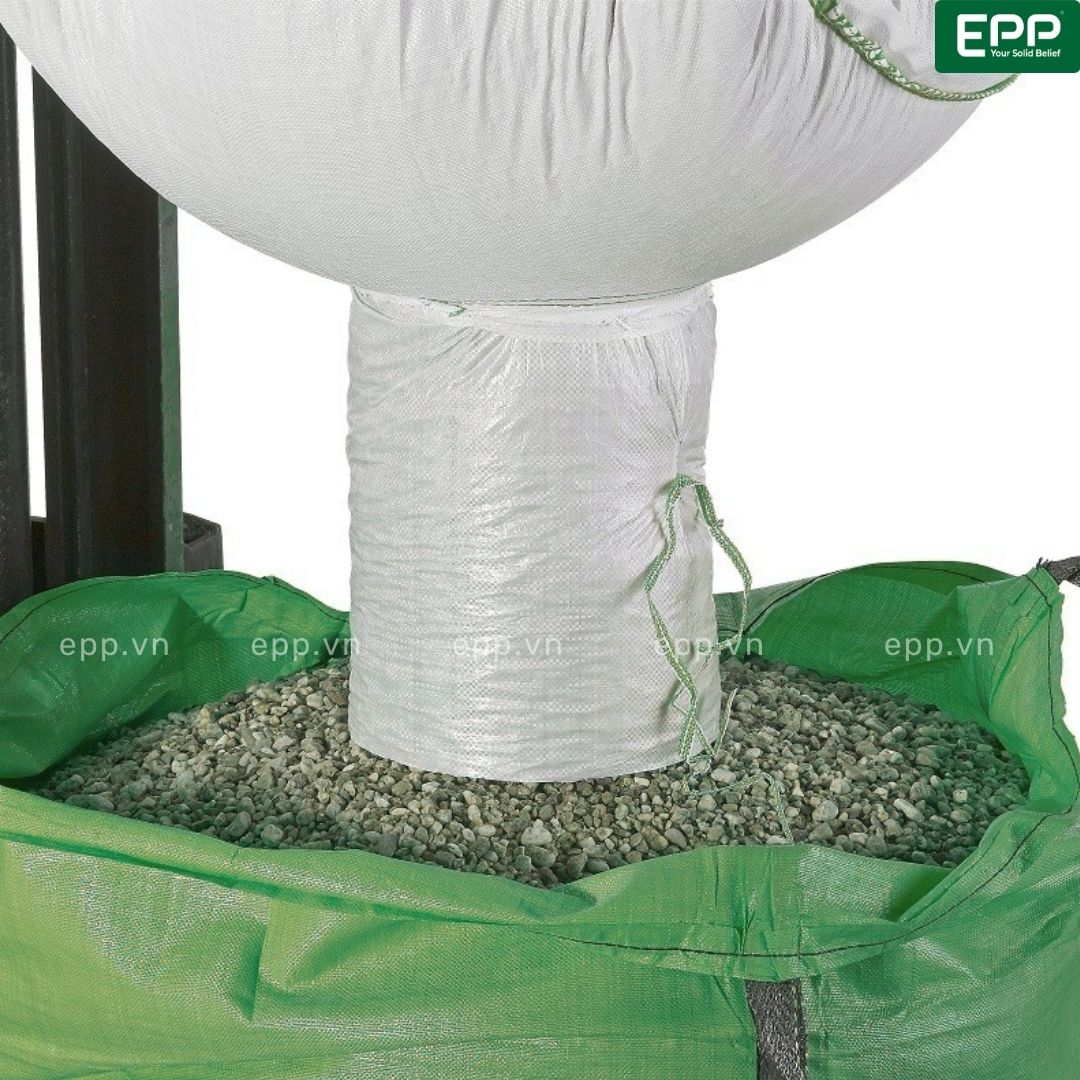
Selecting the right system depends on your specific industry needs and the “flowability” of your material:
| System Type | Level of Automation | Best Application |
| Manual Unloading | Low | Small-scale operations with non-hazardous, free-flowing goods. |
| Standard Mechanical | Medium | General construction (sand, gravel) and agriculture. |
| Fully Automatic | High | 24/7 production lines, hazardous chemicals, or food-grade sugar/flour. |
| Loss-in-Weight | Extreme | Applications requiring high-precision dosing and weighing during discharge. |
Notes for Safe Operation when using jumbo bag unloading system
Based on our extensive experience in the Vietnamese packaging market, we recommend these three “Golden Rules” for system longevity:
- Routine Maintenance (The “6-Month Check”): Check all hoist cables for fraying and inspect the iris valves for wear. A leaking valve during a 1-ton discharge can cause hours of downtime for cleaning.
- Operator Training: While the systems are automated, operators must be trained in LOTO (Lock-Out, Tag-Out) procedures. Understanding the precise alignment of the bag loops on the spreader bar is critical for a balanced lift.
- Safety Factor (SF) Matching: Always ensure your jumbo bag Safety Factor matches the unloader’s capacity. If you are using a 6:1 multi-trip bag, ensure the unloader’s vibratory massagers aren’t set to a frequency that could damage the reinforced seams of the bag.
Conclusion
A jumbo bag unloading system is more than just a piece of hardware; it is a strategic investment in efficiency and worker welfare. By automating the transition from bulk storage to active transport, businesses save time, reduce material waste, and ensure a safer working environment.
As global supply chains become more demanding, having the right machinery paired with high-quality FIBC bags is essential. For detailed technical advice or to source certified bags that integrate perfectly with automated unloading systems, contact EPP Vietnam Co., Ltd. Our experts are ready to help you optimize your logistics from the ground up.

Could yuo give me a price for the machine ?
Hello sir, we are jumbo bags supplier not for the machines. For any information, please contact us via email [email protected]
ocenili váš obsah. Dejte mi prosím vědět.