Maximizing the lifetime of PP woven Jumbo bags (FIBCs) prevents sudden load failures, protects warehouse personnel, and significantly lowers annual packaging expenditure. Industrial woven polypropylene (PP) fabric degrades quickly under ultraviolet exposure, rough forklift handling, and improper warehouse storage.
As a global supply chain integrator, EPP Vietnam connects international businesses with high-performance, certified bulk packaging networks. This technical guide focuses strictly on operational durability—explaining how to extend bag usability through material science, daily handling protocols, and facility preservation strategies.

Strategic maintenance and proper storage conditions maximize the operational lifetime of PP woven Jumbo bags.
Understanding the Value of Extending FIBC Lifespan
Extending the service life of industrial bulk bags protects both personnel and high-value cargo. A sudden structural failure during transit causes spilled product, costly cleanup downtime, and serious safety hazards during high-lift forklift operations.
Prolonging the lifetime of PP woven Jumbo bags maximizes your return on investment by reducing bag replacement frequency and ensuring full load-bearing capacity throughout every trip cycle.
Key operational benefits include:
- Lowering overall packaging cost per metric ton of material moved.
- Preventing material loss, moisture ingress, and product contamination.
- Maintaining compliance with international safety standards such as ISO 21898.
To explore specialized heavy-duty container designs for various payloads, view our core collection of heavy-duty FIBC bags.

Key Technical Factors Impacting the Lifetime of PP Woven Jumbo Bags
Manufacturing specifications directly dictate how long a bulk bag holds up under load over multiple operational cycles.
1. Material Integrity & Fabric Structure
Fabric Quality → Determines Tensile Strength: Using 100% virgin polypropylene (PP) resin creates continuous, unbroken polymer chains during tape extrusion. This ensures high elasticity and high breaking strength under a 2,000 kg static payload, whereas recycled content creates brittle tapes prone to sudden splitting.
GSM & Thickness → Influences Load Resistance: Grams per Square Meter (GSM) dictates the fabric’s structural mass. Higher GSM (e.g., 180–240 GSM for 2-ton bags) provides the physical density required to withstand internal hoop stress, resist puncture from sharp minerals, and prevent localized stretching.
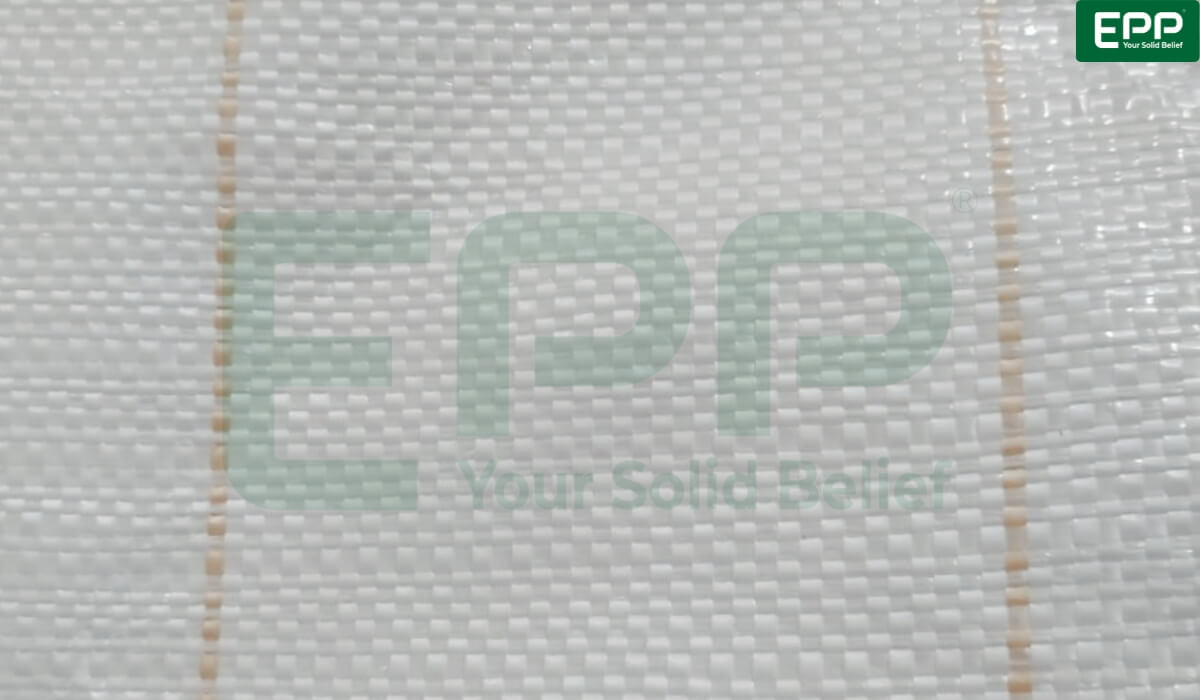
High-tensile virgin PP fabric and reinforced seam construction form the foundation of FIBC longevity.
2. Mechanical Construction & Environmental Shielding
Sewing Quality → Prevents Seam Failure: High-tenacity thread, heavy reinforcement patches, and double-needle lock stitching ensure stress is distributed evenly across panel joints. Proper seam engineering prevents thread popping and loop pull-outs at critical stress points during high-lift forklift transport.
UV Exposure → Causes Polymer Degradation: Solar ultraviolet radiation triggers photo-oxidation in polypropylene, breaking down molecular bonds. Compounding 1% to 3% UV stabilizer additives into the resin preserves at least 50% of original tensile strength after 300 hours of UV exposure.
3. Operational Handling & Facility Management
Handling Method → Prevents Mechanical Damage: Keeping forklift tines smooth, maintaining vertical lift angles on lifting loops, and avoiding floor dragging prevents severe abrasion, friction heat melting, and premature side-wall tears.
Storage Environment → Controls Moisture & Contamination: Storing bags indoors, elevated on clean pallets away from standing water and extreme temperatures, prevents mold growth, fabric weakening, and chemical contamination of the woven tapes.
How to Extend the Lifetime of PP Woven Jumbo Bags During Use?
Proper daily handling prevents mechanical damage and extends bag usability across transit stages.
1. Safe Forklift and Crane Handling
- Keep Loops Vertical: Position forklift tines so lifting loops hang straight up and down. Angled lifting puts uneven lateral tension on loop seams.
- Inspect Fork Tines: Smooth out sharp edges or rust on forklift tines that can cut PP webbing during high-lift operations.
- Never Drag Bags: Dragging a loaded bag across concrete causes friction heat that instantly melts the bottom fabric fibers.
Following standardized procedures is essential to prevent workplace accidents. Before deploying heavy loads, ensure your warehouse team complies with international FIBC safe handling guidelines.
2. Proper Stacking Techniques
- Pyramid Stacking: Stack filled bags in an overlapping pyramid pattern to distribute the 2,000 kg weight evenly across lower units.
- Use Clean Pallets: Ensure pallets are free from protruding nails, sharp splinters, or broken boards.
- Avoid Over-Stacking: Exceeding recommended stacking heights crushes bottom bags and permanently stretches side seams.
Unstable stacks pose severe risks to personnel and inventory. Protect your operations by learning how to eliminate the most common mistakes to avoid when stacking bulk bags.
3. Storage and Environmental Control
- Store Indoors: Keep bags inside a dry, temperature-controlled warehouse away from direct solar radiation.
- Keep Off Concrete Floors: Elevate bags on pallets to prevent ambient moisture build-up underneath the bottom panel.
- Use Heavy Tarps: If temporary outdoor storage is unavoidable, cover bags with opaque, heavy-duty UV-resistant tarpaulins.
Environmental exposure can prematurely degrade even high-grade polypropylene. Implement industry-tested facility controls by following our detailed recommendations on how to preserve FIBC bulk bags in your warehouse.

Maintaining vertical loop angles during forklift transport prevents localized seam tearing.
FAQs about lifetime of PP woven Jumbo bags
How long is the typical shelf life of a PP woven Jumbo bag stored indoors?
Stored indoors below 30°C away from UV light, unused bags made from 100% virgin PP resin maintain their structural integrity for 2 to 3 years without losing load capacity.
Can small tears on a bulk bag be safely repaired?
No. Any tear, cut, or puncture on a loaded FIBC ruins its structural integrity. Patching or sewing damaged fabric in the field is unsafe and violates international safety standards. Damaged bags must be retired immediately to prevent hazards.
How can forklift operators prevent loop damage during transport?
Operators should ensure fork tines are completely smooth and burr-free. Spacing the tines correctly ensures lifting forces remain vertical, preventing abrasive wear and preserving the lifetime of PP woven Jumbo bags.
What are the main warning signs of severe UV or fabric degradation?
Key indicators include fabric discoloration, chalky surface dust, stiff or brittle PP tapes, and visible fraying along seams or loops. Any bag showing these signs must be removed from service immediately.
Conclusion
Maximizing the lifetime of PP woven Jumbo bags requires combining high-specification raw materials (100% virgin PP resin, UV stabilization, SF 6:1 ratings) with disciplined forklift handling and warehouse storage. Following these protocols prevents catastrophic failures and significantly reduces long-term packaging costs.
EPP Vietnam operates as a global value-chain integrator, connecting international businesses with audited FIBC manufacturing networks. Our independent QA/QC teams inspect fabric GSM, loop tensile strength, and seam integrity to guarantee complete safety compliance. Contact EPP Vietnam today to request technical specifications, receive custom quotes, or order free product samples for your facility.

🌐Website:https://epp.vn// https://eppvietnam.trustpass.alibaba.com/
📲Contact us: +84 986 002 888 – [email protected]