
The digital retail landscape has transformed dramatically, driven by shifting consumer expectations, rapid technological innovation, and streamlined global logistics. At the center of this revolution is the B2C model (Business-to-Consumer), an e-commerce framework that connects brands directly with individual shoppers.
Whether operating as a pure-play digital storefront, an omnichannel retailer, or an industrial manufacturer expanding into consumer-facing channels, understanding how to leverage the B2C model is essential for unlocking sustainable online growth. This guide explores the core mechanics of the B2C model, its dynamic sales drivers, technological foundations, key operational challenges, and strategies for long-term customer retention.
Understanding the Core Dynamics of the B2C Business Model
What is a B2C Model in the Digital Era?
At its core, a B2C business model refers to transactions where a business sells products or services directly to individual end-consumers for personal use. In the digital era, this model extends far beyond traditional brick-and-mortar retail to encompass web storefronts, mobile commerce apps, social media shopping feeds, and online marketplaces.
Unlike business-to-business transactions—where companies navigate long purchasing cycles and complex multi-stakeholder approvals, as detailed in our guide on whether the B2B business model is still effective in the digital age—the B2C sales journey is short, direct, and heavily influenced by user experience, emotional engagement, and immediate convenience.
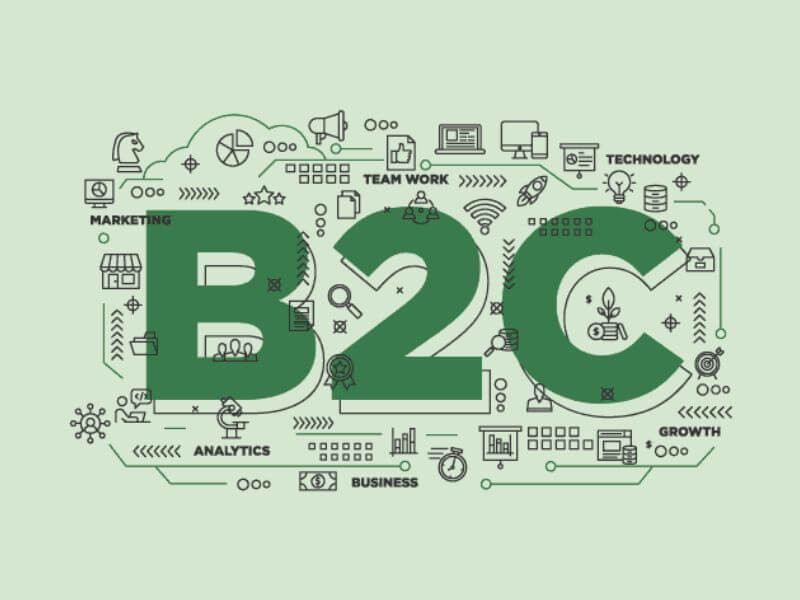
B2C Model in the Digital Era
Types of B2C E-Commerce Models Shaping Modern Retail
To capture market share effectively, modern consumer brands leverage diverse operational structures within the B2C umbrella:
-
Direct Sellers: Merchants sell directly to end-users via brand-owned websites or branded mobile applications. This Direct-to-Consumer (D2C) approach provides full control over customer data, pricing, and brand messaging.
-
Online Intermediaries: Platforms that aggregate multiple sellers on a single marketplace (e.g., Amazon, eBay, Shopee). These platforms grant immediate access to massive global traffic in exchange for seller commission fees.
-
Advertising-Based B2C: Media outlets and social platforms that offer free content or engagement tools to consumers while generating revenue by delivering targeted product ads directly within the user feed.
-
Community-Based / Social Commerce: Brands leveraging social platforms (TikTok Shop, Instagram Shopping) to convert social interactions directly into in-app purchasing transactions.
-
Fee-Based / Subscription Models: Businesses delivering consumer goods or digital content through recurring subscription payments, creating predictable monthly recurring revenue (MRR).

Types of B2C E-Commerce Models
How the B2C Model Accelerates Online Revenue?
The B2C framework contains inherent operational advantages that allow online businesses to scale revenue rapidly when executed correctly:
- Elimination of Intermediaries: By bypassing traditional distributor networks and wholesale brokers, brands capture higher gross margins while offering competitive pricing directly to shoppers.
- Expanded Geographic Reach: Online B2C storefronts operate 24/7 without spatial constraints, allowing local brands to scale cross-border transactions seamlessly.
- Agile Impulse-Driven Purchasing: Consumer buying decisions are frequently triggered by targeted marketing, flash promotions, or visual appeal. Well-timed digital campaigns yield immediate conversions.
- Data-Driven Upselling: E-commerce engines analyze real-time browsing behavior to serve automated product recommendations, bundle offers, and cross-sell suggestions that increase Average Order Value (AOV).
Technology’s Role in B2C Model Success
Modern B2C growth relies heavily on an integrated technology stack. As consumer expectations evolve, brands rely on automated digital infrastructures to deliver personalized, frictionless shopping journeys across every digital touchpoint.
- AI-Driven Personalization Engines: Machine learning algorithms track shopper behavior to deliver personalized search results, tailored homepage layouts, and dynamic pricing strategies.
- Frictionless Omnichannel Payment Gateways: Integrating digital wallets (Apple Pay, Google Pay), buy-now-pay-later (BNPL) options, and 1-click checkout flows minimizes cart abandonment rates at the critical point of purchase.
- Social Commerce Integration: Native checkout features on social networks convert social discovery into instantaneous sales, eliminating steps in the conversion funnel.
- Integrated Supply Chain Management: Real-time inventory syncing across warehouses, automated fulfillment routing, and automated tracking updates build buyer trust from checkout to delivery.
Many consumer-facing brands that scale up operations eventually adopt sophisticated portal technologies originally developed for enterprise environments, similar to those found on the best B2B e-commerce portals.
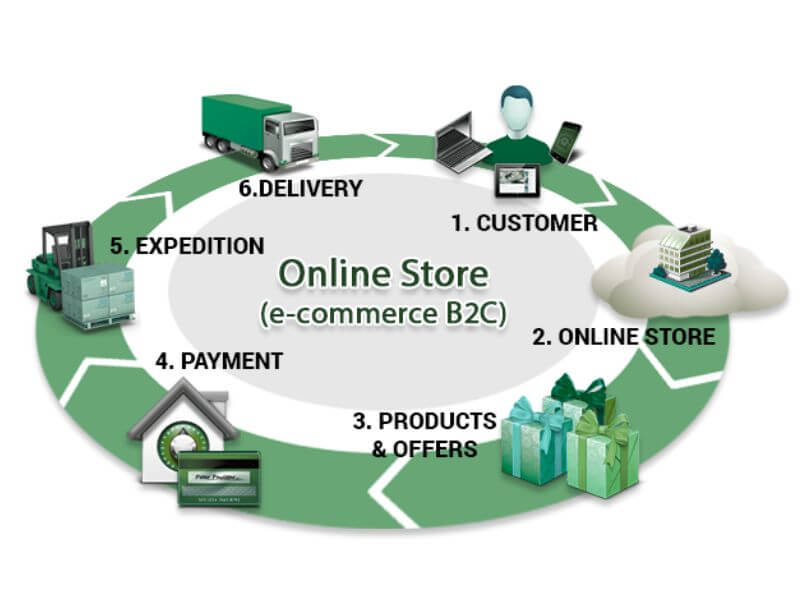
B2C E-Commerce Order Fulfillment Workflow
Challenges in B2C Online Sales
Despite its high revenue potential, operating a successful B2C model presents distinct operational and financial hurdles that demand strategic planning:
1. High Customer Acquisition Costs (CAC)
Rising ad spend across major digital advertising channels has made acquiring new retail customers increasingly expensive. To maintain profitability, B2C brands must prioritize organic search visibility (SEO), email marketing automation, and long-term customer lifetime value (LTV).
2. Intense Price Sensitivity and Cart Abandonment
Consumer comparison shopping is effortless online. Shoppers can switch storefronts in seconds if faced with unexpected shipping fees, slow site performance, or complicated checkout procedures.
3. Last-Mile Fulfillment and Packaging Integrity
The physical delivery touchpoint is where digital promises meet real-world performance. Subpar, damaged, or unprotective packaging during transit leads to high return rates, negative reviews, and eroded brand trust.
For brands distributing physical goods—ranging from consumer agricultural products to retail pet food—partnering with reliable packaging manufacturers is crucial. Utilizing durable, food-safe woven sacks ensures products arrive undamaged, protecting margins during last-mile fulfillment. Choosing the right structural framework for your operational scale is vital, as outlined in our overview of modern business model strategies.
Frequently Asked Questions (FAQ)
What is the primary difference between B2C and B2B models?
The primary difference lies in the target customer and transaction complexity. The B2C model targets individual end-consumers with shorter sales cycles and smaller order values. The B2B model targets businesses, involving higher order volumes, formal contracts, and longer decision-making processes.

The primary difference between B2C and B2B models
Can a company operate both B2C and B2B models simultaneously?
Yes. Many manufacturers and wholesale distributors adopt a hybrid B2B2C or dual-channel strategy. They sell bulk shipments to commercial clients via B2B networks while managing a Direct-to-Consumer (D2C) online storefront for individual retail buyers.
Why is packaging so critical in B2C e-commerce?
In B2C online retail, physical packaging represents the first tangible touchpoint between the brand and the consumer. High-quality, protective packaging prevents product damage during last-mile shipping, reduces return costs, and enhances the customer unboxing experience to drive repeat purchases.
Conclusion
The B2C model continues to drive global online sales by combining digital convenience, personalized user experiences, and direct consumer engagement. To succeed in today’s competitive landscape, businesses must balance front-end marketing innovation with robust operational backend support—ensuring seamless technology integration, reliable supply chain fulfillment, and high-quality product packaging from origin to door.
Website: epp.vn
Alibaba website: https://eppvietnam.trustpass.alibaba.com/
Email: [email protected] Hotline/ Whatsapps: +84 986 002 888