
How much do bulk bags gravel cost? This is the first question any contractor, landscaper, or DIY homeowner asks when planning a project. While purchasing loose gravel by the truckload is often the cheapest per ton, bulk bags gravel (typically 800kg to 1,000kg) offer a specialized balance of price, convenience, and precision. In an era where urban construction space is limited and fuel surcharges are high, the “all-in” cost of a bulk bag often proves more economical than managing a messy, loose pile.
At EPP Vietnam, we provide high-strength FIBCs to aggregate suppliers globally. We understand that the price you pay at the register is influenced by everything from the rarity of the stone to the durability of the woven polypropylene bag itself. In this guide, we will break down the costs you can expect.
What are bulk bags gravel?
Before diving into the numbers, it is important to define the product. Bulk bags gravel refers to aggregate material pre-packaged in a Flexible Intermediate Bulk Container (FIBC). These bags are engineered to hold between 800kg and 1,500kg of stone, depending on the supplier’s standard.
Unlike 20kg small bags found at hardware stores, a single bulk bag represents a “wholesale” unit of material. They are designed with reinforced lifting loops, allowing them to be moved by cranes, HIAB trucks, or forklifts. For many, they are the “Goldilocks” of aggregate logistics—larger than a small bag but more manageable than a 20-ton dump truck delivery.
Factors That Drive the Cost of bulk bags gravel
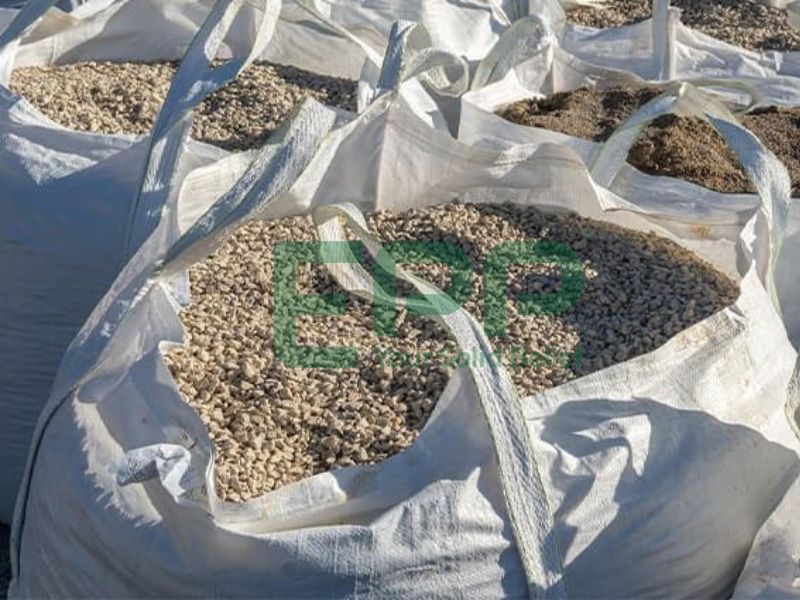
The price of bulk bags gravel isn’t a fixed number; it fluctuates based on four primary pillars:
1. Type and Rarity of the Stone
This is the biggest price driver. Construction-grade materials are functional and cheap, while decorative stones are aesthetic and expensive.
- Utility Gravel: Items like MOT Type 1, crushed limestone, or “crush and run” are widely available and cost-effective.
- Decorative Gravel: Premium options like Polar White marble, Black Basalt, or Scottish Pebbles require more intensive quarrying and washing, leading to a higher price point.
2. Logistics and “The Last Mile”
Gravel is heavy, and weight equals fuel. If you live 50 miles from the nearest quarry, your bulk bags gravel will cost significantly more due to transport fees. Many suppliers offer “free delivery,” but this is usually built into a higher bag price. Always check if the price quoted is “Ex-Works” (at the yard) or “Delivered.”
3. Bag Engineering and Quality
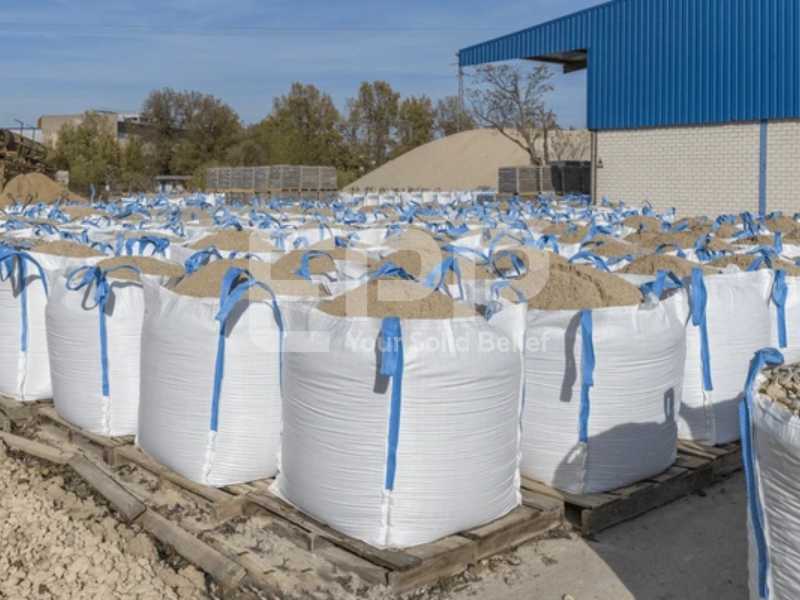
Not all bags are equal. A standard 5:1 Safety Factor bag is cheaper but designed for single use. If you require a 6:1 Multi-Trip bag or a Baffle Bag (to keep the bag square for easier storage), you will pay a small premium for the superior packaging. At EPP Vietnam, we find that the slight extra cost for a Baffle Bag often pays for itself by allowing you to fit more bags on a single delivery truck.
4. Seasonal Demand
Spring and early summer are peak landscaping seasons. During these months, demand for bulk bags gravel spikes, often leading to a 10%–15% price increase compared to the “off-season” winter months.
Average Price Comparison Table
To help you budget, here is a comparison of average prices for bulk bags gravel based on current 2026 market data. Prices are estimated for a standard 850kg – 1,000kg (1 Ton) bag.
| Gravel Type | Average Price (Per Bag) | Best Use Case |
| Crushed Limestone / MOT Type 1 | $75 – $100 | Driveway bases, sub-base layers |
| Pea Gravel (Standard Gray/Brown) | $85 – $125 | Drainage, dog runs, walkways |
| Golden / Cotswold Chippings | $130 – $180 | Decorative driveways, garden paths |
| River Rock / Large Pebbles | $160 – $240 | Water features, dry creek beds |
| Premium White / Blue / Slate | $230 – $450 | Luxury landscaping, focal points |
Note: Prices vary by region. Urban areas near ports or quarries may see prices at the lower end of these ranges.
Tips for Getting the Best Price of bulk bags gravel

High-quality aggregate doesn’t have to break your project budget. Use these strategies to lower your total cost:
- Buy in Multiples: Most suppliers charge a heavy “first bag” delivery fee. Ordering three or four bulk bags gravel at once usually reduces the delivery cost per bag significantly.
- Choose Local Aggregates: Shipping “local stone” is always cheaper. If you live in a limestone-rich area, choosing limestone over imported granite can save you 30% or more.
- Off-Peak Ordering: If your project allows, order your gravel in the late autumn or winter. Suppliers are often looking to move inventory during the slow season and may offer discounts or waived delivery fees.
- Verify the Weight: Some “bulk bags” only contain 750kg, while others contain a full 1,000kg. Always check the Safe Working Load (SWL) and the actual fill weight to ensure you are comparing apples to apples.
- Consolidate Materials: If you need sand, topsoil, and gravel, order them all in the same bulk bag delivery. This maximizes the truck’s capacity and reduces the number of “drop fees” you pay.
Conclusion: Investing in Efficiency
When asking “How much do bulk bags gravel cost?”, remember that you aren’t just paying for stone—you are paying for the ability to have that stone placed exactly where you need it with zero waste. For small to medium projects, the efficiency of a bulk bag far outweighs the slight premium over loose-haul gravel.
At EPP Vietnam, we are dedicated to providing the high-quality FIBCs that make these logistics possible. Whether you are a quarry owner looking for durable 6:1 bags or a contractor needing square-profile Baffle Bags, we have the solution to keep your costs down and your efficiency up.
