
In the quest for sustainable gardening, the use of biodegradable materials has become increasingly popular. Among these materials, the biodegradable weed barrier stands out as a game-changer. This blog post will delve into how biodegradable weed blocker work, their benefits, and their role in promoting sustainable gardening practices. Additionally, we’ll address frequently asked questions and provide a call to action for those interested in incorporating this eco-friendly solution into their gardening routine.
What is a Biodegradable Weed Barrier?
A biodegradable weed barrier is an eco-friendly material designed to suppress weed growth while allowing water, air, and nutrients to penetrate the soil. Unlike traditional plastic barriers, which can take centuries to decompose, biodegradable options are crafted from natural materials that break down over time, enriching the soil rather than harming it.
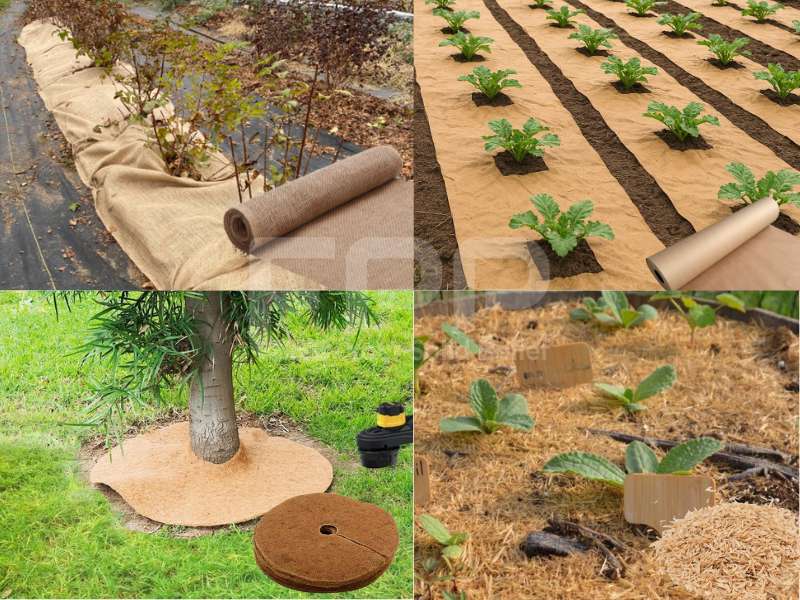
1. Natural Composition: Made from organic materials such as jute, coir, paper, or other plant-based fibers.
2. Eco-Friendly Decomposition: Designed to decompose within a specific timeframe, typically one to two years, depending on environmental conditions.
3. Water and Nutrient Permeability: Allows essential elements to reach the soil, promoting healthy plant growth.
4. Weed Suppression: Blocks sunlight to prevent weed seeds from germinating.
Types of Biodegradable Weed Barriers
| Type of Biodegradable Weed cloth | Material | Decomposition Time | Benefits | Best Suited For |
|---|---|---|---|---|
| Paper-Based Barriers | Recycled paper/cardboard | 1 season | Easily layered; effective weed suppression; improves soil structure | Annual flower beds and gardens |
| Jute Fabric | Jute plant fibers | 1-2 seasons | Durable than paper; allows water and nutrients to pass | Vegetable gardens, flower beds |
| Coconut Coir Mats | Coconut husks | 2-3 seasons | Robust; retains soil moisture | Perennial gardens |
| Rice Hulls and Straw | Organic materials | Varies (months) | Improves soil structure; organic matter | Organic gardens |
How Do Biodegradable Weed Barriers Work?
1. Installation Process
Installing a biodegradable weed barrier is a straightforward process that can be done in a few simple steps:
– Prepare the Soil: Begin by clearing the area of existing weeds and debris. Loosen the soil to promote healthy root growth.
– Measure and Cut: Measure the area you want to cover and cut the biodegradable barrier to fit.
– Lay the Barrier: Place the barrier over the prepared soil, ensuring it covers the entire area.
– Secure the Edges: Use stakes or soil to secure the edges, preventing it from shifting or blowing away.
– Planting: Cut holes or slits in the barrier for planting, allowing plants to grow through while still suppressing weeds.
2. Decomposition Process
As the biodegradable weed barrier breaks down, it undergoes several stages:
– **Microbial Activity**: Microorganisms in the soil begin to decompose the barrier, breaking it down into organic matter.
– **Nutrient Release**: As the material decomposes, it releases valuable nutrients back into the soil, enriching it and supporting plant growth.
– **Soil Improvement**: The organic matter enhances soil structure, improving moisture retention and aeration.
Benefits of Using Biodegradable Weed Barriers
1. Environmental Impact
Using biodegradable weed mat significantly reduces your environmental footprint. Unlike traditional plastic barriers, they do not contribute to plastic pollution. As they decompose, they enhance soil health, supporting beneficial microorganisms and earthworms.
2. Improved Soil Health
The organic matter released during decomposition enriches the soil, leading to better water retention, aeration, and nutrient availability. This creates a thriving environment for plants and promotes biodiversity.
3. Cost-Effective Solution
While the initial investment in biodegradable weed barriers may be slightly higher than plastic options, their long-term benefits make them a cost-effective solution. They reduce the need for chemical herbicides and labor-intensive weeding, saving time and money over the long term.
4. Versatility
Biodegradable weed barriers can be used in various gardening applications, including:
– Vegetable Gardens: Protecting crops from weeds while allowing nutrients and water to penetrate.
– Flower Beds: Enhancing the growth of ornamental plants by suppressing weeds.
– Landscaping Projects: Providing a sustainable solution for weed control in landscaped areas.
Tips for Using Biodegradable Weed Barriers Effectively
1. Choose the Right Material: Different biodegradable barriers have varying lifespans and properties. Select one that aligns with your gardening goals.
2. Monitor Decomposition: Regularly check the condition of the barrier. If it decomposes too quickly, you may need to replace it.
3. Combine with Other Techniques: For optimal results, use eco landscape fabrics in conjunction with mulching and proper watering practices.
Biodegradable Weed Barriers and Fabric Weed Barriers
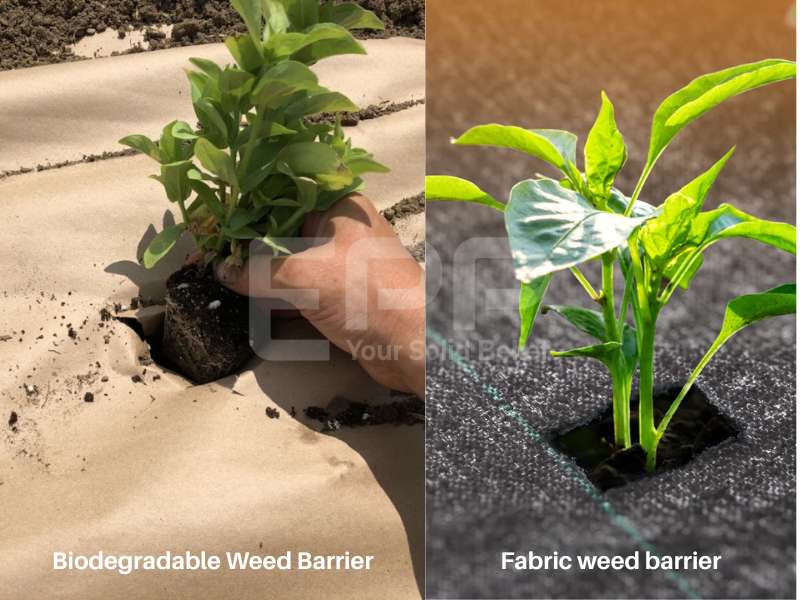
When selecting a weed barrier for your gardening or landscaping needs, it’s essential to understand the differences between biodegradable and fabric weed barriers. Here’s a detailed comparison of the two:
| Feature | Biodegradable Weed mat | Fabric Weed Barriers |
|---|---|---|
| Material Composition | Organic materials (paper, jute, coconut coir, rice hulls) | Synthetic materials (woven or non-woven polypropylene) |
| Decomposition | Break down naturally in the soil | Designed for long-term use; do not decompose |
| Environmental Impact | Eco-friendly; reduces plastic usage and enriches soil | Contributes to plastic pollution if not disposed of properly |
| Water and Air Permeability | Varies; some allow air/water pass-through | Generally good permeability for air and water |
| Ease of Installation | Lightweight and easy to cut, may require securing | Easy to install and secure against erosion |
| Suitable Applications | Ideal for organic gardening, annual beds | Best for long-term landscaping and robust weed protection |
| Cost | Often more affordable but may need frequent replacement | Higher initial cost but more cost-effective long-term |
FAQs About Biodegradable Weed Barriers
1. How long do biodegradable ground cover last?
Eco landscape fabrics typically last between one to two years, depending on environmental conditions such as moisture, temperature, and microbial activity.
2. Can I use biodegradable weed barriers in all types of gardens?
Yes, biodegradable weed fabrics are versatile and can be used in vegetable gardens, flower beds, and landscaping projects.
3. Do biodegradable ground cover require maintenance?
While they require less maintenance than traditional plastic barriers, it’s essential to monitor their condition and replace them if they decompose too quickly.
4. Are biodegradable weed cloth effective against all types of weeds?
Biodegradable weed cloth are effective against most annual weeds but may not suppress perennial weeds with deep root systems. Combining them with other weed control methods is advisable for best results.
5. Where can I purchase biodegradable weed control barriers?
You can order biodegradable weed control barriers from various gardening supply stores and online retailers, including EPP Vietnam.
Conclusion
Biodegradable weed blocks are a vital tool for sustainable gardening. They provide effective weed control while enriching the soil and supporting a healthy ecosystem. By choosing biodegradable options, gardeners can contribute to a more sustainable future.
Ready to make the switch to a more sustainable gardening solution? Order your biodegradable weed barrier today from EPP Vietnam and take the first step towards a greener garden!
By implementing biodegradable weed mats, you can cultivate a thriving garden that not only benefits you but also the planet. Join the movement toward sustainable gardening and make a positive impact today!

