PP woven sacks have revolutionized the global agricultural industry, providing a level of security and efficiency that traditional jute or paper packaging simply cannot match. As a leading manufacturer in Vietnam, we have seen how these engineered textiles have become the gold standard for transporting everything from rice and maize to sensitive seeds and fertilizers.
In this guide, we will explore why polypropylene woven bags are the most reliable choice for the agricultural sector and how sourcing from a specialized pp woven sacks factory can significantly improve your bottom line.
What are PP woven sacks?
At their core, PP woven sacks (also commonly known as woven bags) are made from high-quality polypropylene resin. The process begins at a pp woven bags fabrics facility, where the resin is extruded into thin, high-strength tapes. These tapes are then woven together on circular looms to create a seamless, high-performance fabric.
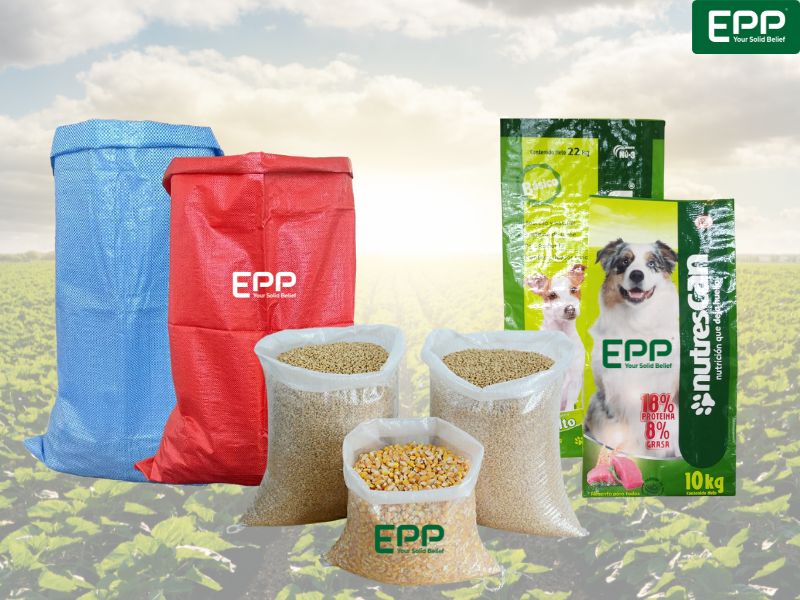
Unlike solid plastic sheets, the woven nature of polypropylene bags gives them unique mechanical properties. They are flexible yet rigid enough to hold their shape under pressure. In 2026, many agricultural producers prefer PP laminated woven sacks for products that require a moisture barrier, while others stick to the breathable, unlaminated versions for crops that need air circulation.
Superior Durability and Tensile Strength
One of the most significant benefits of woven sacks is their incredible tensile strength. Agricultural environments are notoriously harsh; bags are often dropped from trucks, dragged across rough soil, and stacked 20-high in humid warehouses.
Polypropylene woven bags are specifically engineered to handle this mechanical stress. Because the tapes are woven in a crisscross pattern, the load is distributed evenly across the entire surface of the bag. This prevents the “bursting” effect common in paper bags. For a pp woven bag buyer, this durability means a dramatic reduction in product wastage. When you use sacks from a reputable pp woven sacks factory, you are investing in a package that can withstand a 3-meter drop test even when filled to its 50kg capacity.
Breathability vs. Water Protection
The agricultural sector faces a unique challenge: some products need to breathe to stay fresh, while others must stay perfectly dry. PP woven sacks offer the perfect solution for both.
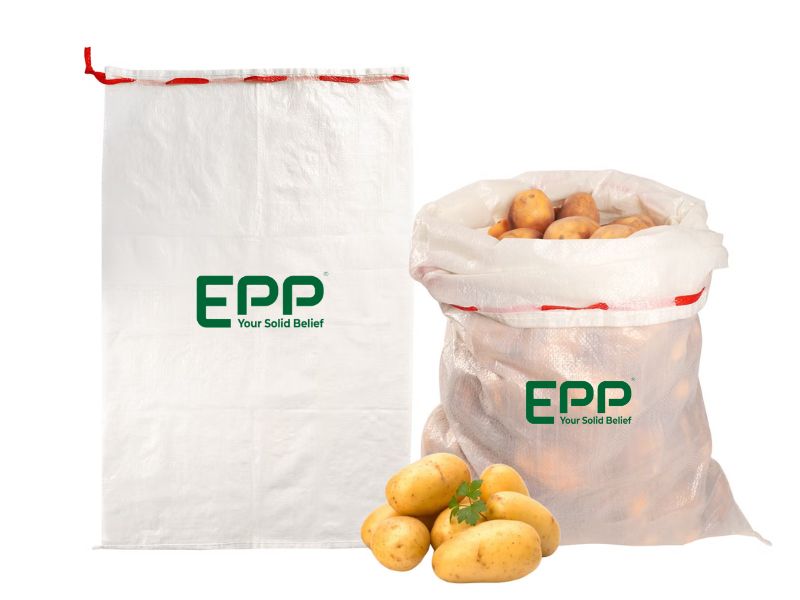
Breathability: For crops like potatoes, onions, and unrefined grains, airflow is essential to prevent “sweating” and mold growth. The natural microscopic gaps in woven bags allow heat to escape, keeping the produce at an optimal temperature.
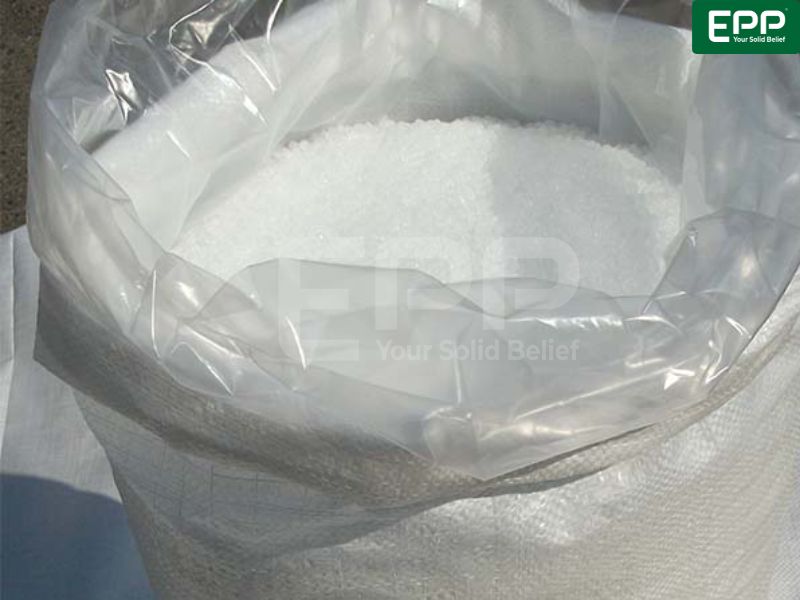
Water Protection: For refined products like flour, sugar, or salt, moisture is the enemy. In these cases, laminated woven bags are used. By applying a thin layer of PE film to the pp woven sacks fabrics, the bag becomes a waterproof shield that protects the contents from humidity and rain during sea transit.
Pest and Chemical Resistance
Agricultural products are often targeted by rodents and insects, and they are frequently stored near fertilizers or pesticides. Polypropylene bags offer an inherent chemical resistance that organic fibers like jute do not.
The synthetic nature of pp woven sacks makes them unattractive to pests. Moreover, polypropylene is a non-polar polymer, meaning it is highly resistant to acids, bases, and organic solvents. This ensures that the woven sacks do not degrade when exposed to soil chemicals or fertilizers. Most importantly, high-quality woven bags are food-safe and BPA-free, ensuring that no harmful chemicals leach into the food supply, maintaining the organic integrity of the harvest.
Cost-Effectiveness and Logistics Efficiency
For any pp woven bag buyer, the ROI (Return on Investment) is a primary concern. PP woven sacks are the most cost-effective packaging solution on a “price-per-ton” basis.
- Lightweight Strength: Because the fabric is so strong, manufacturers can use less material to achieve a high weight capacity. This lowers the weight of the packaging, which in turn reduces shipping costs.
- Space Optimization: Woven bags have a slim profile, allowing for tighter palletization. In a standard 40ft container, you can fit significantly more product packed in woven PP bags than in bulky plastic drums or wooden crates.
- Reusability: On the farm, these sacks are often reused for multiple harvest cycles, further extending their value before they are sent to a recycling facility.
Buyer Tips for Choosing PP Woven Sacks from EPP Vietnam
Sourcing from a pp woven sacks factory in Vietnam offers distinct advantages, including lower tariffs and access to advanced European weaving technology.
| Crop / Product Type | Recommended Bag Type | Key Feature Needed | Why? |
| Grains (Rice, Corn, Wheat) | Standard Woven Sacks | Breathable Weave | Prevents “sweat” and internal heat buildup during storage. |
| Fine Powders (Flour, Starch) | Laminated PP Woven Sacks | Sift-proofing | Prevents fine particles from leaking through the mesh holes. |
| Root Veggies (Potatoes, Onions) | Mesh or Leno Woven Bags | High Air Permeability | Maximum ventilation is required to prevent rot and sprouting. |
| Seeds & High-Value Cargo | Polypropylene Bags with PE Liner | 100% Moisture Barrier | Protects germination rates by blocking all external humidity. |
| Fertilizers & Chemicals | Coated Polypropylene Woven Bags | Chemical Resistance | Prevents the product from reacting with moisture or leaking. |
| Export-Grade Retail Rice | BOPP Laminated PP Woven Bags | High-Def Printing | Combines 100% water protection with premium brand visibility. |
Expert FAQ
Q: Are PP woven sacks better than jute bags for grain?
A: Yes. While jute is traditional, polypropylene bags are lighter, stronger, and more resistant to rot, mold, and moisture. They also provide a better surface for high-quality branding and logos.
Q: Can these sacks be recycled?
A: Absolutely. PP woven sacks are 100% recyclable. Most industrial recycling programs accept them to be shredded and turned into new plastic products like garden furniture or pallets.
Q: How do I know the PP bags are food-grade?
A: Look for a pp woven sacks factory that holds BRCGS or ISO 22000 certifications. This ensures the bags are manufactured in a “Clean Room” environment free from dust and contaminants.
Q: What is the standard load capacity?
A: While standard sizes hold 25kg or 50kg, polypropylene woven bags can be customized to hold anywhere from 5kg to 100kg depending on the denier (thickness) of the tapes used.
Conclusion: The Ultimate Agricultural Shield
The benefits of using PP woven sacks for agricultural products are undeniable. They offer a unique combination of physical strength, chemical stability, and cost-efficiency that protects the farmer’s hard work from the field to the dinner table. By choosing high-quality woven bags from a reputable Vietnamese supplier, you ensure that your harvest remains safe, dry, and marketable.
At EPP Vietnam, we specialize in “Value-Engineered” packaging. We don’t just sell polypropylene bags; we provide technical solutions tailored to your specific crop. Whether you need breathable mesh for potatoes or laminated pp woven sacks for export-grade rice, our team is ready to help you optimize your packaging strategy for the 2026 season. Contact us today for a factory-direct quote and samples.