Selecting the right packaging material is critical for global commodity exporters, B2B procurement managers, and logistics specialists. For decades, traditional natural jute bags dominated agricultural freight, while synthetic woven PP bags (woven polypropylene bags) became the gold standard across heavy-duty industrial shipping.
Evaluating the technical capabilities, cost structures, and environmental footprints of poly woven bags against natural jute helps supply chain leaders protect cargo integrity and optimize total landed costs.
Woven PP Bags vs Jute Bags at a Glance
Polypropylene woven bags are engineered from extruded polypropylene tapes woven in a criss-cross pattern, yielding a high-strength, lightweight container. Jute bags are crafted from natural plant fibers, offering heavy natural breathability and complete biodegradability.
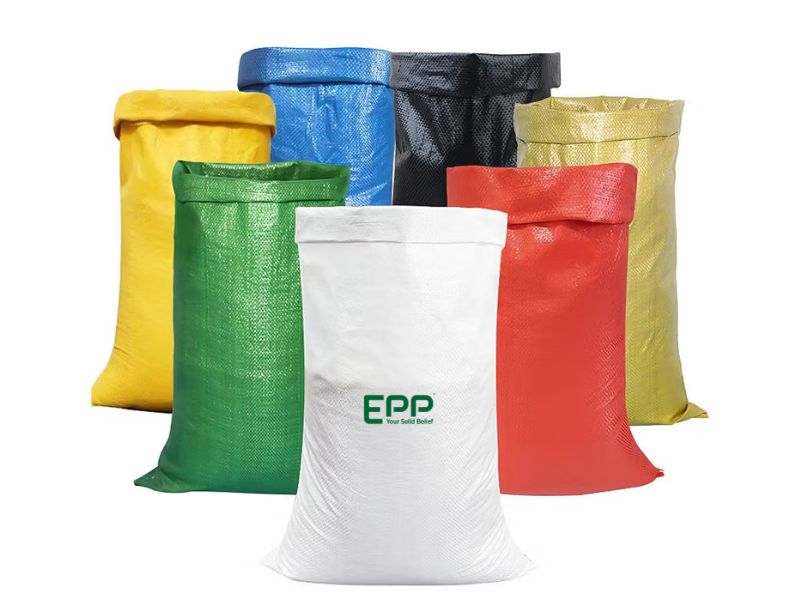
High density woven PP bag produced from 100 % virgin polypropylene
The table below outlines key technical performance indicators for high-volume cargo handling:
| Technical Property | Woven PP Bags | Jute Bags |
| Material Base | 100% Virgin Polypropylene Resin/ recycled PP resin | Natural Jute Plant Fibers |
| Tensile Load Range | 25 kg – 100kg | 25 kg- 50 kg |
| Moisture Absorption | Near 0% (Water Resistant) | High (Hygroscopic Fiber) |
| Average Tare Weight | 50g – 120g (Standard Bag) | 600g – 1,000g (Standard Bag) |
| Chemical Inertness | Resistant to Acids, Alkalis & Solvents | Susceptible to Chemical Attack |
| UV Resistance | Up to 2,000 hours (UV Inhibited) | Natural Resistance (Fibers Dry Out) |
| Custom Branding | Up to 8-Color Flexo / Rotogravure | Basic 1–2 Color Stenciling |
In-Depth Comparison: Woven PP Bags vs Jute Bags
Tensile Strength and Load Capacity
Industrial packaging must sustain rigorous stacking pressures and dynamic handling stresses without bursting. Polypropylene possesses a high strength-to-weight ratio. Woven PP fabrics range from 55 GSM for lightweight sacks up to 220 GSM for heavy bulk bags, achieving tensile ratings that easily support heavy loads.
Jute fibers offer solid static resistance for smaller capacities 25-50kg, but their organic structure lacks uniform tensile strength under high mechanical strain. Under heavy stacking pressure in cargo holds, jute strands can stretch or fray, increasing the risk of seam failure.
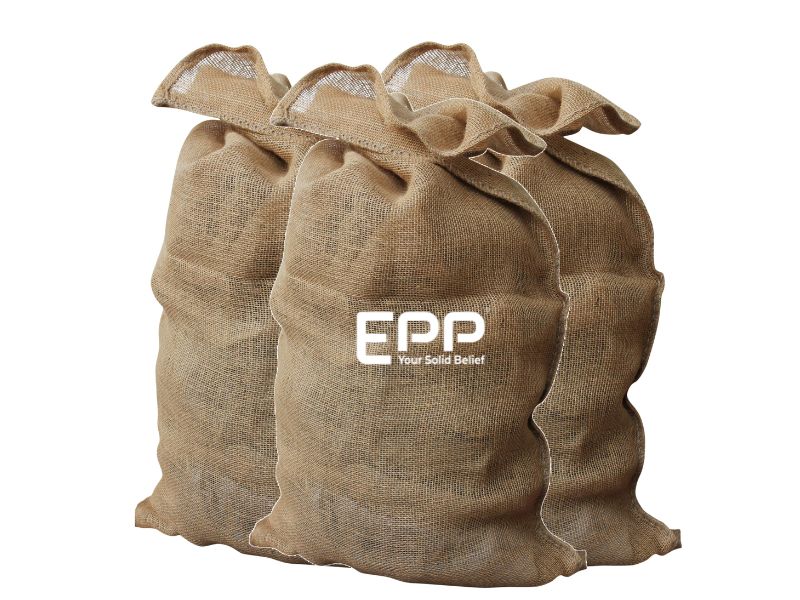
Heavy-duty natural jute bags commonly used for small-capacity agricultural packaging and dry goods transit
Moisture Barrier and Weather Resistance
Moisture ingress causes significant inventory loss during maritime transit. Woven PP bags can be specified with internal PE liners or extruded external coatings. Utilizing coated PP woven bags or BOPP laminated PP woven bags provides an absolute barrier against liquid, humidity, and atmospheric contamination, keeping powders and grains dry.
In contrast, jute is hygroscopic; it absorbs environmental moisture. While breathability is helpful for specific short-haul agricultural crops, long maritime routes through humid shipping lanes risk mold growth, clumping, and fermentation inside jute sacks.

Moisture resistance comparison diagram between laminated woven PP bags and porous jute bags
Cost-Efficiency and Shipping Logistics
Packaging selection impacts freight economics via unit purchase cost and total container shipping weight. Sourcing cheap waterproof PP woven bags that meet strict quality standards reduces initial material expenditures compared to premium natural jute sacks.
Furthermore, a standard jute bag weighs around 800 grams whereas a woven PP bag of equivalent capacity weighs roughly 80 grams. Across a 40ft container holding 2,000 bags, jute adds over 1.4 metric tons of dead weight, driving up freight costs per net product ton.
Common Usages
Woven PP Bags: Ideal for industrial chemicals, fertilizers, cement, fine powders, sugar, animal feed, plastic resins, and high-volume export agricultural grains requiring long-term moisture isolation.
Jute Bags: Best suited for traditional short-haul agricultural storage, specialty raw cocoa beans, green coffee beans requiring natural airflow, and eco-branded consumer heritage products.
Which Bag Fits Your Specific Commodity?
Selecting the right packaging requires aligning material science with product behavior, transit duration, and regulatory demands. Based on EPP Vietnam’s extensive experience supplying B2B packaging to over 30 countries, matching the bag type to the commodity determines whether cargo arrives intact or damaged.
- Food-Grade & Agricultural Exports: High-value agricultural products like rice, cashews, and processed flour require food-grade woven PP bags manufactured in ISO 22000 or BRCGS-certified cleanroom facilities to prevent contamination and pest infiltration. EPP Vietnam helped a major Asian rice exporter eliminate pest infestation on ocean routes to West Africa by implementing ultrasonic-sealed PP bags with PE liners, locking out moisture and insects.
- Chemicals, Minerals & Hazardous Goods: Dry chemicals and fine mineral powders demand sift-proof seams, and UN Dangerous Goods ratings—performance features only achievable through synthetic polypropylene constructions.
- Organic Specialty Commodities: Suitable for natural jute bags where plastic-free packaging is mandated, or woven bags paired with hermetic liners for long-term micro-climate protection.
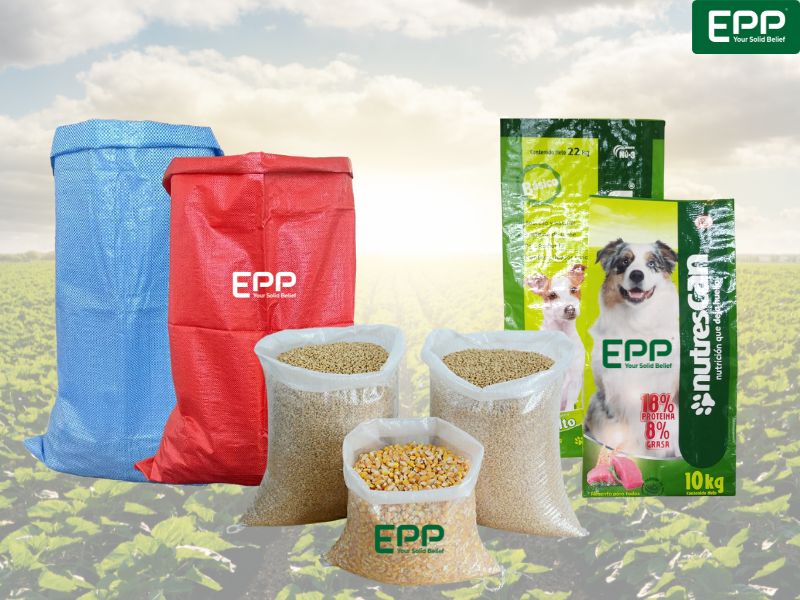
PP woven sacks for agircultural products
Environmental Impact: Recyclability vs Biodegradability
Evaluating the environmental profile of packaging materials requires looking at end-of-life processing and supply chain carbon efficiency. Jute is 100% biodegradable and compostable. It breaks down naturally without leaving microplastic residues, making it a sustainable plant-based packaging option.
Woven PP bags are crafted from 100% recyclable polypropylene (Code 5 Plastic). Within a closed-loop supply chain, used PP bags can be washed, re-pelletized, and extruded into new industrial goods. Additionally, because woven PP is far lighter than jute, it lowers total fuel consumption and carbon emissions during freight transit.
Frequently Asked Questions (FAQs)
Can woven PP bags completely replace jute bags for organic coffee export?
Yes. By pairing food-grade woven PP bags with specialized high-barrier or hermetic liners, exporters protect organic coffee beans from moisture and external pests while maintaining quality standards without chemical preservatives.
Are woven PP bags suitable for automated filling and packaging lines?
Yes. Woven bags can be manufactured with precise dimensional tolerances, stiffened fabrics, gusseted sides, and specialized valve tops engineered for high-speed automated filling machinery.
How do woven PP bags handle extreme hot or cold temperatures?
High-quality virgin polypropylene maintains structural integrity across temperatures from -20°C up to 80°C. For extreme heat or sunlight exposure, UV-inhibitor additives prevent fabric degradation.
Is printing quality better on woven PP bags or jute bags?
Woven PP bags support high-resolution printing. Exporters can discover how to elevate their brand with printing on PP bags using multi-color flexographic printing or photographic BOPP lamination, whereas jute is limited to basic stenciling.
Upgrade Your Supply Chain with EPP Vietnam
Partnering with an experienced manufacturer ensures your packaging balances strength, compliance, and cost efficiency. EPP Vietnam manufactures high-performance woven PP bags, FIBC bulk bags, and customized industrial packaging tailored to global export standards.
Contact the technical specialists at EPP Vietnam today to request product specifications, review custom design options, or receive a competitive quotation for your shipping needs.
Website: epp.vn
Alibaba website: https://eppvietnam.trustpass.alibaba.com/
Email: [email protected] Hotline/ Whatsapps: +84 986 002 888