
Oil prices have sent a seismic shock through the global commodities market on Wednesday, April 8, 2026, crashing through the psychological $100-per-barrel floor in a matter of minutes. The catalyst for this historic liquidation was the sudden announcement of a two-week ceasefire brokered by the Trump administration, effectively sucking the geopolitical risk premium out of the energy sector. For months, traders had baked in a “war premium” that kept crude trading at elevated levels, but as the news of a 14-day diplomatic pause hit the wires, the market reacted with a violent “sell-off” that caught many by surprise.
As a leading FIBC (Flexible Intermediate Bulk Container) supplier based in Vietnam, our operations are deeply intertwined with the volatility of energy markets. Because the polypropylene (PP) resin used to manufacture our jumbo bags and bulk bags is a byproduct of oil refining, we monitor these fluctuations with eagle-eyed precision. When the cost of energy shifts this dramatically, it ripples through the entire supply chain—from the plastic pellets in our extruders to the freight rates of the vessels carrying our super sacks to the United States and Europe.
Why Oil Prices Cratered on the Ceasefire News
The primary reason oil prices cratered following the announcement was the immediate evaporation of market uncertainty. In the world of commodities, prices are often driven more by potential disruptions than actual ones. The 14-day ceasefire acted as a massive release valve for an energy market that was coiled tight with geopolitical tension.
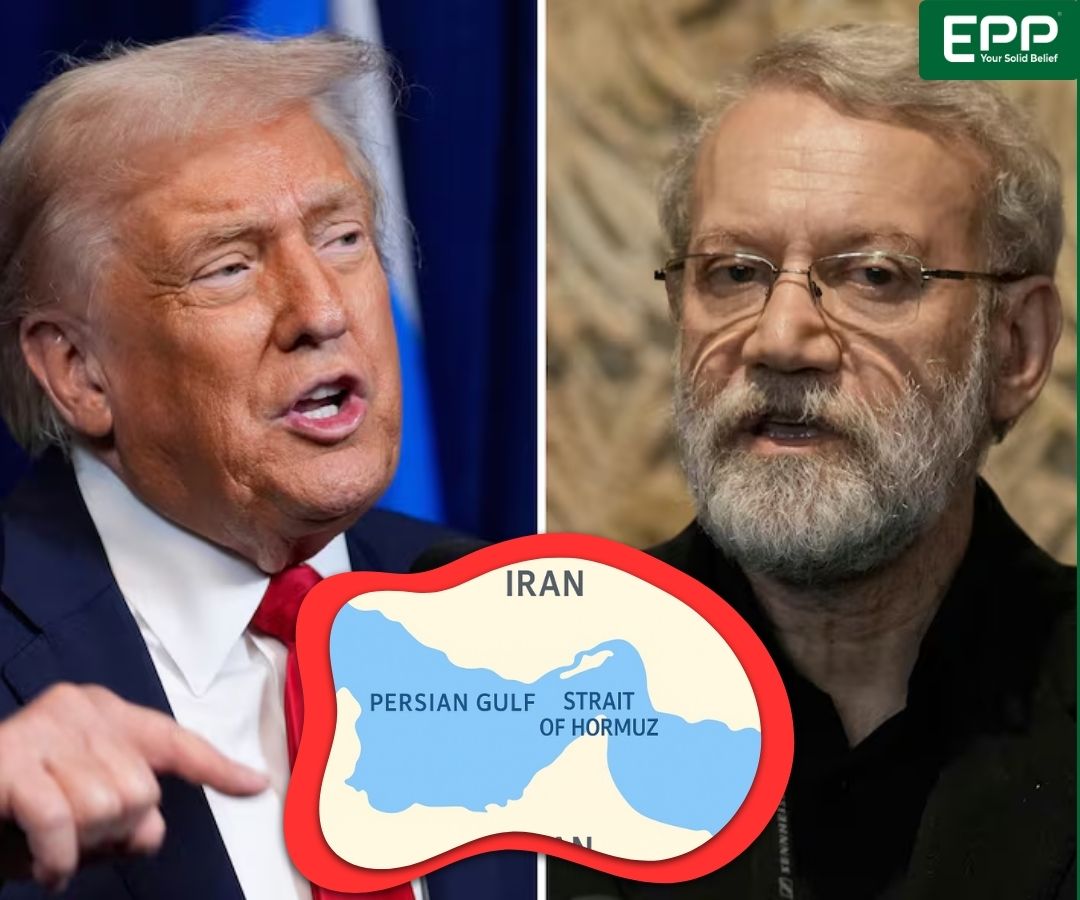
Trump’s Iran ceasefire announcement and Strait of Hormuz tensions highlight how geopolitical developments can influence crude oil prices.
Traders who had been “long” on crude as a hedge against escalating conflict suddenly found themselves overexposed. As the ceasefire terms were detailed on April 8, 2026, a wave of automated algorithmic trading was triggered across global exchanges. These algorithmic systems are programmed to execute sell orders when specific support levels—like the $100 mark—are breached. This created a feedback loop: as the price dropped, more sell orders were triggered, leading to a vertical plunge in oil prices. Furthermore, the news signaled a potential return to diplomatic stability, suggesting that the supply-side constraints that had plagued global supply chains might finally be easing.
To better understand the complex geopolitical dynamics that previously drove energy market volatility, explore our analysis on why Iran closing Strait of Hormuz in 2026 impacted global maritime shipping corridors.
The Statistical Breakdown of Falling Oil Prices
To understand the magnitude of this market move, we must examine the hard data. The “Flash Crash” saw Brent Crude and WTI (West Texas Intermediate) move in near-perfect synchronization, though the velocity of the drop varied across different delivery months. The following market reaction table illustrates the dramatic shift in market value within the first few hours of the announcement:
Market Reaction Table: April 8, 2026 (from investing.com)
| Benchmark Asset | Current Price (USD) | Intraday Change ($) | % Change |
| Crude Oil WTI Futures | $96.4 | -$16.60 | -14.7% |
| Brent Oil Futures | $94.9 | -$14.2 | -13.1% |
| Natural Gas Futures | $2.72 | -$0.12 | -4.2% |
| Dollar Index (DXY) | $98.6 | -$1.1 | -1.1% |
Data represents intraday trading action on April 8, 2026. Volume in the “front-month” futures contracts spiked to 300% above the 20-day moving average, indicating a massive institutional exit from long positions.
For an exporter like EPP Vietnam, these statistics carry direct operational implications. A $10 to $15 drop in crude oil prices eventually translates into lower monomer and polymer production costs. This drop leads to a reduction in the energy surcharges applied to our raw material resin orders, although there is typically a 30-day lag before these market price adjustments reflect fully across the chemical supply chain
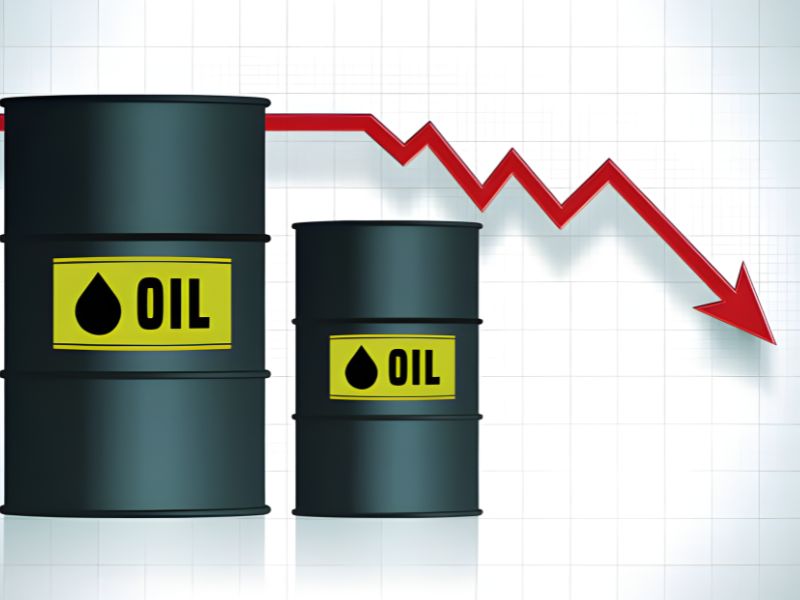
A sharp drop in crude oil prices lowers polymer production costs and energy surcharges across the industrial supply chain.
A View from the Commodities Trading Floor
From the perspective of veteran commodities traders, the atmosphere following the ceasefire was pure chaos. Trading screens across global financial centers shifted instantly into deep red. In the commodities pits, the conversation shifted abruptly from “supply shortages” to “demand destruction” and “position liquidation.” Traders who had spent weeks defending the $100 support level were forced to capitulate and clear positions.
At our headquarters in Vietnam, our procurement and supply chain management teams were on high alert on April 8, 2026. As the oil price tickers dived, we immediately began analyzing our raw material hedging strategy and polymer purchasing forecasts. In our experience, when a geopolitical bubble bursts this cleanly, the initial sharp decline is usually followed by a period of consolidation as the market seeks a stable floor. The consensus across trading desks was clear: the “fear trade” had concluded, giving way to fundamental supply-and-demand fundamentals.
What This Means for the Global Economy
The plunge in oil prices below $100 provides much-needed relief in the global fight against industrial inflation. For the past year, high energy costs have acted as a direct tax on both industrial manufacturers and B2B buyers.
- Lower Polypropylene (PP) Resin Costs: As crude oil and natural gas feedstock prices soften, the cost of manufacturing virgin PP resin decreases. This allows EPP Vietnam to maintain cost-effective pricing for our wide range of FIBC bulk bags and heavy-duty woven PP bags.
- Logistics & Ocean Freight Relief: Bunker fuel represents the largest variable cost for container shipping lines moving super sacks across ocean trade routes. A sustained reduction in oil prices should lead to lower Bunker Adjustment Factors (BAF) and reduced Fuel Surcharges (FSC) for ocean freight and trucking.
- Manufacturing Overhead Control: For textile and plastic manufacturers in Southeast Asia, lower energy overhead creates operational stability, allowing us to absorb other rising operational input costs while remaining competitive globally.
As global trade barriers shift and buyers diversify beyond traditional manufacturing hubs, examining geopolitical policy changes is critical. Read our detailed analysis on US tariffs on India to learn how shifting tariff structures influence international procurement strategies.
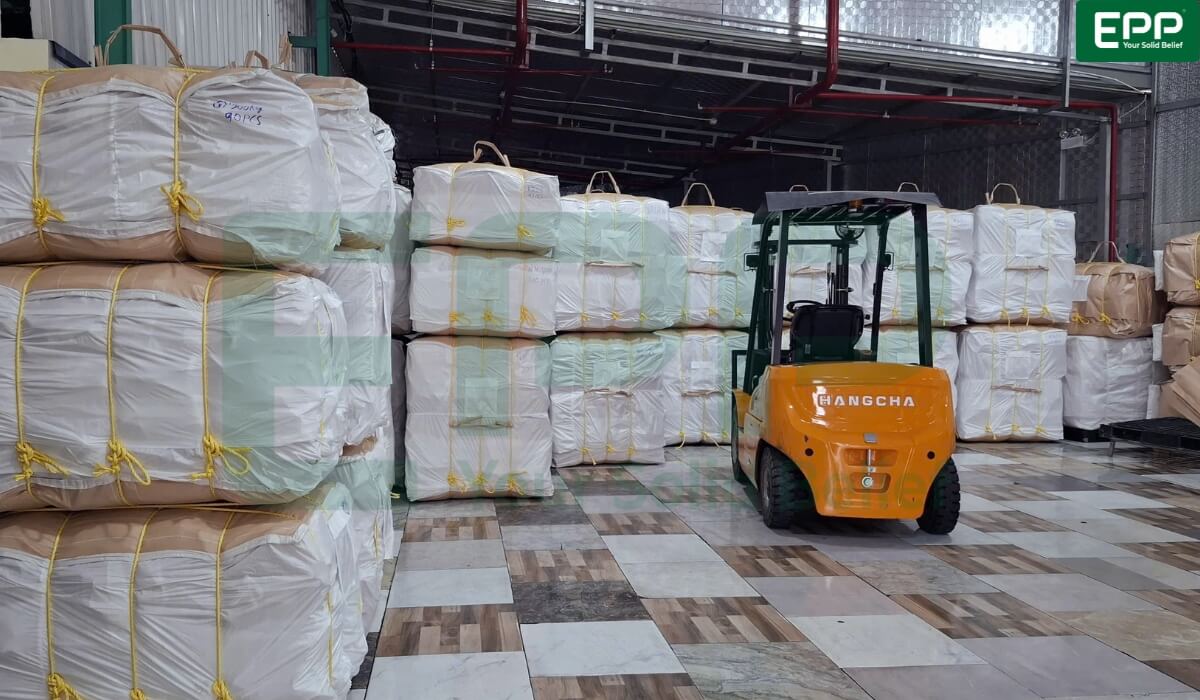
Modern FIBC jumbo bags stored in an industrial warehouse facility ready for global export.
Will the Sub-$100 Trend Hold?
The central question facing procurement managers is whether this price drop represents a temporary dip or a permanent structural shift. The 14-day ceasefire window is the critical variable determining market direction over the coming weeks:
-
Extended Peace Scenario: If the two-week ceasefire is extended or leads to formal diplomatic treaties, oil prices could drift lower toward the $85 support level, cementing a period of lower input costs for plastic packaging manufacturers.
-
Resumption Scenario: If hostilities resume after Day 15, the market could experience a “dead cat bounce,” snapping prices back toward $105 as traders re-integrate geopolitical risk premiums.
From our vantage point as a leading FIBC exporter in Vietnam, EPP Vietnam advises clients to plan for ongoing market volatility rather than expecting a linear decline. We recommend that B2B procurement managers lock in bulk bag orders while resin and freight forecasts are favorable, securing stable pricing before any potential market reversals occur. Simultaneously, discover why Vietnam 20 tariff wont hold back its trade success as Southeast Asia expands its manufacturing footprint.
Conclusion
The sudden drop in oil prices below $100 on April 8, 2026, marks a pivotal moment for the global commodities market. While the Trump-brokered ceasefire was the immediate catalyst, underlying market data indicates that energy prices were already ripe for a downward correction. For the global economy—and for B2B buyers sourcing packaging solutions from Vietnam—this correction offers a welcome reprieve from persistent inflationary pressure.
Whether you manage commodities risk or oversee global packaging procurement, monitoring energy trends remains vital. EPP Vietnam continues to leverage its technical expertise, raw material sourcing networks, and strategic location to deliver world-class FIBC solutions to international markets.
Contact EPP Vietnam today to consult with our packaging specialists and lock in competitive quotes for your upcoming FIBC bulk bag requirements!
Website: epp.vn
Alibaba website: https://eppvietnam.trustpass.alibaba.com/
Email: [email protected] Hotline/ Whatsapps: +84 986 002 888