
Anti-static FIBC bags are one of the most critical safety investments a facility can make when handling fine powders and combustible materials. If you have ever felt a small shock after walking across a carpet and touching a doorknob, you have experienced static electricity. Now, imagine that same static spark, but thousands of times stronger, occurring inside a massive bag filled with flammable dust. The results can be catastrophic.
At EPP Vietnam, we have spent years as a leading supplier of FIBC bags, helping companies across the globe safely transport their goods. We often get asked by our clients why they need to upgrade from standard jumbo bags to specialized anti-static options.
The short answer? To prevent deadly dust explosions and fires. But to really understand why these big bags are so important, we need to look at the science of bulk handling, the hidden dangers of static, and the specific types of packaging designed to keep your facility safe.
How Static Electricity Builds Up in FIBCs?
You might be wondering how a simple plastic sack can generate dangerous levels of electricity. It all comes down to a process called triboelectric charging.
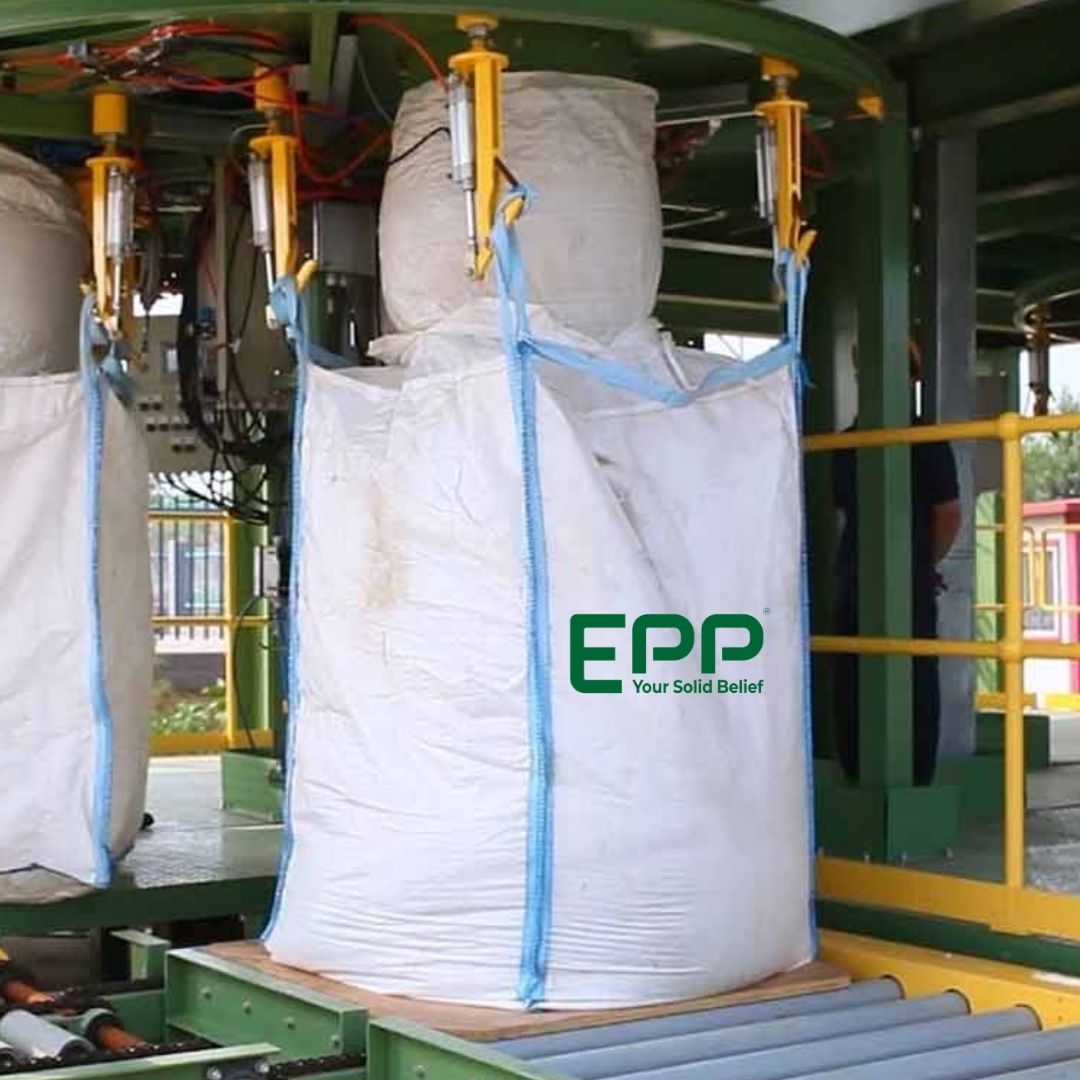
When you fill or empty bulk bags (also known as super sacks or jumbo bags), millions of tiny particles of powder or granules rub against each other and against the woven polypropylene fabric of the bag itself. This constant friction causes a massive transfer of electrons.
Because standard bulk bags are made of insulating plastics, the electricity has nowhere to go. It just sits there, building up on the surface of the bag and the material inside. The faster you load or discharge the material, the faster the static charge builds. Without a way to safely release this energy, the big bag becomes a ticking time bomb.
The Dangers of Static Discharge
The primary danger of static buildup in bulk sacks is the risk of an explosion. In industrial settings, this is often related to combustible dust.
For an explosion to happen, you need three main things, often called the fire triangle: fuel (your powdered product), oxygen (in the air), and an ignition source. When dealing with fine powders in an enclosed space, you actually have an “explosion pentagon” because dispersion and confinement are added to the mix.
If the static charge on a jumbo bag gets high enough, it will eventually jump to the nearest grounded object—like a nearby metal machine, a forklift, or even a human worker. This jump creates a high-energy spark. If that spark happens in an environment filled with airborne combustible dust (like flour, sugar, or chemical resins), it serves as the perfect ignition source.
A static discharge can lead to severe facility fires, destruction of property, and most importantly, tragic loss of life. That is exactly why anti-static FIBC bags were invented.
The 4 Types of FIBC Bags
In the packaging industry, Jumbo bags are categorized into four standard types based on their ability to handle static electricity. When clients reach out to us at EPP Vietnam, we always guide them through these four options to ensure they get the right fit. The globally recognized standard for the electrostatic classification of FIBCs is IEC 61340-4-4. When sourcing anti-static FIBC bags, you must ensure the manufacturer complies with this standard.

Type A
Type A big bags are your standard, everyday bulk bags. They are made of plain woven polypropylene and offer zero protection against static buildup. They should never be used for combustible materials or in areas where flammable gases or dust are present as anti-static FIBC bags.
Type B
Type B bags look like Type A bags, but they are made from materials that have a low breakdown voltage. This means they can prevent highly energetic sparks (called propagating brush discharges), but they can still create smaller static shocks. They are safe for dry, combustible powders, but only if there are no flammable gases or vapors in the surrounding area.
Type C (Conductive Bags)
This is where true anti-static protection begins. Type C bulk bags are woven with a grid of conductive threads (usually carbon or silver). These threads are all connected together. However, there is a catch: Type C bags must be physically grounded to the earth during filling and emptying. If a worker forgets to attach the grounding cable, the bag actually becomes more dangerous than a standard bag because the conductive grid acts like a giant battery.
Type D (Dissipative Bags)
Type D bags are considered the ultimate in anti-static safety. They are made with special dissipative fabrics that safely release static electricity right into the surrounding atmosphere. The massive advantage of anti-static FIBC bags is that they do not need to be grounded. This completely eliminates the risk of human error.
Quick Comparison of FIBC Types:
| FIBC Category | Static Protection | Grounding Required? | Best Used For |
| Type A | None | No | Non-flammable goods (sand, gravel). |
| Type B | Low (stops large sparks) | No | Dry combustible powders in safe areas. |
| Type C | High (Conductive) | Yes, Mandatory | Flammable powders / explosive environments. |
| Type D | High (Dissipative/ anti-static FIBC bags ) | No | Flammable powders where grounding is risky. |
Key Industries That Rely on Anti-Static FIBC bags
At EPP Vietnam, we see consistent demand for Type C and Type D bags from a few specific sectors where safety is non-negotiable:
- Chemical and Petrochemical: Handling volatile resins, plastic pellets, and fertilizers where chemical vapors might be present.
- Agriculture and Food Processing: It surprises many people, but fine organic powders like flour, starch, powdered milk, and sugar are highly explosive. Food manufacturers rely heavily on anti-static FIBC bags.
- Pharmaceuticals: Moving fine, active chemical ingredients safely requires strict static control.
FAQ Section
1. Do big bags generate static during transportation on a truck?
Actually, the most dangerous charging happens during the high-speed flow of materials (filling and emptying). While some vibration during transport can cause “sloshing” charges, the risk is significantly lower than when the product is being blown into the bag with pneumatic systems.
2. Is there a color code for anti-static FIBC bags?

There is no universal color code, but many manufacturers use specific colored threads (like yellow, blue, or black) to indicate the conductive grid in Type C bags. Type D bags often have a distinct “crocus” or yellow/blue tint depending on the patented technology used in the fabric. Always check the Safety Label sewn into the side of the anti-static FIBC bags for the official classification.
3. What happens if a worker forgets to ground a Type C FIBC bag?
If a Type C bag is ungrounded, the conductive threads will gather and hold onto the static charge. It essentially turns the bag into a giant capacitor, which can release a massive, lethal spark.
4. Why would I choose Type D over Type C?
Type D bulk sacks eliminate the risk of human error. Because they dissipate static into the air without needing a physical ground connection, you don’t have to worry about a worker forgetting to attach a grounding clip.
Using anti-static FIBC bags isn’t just about passing a safety inspection; it’s about protecting your workers and your facility from completely preventable disasters. Whether you choose the conductive safety of a Type C bag or the ungrounded convenience of a Type D bag, making the right choice in bulk packaging is crucial.
If you are unsure which type of big bag is right for your specific materials, reach out to the experts. Sourcing high-quality, certified packaging is the first step toward a safer operational environment.