
What do you know about bulk bag discharger systems? If you are involved in industrial processing, you likely recognize this equipment as the critical link between bulk storage and active production. A bulk bag discharger (also known as an FIBC unloader or super sack discharger) is a highly engineered industrial system designed to safely lift, support, and empty large-volume bags containing dry bulk powders, granules, or flakes.
In an era where safety and efficiency dominate the manufacturing landscape, these systems have evolved from simple frames into sophisticated, automated nodes of the factory floor. They are essential for preventing workplace injuries, eliminating hazardous dust, and ensuring a consistent flow of materials into your processing line. In this guide, we will explore everything you need to know about these powerhouses of bulk material handling.
Key Components of a Bulk Bag Discharger
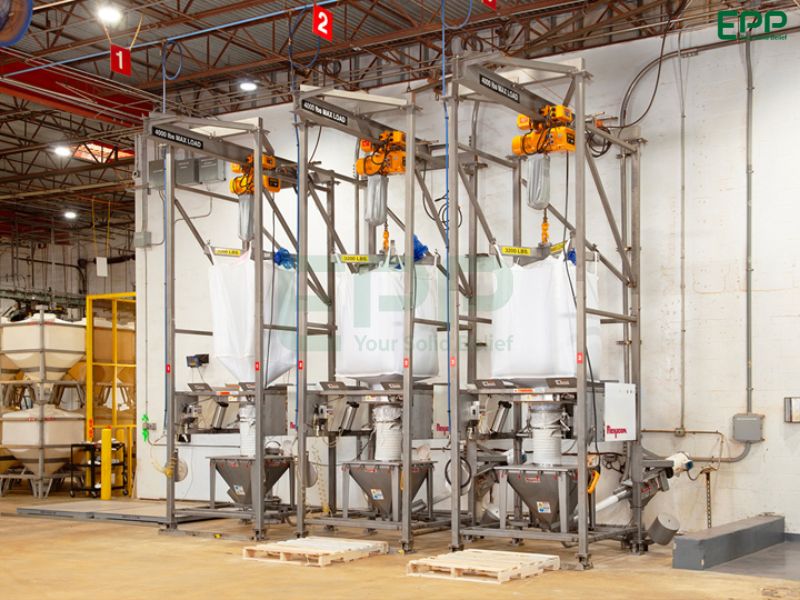
To understand the reliability of a bulk bag discharger, one must look at its modular anatomy. Each component is designed to handle the immense weight of FIBCs—often exceeding 4,000 lbs—while maintaining a dust-tight seal.
-
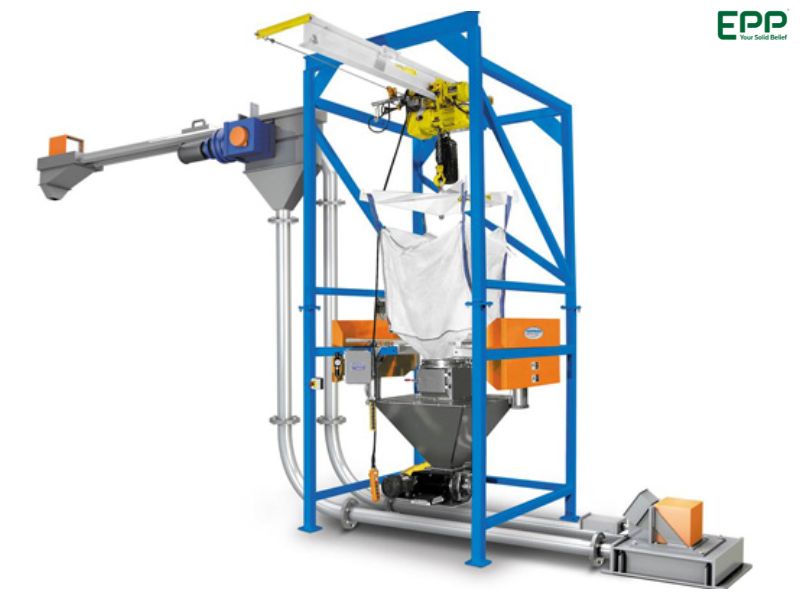
Structural Steel Framework: The backbone of the system. Usually a heavy-duty welded assembly designed to handle high dynamic loads. These frames are built to withstand the constant vibration and weight shifts during the discharge cycle.
-
Lifting and Loading Mechanism: This is either an integrated I-beam with an electric hoist and trolley or a “universal” cradle designed for forklift loading.
-
The Bag Hanger: A specialized attachment that secures the bag’s four loops. Top-tier systems use patented holders to keep the bag centered and stretched as it empties.
-
The Discharge Hopper & Interface: This is the contact point where the bag spout meets the production line. It often includes a “spout lock” clamp or an iris valve to regulate flow.
-
Flow Promotion Devices: Because many materials compact during transit, dischargers include “massagers” or agitators that apply pressure to the bottom of the bag to ensure the product flows freely.
Outstanding Features of Bulk Bag Dischargers
Why is the bulk bag discharger considered an “outstanding” investment for modern facilities? Its features go far beyond simple emptying; they address the core challenges of bulk solids handling.
1. Total Dust Containment
One of the most significant features is the ability to create a sealed environment. By using telescoping tubes or pneumatic bag clamping, these systems prevent fine powders—like flour, lime, or chemicals—from escaping into the atmosphere. This is vital for meeting environmental standards and preventing combustible dust explosions.
2. 100% Material Evacuation
Traditional manual dumping often leaves 3% to 5% of the product trapped in the folds of the bag. A modern bulk bag discharger uses “Flow-Flexer” paddles or vibratory motors to ensure every gram of product is recovered, directly improving your bottom line and preventing cross-contamination.
3. Ergonomic Safety
The system eliminates the need for workers to manually cut or maneuver heavy bags. By automating the lift and the spout connection, the risk of musculoskeletal injuries and catastrophic “bag drops” is virtually eliminated.
4. Precise Flow Control
With integrated PLC (Programmable Logic Controller) systems, a discharger can act as a dosing unit. It can be programmed for “loss-in-weight” batching, allowing for precise amounts of material to be fed into a mixer or conveyor without human intervention.
Types of Bulk Bag Dischargers
Not every facility has the same overhead clearance or material needs. Choosing the right type of bulk bag discharger is essential for operational success.
| System Type | Loading Method | Best Application |
| Full Frame / Hoist | Integrated Electric Hoist | High-frequency use; limited forklift availability. |
| Half Frame | Forklift Loaded | Low overhead clearance; cost-effective. |
| Automated Batching | PLC Integrated | 24/7 production; requires high precision dosing. |
| Mobile Units | Caster-mounted | Flexible plants needing to serve multiple lines. |
| Low-Profile | Manual / Forklift | Extremely tight vertical spaces. |
Key Suppliers and Technologies
The market for bulk bag discharger technology is led by several key innovators, each bringing specialized features to the table:
-
Flexicon Corporation: Known for their patented “Z-Clip” bag strap holders and high-performance “Spout-Lock” dust-tight seals. They offer some of the most versatile full-frame units in the industry.
-
Hapman: A leader in reducing material contamination. Their systems are engineered for easy cleaning, which is a major requirement for the food and pharmaceutical sectors.
-
National Bulk Equipment (NBE): Specializes in heavy-duty, mission-critical systems. Their frames are built for extreme load capacities and high-volume industrial throughput.
-
Sodimate Inc: Often the go-to for water treatment and environmental applications, focusing on automatic emptying and precise flow regulation for reagents like lime or activated carbon.
Buyer Tips for Selecting an Ideal Bulk Bag for Your Bulk Bag Discharger
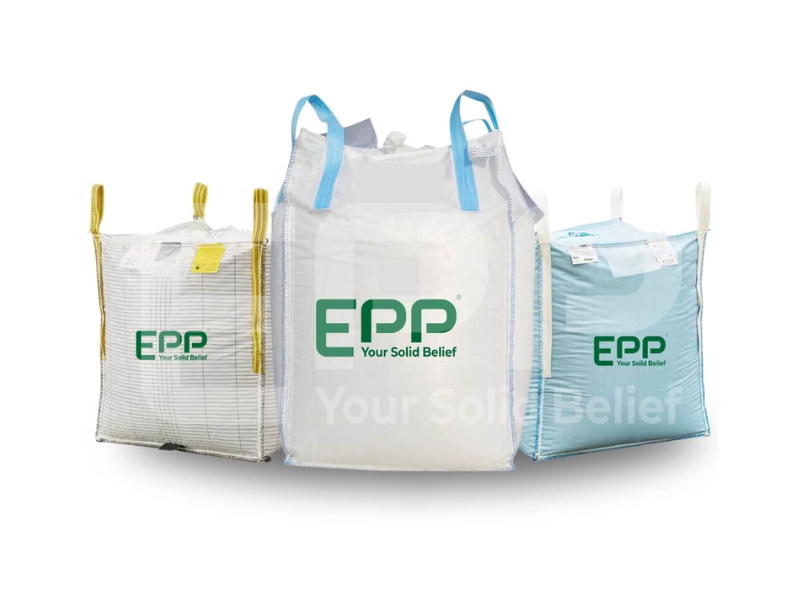
Even the best bulk bag discharger will struggle if the FIBCs is poorly designed. To get the best results, your bags and your machine must work in harmony.
-
Match the Spout Diameter: Ensure your bag’s discharge spout is compatible with the unloader’s hopper diameter. A spout that is too small limits flow; one that is too large can leak or cause the iris valve to fail.
-
Verify the Safety Factor (SF): If you are using a hoist-style discharger, the bag loops must be rated correctly. Always use a 6:1 SF (Multi-trip) bag if you plan to move the bag multiple times while it is partially loaded.
-
Choose the Right Panel Design: U-panel FIBC bags are often preferred for unloaders because they maintain a square shape, ensuring they sit perfectly in the discharger’s cradle without leaning.
-
Consider Liner Retention: If your product requires a liner, ensure the bag has a “tabbed” or “sewn-in” liner. A loose liner can get sucked into the discharge valve or conveyor, causing a total system shutdown.
-
Look for High-Tenacity Fabric: Sourcing from a reliable hub like EPP Vietnam ensures your bags won’t “creep” or stretch excessively under tension, which is vital for the massagers to work effectively.
FAQ
What is the capacity of a standard bulk bag discharger?
Most systems are rated for bags weighing between 500 kg and 2,000 kg (approx. 4,400 lbs). Specialized heavy-duty units can exceed this for high-density minerals.
How does a discharger handle “bridging”?
“Bridging” occurs when material forms a hole over the discharge spout. Dischargers use pneumatic bag massagers (paddles) and vibratory motors to break these bridges and keep material flowing.
Can I discharge a bag only partially?
Yes. By using an iris closure or a flow-lock gate, you can “choke” the bag spout mid-discharge, allowing you to close the bag and remove it for later use.
Is it safe to use a forklift for loading?
Absolutely. Half-frame dischargers are specifically designed for forklift loading. However, ensure the forklift’s capacity is rated for the combined weight of the bag and the lifting frame.
Conclusion
Understanding the bulk bag discharger is the first step toward a safer, cleaner, and more efficient factory. These systems bridge the gap between heavy bulk storage and precise manufacturing, ensuring that your valuable materials are handled with zero waste and zero risk. By choosing a configuration that matches your material’s flow characteristics and pairing it with high-quality bags from a trusted supplier like EPP Vietnam, you create a supply chain built for long-term industrial excellence.
