In the world of industrial logistics, the integrity of your packaging is the only thing standing between profit and catastrophe. As a procurement manager, I have learned that understanding jumbo bag production materials is not just a technical detail—it is a critical part of risk management. When you are lifting a metric ton of chemical powder or food ingredients over a warehouse floor, you need to know exactly what that bag is made of and why it won’t fail.
Too often, buyers focus solely on price and dimensions, overlooking the science of the material itself. This guide is designed to walk you through the “DNA” of a flexible intermediate bulk container (FIBC), helping you make smarter, safer purchasing decisions for your supply chain.
What Are Jumbo Bags?

Before we analyze the chemistry, let’s define the vessel. Jumbo bags, technically known as FIBCs, are large, engineered containers designed for storing and transporting dry, flowable products. Unlike rigid containers or smaller sacks, polypropylene jumbo bags offer a unique combination of flexibility and extreme tensile strength.
To the untrained eye, they look like simple woven fabric. However, a standard bag weighing only two or three kilograms is engineered to carry a Safe Working Load (SWL) of 1,000 to 2,000 kilograms. This incredible 1000:1 strength-to-weight ratio is achieved through a specific alignment of polymer chains during the production process.
Primary jumbo bag production materials
The reliability of any bulk bag comes down to the quality of the resin. If the raw ingredients are subpar, the weaving pattern doesn’t matter—the bag will eventually fail.
Polypropylene (PP) Resin
The core raw material is Polypropylene, a thermoplastic polymer chosen for its rugged durability and resistance to chemical corrosion. As a buyer, your most important specification is ensuring the manufacturer uses virgin pp big bags resin.
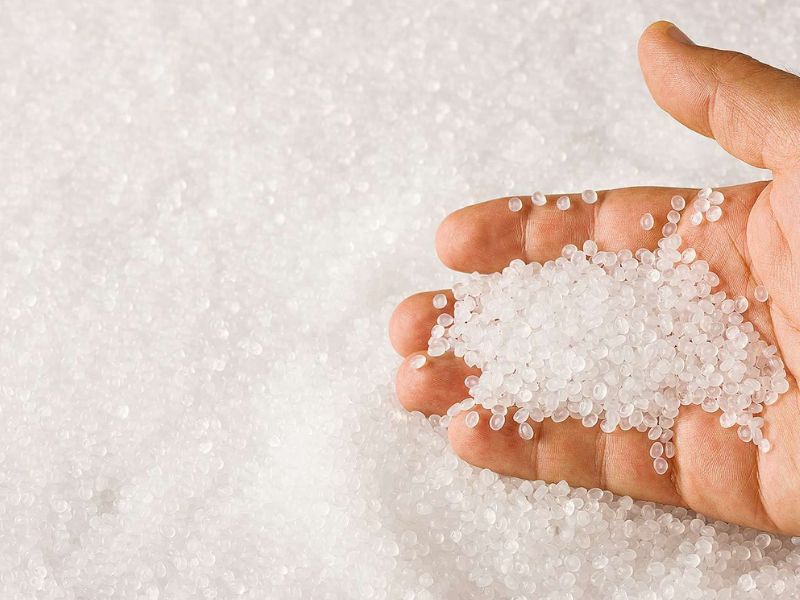
I cannot stress this enough: avoid bags made from recycled PP for heavy industrial lifting. Recycled plastic has shorter molecular chains due to previous heat history, which significantly lowers tensile strength. Virgin resin ensures the molecular integrity required to meet the safety factors (5:1 or 6:1) that protect your workers.
UV Stabilizers
Polypropylene has an Achilles’ heel: sunlight. UV radiation attacks the polymer chains, causing them to become brittle and shatter. To counter this, specific chemical UV stabilizers are added to the resin mix during extrusion. If you are storing bags outdoors, checking the percentage of UV inhibitor in the fibc bags raw material recipe is mandatory to prevent degradation.
Calcium Carbonate

You might be surprised to learn that “chalk” is an ingredient. Calcium carbonate is added as an anti-fibrillating agent. It prevents the flat tapes from splitting into fine, weak hairs during the weaving process and provides the necessary stiffness so the bag stands upright during filling.
Supplemental jumbo bag production materials
While the woven PP body does the heavy lifting, supplemental materials are what tailor the bag to your specific product needs. This is where you customize the jumbo bag material to fit your operation.
Lamination and Coatings
If you are transporting fine powders like cement or flour, a standard woven bag is too porous; the product will sift through the weave. To solve this, a thin layer of lamination—usually a blend of PP and Low-Density Polyethylene (LDPE)—is bonded to the fabric. This coating seals the gaps, making the bag dust-proof and moisture-resistant.
Inner Liners
For high-value or hygroscopic products that cannot tolerate any moisture, coating isn’t enough. You need a separate inner liner. These are typically blown films made from big bag material like LDPE or LLDPE (Linear Low-Density Polyethylene). These liners, ranging from 60 to 120 microns thick, act as a completely sealed bladder inside the woven shell, offering the highest level of containment.
Lifting Loops and Webbing
Never overlook the handles. The lifting loops bear the entire dynamic load. They are made from heavy-duty, stiffened PP webbing. When auditing a supplier, check that the webbing is woven with high-tenacity multifilament yarns, as this is the primary failure point during forklift operations.
The Manufacturing Process of jumbo bags
Understanding how these jumbo bag production materials come together helps you spot quality issues during factory audits.
-
Extrusion: The virgin PP resin, UV stabilizers, and calcium carbonate are melted and extruded into a thin sheet, which is then sliced into precise flat tapes. These tapes are stretched to align the molecules for maximum strength.
-
Weaving: Huge circular looms weave these tapes into the tubular fabric that forms the body of the bag. This is the stage where the jumbo bag production materials gains its structural integrity.
-
Cutting and Printing: The fabric is cut to length according to the jumbo bags specification you provided.
-
Sewing: This is the most labor-intensive part. Skilled operators stitch the bottom panels, spouts, and lifting loops using high-strength industrial thread.
-
Testing: A reputable manufacturer will take random bags from the line and pull them to destruction on a test rig to ensure they meet the Safe Working Load requirements.
Where to Buy High-Quality Jumbo Bags from Vietnam?

In recent years, Vietnam has become a premier destination for sourcing FIBCs, offering a sweet spot between competitive pricing and high manufacturing standards. However, not every supplier is equal.
Here are my tips for vetting a plastic jumbo bag manufacturer in Vietnam:
-
Verify the Resin Source: Ask explicitly if they use 100% virgin resins from reputable global suppliers (like Saudi Arabia or Korea) or if they mix in recycled regrind.
-
Check the Certifications: Look for ISO 9001 certification and specific test certificates for their bag designs (like Labordata or BTTG reports).
-
Inspect the Cleanliness: If you are in the food sector, ensure they have a certified clean room. Contamination often happens at the sewing stage if the factory floor isn’t pristine.
Selecting the right jumbo bag is about more than just dimensions; it is about trusting the bulk bag materials that hold your product. Whether you need standard construction bags or complex, food-grade packaging, the quality of the polypropylene and the precision of the manufacturing process are non-negotiable.
If you are looking for a partner who understands these technical requirements and refuses to compromise on material quality, I strongly encourage you to contact EPP Vietnam.
EPP Vietnam specializes in producing high-quality FIBCs using virgin PP jumbo bags technology. They understand the nuances of UV stabilization, load testing, and custom liner integration that we discussed in this guide. By choosing a manufacturer that prioritizes material integrity, you aren’t just buying a bag; you are buying peace of mind for your entire logistics chain.