
The global rice trade is a high-stakes industry where efficiency, hygiene, and cost-effectiveness determine success. For countries like Vietnam, which serves as a global rice basket, the logistics of moving millions of tons of grain annually relies heavily on one specific tool: the Flexible Intermediate Bulk Container (FIBC), or more commonly known as the big bags rice solution.
In this comprehensive guide, we will explore the essential nature of these bags, the specific designs available to millers and exporters, and professional tips for sourcing the best quality from Vietnam.
Why Big Bags Are Essential for Rice Packaging?
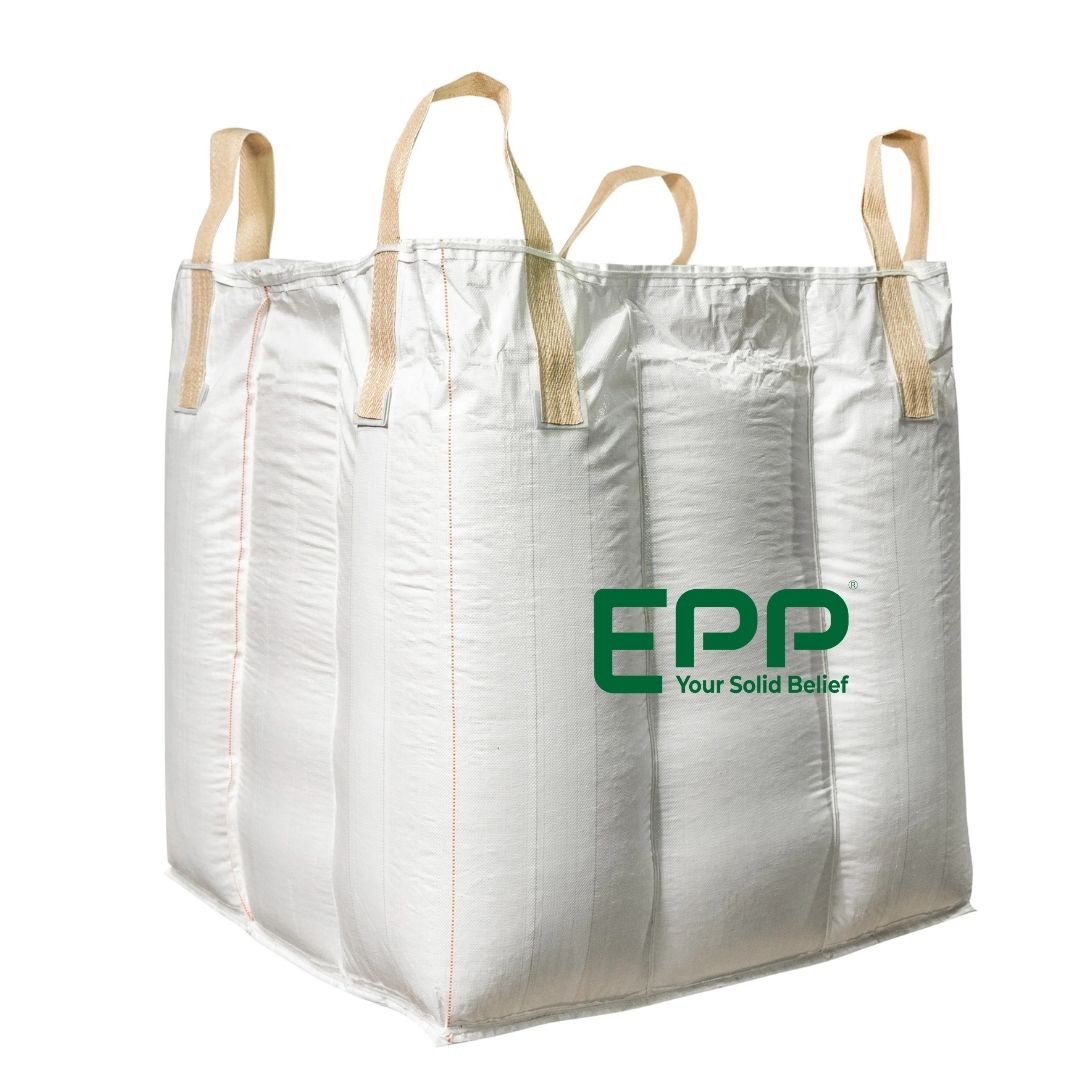
Before diving into the technical specifications, it is important to understand why PP woven jumbo bags for rice have become the industry standard. Traditionally, rice was moved in small 25kg or 50kg sacks. While these are still used for retail, the “big bag” (carrying 1,000kg to 1,500kg) has revolutionized the supply chain for several reasons:
- Massive Labor Savings: Handling one 1-ton bag with a forklift is significantly faster and cheaper than manually moving 20 or 40 smaller sacks. This speed is critical during peak harvest seasons in the Mekong Delta.
- Space Optimization: Modern big bags rice are designed to be stackable. By using the vertical space in a warehouse, exporters can double their storage capacity without expanding their physical footprint.
- Enhanced Grain Protection: Rice is sensitive to moisture, pests, and contamination. High-quality big bags rice use specialized weaving and liners to create a barrier against the elements, ensuring that the rice arriving in West Africa or Europe is as fresh as the day it left the mill in Vietnam.
- Sustainability: FIBCs are durable and often reusable or recyclable. Compared to the massive amount of waste generated by thousands of small plastic sacks, jumbo bags offer a more eco-friendly footprint for large-scale operations.
How Many Types of Big Bags Rice Are There?
When people ask, “How many types are there?”, the answer depends on how you load and unload your product. In the rice industry, three primary designs dominate the market. Each is tailored to specific machinery and shipping methods.
1. Spout Top and Discharge Spout Bulk Bags
This is the gold standard for automated rice milling facilities.
- The Design: These big bags rice feature a cylindrical “spout” at both the top and the bottom. The top spout connects directly to the filling machine, while the bottom spout (discharge spout) allows the rice to flow out via gravity at the destination.
- Why it works for rice: Because rice can be dusty, the spout top creates a sealed connection during filling. This prevents product loss and keeps the warehouse environment clean. It is the most efficient choice for high-speed production lines.
2. Q Bags (Form‑Stable FIBCs)
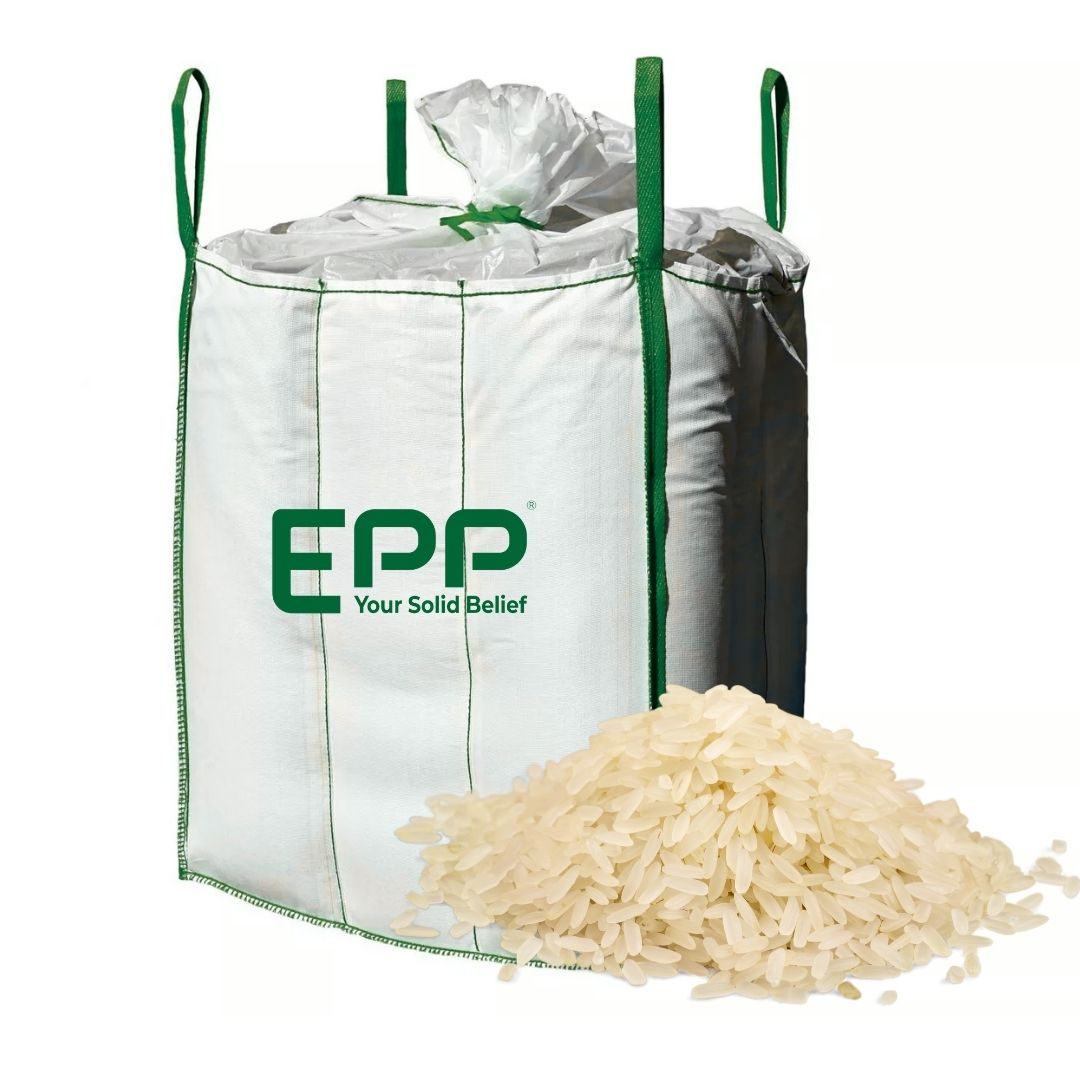
If you are shipping rice in sea containers, the Q Bag (or Baffle Bag) is a game-changer.
- The Design: Standard big bags rice tend to “belly” or bulge out into a rounded shape when filled. Q Bags have internal fabric baffles sewn into the four corners. These baffles act as stabilizers that keep the bag square.
- Why it works for rice: A square bag fits perfectly into the corners of a shipping container. By using Q Bags, you can often fit 10% to 15% more rice into a single container compared to standard bags. In the world of international freight, that 15% extra volume can be the difference between a profitable shipment and a loss.
3. Duffel Top and Discharge Bottom FIBC Bags
Flexibility is the hallmark of the Duffel Top bag.
- The Design: Instead of a narrow spout, the entire top of the bag opens up like a skirt (the “duffel”). Once the bag is full, the fabric is gathered and tied shut.
- Why it works for rice: These are ideal for facilities that fill bags using a conveyor belt, a shovel, or a large overhead hopper that doesn’t have a specialized spout attachment. It allows for rapid, “open” filling while still providing a secure, tied closure for transport. Like the other types, it usually features a discharge spout at the bottom for controlled emptying.
Comparing the Three Types of big bags rice
| Feature | Spout Top / Discharge Spout | Q Bags (Baffle Bags) | Duffel Top / Discharge Spout |
|---|---|---|---|
| Loading Method | Automated Filling Machines | Automated (Container Focused) | Manual, Conveyor, or Hopper |
| Shape Retention | Average (Becomes Rounded) | Superior (Stays Square) | Average (Becomes Rounded) |
| Space Efficiency | Moderate | High (Best for Containers) | Moderate |
| Main Advantage | Dust-free / High Speed | Maximum Freight Savings | Versatile Filling |
Buyer Tips for Choosing Big Bags Rice in Vietnam
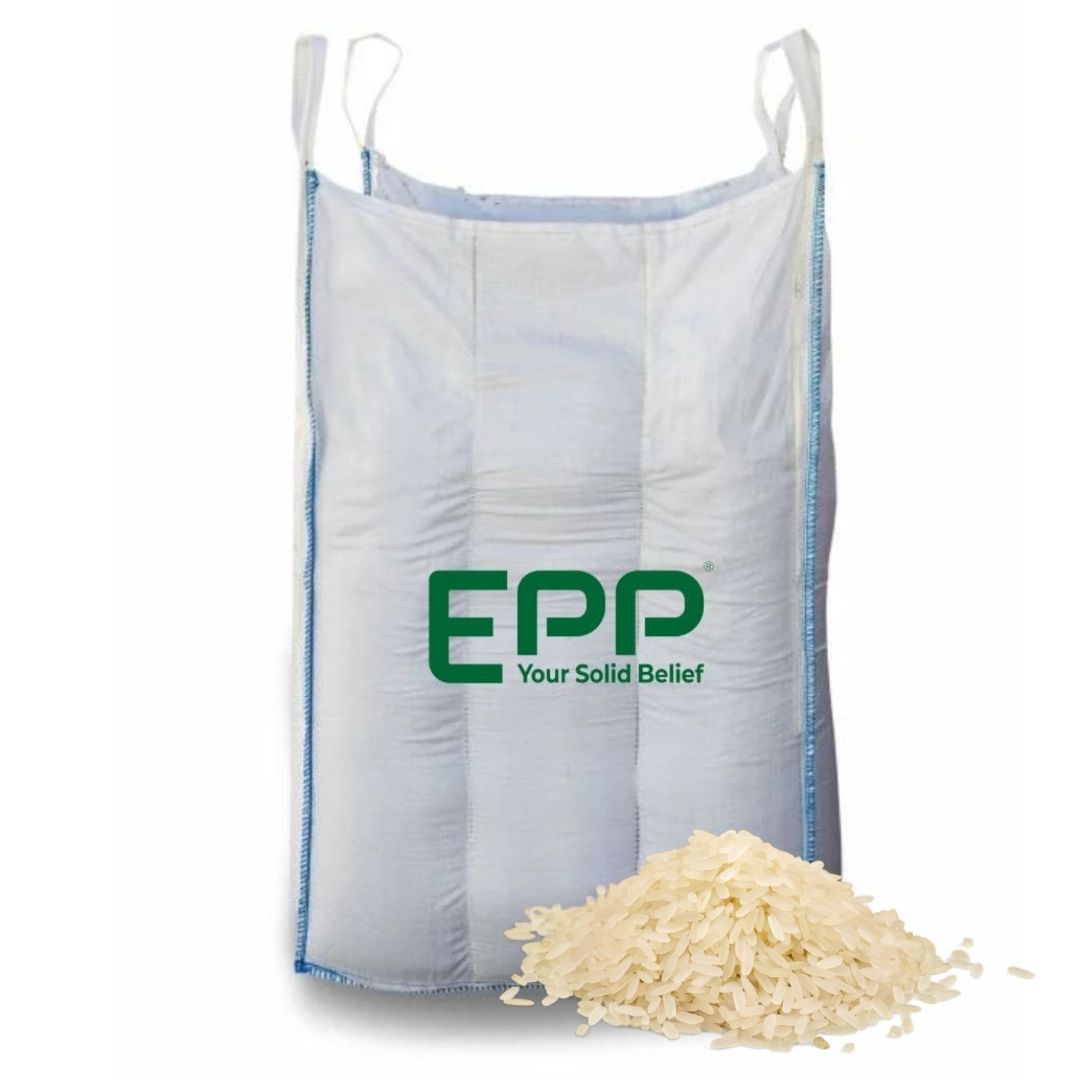
Here is some real-world advice for sourcing big bags rice in Vietnam.
1. Don’t be fooled by “Cheap” Fabric In Vietnam, you will find a wide range of prices. A lower price often means the manufacturer has added too much calcium carbonate (filler) to the polypropylene. This makes the bag brittle. If your bag sits in the tropical sun at a Vietnamese port for three days, a “cheap” bag might literally disintegrate when a crane tries to lift it. Always ask for 100% virgin PP resin.
2. Focus on the Sift-Proofing Rice grains are smooth, but rice dust and broken grains are tiny. If your big bags rice are being shipped to high-end markets, you need dust-proof seams (often called filler cord). This prevents the “leakage” that often occurs at the needle holes. It keeps the container clean and prevents the growth of mold outside the bag.
3. The UV Factor Vietnam is a high-UV environment. If your logistics chain involves any outdoor storage, ensure your supplier has included a UV stabilizer (usually 200-300 KLY). Without it, the lifting loops—the most critical part of the bag—can lose 50% of their strength in just a few weeks.
4. Experience the Factory Culture When looking for a partner, look for certifications like ISO or HACCP. Rice is a food product; the bags it travels in must be produced in a clean, pest-free environment. A supplier that understands “Food Grade” standards is worth the extra few cents per bag.
Why EPP Vietnam is Your Ideal Partner?
Choosing the right type of bag is only half the battle; choosing the right manufacturer is the other half. EPP Vietnam has established itself as a premier leader in the FIBC industry, specifically catering to the demanding needs of the rice export sector.
We don’t just sell big bags rice; we provide a “peace of mind” logistics solution. Whether you need the precision of a Spout Top bag for your automated mill, the container-optimizing power of a Q Bag, or the versatility of a Duffel Top, EPP Vietnam delivers products that exceed international safety standards.
Our bags are engineered to withstand the long journeys from Vietnam’s ports to the rest of the world, ensuring your rice arrives in pristine condition. With competitive pricing, food-grade manufacturing environments, and a deep understanding of the Vietnamese agricultural landscape, we are ready to support your growth. Ready to optimize your rice packaging? Contact EPP Vietnam today. Let our experts help you choose the perfect big bags rice design for your specific needs.
