
When it comes to cost-effective and reliable packaging solutions, budget-friendly Type A FIBC bags stand out as an excellent choice for handling hazard-free materials. These bags offer a practical balance of affordability and functionality, making them a popular option across various industries.
What Exactly are Type A FIBC Bags?

Type A FIBC bags represent the foundational workhorse of the Flexible Intermediate Bulk Container family. Made from plain woven polypropylene fabric—typically 100% virgin material—these bags lack any built-in static electricity protection, which keeps costs low. This makes them ideal for packaging dry, non-flammable, and non-explosive products such as grains, seeds, minerals, and other bulk goods.
The simplicity of Type A bags contributes to their lower cost compared to other FIBC types that include additional safety features. Despite their basic design, they maintain the strength and durability needed for bulk storage and transportation, ensuring your materials are securely contained.
Cost Advantages & Savings Breakdown
The real appeal of budget-friendly Type A FIBC bags lies in their unbeatable economics—often 40-60% cheaper than Type B, C, or D alternatives:
| Cost Factor | Type A FIBC Bags | Type C/D FIBC Bags | Savings Impact |
|---|---|---|---|
| Material Cost | Low (Standard polypropylene) | Higher (Conductive/Anti-static materials) | Significant cost reduction |
| Production Complexity | Simple manufacturing process | Complex due to added safety features | Lower manufacturing expenses |
| Shipping Weight | Lightweight | Slightly heavier | Reduced shipping costs |
| Storage Requirements | Standard | Specialized storage needed | Lower storage and handling costs |
| Compliance Testing | Basic quality checks | Extensive testing required | Saves on certification expenses |
This table highlights how opting for Type A FIBC bags can lead to substantial savings, especially for companies handling non-hazardous materials where advanced safety features are unnecessary. These savings can improve your bottom line without sacrificing the essential performance of your bulk packaging.
I’ve crunched numbers from supplier quotes over the years. A Type A FIBC bag might cost $3-$5 each, versus $8-15 for static-safe versions. For a construction firm moving 10,000 tons of aggregates annually, that’s $30,000+ in yearly savings. Factor in lower shipping weights—no extra conductive panels—and ROI hits fast. Agriculture ops love this: one feed mill client saved $15,000 last season by standardizing on Type A FIBC bags for non-hazardous pellets.
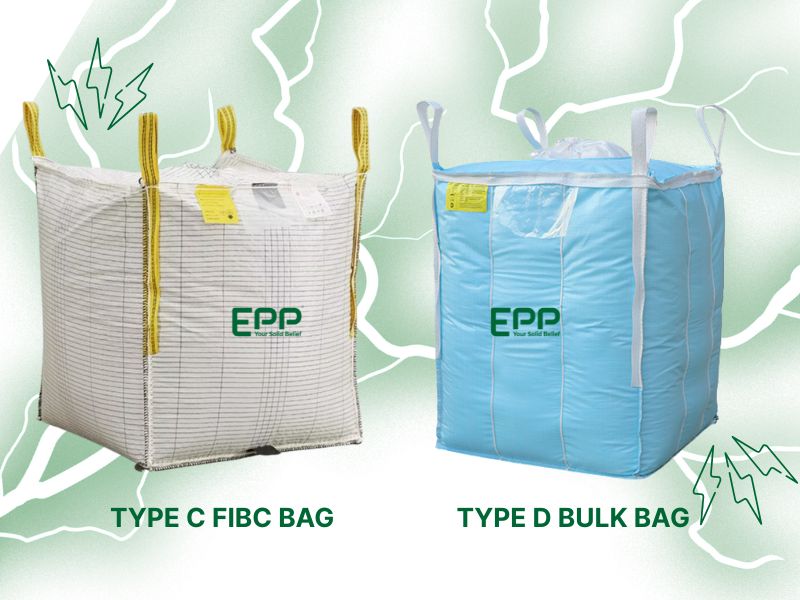
One of the main reasons businesses opt for Type A FIBC bags is their budget-friendly nature. These bags are manufactured using standard materials and processes, which significantly reduces production costs. This cost efficiency translates into savings for buyers without compromising the essential functions of containment and transport.
When comparing Type A bags to other FIBC types, such as Type C (conductive) or Type D (anti-static), the price difference can be substantial. For companies dealing with non-hazardous materials, investing in more expensive bags with electrostatic protection is unnecessary and inefficient.
Moreover, the lightweight nature of Type A bags can reduce shipping costs, especially when ordering in bulk. Their versatility also means fewer specialized storage requirements, further cutting down operational expenses.
When is Type A FIBC Bags Sufficient?
Type A FIBC bags are sufficient when handling materials that pose no risk of igniting or causing static-related hazards. Examples include agricultural products like grains and seeds, construction materials such as sand and gravel, and various industrial powders.
It’s important to assess the nature of your materials carefully. If your products are non-flammable and do not generate static electricity that could lead to sparks, Type A bags provide a safe and economical packaging solution.
However, if your materials are flammable, explosive, or sensitive to static discharge, you should consider other FIBC types with appropriate safety features to comply with industry regulations and ensure workplace safety.
Buyer Guide on Sourcing FIBC Bags
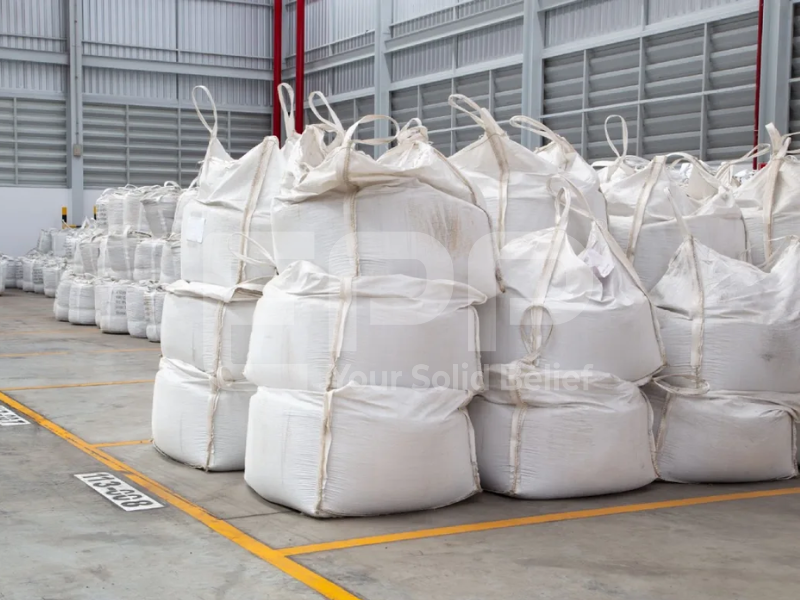
When sourcing Type A FIBC bags, consider the following factors to ensure you get the best value and quality:
- Supplier Reputation: Choose suppliers with proven experience and positive customer feedback to guarantee product reliability.
- Material Quality: Verify that the polypropylene fabric meets industry standards for strength and durability.
- Customization Options: Depending on your needs, look for suppliers who offer customization such as size, lifting loops, and liners.
- Compliance and Certifications: Even for non-hazardous materials, ensure the bags comply with relevant quality and safety standards.
- Pricing and MOQ: Compare prices and minimum order quantities to find a supplier that fits your budget and order size.
From my experience working with various packaging suppliers, clear communication about your material specifications and usage conditions helps in selecting the right FIBC bag type and avoiding unnecessary costs.
In conclusion, budget-friendly Type A FIBC bags provide an excellent solution for safely packaging and transporting hazard-free materials. Their cost-effectiveness, combined with adequate durability, makes them a smart choice for many industries. By understanding when these bags are sufficient and how to source them wisely, you can optimize your packaging strategy and save on operational costs.