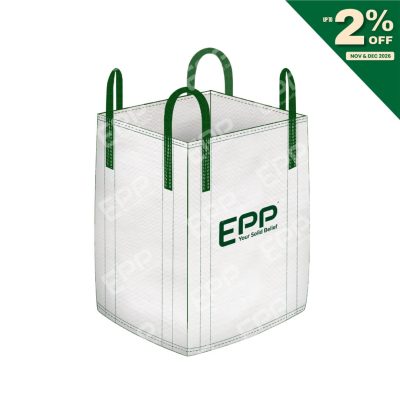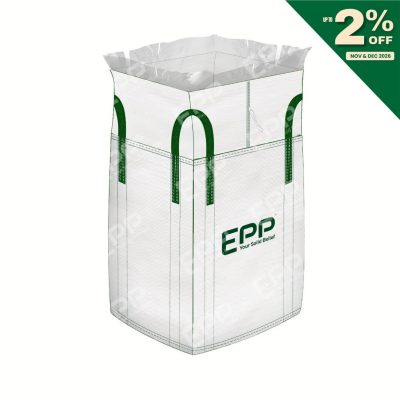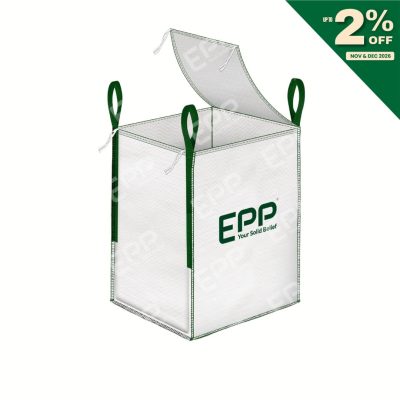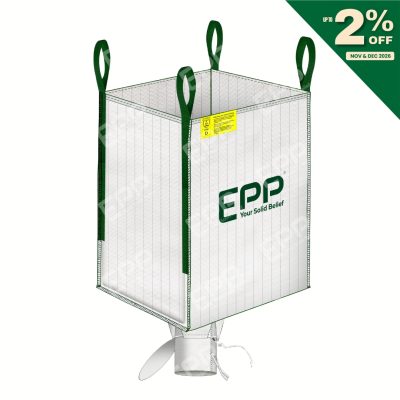




In industrial bulk processing, high-speed movement of dry powders, chemicals, and fine granules generates intense friction, leading to severe static electricity accumulation. In volatile operational zones containing flammable gases, solvent vapors, or fine combustible dust clouds, an unmanaged electrostatic spark can trigger devastating industrial explosions.
Type C FIBC—globally recognized as conductive bulk bags—provide essential electrostatic dissipation for high-risk packaging environments. Engineered with interlinked networks of conductive threads, these heavy-duty containers safely channel static charges directly to the ground, guaranteeing operational safety across chemical, pharmaceutical, and mining supply chains.
What Are Conductive Bulk Bags?
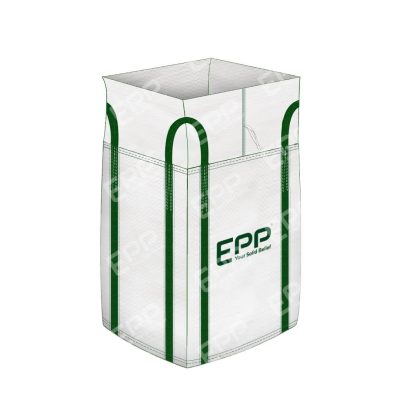
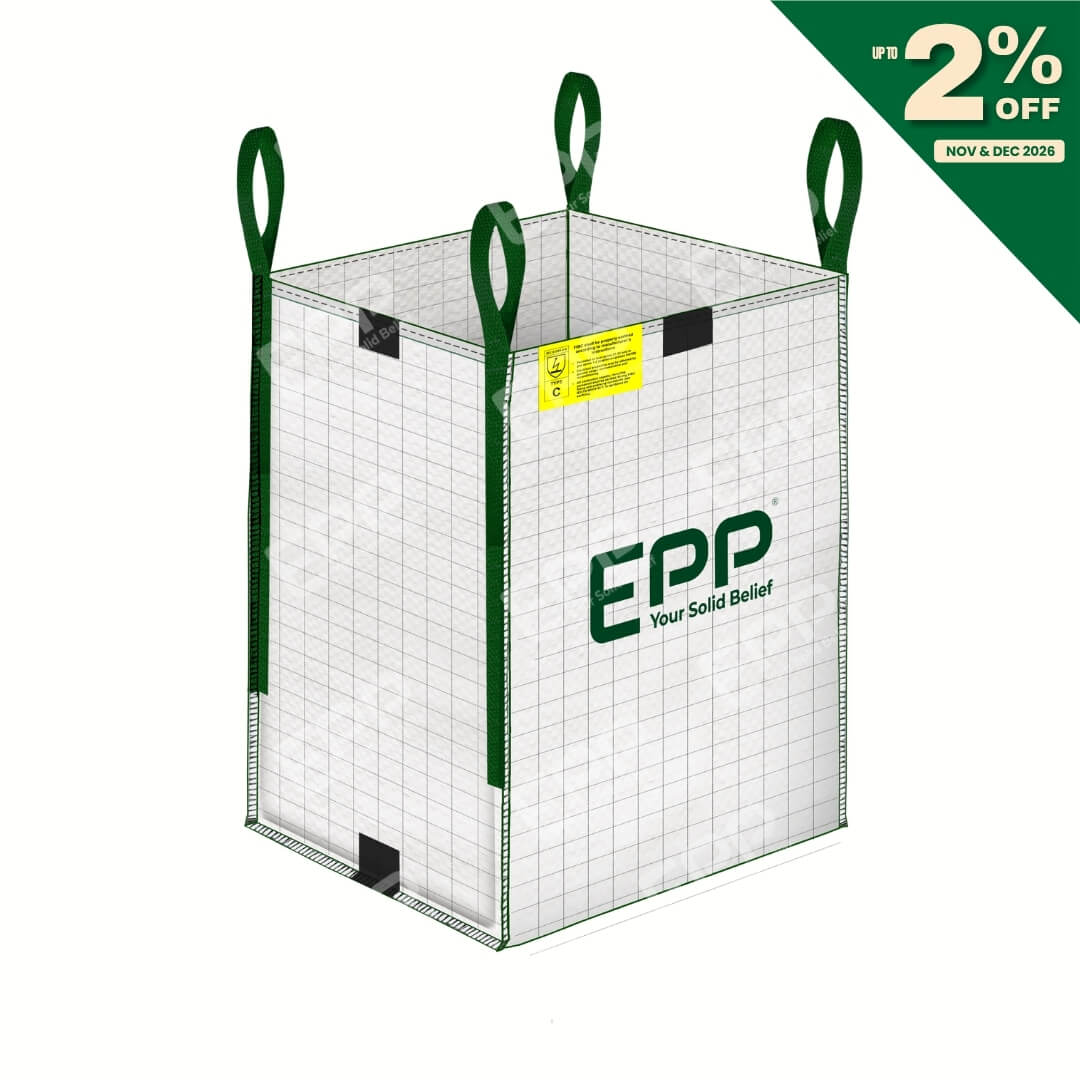
Conductive bulk bags—commonly referred to as Type C big bags—are specialized Flexible Intermediate Bulk Containers engineered to transport materials in volatile or explosive atmospheres.

Unlike standard Type A or Type B bags made solely of insulating polypropylene, Type C conductive bags feature a grid of conductive carbon, silver, or copper threads woven directly into the body fabric, lifting loops, and spouts. All conductive elements are interconnected and linked to dedicated grounding tabs or loops on the bag.
Under the international electrical standard IEC 61340-4-4, a conductive bulk bag must maintain a point-to-point electrical resistance to ground of less than 10^8 Ohms (R < 10^8 Ω). When properly connected to an earth ground during filling and emptying, static charges created by material friction are immediately dissipated into the ground, eliminating the risk of incendiary sparks.
Technical Specifications Sheet for Commercial Conductive Jumbo Bags
| NAME | TYPE C BULK BAGS – CONDUCTIVE BIG BAGS- GROUNDABLE FIBC BAGS |
| BAG TYPE | TYPE C BIG BAGS |
| BODY SIZE | 900Lx900Wx1200H ( +/-15mm) |
| BODY MATERIAL | PP WOVEN FABRIC + ANTI UV-AGENT+ CONDUCTIVE THREAD 178g/m2 |
| LOOP BELT | 4 LOOPS, WIDTH: 70mm, HEIGHT: 300mm |
| TOP | FILLING SKIRT/ FILLING TOP/ OPEN TOP |
| BOTTOM | FLAT BOTTOM/ DISCHARGE BOTTOM |
| INNER LINER | N/A |
| SAFETY FACTOR | 5:1 |
| SWL | 1000KG |
| BAG TOTAL WEIGHT | 1.36KG |
| DOCUMENT POCKET | PP+ PE, A4 size |
| PACKAGE | 10pcs/ bale, 100 pcs/ package |

Mandatory Grounding Protocols & Operational Risk Management
Type C conductive FIBCs deliver absolute protection against static hazards, but their safety depends on strict grounding protocols. An ungrounded conductive bulk bag represents a major hazard because conductive threads accumulate static charges without an exit path, acting as an ungrounded conductor capable of emitting high-energy sparks.
-
Visual Inspection of Grounding Elements: Prior to attachment, operators must inspect the bag’s conductive grid and grounding tabs to ensure there are no tears, heavy oxidation, or physical breaks in the conductive threads.
-
Earth Clamp Connection: Before opening fill spouts or initiating pneumatic material transfer, securely attach the facility’s grounded earth clamp to the bag’s primary grounding tab.
-
Resistance Continuity Check: Verify that the connection maintains a resistance to earth below 10^8 Ohms. Utilizing automated monitoring interlocks is recommended to halt material flow automatically if ground continuity breaks.
-
Post-Discharge Disconnection: Maintain the grounding clamp attached throughout the entire filling or discharging process. Disconnect the grounding clamp only after material flow has completely stopped, spouts are closed, and airborne dust has settled.

If your plant operations require full anti-static protection combined with certified flame-retardant fabric properties for highly volatile zones, explore our specialized FRAS Type C FIBC Bags solution.
Which Industries Need Conductive Big Bags?
Conductive bulk bags are mandatory in facilities processing materials with low Minimum Ignition Energy (MIE) or operating in atmospheres where flammable solvents and gases are present.
-
Chemical Processing Industries: Facilities handling fine chemical powders, organic pigments, synthetic resins, catalysts, and volatile chemical compounds.
-
Pharmaceutical Manufacturing: Processing plants bulk-transporting active pharmaceutical ingredients (APIs), excipients, and fine starch powders inside cleanroom environments.
-
Mining and Metal Powders: Refineries shipping pulverized coal, sulfur, metal powders (such as aluminum, magnesium, or zinc dust), and combustible mineral concentrates.
-
Grain Milling and Fine Organics: Large-scale operations handling ultra-fine organic dusts, sugar dust, and starches in processing plants where flammable solvents or vapors are present in surrounding zones.
Frequently Asked Questions About Conductive Bulk Bags
Q: What happens if a conductive bulk bag is not grounded during operation?
A: Leaving a Type C bag ungrounded isolates the conductive threads. As static charges accumulate on these isolated threads, the bag becomes an ungrounded conductor. This can create a high-energy spark discharge that can instantly ignite nearby flammable gases or combustible dust clouds.
Q: What is the primary technical difference between a Type C and Type D FIBC?
A: Type C conductive bags rely on interlinked conductive grid threads and require mandatory physical connection to an earth ground. Type D bags (such as Crohmiq) utilize specialized quasi-conductive fibers that dissipate static charges safely into the surrounding atmosphere through low-energy corona discharge, requiring no grounding connections.
Q: How is the electrical resistance of a Type C bag verified?
A: Quality control teams use high-precision megohmmeter (Ohm-meter) probes to conduct point-to-point resistance testing. Probes are placed at various points across the fabric surface and connected to the grounding tab to confirm resistance reads strictly below 10^8 Ohms in accordance with IEC 61340-4-4 standards.

Q: Are conductive bulk bags reusable?
A: Yes, provided they are engineered with a 6:1 Safety Factor (SF) rating and pass thorough re-inspection. Before reuse, every bag must be visually checked for physical wear and re-tested with an Ohm-meter to verify that the conductive thread grid continues to maintain resistance below 10^8 Ohms.
Conclusion and Call to Action
Conductive bulk bags (Type C FIBCs) offer unmatched static protection for high-risk industrial environments, combining strong load capacities with verified electrical safety under IEC standards. Correct grounding procedures protect your facility, workforce, and valuable inventory against electrostatic hazards.
Partner with EPP Vietnam to secure fully tested, certified Type C conductive FIBCs tailored to your exact operational specifications. Contact our packaging engineers today to request technical documentation, Labordata test reports, or a competitive quote for your global logistics needs!
Website: epp.vn
Alibaba website: https://eppvietnam.trustpass.alibaba.com/
Email: [email protected] Hotline/ Whatsapps: +84 986 002 888