
The Strait of Hormuz is currently the single most dangerous 21-mile stretch of water on the planet. As of March 19, 2026, the world is holding its breath as global energy supplies are being throttled in a high-stakes game of chicken. If you’ve noticed your fuel prices or shipping costs jumping this week, this narrow chokepoint is the reason.
At EPP Vietnam, we aren’t just observers; we’re part of the global supply chain. When the Strait narrows, the ripple effect hits everything from oil barrels to the price of the Bulk bags used to ship your products. In this guide, we’re going to look at the “why” and “how” behind this 2026 crisis and what it actually means for your wallet.
Why is Iran closing Strait of Hormuz 2026?
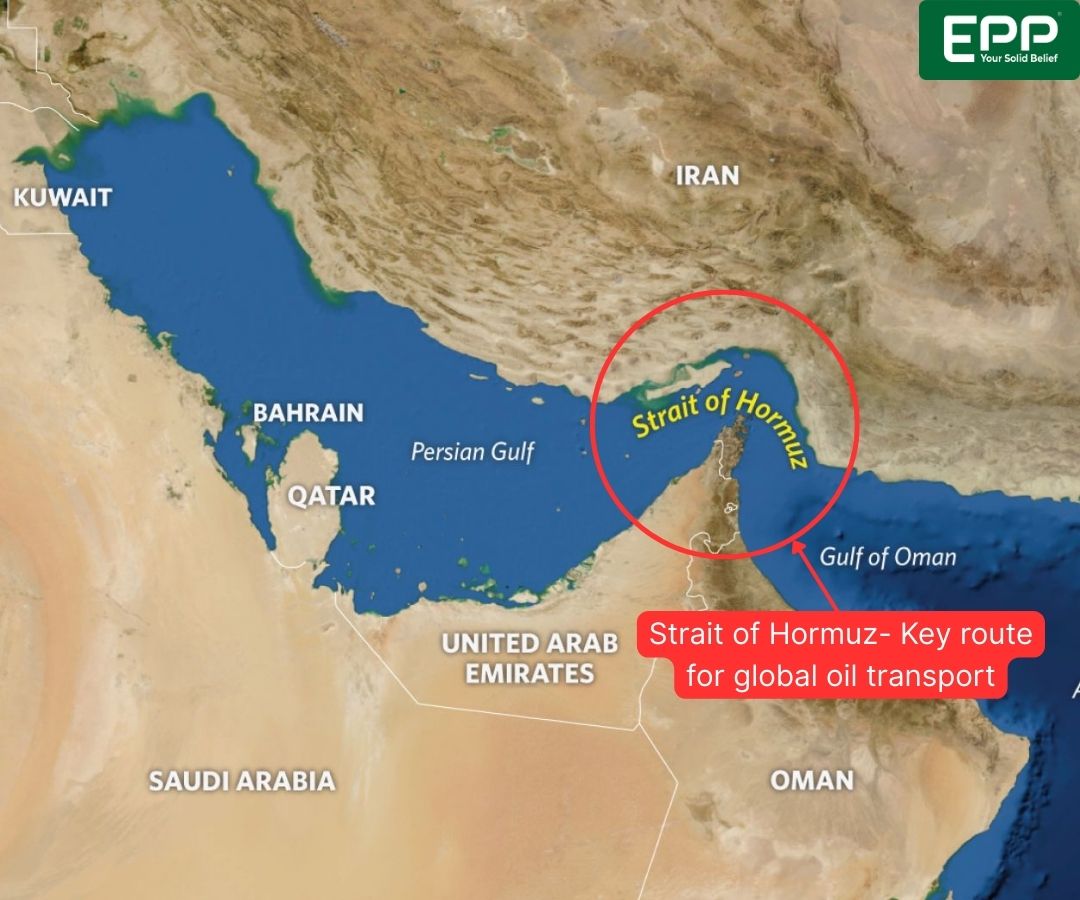
To put it bluntly: Iran is closing the Strait of Hormuz because it is the only “off-switch” they have for the global economy. Following the escalation of Operation Epic Fury on February 28, 2026—a joint US-Israeli campaign that severely damaged Iranian military infrastructure—Tehran found itself backed into a corner.
The closure is a calculated act of asymmetric retaliation. By blocking the passage that carries roughly 20.5 million barrels of oil per day, Iran is effectively saying: “If we can’t export our oil and our leaders aren’t safe, nobody’s oil is safe.” Specifically, Iran is using the blockade to:
-
Force a Ceasefire: They want to stop the ongoing airstrikes on their soil.
-
Economic Leverage: They are driving up global inflation to make the war “too expensive” for Western voters to support.
-
Avenge Leadership: This is a direct response to the reported deaths of high-ranking Iranian officials in early March.
How can Iran easily block the Strait?
You don’t need a massive navy to block a narrow lane. The Strait of Hormuz is only about 21 miles wide at its narrowest point, with the actual shipping lanes being only two miles wide in each direction.
Iran’s Islamic Revolutionary Guard Corps (IRGC) uses a “Swarm and Mine” strategy that is incredibly hard to stop:
- Sea Drones (USVs): Iran has deployed hundreds of low-cost, explosive-laden drones. They are small, fast, and can overwhelm a billion-dollar destroyer’s defense systems.
- Smart Mines: Thousands of sophisticated naval mines have been dropped into the shipping lanes. Clearing these is a slow, agonizing process that can take months.
- Coastal Missiles: Hidden in the rugged cliffs of the Musandam Peninsula, mobile missile batteries can pick off tankers from miles away.
- The “Selective” Filter: Iran isn’t stopping every ship. They are using AIS (Automatic Identification System) data to allow “friendly” ships (like those from China) to pass while threatening any vessel with Western or Israeli ties.
Which Countries Have Had Their Sea Routes Blocked by the Closure?
The blockade of Strait of Hormuz has created a “winners and losers” map of the world. While the blockade is “selective,” the fear of a stray drone or mine has effectively paralyzed traffic for almost everyone.
| Country Category | Specific Nations | Impact Severity |
| The Locked Exporters | Saudi Arabia, Iraq, Kuwait, Qatar, UAE | Critical. 90% of their revenue is stuck behind the gate. |
| The Dependent Importers | Japan, South Korea, Taiwan | Severe. These nations rely on the Strait for nearly 80% of their energy. |
| The Political Targets | USA, UK, Israel | High. Their vessels are actively hunted by IRGC swarms. |
| The “Safe” Corridor | China, India, Pakistan | Moderate. They have negotiated limited passage, but insurance is still a nightmare. |
How is the Closure Impacting the Global Economy and Oil Prices?
As of mid-March 2026, Brent Crude oil has spiked past $110 per barrel. But it’s not just about the gas in your car.
The Industrial Domino Effect: > High oil prices mean higher costs for Naphtha. Naphtha is the primary feedstock for Propylene. Propylene is the building block for PP Resin (Polypropylene). Because PP resin is the main material used to weave FIBC bags (Jumbo bags), we are seeing a global price hike of 20% to 30% in industrial packaging. If you are an exporter, your “hidden costs” are exploding right now because the raw material for your bags is tied directly to those tankers stuck in the Gulf.
Beyond packaging, the Global Supply Chain is buckling. Maersk and MSC have rerouted vessels around the Cape of Good Hope, adding 12 days to transit times and roughly $1.5 million in extra fuel costs per trip.
The US and its Allies Responding to the Blockade
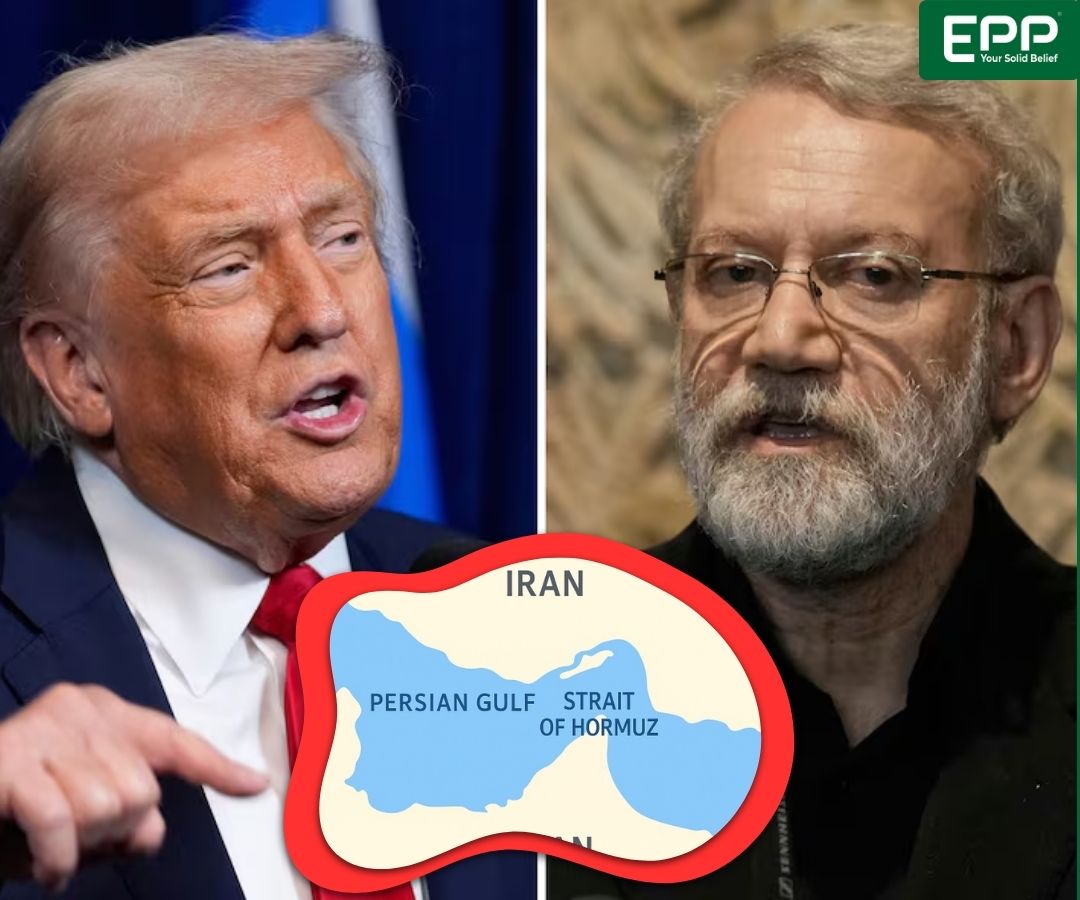
The response has been a mix of “fire and fury” and diplomatic frustration.
- CENTCOM Strikes: The US Navy has launched “Operation Sentinel Shield,” using carrier-based jets to bomb drone launch sites. However, hitting a mobile drone truck hidden in a cave is like finding a needle in a haystack.
- The Escort Dilemma: President Trump has ordered the Navy to escort tankers, but insurers are still refusing to cover the ships. A single mine can sink a tanker and cause an ecological disaster, regardless of a Navy escort.
- The Coalition Fracture: Interestingly, many European allies are hesitant to join. France and Italy have been pushing for a “diplomatic off-ramp” rather than a full-scale naval war, fearing that a permanent closure of the Strait would trigger a 1930s-style global depression.
People Also Ask About the Strait of Hormuz Crisis
Which country controls the Strait of Hormuz?
Technically, the Strait is governed by the United Nations Convention on the Law of the Sea (UNCLOS). However, the water is shared between Iran and Oman. Because the deep-water shipping lanes fall within Iranian and Omani territorial waters, Iran has a massive “home-field advantage” in controlling the flow of traffic.
How much US oil goes through the Strait of Hormuz?
Surprisingly little compared to the past. Only about 10% of US oil imports go through the Strait because of the American shale boom. However, the US is still heavily impacted because oil is a globally priced commodity. When Asia can’t get Gulf oil, they bid up the price of the oil the US uses, causing prices to rise in New York and Texas anyway.
Did Iran ever block the Strait of Hormuz?
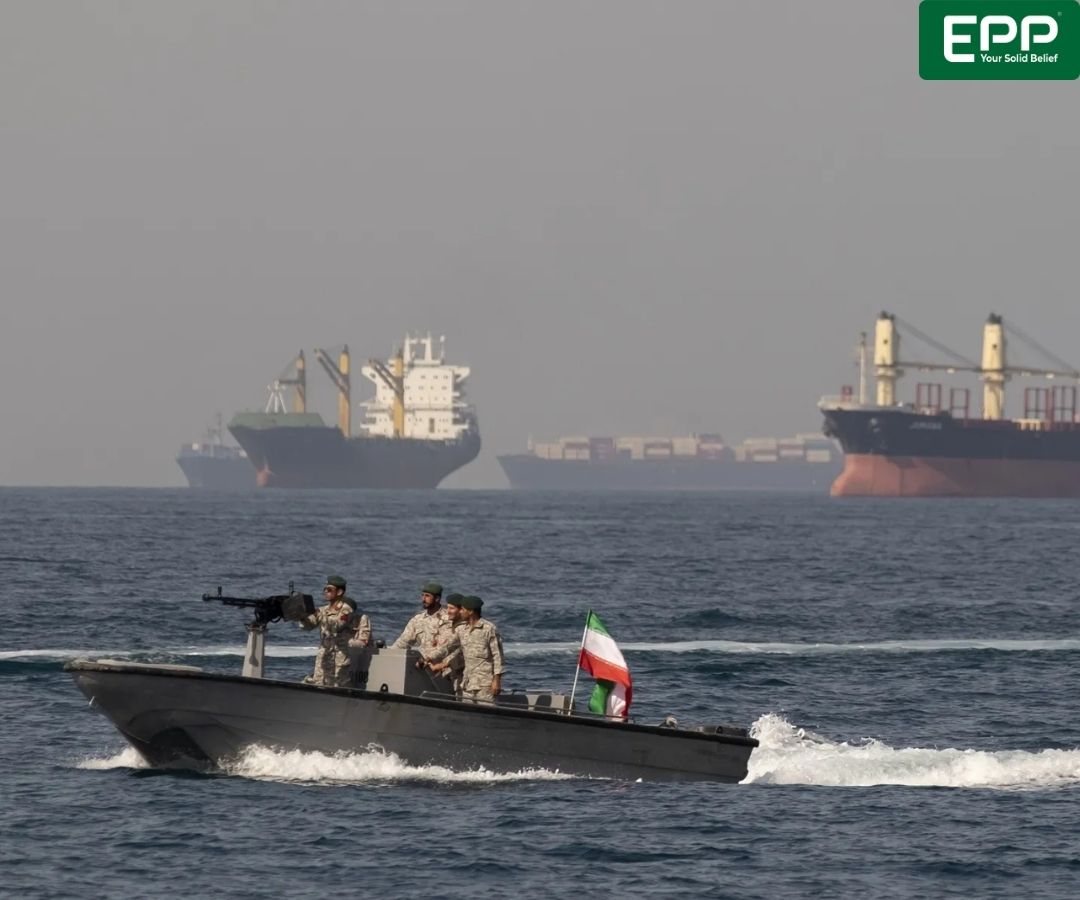
They have threatened it many times, most famously during the “Tanker War” in the 1980s. However, they have never successfully held it closed for more than a few days—until now. The 2026 blockade is the most sustained and technologically advanced attempt in history.
Who is Iran’s biggest oil buyer?
China. This is why the Strait isn’t completely dark. Iran needs to keep the money flowing, so they allow Chinese-flagged tankers to pass through “safe zones.” In exchange, Beijing provides Iran with diplomatic cover at the UN.
Is there an alternative to the Strait of Hormuz?
There are pipelines, but they can’t handle the full volume.
- Saudi Arabia has the East-West Pipeline to the Red Sea.
- The UAE has the Habshan-Fujairah pipeline.
Even if these work at 100% capacity, they can only move about 6.5 million barrels—leaving 14 million barrels per day stranded.
Conclusion: A Tense Path Forward
The 2026 Strait of Hormuz crisis isn’t just a military conflict; it’s an economic earthquake. Whether you’re worried about the price of gas at the pump or the rising cost of PP resin for your FIBC bags, the reality is the same: geography still rules the world. Until a diplomatic solution is found, the “Selective Gatekeeper” strategy will continue to keep the global economy on a razor’s edge.