Vietnam bulk bags are today one of the most trusted and competitive packaging solutions in the global FIBC (Flexible Intermediate Bulk Container) market. As one of the leading bulk bag manufacturers and exporters in Vietnam, we have witnessed firsthand how Vietnam bulk bags have evolved from simple commodity packaging into high-performance, compliance-driven, and export-ready solutions used across agriculture, chemicals, food, construction, and logistics worldwide.
In this article, we share a practical, experience-based overview of fibc bags from Vietnam — covering market position, quality standards, price competitiveness, export strengths, and sourcing tips.
Market Overview of Bulk Bags in Vietnam
Vietnam bulk bags have secured Vietnam a position among the top three FIBC exporting countries globally, following only China and India. Vietnam now exports more than 107,000 tons of bulk bags annually, a remarkable milestone that reflects strong manufacturing capacity, improving quality systems, and growing international trust.
From our perspective inside the industry, this growth is not accidental. It is driven by:
- Strong textile and packaging manufacturing infrastructure
- Competitive labor costs combined with improving productivity
- Strategic free trade agreements (EVFTA, CPTPP, RCEP)
- Increasing foreign investment in packaging and industrial textiles
Vietnam bulk bags are widely used for commodities such as rice, coffee, fertilizers, cement, chemicals, minerals, animal feed, and food ingredients. Buyers today no longer view Vietnam only as a low-cost source — they see it as a reliable, long-term supply partner capable of meeting both volume and quality demands.
Quality Standards of Vietnam Bulk Bags

One of the biggest misconceptions about Big bags from Vietnam is that competitive pricing means compromised quality. In reality, many Vietnamese manufacturers — including our company — operate under strict international quality systems and produce bulk bags that meet or exceed global standards.
Vietnam bulk bags are commonly produced in compliance with:
- ISO 9001 (Quality Management)
- ISO 14001 (Environmental Management)
- BRCGS/ FSSC 22000/ HACCP (Food Safety)
- UN certification (Hazardous goods transport)
- FDA compliance (Food and pharmaceutical applications)
In our factories, every batch of Made in Vietnam jumbo bags undergoes tensile testing, UV resistance testing, seam strength checks, and visual inspections. Custom specifications such as anti-static (Type C & D), conductive yarns, liner integration, and food-grade coatings are standard offerings, not exceptions.
This commitment to quality is one of the main reasons why Vietnam bulk bags are now trusted by multinational corporations, logistics providers, and agricultural exporters worldwide.
Price Competitiveness of Vietnam Bulk Bags
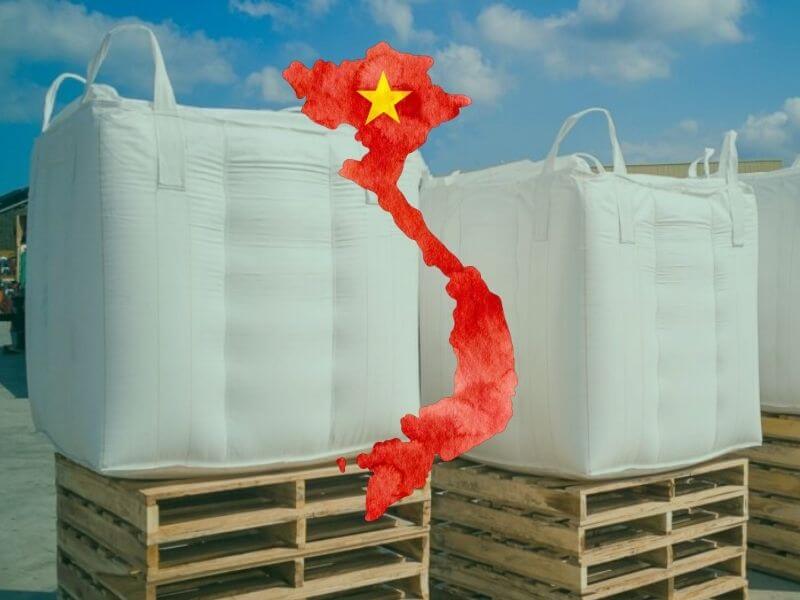
When buyers ask about Vietnam bulk bags, price is often their first concern — and for good reason. Vietnam bulk bags consistently offer one of the best price-to-quality ratios in the global FIBC market.
As of 2025, typical export pricing for FIBC bags falls within the following ranges:
- USD 5.00 – USD 7.50 per bag for standard 1-ton FIBC
- USD 7.50 – USD 13.00 per bag for specialty or high-compliance bags (food-grade, UN-certified, ventilated, conductive, or fully customized)
Key factors influencing bulk bags from Vietnam pricing include:
- Fabric GSM and weave density
- Bag dimensions and Safe Working Load (SWL)
- Safety Factor (SF)
- UV stabilization level
- Coating and liner requirements
- Printing complexity
- Order volume and delivery terms (FOB, CIF, DDP)
Compared with China, Vietnam bulk bags often benefit from lower tariff exposure in key markets such as the U.S. and EU, as well as faster lead times for customized orders. Compared with India, Vietnam offers similar pricing with logistical advantages for Asia-Pacific and ASEAN markets.
From our operational experience, buyers who focus only on the lowest unit price often encounter quality or compliance risks. Vietnam bulk bags provide a balance — competitive pricing combined with consistent performance and documentation.
What Is the Export Strength of Vietnam Bulk Bags?
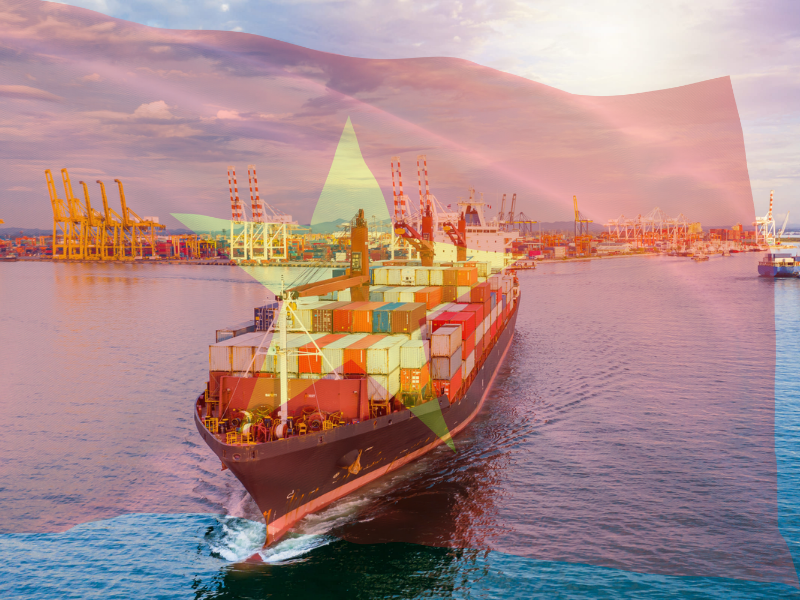
Vietnam bulk bags are strong exporters not only because of cost efficiency but also because of reliability, scalability, and compliance readiness.
1. High Production Capacity
Vietnam’s bulk bag factories are now capable of producing millions of bags per month, enabling suppliers to handle both trial orders and long-term contracts without sacrificing quality or delivery reliability.
2. Strong Compliance and Documentation
Vietnam bulk bags are routinely shipped with full export documentation, including:
- Certificates of Origin (CO)
- Quality inspection reports
- UN test certificates (when required)
- Phytosanitary and hygiene certificates for food-grade shipments
This compliance strength reduces customs delays and lowers regulatory risk for importers.
3. Strategic Logistics Location
Vietnam’s major ports — Ho Chi Minh City, Hai Phong, and Da Nang — provide efficient shipping routes to North America, Europe, the Middle East, and Asia-Pacific. This logistics advantage strengthens Vietnam bulk bags as a dependable global supply source.
4. Adaptability to Global Market Trends
Vietnam bulk bag manufacturers are quick to adapt to evolving market demands, including:
- Sustainable and recyclable packaging solutions
- Lightweight designs with maintained strength
- Reusable FIBC programs
- Smart packaging features such as QR codes and traceability labels
This adaptability ensures Jumbo bags from Vietnam remain competitive in both traditional and emerging markets.
Buyer Tips for Sourcing Vietnam Bulk Bags
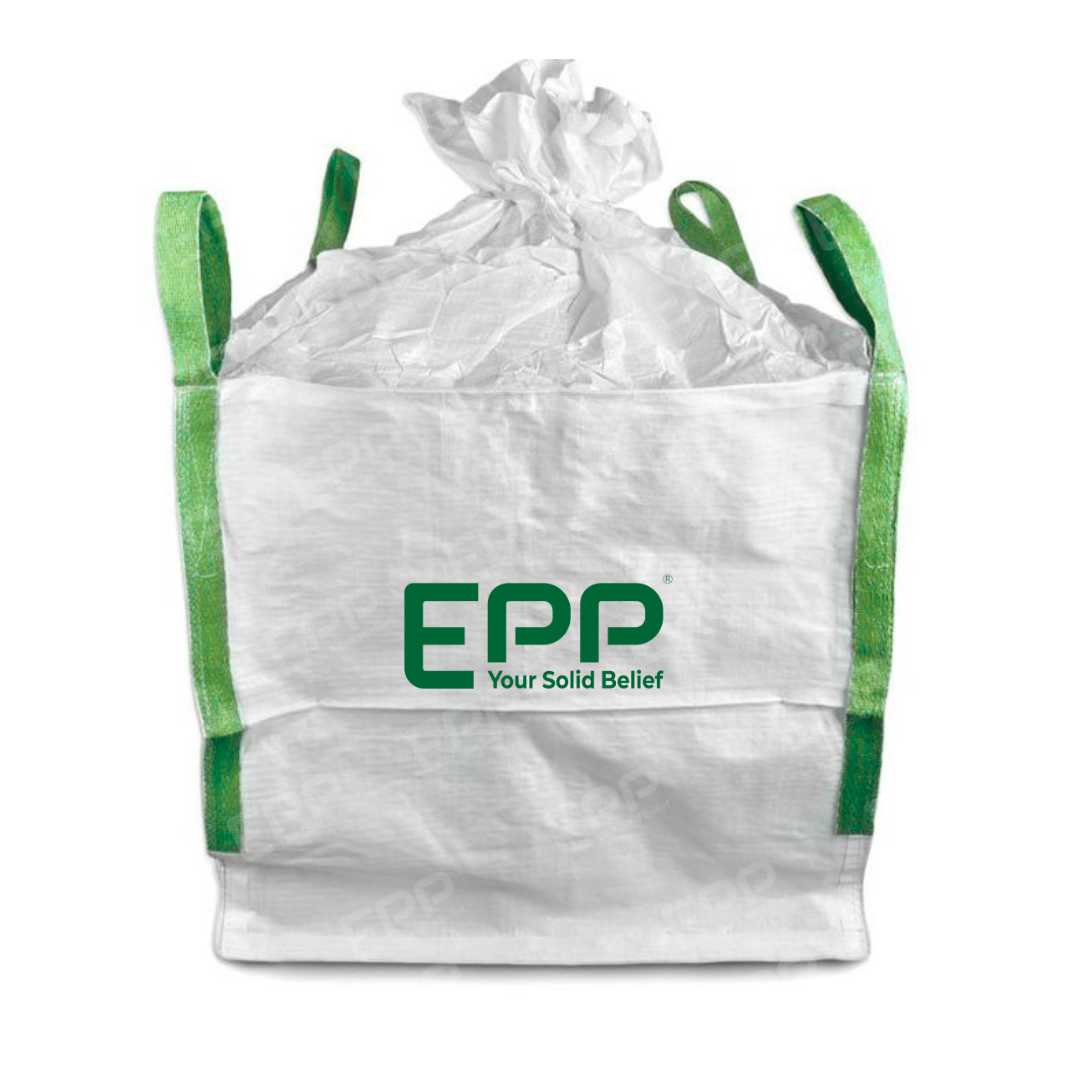
Based on our experience as one of the leading bulk bag companies in Vietnam, successful sourcing depends on more than price alone. Here are practical tips for buyers sourcing Vietnam bulk bags:
1. Define Technical Specifications Clearly
Provide detailed specifications such as bag dimensions, SWL, SF, fabric GSM, coating type, UV stabilization level, liner type, and intended application. Clear requirements lead to accurate quotations and consistent product quality.
2. Request Samples and Test Reports
Always request pre-production samples and third-party test reports, especially for food-grade, hazardous, or pharmaceutical applications.
3. Verify Certifications and Factory Audits
Choose suppliers with verified certifications (ISO, BRC, UN, FDA compliance) and a willingness to undergo third-party audits. This signals operational maturity and long-term reliability.
4. Evaluate Communication and Technical Support
One of the advantages of sourcing Vietnam bulk bags is responsive communication. Work with suppliers who offer technical guidance, quick feedback, and solution-oriented service — not just quotations.
5. Build Long-Term Partnerships
Long-term sourcing relationships often result in better pricing, priority production slots, faster lead times, and co-development of new packaging solutions. Vietnam bulk bag suppliers value partnership-driven business models.
Conclusion: The Future of Vietnam Bulk Bags
Vietnam bulk bags are no longer an emerging alternative — they are now a global standard in flexible industrial packaging. With export volumes exceeding 107,000 tons annually and continuous investments in technology, sustainability, and quality systems, Vietnam is firmly positioned among the world’s top FIBC suppliers.
For buyers seeking a balance of quality, price, and export reliability, Made in Vietnam Jumbo bags represent one of the smartest sourcing choices in today’s global packaging market. As demand continues to grow across industries and regions, Builder bags from Vietnam are well-positioned to lead the next phase of global bulk packaging solutions.