
Finding a bulk bag low price is the primary goal for most procurement managers, but as a leading manufacturer of FIBC bags in Vietnam, we often see a common mistake: equating “low price” with “low quality.” In the world of industrial packaging, a bag failure doesn’t just mean a broken container; it means lost product, safety hazards, and operational downtime.
The secret to successful sourcing is finding that “sweet spot” where cost-efficiency meets structural integrity. Whether you call them big bags, super sacks, or jumbo bags, the principles of smart buying remain the same. Here is how you can navigate the market to find high-performance packaging without overstretching your budget.
How does the weight capacity affect getting a bulk bag low price?
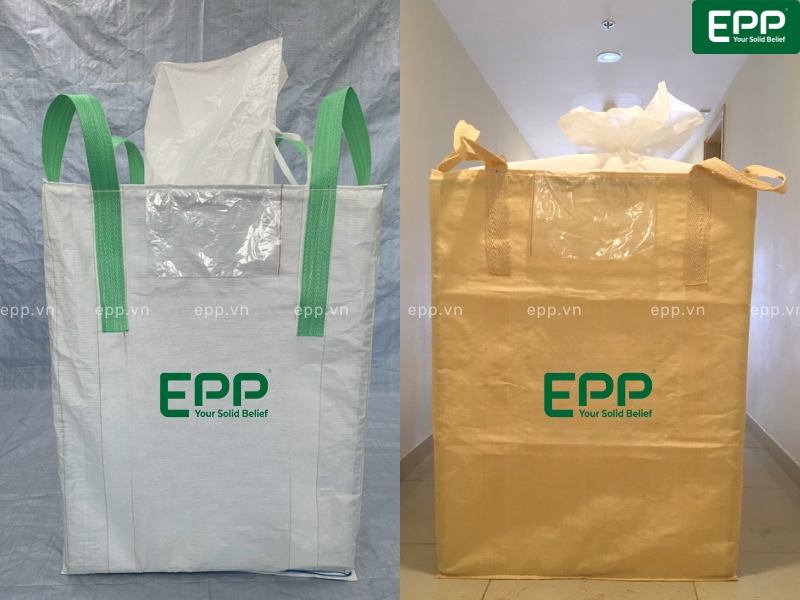
One of the most significant factors in the cost of a jumbo bag is the weight of the polypropylene (PP) fabric used to make it. To secure a bulk bag low price, you must match the bag’s Safe Working Load (SWL) exactly to your needs.
Many buyers mistakenly purchase a bag rated for 2,000kg when they are only filling it with 1,000kg of material. While this feels “safer,” you are essentially paying for extra grams of plastic that you don’t need. As a Vietnamese supplier, we help our clients calculate the “Bulk Density” of their product. If your product is light and fluffy, you might need a large volume but a lighter fabric weight. Conversely, heavy minerals require a dense, high-GSM (grams per square meter) fabric.
By right-sizing the weight capacity, you reduce the material cost of the bag. Achieving a bulk bag low price starts with ensuring you aren’t over-specifying the fabric strength for a light-duty application.
Which bag features are worth the extra money?

When you are hunting for a bulk bag low price, it is tempting to strip away every feature. However, some “extras” actually save you money in the long run by preventing waste.
- Sift-Proof Seams: If you are packing fine powders like flour or chemicals, standard seams will leak. Spending a few extra cents on felt or cord filler for sift-proofing is worth it to prevent product loss.
- UV Stabilization: For many users in Vietnam and abroad, bags are often stored outside or in sunny warehouses. Standard PP degrades quickly in sunlight. Ensuring your bag has high-quality UV additives is a small upfront cost that prevents the bag from literally falling apart during transport.
- Baffles (Q-Bags): While baffled bags are more expensive than standard circular bags, they maintain a square shape when filled. This allows you to fit more bags into a shipping container or on a truck, often reducing your shipping costs by 20-30%. In this case, paying more for the bag results in a much lower “total landed cost.”
Is there a “hack” to getting high quality Bulk bag low price?
As a manufacturer, I can tell you there is one major “hack” that most buyers overlook: Standardization.
The most expensive jumbo bags are the ones with unique, custom dimensions. Factories have to stop their machines, reset the looms, and adjust the cutting patterns for custom orders. If you can adapt your filling station to use “Stock Sizes” (such as the standard 90x90x120cm), you can tap into mass-production pricing.
Another hack is to source directly from regions like Vietnam. Because we have a vertically integrated supply chain—from the PP resin to the finished woven bag—we can offer a bulk bag low price that middlemen in Europe or America simply cannot match. Buying in full container loads (FCL) further reduces the per-unit price because it optimizes the ocean freight and handling fees.
How can I tell if a Bulk bag low price is well-made just by looking at it?
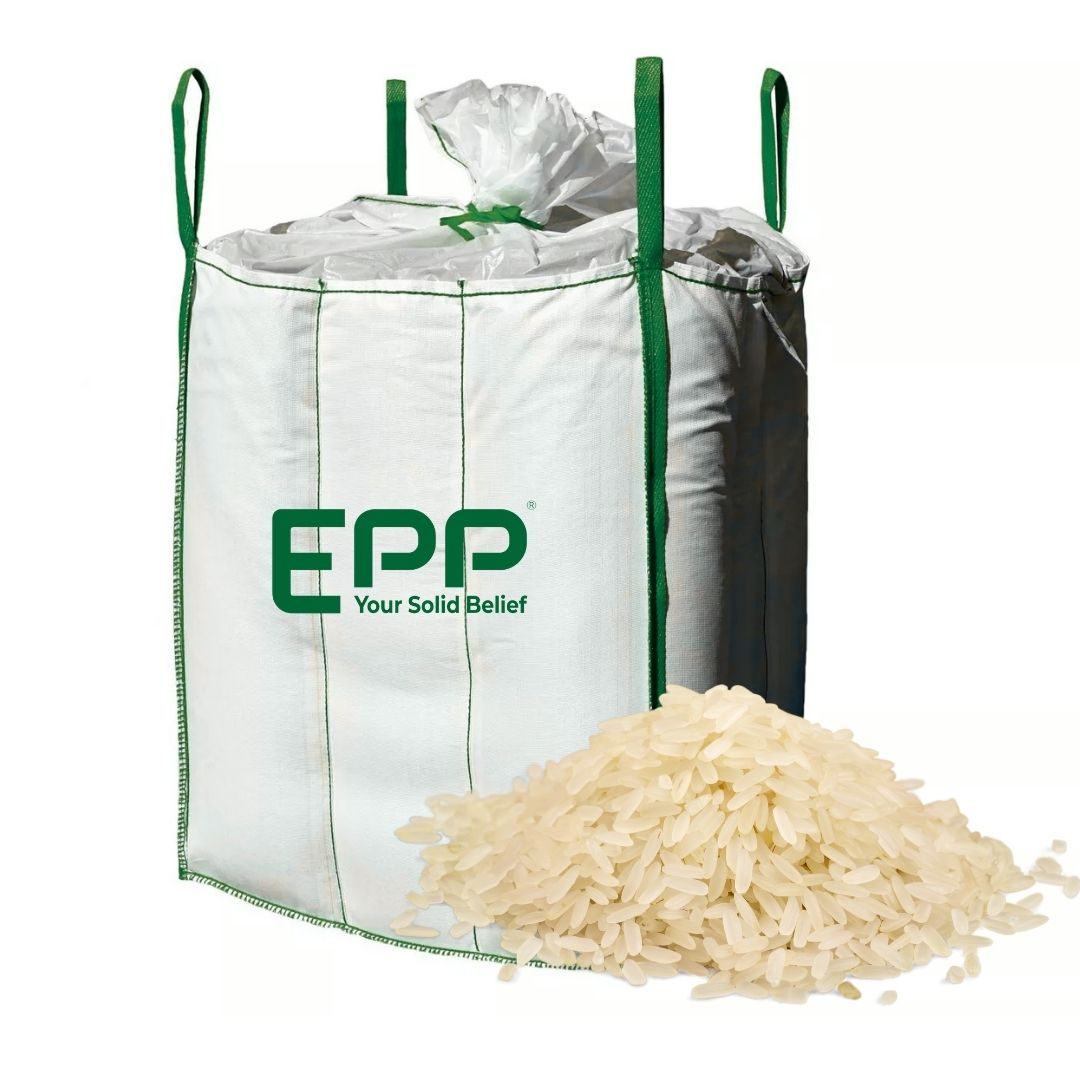
You don’t need a laboratory to spot a poorly made big bag. Even if you find a bulk bag low price, perform these quick visual checks to ensure it won’t fail:
- The Stitching Test: Look at the “Overlock” and “Chain” stitching. The lines should be straight and consistent. If you see loose threads or “skipped” stitches, the bag is likely to unzip under pressure.
- Fabric Transparency: Hold the fabric up to the light. A high-quality FIBC should have a consistent weave. If you see “thin spots” or gaps in the weave, the tensile strength is compromised.
- The “Tape” Feel: Rub the fabric between your fingers. It should feel smooth and slightly oily. If it feels overly brittle or “chalky,” the manufacturer may have used too much Calcium Carbonate (filler) to save money, which makes the bag weak and prone to tearing.
- Lift Loop Reinforcement: Check where the loops are sewn onto the bag. This is the primary stress point. There should be heavy reinforcement (often a different color or thicker weave) at these junction points.
Conclusion
In the FIBC industry, we believe that a bulk bag low price should be the result of efficient manufacturing, not cheap materials. By understanding your specific weight requirements, choosing the right features, and opting for standardized sizes, you can significantly reduce your packaging spend.
Sourcing from a reputable Vietnamese supplier allows you to benefit from high-tech production lines and skilled craftsmanship at a competitive price point. Remember, the “best” bag isn’t the cheapest one on the shelf—it’s the one that carries your product safely to its destination at the lowest possible cost per ton.
