
Among the many types of FIBC bags uses, the Baffle FIBC Bags—or Q-bag—holds a unique and critical position. It is the secret weapon for logistics professionals seeking to maximize the payload in every shipping container and warehouse rack. This guide is dedicated to unlocking the strategic advantage these specialized super sacks offer, ensuring your bulk commodities, from fine chemicals to export-grade grains, travel safely and efficiently.
What are Baffle FIBC Bags (Q-Bags)?
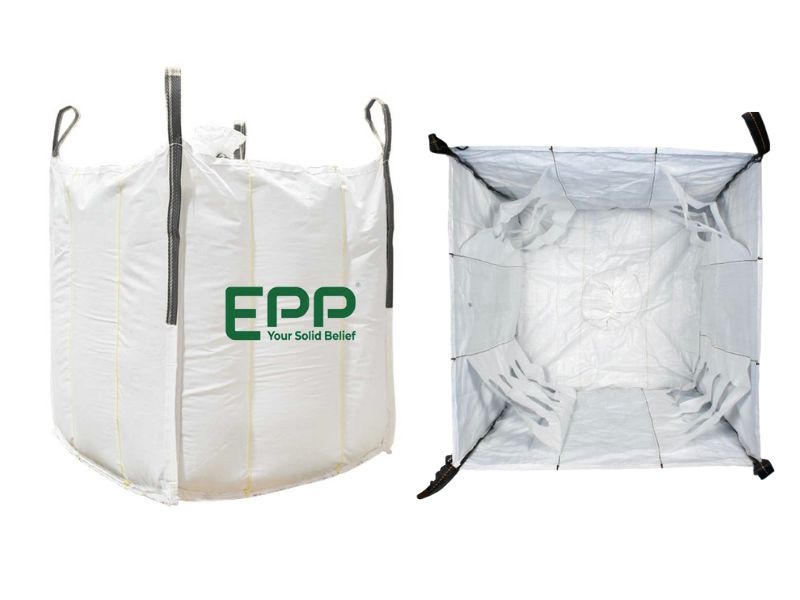
The core problem with standard bulk bags is simple physics: when filled, the flexible woven polypropylene fabric naturally bulges outward, transforming the bag from a square shape into a rounded cylinder. This “belly” or curvature wastes valuable space, prevents tight stacking, and decreases overall storage density.
The Baffle FIBC bag was engineered specifically to solve this issue.
A Baffle FIBC is a four-panel or U-panel bag equipped with internal fabric panels, or “baffles,” strategically sewn across the four corners of the bag. These baffles run from the top to the bottom of the container. When the bag is filled with flowable materials like powders, granules, or seeds, the internal panels prevent the sides from bowing out. The result is a container that maintains a near-perfect square or rectangular shape, maximizing structural stability and logistical space efficiency.

My experience has shown that simply switching from standard circular bags to high-quality Q-bags can instantly increase the amount of product loaded into an overseas container by 15% to 30%. This singular factor—space efficiency—is why the Q-bag is often the most valuable choice for high-volume export operations, justifying the slight increase in manufacturing cost.
Features of Baffle FIBC Bags
The structural enhancements of Baffle FIBC bags translate into several operational benefits that directly impact your total landed cost and safety compliance.
1. Superior Space Utilization
As mentioned, the primary feature is the maintenance of a square profile. This allows bags to be placed flush against each other in a shipping container or truck, eliminating the wasted space in the corners and gaps that standard bags inevitably create. In a warehouse, this improved shape allows for tighter stacking, increasing vertical storage capacity without compromising the stability of the stack.
2. Enhanced Stability and Safety
When rounded bags are stacked, the curved surfaces create stress points and instability, increasing the risk of the stack collapsing—a major safety hazard in any bulk handling facility. Q-bags provide a flat, solid surface on all sides, allowing them to stack neatly and uniformly. This is crucial when handling heavy materials like mineral concentrates or heavy aggregates, ensuring maximum integrity during mechanical handling.
3. Even Material Flow During Filling
The internal baffle design also promotes better material flow. The material is forced to fill all four corners evenly, reducing settling time and preventing the formation of “ears” or lopsided loading that can compromise stacking later. For automated filling lines, this predictable shape is highly advantageous.
4. Maintains Product Integrity
By keeping the bag shape constant, there is less movement and stress on the fabric, which helps maintain the integrity of the sift-proof seams or internal liners. This is vital when the FIBC bags uses involve fine, sensitive, or hygroscopic powders.
Standard Specification of Baffle FIBC Bags

When sourcing Baffle FIBC bags for industrial procurement, specifying the correct technical details is essential. While the baffle structure is a given, other elements must align with your product’s specific properties.
| Specification Element | Standard Requirement | Why It Matters for Baffles |
|---|---|---|
| Safety Factor (SF) | 5:1 (Single-Trip) or 6:1 (Multi-Trip) | Baffles carry high-density products; 6:1 is recommended for internal logistics due to repeated handling. |
| Safe Working Load (SWL) | Typically 1,000 kg to 2,000 kg | Must be accurately calculated based on the product’s bulk density to avoid over-stressing the baffles. |
| Seams | Sift-Proof or Dust-Proof | Mandatory for fine materials (flour, cement) to prevent leakage between the stitch lines and around the baffle panels. |
| Moisture Protection | Coated/Laminated Fabric or PE Liner | Often needed because Q-bags are heavily used for export, where they are exposed to humidity shifts. |
| Fabric GSM | Minimum 170 GSM | A slightly higher GSM fabric is often used to ensure the outer shell is rigid enough to support the internal baffle structure and heavy loads. |
Expert Tip on Liners: If you require a liner for moisture protection in your bulk bags, ensure the liner is “form-fit” and specifically designed with baffle panels. A standard loose liner will bunch up and wrinkle around the internal panels, defeating the purpose of the baffles. A proper baffle PE liner molds neatly to the square shape.
Who Should Use Baffle FIBC Bags?
The investment in Q-bags is best justified when logistical efficiency and structural stability are paramount. Here are the core scenarios where this design provides superior value compared to standard super sacks:
Export and International Shipping
If you ship products overseas, the most critical application is container stuffing. Shipping a 40-foot container costs the same regardless of how many bags you fit inside. By enabling a higher loading density (up to 30% more product), the Baffle FIBC bags significantly reduce the freight cost per unit, providing an immediate and massive cost saving.
High-Density Materials
Products with high bulk density—such as lead oxide, specialized minerals, iron powder, or dense pigments—require exceptional structural strength. The U-panel or 4-panel base combined with the internal baffles ensures that the weight is evenly distributed and the bag holds its form, reducing the risk of catastrophic failure under load.
Automated or High-Speed Filling Lines
In modern manufacturing facilities, bags are filled using highly automated equipment. The Q-bag’s predictable, defined shape ensures smooth and consistent operation on conveyor belts and stacking robots. This reliability prevents line stoppages and increases throughput.
High-Stacking Warehouse Operations
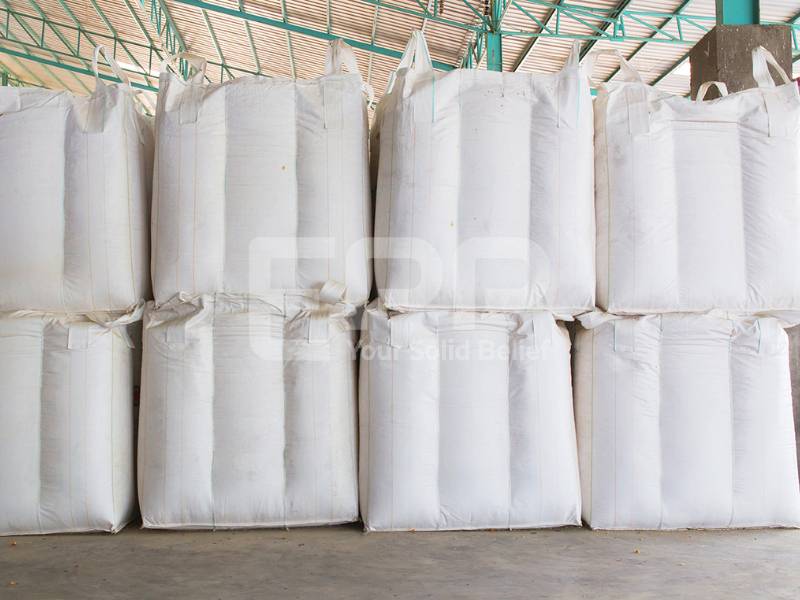
For warehousing, where maximizing vertical storage is key, the square shape of the Baffle FIBC is non-negotiable. They create stable, vertical columns that utilize vertical space safely and effectively, reducing the need for costly external racking systems.
Buying Baffle FIBC Bags from EPP Vietnam
When considering high-volume procurement of specialized packaging like Baffle FIBC bags, partnering with a large, vertically integrated manufacturer offers significant strategic advantages. EPP Vietnam stands out in this regard, offering the scale and technical capability needed to reliably produce complex designs like the Q-bag.
- Vertical Integration: EPP controls the entire production line, from the extrusion of the virgin polypropylene thread and the weaving of the fabric to the final stitching. This control ensures the material used for both the outer shell and the internal baffle panels is consistent and meets the specified GSM and UV stabilization levels—a crucial factor for preventing tensile strength loss.
- Container Mix Flexibility: Unlike smaller distributors, EPP understands the logistical challenges of global buyers. They offer Container Mix Flexibility, allowing you to consolidate large orders across different specifications (e.g., ventilated bags for produce, Type C anti-static bags, and Baffle FIBC bags) within a single 20ft or 40ft container. This ability to mix specialized products drastically reduces your international freight overhead and streamlines your entire supply chain logistics.
- Guaranteed Customization and Form-Fit Liners: Since the internal panels of a Q-bag are complex, accurate customization is paramount. EPP’s engineering team can precisely design the baffle locations and ensure that form-fit liners (if required) integrate seamlessly, preserving the bag’s square shape without compromising the moisture barrier.
- Verifiable Quality Standards: When buying specialized super sacks like the Q-bag, quality assurance must be traceable. EPP adheres to rigorous international standards (like ISO 21898), and their in-house testing protocols, particularly for tensile strength and drop testing, are vital for certifying the safety of a high-load, complex bag structure.
By leveraging the scale and precision of a manufacturing hub like EPP Vietnam, procurement professionals can secure high-quality Baffle FIBC bags that deliver both maximum space efficiency and long-term cost savings, reinforcing the resilience of the global supply chain.
