
Lined super sacks have become the secret weapon for global exporters, providing a level of protection that standard woven bags simply cannot match. If you are shipping sensitive powders, food ingredients, or high-value chemicals across the ocean, you know that the journey is full of risks. From “container rain” to extreme humidity, the environment inside a shipping container is harsh. At EPP Vietnam, we have helped hundreds of international partners transition to these specialized containers to ensure their cargo arrives in perfect condition.
In this guide, we will look at why a liner is often the most important part of your packaging strategy and how to choose the right one for your specific needs.
The Science of Moisture Protection in Lined Super Sacks

When you are exporting goods, moisture is your biggest enemy. Even a tiny amount of humidity can turn a bag of high-grade cement into a solid block or cause sugar to clump together, making it impossible to discharge. This is where lined super sacks provide a scientific advantage.
Standard FIBCs are made from woven polypropylene. While strong, this fabric has microscopic gaps between the weaves. A liner acts as a continuous, non-porous skin inside the bag. This creates a “hermetic” environment. By blocking the air exchange, you effectively stop the “breathing” process of the bag.
For products that are hygroscopic (meaning they pull moisture out of the air), lined ton bags are mandatory. They don’t just repel water; they control the internal atmosphere of the bag, keeping the product as dry as it was on the day it was packed, even after 60 days at sea.
Choosing the Right Liner Material for Your Lined Super Sacks
Not all liners are created equal. The material you choose depends entirely on what you are shipping and how much protection it needs.
1. Standard PE Liners
Most jumbo bags with liners use LDPE (Low-Density Polyethylene). These are great for general moisture and dust protection. They are cost-effective and highly flexible. At EPP Vietnam, we offer these in various thicknesses, usually measured in microns, to match the weight and sharpness of your product.
2. Aluminium Foil Liners

When you need the ultimate barrier, you go with Aluminium. These are often used for high-value chemicals or pharma-grade products. An aluminium liner offers almost zero oxygen and moisture transmission. If your product is sensitive to light or oxygen degradation, this is the only way to go.
3. EVOH Liners
EVOH (Ethylene Vinyl Alcohol) is a specialized plastic used when you need to block gases or aromas. For example, if you are exporting coffee or spices, you don’t want the aroma to leak out, and you don’t want outside smells to get in. Lined super sacks with EVOH are the industry standard for high-end food exports.
4. Type L2 (Anti-Static) Liners
Safety is a huge part of the export market. Type L2 liners are designed to work with antistatic bags like Type C and Type D big bags. They have specific surface resistivity properties that prevent the buildup of static electricity during the filling and discharging of powders.
Design Variations of Lined Super Sacks
How the liner is shaped and attached inside the bulk bag is just as important as the material itself.
Form-Fit Liners
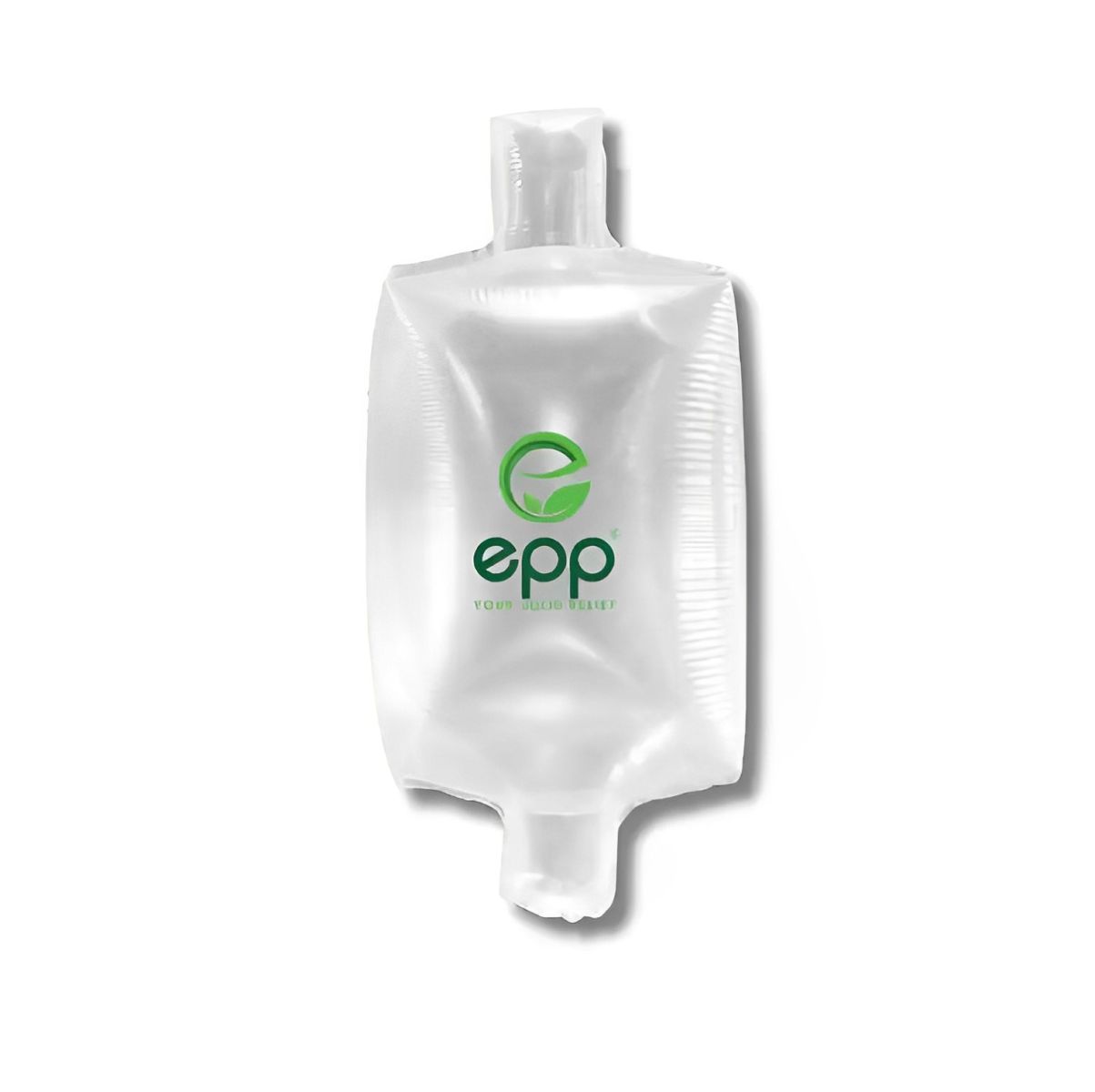
As the name suggests, a Form-Fit liner is designed to match the exact internal dimensions of the super sack, including the top and bottom spouts. These are great because they don’t have folds or “dead spots” where the product can get trapped. They are perfect for high-speed, automated filling lines because the liner stays perfectly in place.
Tubular Liners
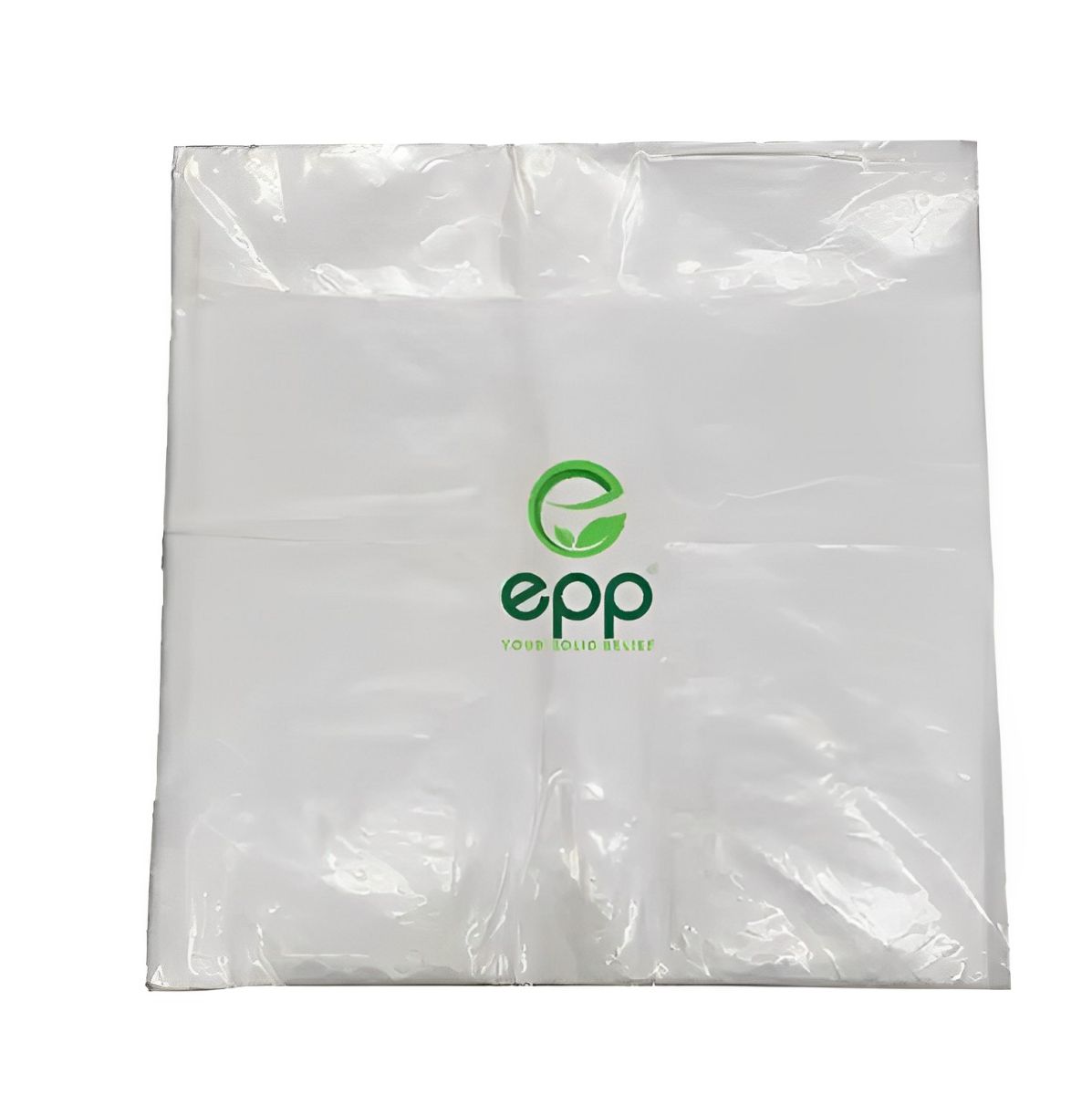
These are the most common and cost-effective. A tubular liner is a simple cylinder of plastic that is inserted into the bag. While they don’t follow the shape of the spouts as perfectly as a form-fit version, they are very easy to produce and work well for most industrial applications like sand, gravel, or basic minerals.
Suspended Liners
A suspended liner is attached to the top of the bag and “hangs” down. This design is most frequently used in one-loop or two-loop FIBC bags, which are the standard for high-volume industries like fertilizer, seeds, and minerals.
Why Lined Super Sacks Save Costs in the Long Run?
It might seem like adding a liner is an unnecessary extra cost, but in the world of international trade, it is actually a form of insurance.
1. Eliminating Product Loss
A single rejected container can cost tens of thousands of dollars. If a customer receives a shipment of clumped chemicals or moldy grain, you don’t just lose the product; you lose the shipping costs and the customer’s trust. Lined super sacks reduce the rejection rate to almost zero.
2. Faster Loading and Unloading
Because the liner prevents the product from sticking to the woven fabric, the bag empties much faster and cleaner. You don’t have workers “beating” the bag to get the last 50kg of material out. This saves time at the destination factory and reduces labor costs.
3. Sift-Proofing for Fine Powders
If you are shipping very fine powders (like carbon black or fine minerals), they can actually leak through the tiny holes in the weave of a standard bag. This creates a mess in the shipping container and can lead to fines from the shipping line. A liner makes the bag 100% sift-proof, keeping the container clean and the weight of your shipment accurate.
FAQ: Common Questions About Lined Super Sacks
Q: Is a coated (laminated) bulk bag as effective as a lined super sack?
A: No. While coating helps with light moisture, it still has needle holes from the stitching. A lined super sack uses a separate, continuous internal plastic layer that provides a 100% sift-proof and moisture-proof barrier that coating simply cannot match.
Q: Can I get a liner that is permanently attached to the bag?
A: Yes. We offer “tabbed” or “glued” liners. This is very important if you are discharging the product into a machine; it prevents the liner from falling out or being pulled into your equipment along with the product.
Q: Are the liners in these super sacks recyclable?
A: Most of our standard PE liners are made from 100% recyclable LDPE. However, specialized multi-layer liners like EVOH or Aluminium require specific recycling processes. At EPP Vietnam, we can help you choose the most eco-friendly option for your target market.
Q: How do I prevent the liner from twisting or “blowing out” during filling?
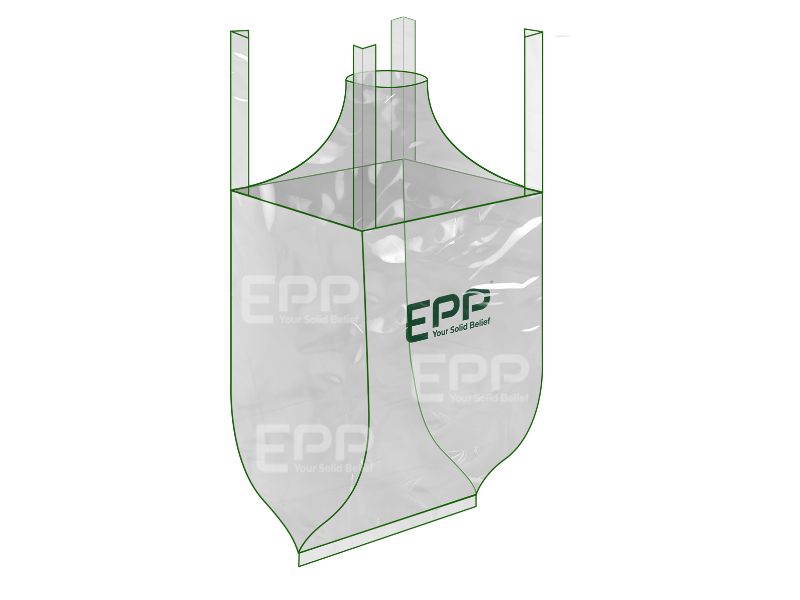
A: For high-speed filling, we recommend Form-Fit liners. Because they are shaped exactly like the bag and its spouts, they don’t have extra “pockets” of air or loose plastic that can twist or burst under the pressure of the falling product.
Q: What is the benefit of a “suspended” liner for exports?
A: A suspended liner is fixed at the top, allowing the product to settle naturally without putting too much tension on the plastic. This is a great choice for fine powders that are packed while still warm from the production line.
At EPP Vietnam, we know that every export shipment is a promise you make to your customer. Choosing the right lined super sacks is how you keep that promise. We have over 20 years of experience in engineering the perfect liner thickness and material for every type of cargo. Whether you need a simple tubular liner or a complex EVOH barrier, we are here to help you optimize your packaging and protect your profit.
