
Silage jumbo bags, also known as FIBCs for fermented fodder, have become the gold standard for modern livestock farmers and agricultural exporters looking to preserve high-quality animal feed. As a leading manufacturer and supplier based in Vietnam, we receive this pricing question daily. The short answer is that prices typically range from $6.00 to $10.00 per bag, but the “true cost” depends heavily on technical specifications designed to withstand the intense pressure of the fermentation process.
In this guide, we will break down the construction, cost drivers, and why sourcing these specialized silage bags from Vietnam is currently the most cost-effective strategy for global agribusinesses.
The Specialized Construction of Silage Jumbo Bags
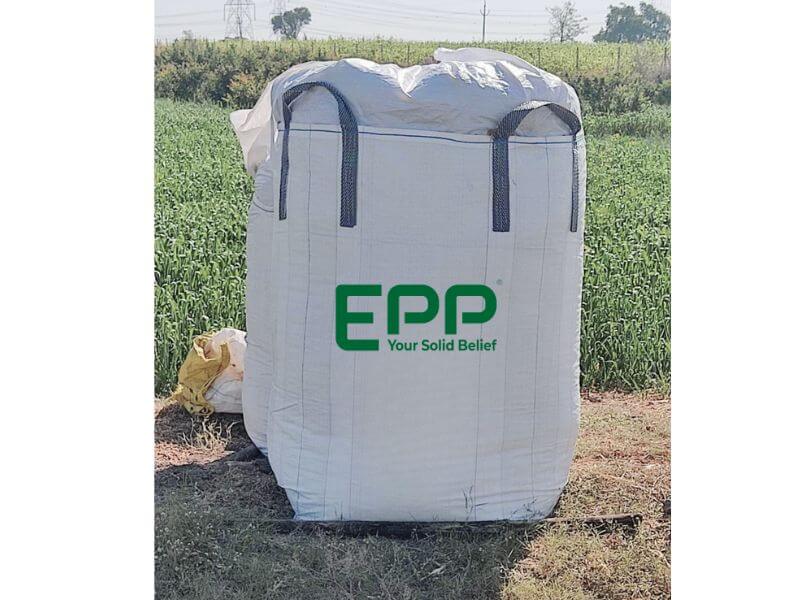
Unlike standard industrial bags used for sand or minerals, silage bags are high-tech “fermentation vessels.” Silage—usually chopped corn, grass, or sugarcane tops—requires an anaerobic (oxygen-free) environment to ferment correctly. If the bag fails, the feed spoils, leading to massive financial losses.
To prevent this, we focus on three primary construction styles:
Tubular Bulk Bags with Cross-Corner Loops
The tubular bag is woven on a circular loom, resulting in a body without vertical seams. For silage, this is a premium choice because it eliminates “stress points” where air might leak or where the bag might burst under the weight of wet, heavy fodder. Cross-corner loops are sewn into the fabric’s body, making it significantly easier for forklift operators to pick up the bag without it “leaning,” ensuring safety in tight warehouse spaces.
U-Panel Silage jumbo bags with Corner Loops
The U-Panel is the industry workhorse. It consists of a large piece of “U” shaped fabric forming two sides and the bottom, with two flat side panels sewn in. This construction provides excellent lifting capacity and shape retention. It is often the most economical choice for large-scale silage storage.
The Critical “Duffle Top” and PE Liner

To facilitate the “silage process inside,” two features are non-negotiable:
- Duffle Top (Skirt Top): This allows for easy filling from a hopper. Once filled, the top is tied shut, acting as the first line of defense against air.
- PE Liner (LDPE/LLDPE): This is the heart of the bag. A thick internal plastic liner (ranging from 50 to 100 microns) is inserted. This liner creates the airtight seal necessary for lactic acid fermentation. Without a high-quality liner, your silage will turn into compost rather than feed.
Factors Influencing the Cost of Silage Jumbo Bags
When you request a quote, several variables dictate the final price per unit:
- Safe Working Load (SWL) and Safety Factor (SF): Silage is dense and heavy. A standard bag might hold 1,000kg (1 Ton), but it must be tested at a 5:1 or 6:1 safety factor. Higher safety ratings require higher GSM (Grams per Square Meter) fabric, which increases the price.
- UV Stabilization: Silage bags are often stored outdoors on farms. High-quality Bulk bags include UV inhibitors in the polypropylene resin. If your bags need to sit in the sun for 6–12 months, the cost increases slightly due to the UV additive.
- Liner Thickness and Attachment: A “loose-fit” liner is cheaper, but a “tabbed” or “glued” liner—which stays in place during filling—is more expensive but prevents the liner from slipping and causing a mess during discharge.
Current Price Ranges for Silage Jumbo Bags
While prices fluctuate based on the global Polypropylene (PP) resin index, the following table outlines the general benchmarks for 1,000kg capacity bags sourced from Vietnam:
| Bag Specification Type | Fabric Weight / GSM | Features Included | Price Range (USD/Bag) |
|---|---|---|---|
| Standard Silage Bag | 140 – 160 GSM | U-Panel, Duffle Top, 50-70 mic PE Liner | $6.00 – $8.00 |
| High-Strength Silage Bag | 180 – 220 GSM | Tubular, Cross-Corner, 80-100 mic PE Liner | $8.00 – $10.00 |
| Premium Barrier Bag | 220+ GSM | Reinforced Loops, EVOH Liner | $10.00 – $12.50 |
Vietnam’s Competitive Edge in Silage Jumbo Bags
As a manufacturer in Vietnam, we have seen a massive shift in procurement from China and India toward our region. Why?
- Trade Agreements: Vietnam benefits from numerous Free Trade Agreements (FTAs) like the EVFTA (with Europe) and CPTPP. This often results in 0% import duties for our clients in Europe, Canada, and Australia.
- Cost vs. Quality Balance: Our labor costs remain competitive, but our technology—specifically our circular looms and extrusion lines—is often newer and more efficient than older factories in other regions.
- Proximity to Raw Materials: Vietnam is a major hub for the agriculture sector, creating a massive local infrastructure for high-quality packaging.
- Logistics Efficiency: With major ports like Hai Phong and Cat Lai, we offer shorter lead times to the US West Coast and Southeast Asia compared to South Asian suppliers.
FAQ: Frequently Asked Questions
Q: Can I reuse silage jumbo bags?
A: Most silage bags are designed for “Single Trip” (5:1 SF). While the outer bag might look fine, the internal PE liner is usually punctured or stretched during the fermentation process. For safety and silage quality, we recommend using new bags.
Q: How many empty silage jumbo bags fit in a 40HC container?
A: Depending on the folding method and GSM, we typically fit between 4,000 to 6,000 bags in a 40-foot High Cube container.

Q: How long can I store silage inside these bags?
A: With a high-quality UV-stabilized bag and a properly sealed PE liner, silage can be safely stored for 6 to 12 months.
Conclusion
Determining how much silage jumbo bags cost requires a balance between your budget and your technical requirements. Investing an extra $2.00 in a higher fabric weight or a tubular design can save you thousands of dollars in preserved feed quality.
At our facility in Vietnam, we specialize in customizing FIBC solutions for the global agricultural market. Whether you are looking for a bulk order of standard U-panel bags or high-strength tubular bags with cross-corner loops, we provide the durability you need at a price point that makes sense for your bottom line.