
FIBC bags exports are entering an exciting new phase of growth. Over the past few years, I’ve watched the global packaging industry shift dramatically, and jumbo bags have quietly become one of the most in‑demand products in international trade. What used to be a simple bulk‑handling solution is now a strategic part of supply chains in agriculture, food, chemicals, construction, and even pharmaceuticals.
Today, exporters have more opportunities than ever — not just because demand is rising, but because the expectations for quality, sustainability, and innovation are evolving. Let’s explore what’s driving this momentum and why the future looks so promising.
Global Market Outlook for FIBC Bags Exports
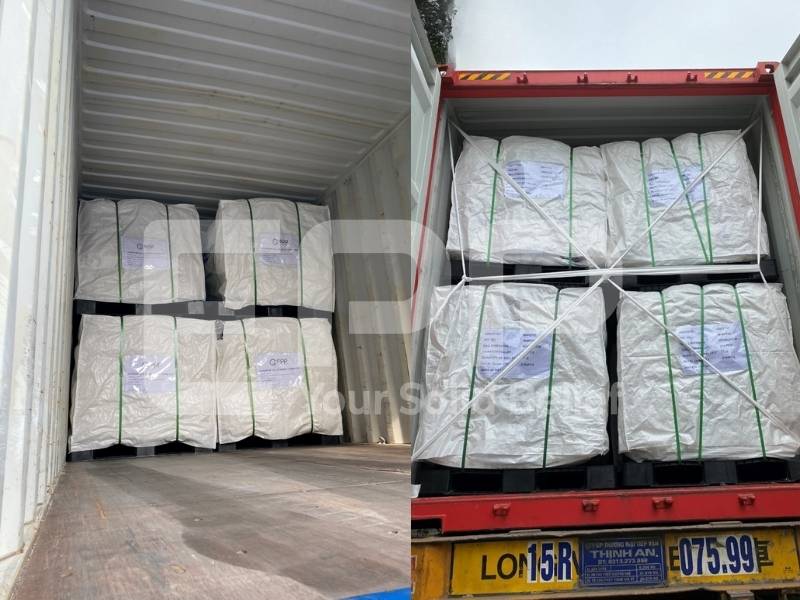
FIBC bags exports continue to grow steadily as global industries shift toward bulk packaging solutions. The market has expanded across agriculture, food processing, chemicals, construction, and pharmaceuticals — and the momentum is clearly visible in international trade data.
According to Volza’s Global Export Data (updated to Nov 24, 2025), the world exported 73,471 shipments of FIBC bags, supplied by 2,081 exporters worldwide. The United States, Spain, and the United Kingdom are currently the top importing destinations, reflecting strong demand in both industrial and food‑grade sectors.
What’s even more interesting is how the export landscape is shifting. Volza’s data shows that the top three global exporters are: India, Vietnam and United States.
India continues to lead the world in FIBC exports, while Vietnam has strengthened its position as a major supplier thanks to competitive pricing, stable quality, and favorable trade conditions. The United States, although a major importer, also plays a significant role as an exporter for specialized and high‑grade FIBCs.These figures highlight a clear trend: global buyers are diversifying their sourcing, and exporters who offer consistent quality and reliable delivery are gaining long‑term advantages.
Key Growth Drivers Behind FIBC Bags Exports
1. Agriculture and Food Industries Are Expanding

Agriculture has always been one of the biggest users of jumbo bags. Grains, seeds, sugar, flour, and fertilizers all require safe and efficient bulk packaging. As food production increases worldwide, so does the need for high‑quality Bulk bags.
Food‑grade bags, in particular, are becoming more important. Buyers want packaging that meets strict hygiene standards, and exporters who can provide certified, cleanroom‑produced bags are seeing strong demand.
2. Industrial Growth in Emerging Markets
Construction, mining, and manufacturing industries in developing countries are growing rapidly. These sectors rely heavily on bulk packaging for materials like sand, cement, minerals, and chemicals.
Because FIBCs reduce handling time and minimize product loss, they’ve become the preferred choice for companies looking to improve efficiency. This shift is creating a larger customer base for exporters.
3. Specialized Industries Need Higher‑Quality Bags
Pharmaceuticals, chemicals, and other high‑value materials demand packaging that goes far beyond basic strength. These products require anti‑static protection to prevent ignition risks, contamination‑resistant materials to maintain purity, and aseptic liners to ensure hygiene throughout transport and storage.
On top of that, strict quality control is essential to guarantee safety and compliance with industry standards.Because of these demanding requirements, specialized Jumbo bags fall into a premium category. They command higher prices and tend to attract long‑term, loyal buyers who prioritize reliability over cost.
Exporters who invest in advanced production capabilities — such as cleanroom facilities, precision testing, and specialized fabric technologies — are positioning themselves to succeed in this high‑value market segment.
4. B2B E‑Commerce Is Opening New Doors

The rise of online B2B platforms such as Alibaba, Tradeindia, .. has made it easier for buyers to source FIBC bags from anywhere in the world. This shift has created new opportunities for smaller manufacturers and exporters who previously struggled to reach international customers.
Today, a well‑presented product catalog and responsive customer service can attract buyers from multiple continents.
New Opportunities & Emerging Trends in FIBC Bags Exports
Growing Demand in New Regions
While the U.S. and Europe remain major importers, demand is rising in the Middle East, Africa, and Southeast Asia. These regions are investing heavily in agriculture, infrastructure, and manufacturing — all industries that rely on bulk packaging.
Niche Markets Are Expanding
Food‑grade and pharma‑grade FIBCs are gaining traction. These bags require higher standards, but they also offer higher margins. Exporters who can meet strict certifications are finding strong, stable demand.
Supply Chain Efficiency Is a Major Selling Point
Companies everywhere are trying to reduce logistics costs. Big bags help them do that by:
- Replacing dozens of small bags with one large container
- Reducing labor and handling time
- Minimizing product loss
- Improving warehouse organization
This efficiency makes FIBCs an attractive choice for businesses looking to streamline operations.
Why Companies Should Invest in FIBC Bags Exports Now
From my experience in the industry, there has never been a better time to invest in FIBC bags exports. Global demand continues to rise, new markets are opening, and buyers are actively seeking reliable long‑term partners who can deliver consistent quality. Companies that position themselves well today are likely to benefit from strong, sustained growth in the years ahead.
Exporters who prioritize quality certifications, sustainable materials, innovative product features, reliable delivery schedules, and clear customer communication are already standing out. These strengths help build trust, strengthen brand reputation, and secure repeat orders — something every exporter values in a competitive global market.
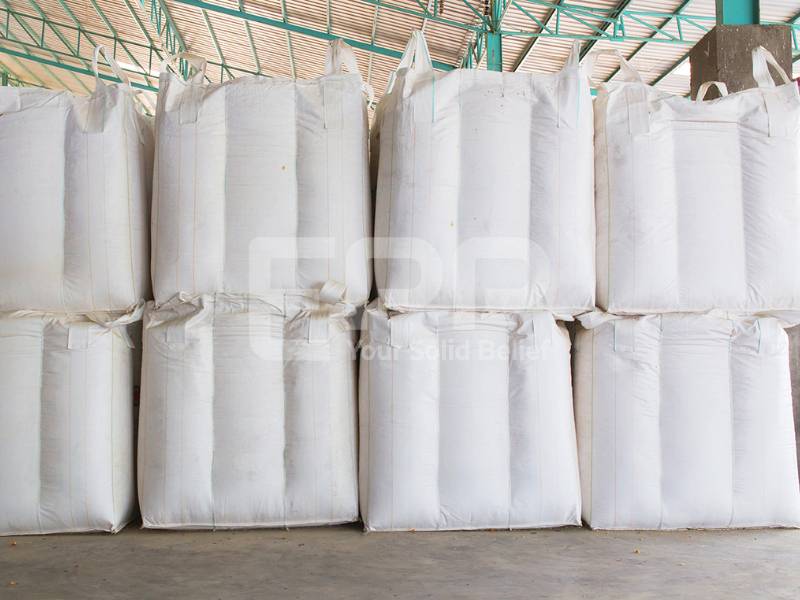
What’s even more important is that the shift toward bulk packaging isn’t a short‑term trend. Industries across agriculture, food, chemicals, construction, and pharmaceuticals are all moving toward safer, cleaner, and more efficient ways to transport materials. Bulk bags fit perfectly into this transformation. Their durability, reusability, and cost‑effectiveness make them an essential part of modern supply chains, and companies that invest now are positioning themselves at the center of a long‑term global shift.
Conclusion
FIBC bags exports have many new prospects, driven by global demand, sustainability trends, and the need for smarter packaging solutions. Whether you’re a manufacturer looking to expand internationally or a business exploring new export opportunities, the future of the FIBC industry is full of potential. With the right focus on quality, innovation, and customer trust, exporters can thrive in this growing global market.
