
Ventilated Jumbo Bags are critical topics for any business involved in the supply chain of perishable goods or moisture-sensitive industrial materials. In the global logistics market, particularly here in Vietnam where we export vast quantities of agricultural products, the standard solid-weave bag isn’t always the best tool for the job.
As a premier supplier of industrial packaging solutions, we have seen how a simple change in fabric design can prevent thousands of dollars in product loss. These specialized breathable containers are the unsung heroes of the “living” cargo world. In this article, we will explore why these bags are essential, their benefits and drawbacks, and how to decide if they are the right fit for your operations.
What Are Ventilated Jumbo Bags?
At first glance, a ventilated jumbo bag—also known as a breathable FIBC or vented bulk bags—looks very similar to a standard big bag. However, the difference lies in the weave of the polypropylene fabric.

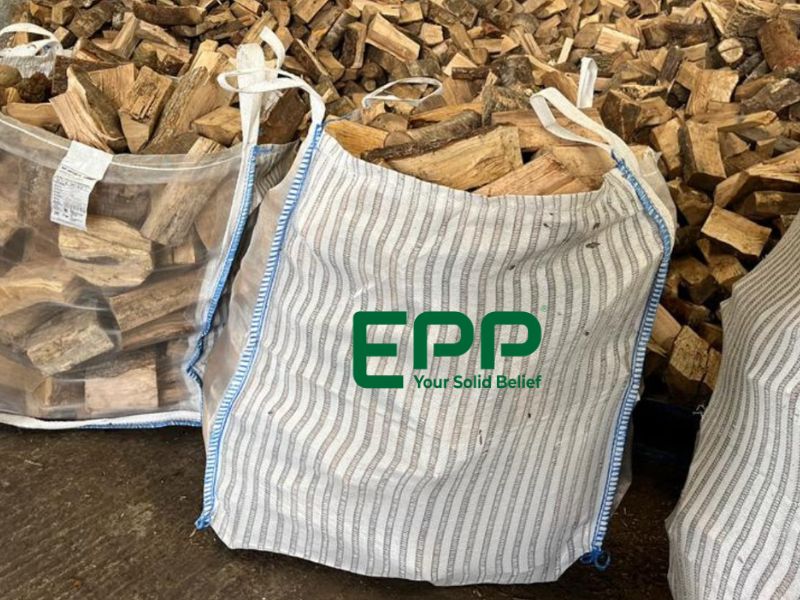
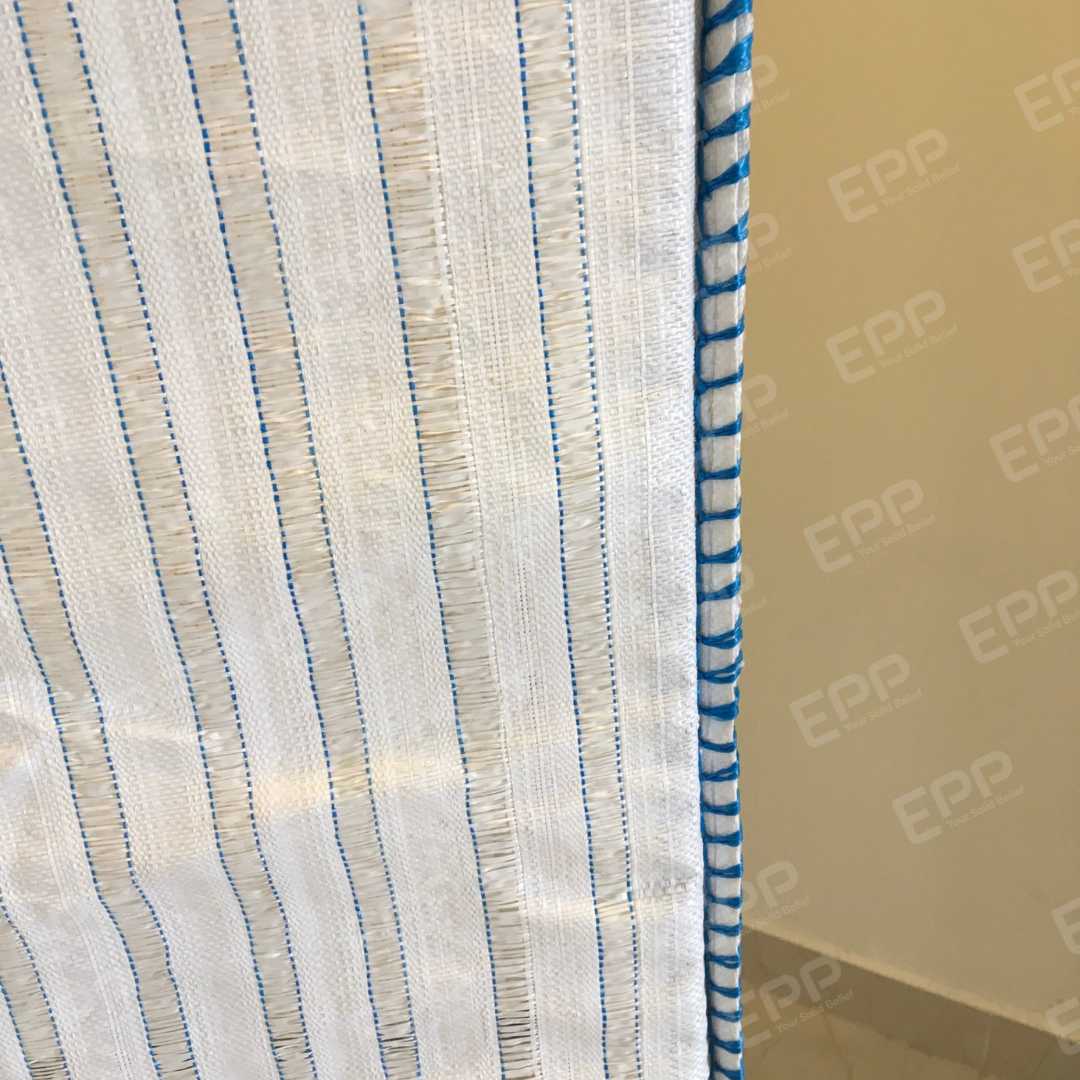
Unlike standard bags that use a tight, solid weave to keep fine powders inside, ventilated jumbo bags are manufactured with “ventilated strips” or a loose-weave mesh. This design allows air to flow freely through the fabric and into the product. Think of it as a protective skin that allows the internal contents to “breathe” while still providing the structural integrity needed to lift and transport up to 2,000kg of material.
In Vietnam, we often manufacture these with 11 or 26 ventilated stripes on each side, depending on the airflow requirements of the specific commodity. This unique construction ensures that the bag remains strong enough to be stacked while offering maximum atmospheric exchange.
Pros of Using Ventilated Jumbo Bags
The advantages of using these breathable bulk containers are numerous, especially for organic materials.
Prevention of Mold and Mildew: This is the primary reason for their existence. Products like potatoes, onions, or nuts release moisture through respiration. In a standard bag, this moisture gets trapped, leading to rapid rot. Ventilated bags allow that moisture to escape, keeping the produce fresh.
Efficient Drying (Curing): For the timber industry, specifically wood logs or firewood, these bags allow the wood to dry while stored. Instead of spread-out piles, you can stack bags, saving warehouse space while the natural airflow does the work of seasoning the wood.
Temperature Regulation: Certain chemicals or minerals can be packed while still slightly warm. A vented bag prevents heat from building up in the center of the mass, which could otherwise lead to product degradation or even fire hazards.
Faster Cooling: In food processing, if a product needs to be cooled down quickly after being bagged, the air circulation provided by the vents speeds up the cooling process significantly compared to solid fabric.
Cons of Using Ventilated Jumbo Bags
While they are highly effective, ventilated FIBCs are not a “one-size-fits-all” solution. There are some trade-offs to consider:
Limited to Coarser Materials: Because of the gaps in the weave, you cannot use these bags for fine powders like flour, cement, or fine-grade sugar. The product would simply leak out through the vents.
Vulnerability to External Contaminants: While air gets in, so does everything else. Dust, pests, and ambient moisture can easily penetrate the bag. If your storage environment isn’t clean or dry, a ventilated bag might actually expose your product to more risk.
Slightly Lower Load Capacity: Generally speaking, because the fabric has “gaps” for ventilation, the overall tensile strength can be slightly less than a heavy-duty solid weave. However, with modern engineering in our Vietnamese facilities, we can still achieve high Safe Working Loads (SWL) by reinforcing the corner seams.
Higher Manufacturing Cost: The specialized weaving process required to create the ventilated strips makes these bags slightly more expensive than their standard counterparts.
When Ventilated Jumbo Bags Are the Right Choice?
As a leading supplier, we often advise our clients to switch to breathable sacks if they handle any of the following:
- Fresh Produce: Potatoes, onions, garlic, and citrus fruits are the classic candidates. These items need constant oxygen to stay “alive” and marketable.
- Seeds and Grains: Especially those with a higher moisture content that are being held before further processing.
- Firewood and Logs: For European markets where firewood is sold in bulk, these bags are the industry standard for seasoning and transport.
If your product can survive being exposed to the air but will die if trapped in a humid, stagnant environment, then a ventilated jumbo bag is your best investment.
Key Considerations Before Choosing Ventilated Jumbo Bags
Before you place your order, consider these technical factors to ensure you get the best performance:
- Number of Vents: Do you need 11 stripes or 26? More stripes mean more airflow but slightly less fabric surface. Discuss your product’s respiration rate with your supplier.
- Storage Environment: Will the bags be stored in a cross-ventilated warehouse? Airflow through the bag only works if there is airflow around the bag.
- The “Safety Factor”: Just like standard bags, ensure you choose the correct Safety Factor (5:1 for single trip or 6:1 for multi-trip). In the agricultural sector, bags are often moved multiple times, so a higher durability might be better.
- Top and Bottom Configuration: Ensure your filling machine matches the bag. Most ventilated bags feature a spout top or a duffel top to keep the top layer of produce secure while still allowing air in.
Conclusion
Understanding the Ventilated Jumbo Bags: Functions and Advantages allows you to make an informed decision that protects your cargo and your bottom line. These breathable bulk sacks provide the perfect balance of strength and air circulation, making them indispensable for the global agricultural trade.
From our manufacturing base in Vietnam, we have seen how selecting the right ventilation profile can extend the shelf life of produce by weeks. By weighing the pros and cons and considering your specific storage environment, you can leverage these advanced packaging tools to create a more resilient and efficient supply chain.